
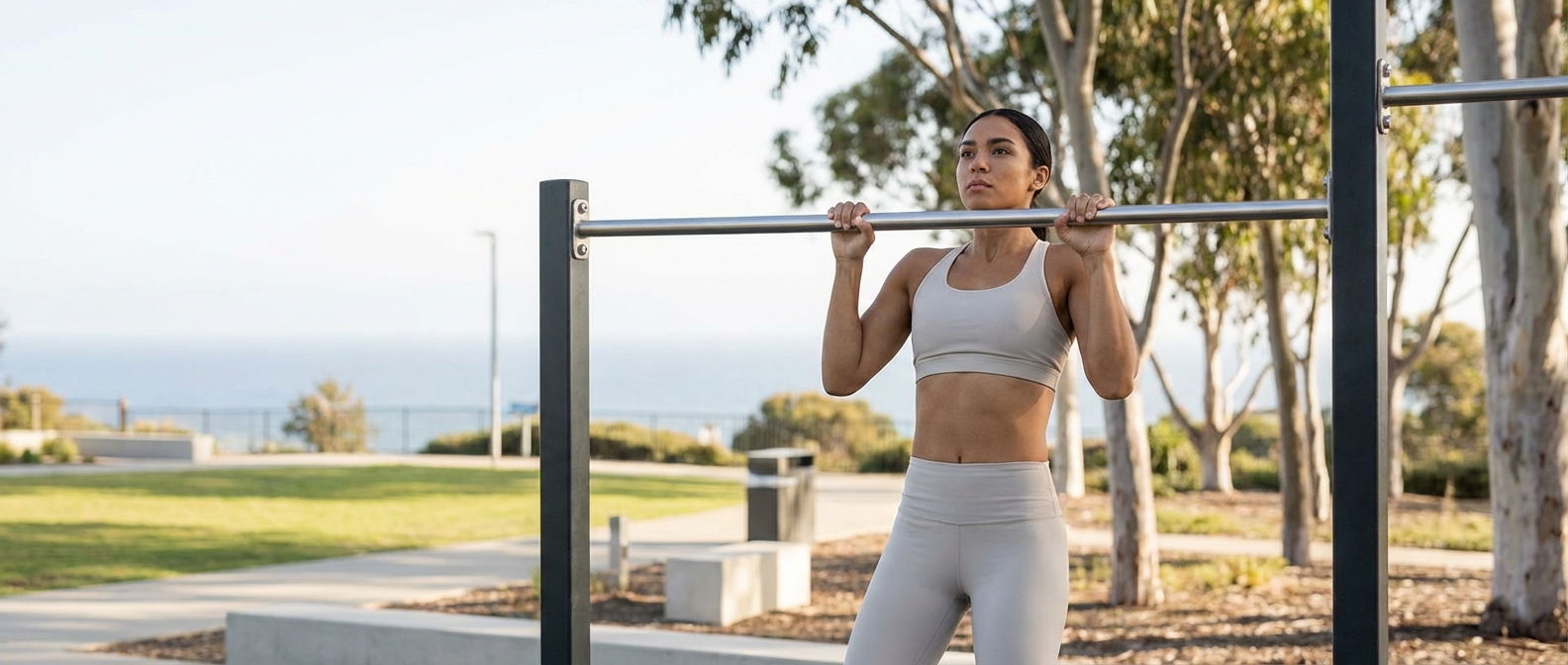
Upper body weight exercises are essential for Australians aiming to improve strength, prevent injury, and support everyday function. This health resource is designed for the general Australian public, including health-conscious individuals, carers, and anyone considering starting or modifying their upper body workout routine. All information is educational and should not replace professional medical advice. By reading this article, you’ll understand key upper body muscles, benefits and risks of weight training, common causes of muscular weakness, safe exercise options for home and gym, prevention strategies, and when to seek expert guidance. For a holistic approach, try Exercises for Total Body that integrate both upper and lower body muscles.
A Comprehensive Guide to Upper Body Weight Exercises for Australians
Understanding Upper Body Muscles and Their Importance
The upper body comprises several major muscle groups, including the chest, back, shoulders, arms, and core muscles. These muscles not only help with athletic performance but are also essential for daily tasks like lifting, carrying, pushing, or even maintaining good posture. Having a muscular upper body can support joint health, improve bone density, and reduce the risk of injury, particularly as you age. Australians with physically demanding jobs or recreational interests, such as gardening, surfing, or bushwalking, benefit from a strong upper body foundation.
A well-rounded upper body workout targets each major muscle group and encourages balanced development. Imbalances may contribute to postural issues and discomfort. Recognising the importance of these muscle groups can motivate safe and consistent participation in upper body weight exercises.
| Muscle Group | Main Functions | Example Exercise |
|---|---|---|
| Chest (Pectorals) | Pushing, arm adduction | Push-ups |
| Back (Latissimus dorsi, rhomboids, trapezius) | Pulling, posture support | Rows |
| Shoulders (Deltoids) | Arm lifting and rotation | Shoulder press |
| Arms (Biceps, triceps) | Lifting, pushing, pulling | Bicep curls, tricep dips |
| Core (Abdominals, obliques) | Stability, balance | Planks |
Symptoms and Warning Signs of Poor Upper Body Strength
Identifying early signs of diminished upper body strength is important in preventing more serious issues. Common symptoms can include difficulty lifting objects, struggling to open jars, poor posture, and muscle fatigue even after light activities. Individuals may notice restricted range of motion in the shoulders or experience discomfort after tasks like carrying groceries.
It is important to note that some medical conditions (such as nerve impingement or chronic joint pain) might also manifest with similar symptoms. If you experience persistent pain, numbness, loss of sensation, or unexpected weakness, consult a healthcare professional for a thorough assessment. The goal of upper body weight exercises is to improve strength without aggravating underlying health conditions.
Decreased grip strength is another often overlooked indicator of reduced upper body function, and may even be associated with age-related muscular declines.
Common Causes and Contributing Factors of Reduced Upper Body Strength
Several factors may affect upper body muscle health for Australians. Sedentary lifestyles, office-based work, or prolonged periods without physical activity are leading contributors. Some people may experience muscle atrophy due to physical inactivity, injury, or chronic medical conditions like arthritis or certain neurological disorders. Nutritional deficiencies, inadequate protein intake, or insufficient vitamin D and calcium can also impact muscle function and overall strength development.
Genetics play a role, but other contributing factors include poorly designed exercise routines, overuse, and technique errors during upper body gym workout sessions. Stress, sleep quality, and co-existing medical conditions can influence your exercise response. It’s especially important for older adults, those with chronic illness, and people returning from injury to approach weight training with tailored guidance.
Some Australians may face barriers such as lack of access to equipment, uncertainty about exercise technique, or concerns about injury risk. Addressing these causes helps set a strong foundation for safe and effective upper body training.
The Benefits and Preventive Role of Upper Body Weight Exercises
Engaging in regular upper body weight exercises provides both short- and long-term health benefits. In the preventive sense, strengthening upper body muscles is associated with improved bone density, reduced fall risk, and better functional independence as you age. These exercises encourage healthy weight management and boost metabolic rate, which is vital given Australia’s growing concerns around obesity and chronic disease.
Other benefits include improved mood, stress reduction, and greater self-confidence through achievable fitness milestones. Individuals with strong upper bodies can better withstand physical and occupational demands, reducing the likelihood of overuse injuries. Incorporating upper body weight exercises at home into weekly routines makes it easier to maintain regular activity without a gym membership.
Building a best upper body routine emphasises balance, gradual progression, form, and enjoyment. These factors make it more likely you will continue the exercises over the long term, contributing to healthier ageing and improved quality of life. For a comprehensive regime, don’t miss our Lower Body Workout Guide, which complements upper body routines perfectly.
| Risk Factor | Potential Impact | Prevention Approach |
|---|---|---|
| Inactivity | Muscle wasting, poor mobility | Regular activity, even with light weights |
| Poor Technique | Injury, joint strain | Seek professional guidance, start light |
| Nutritional Deficiency | Slow recovery, reduced gains | Balanced diet, adequate protein |
| Overuse | Fatigue, overtraining injury | Rest, varied workouts, listen to your body |
| Chronic Illness | Limited progress, higher risk | Medical supervision, adapt plan |
Safe and Effective Upper Body Weight Exercises for All Settings
For Australians, upper body weight exercises can be performed with minimal equipment at home or with greater variety at the gym. Popular and accessible movements target the chest, back, shoulders, and arms. The best upper body workout is one that can be performed safely, suits your fitness level, and is adaptable as you progress.
At-Home Upper Body Weight Exercises
Home routines can be highly effective using body weight, resistance bands, or simple household objects. Effective exercises include push-ups, incline push-ups (using stairs or a bench), tricep dips (using a sturdy chair), planks, and banded rows. These exercises require minimal space and can be modified to suit most abilities.
Many Australians also incorporate online exercise videos from local providers or tap into initiatives promoted by Healthdirect Australia for guidance. A key emphasis is on form and controlled movement to avoid injury.
Gym-Based Upper Body Workouts
A upper body gym workout offers access to dumbbells, barbells, cable machines, and specialised equipment. This allows for greater exercise variety, progression in resistance, and targeted muscle growth. Exercises in this setting might include dumbbell bench press, cable rows, lat pulldowns, overhead presses, and bicep curls.
Always begin with lighter weights to master technique and gradually increase resistance. Most gyms in Australia have staff or personal trainers available for general guidance on correct exercise form. If you have an existing injury or health concern, seek clearance from your healthcare team before starting any new program.
Checklist: Safe Upper Body Training in Australia
- Warm up for 5–10 minutes before exercise
- Prioritise proper form over heavier weights
- Start with 2 sessions per week, gradually increasing frequency
- Incorporate both push and pull movements for balance
- Allow for 48 hours recovery between intense sessions
- Hydrate adequately, especially in hot Australian climates
- Listen to your body—stop if you feel pain, not just muscle fatigue
- Consider working with an accredited exercise professional
| Home | Gym |
|---|---|
| Push-ups, dips, banded rows, planks | Bench press, cable row, overhead press, pulldown |
| Minimal cost, accessible | Variety, progressive overload |
| Limited by equipment | Possible crowding, cost |
| Flexible, at your pace | Supervised, guidance available |
Pro Tip: Consider scheduling an annual check-in with your GP if you’re over 50 or have a chronic health condition before starting any new upper body strength program. This preventative step helps manage potential risks and ensures your chosen approach is aligned with your personal health needs.
Risks, Concerns, and When to Seek Professional Help
While upper body weight exercises are generally safe for most Australians, certain risks are worth considering. The primary concerns include sprains, muscle strains, or aggravation of existing joint issues, especially with poor technique or excessive load increases. Some individuals may experience delayed onset muscle soreness (DOMS) after sessions, which is generally normal but should improve over several days.
If you have any of the following, seek guidance from an exercise physiologist, physiotherapist, or your GP before starting or modifying a strength routine:
- Previous injury to the shoulder, back, or wrist
- Chronic health conditions such as heart, respiratory, or metabolic disease
- Persistent pain or swelling after exercise
- Numbness, tingling, or loss of function in an arm
Individuals new to strength training or those returning after a long break can reduce risk by starting slowly and gradually increasing the volume and intensity of their upper body workout. Following evidence-based, local health recommendations, such as those from Healthdirect Australia or your state’s public health guidelines, can also support safer outcomes.
Finally, be alert to sources of misinformation or exercise routines that promote “fast results” or “no pain, no gain” philosophies. Proper progression, rest, and listening to your body play a greater role in long-term muscular development and injury prevention.
Guide to Accessing Upper Body Strength Support in Australia
Australians have a range of pathways to support the development of a strong upper body. Accredited exercise physiologists, physiotherapists, and fitness professionals can tailor exercise routines and provide expert feedback. Public and private gyms offer group classes and personal training, while community health centres may have low-cost programs for older adults and people with chronic conditions.
For guidance on subsidies and eligibility for allied health support, check options through Medicare or private health insurance providers. Many Australian workplaces and community groups also promote muscular strength through wellness programs and online challenge groups.
If you are working towards rehabilitation, or if you’re managing other medical issues, your healthcare team can develop a plan in alignment with the Australian Physical Activity and Sedentary Behaviour Guidelines. Always communicate openly about any injuries, medication, or changes in health status to ensure your upper body weight exercises remain safe and beneficial.
FAQ
- What are the most important upper body weight exercises for beginners?
- Beginner-friendly exercises include push-ups, resistance band rows, tricep dips, and planks. Start with low repetitions and prioritise correct form to avoid injury.
- Can I build upper body muscles without going to the gym?
- Yes, many effective exercises can be performed at home using your own body weight, resistance bands, or household items like water bottles for added resistance.
- How often should I do upper body workouts for best results?
- For most people, 2–3 sessions per week is recommended, allowing at least 48 hours between intense sessions to enable muscle recovery and growth.
- Are there any risks to upper body weight exercises?
- Risks may include muscle strains, sprains, or worsening of existing joint pain if done with poor form or excessive load. Consult a health professional if you have chronic pain or injury.
- When should I seek professional help before starting an upper body routine?
- If you have a history of serious injury, chronic health conditions, or experience persistent pain or numbness in your upper body, seek advice from your GP or an exercise professional first.

