
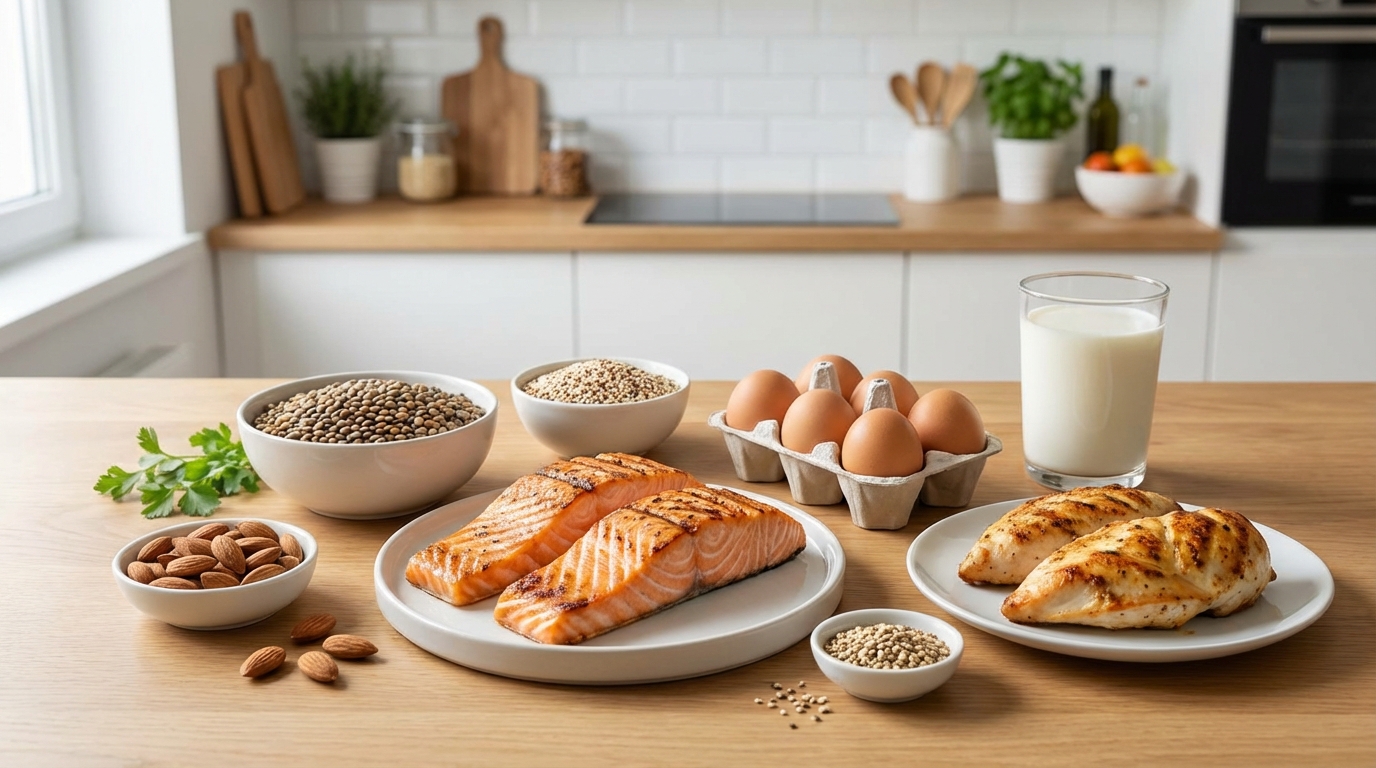
Protein is a vital nutrient found in many foods and is essential for healthy living. This article is designed for the general Australian public, including health-conscious readers, patients, and carers, who wish to understand the best sources of protein and how to include them safely in everyday meals. The content is for educational purposes only and should not replace professional medical advice. By the end, you’ll gain a practical understanding of protein foods, how to identify high-protein choices, prevention of deficiency, and when to seek expert help, all tailored to the Australian context.
Understanding Protein: Why It Matters in the Australian Diet
Protein plays a key role in maintaining body tissue, supporting muscle growth, and helping with various metabolic functions. For many Australians, achieving the recommended daily intake of protein supports healthy ageing, active lifestyles, and general wellbeing. While most people can meet their protein needs through a balanced diet, certain groups—such as older adults, athletes, vegetarians, and those with chronic illnesses—may need to pay extra attention to their sources of protein. Australian dietary guidelines, developed by trusted bodies like the National Health and Medical Research Council, recommend a wide variety of protein foods, taking cultural preferences and sustainability into account.
In a high-protein diet, choosing foods dense in protein supports muscle maintenance, successful weight management, and overall health. However, both protein deficiency and excess can have health consequences—making it important to select appropriate protein foods and monitor individual needs.
The Main Sources of Protein: Animal, Plant, and Alternative Options
Australians have access to diverse protein-rich foods, from traditional meat dishes to newer plant-based alternatives. Knowing the main categories helps you personalise meals based on taste, budget, and health goals:
Animal-Based Protein Foods
Animal foods, such as red meat, poultry, fish, eggs, and dairy, are typically considered “complete proteins”, meaning they provide all essential amino acids needed for good health.
- Meat: Beef, lamb, pork, and poultry (such as chicken and turkey) are all high in protein. For example, chicken breast is frequently cited as a food with most protein per 100g, often exceeding 30g.
- Seafood: Fish like tuna, salmon, snapper, barramundi, and prawns are excellent options. They provide protein and additional nutrients, such as omega-3 fatty acids.
- Dairy: Milk, cheese, yoghurt, and cottage cheese deliver high protein along with calcium.
- Eggs: Eggs are a versatile and natural protein source enjoyed across breakfast and main meals.
Animal-based options are popular in Australia, but it’s important to select lean or reduced-fat varieties to reduce saturated fat intake, as recommended by Better Health Channel Victoria.
Plant-Based and Alternative Protein Sources
For those seeking meat-free or lower environmental impact options, plant proteins can be effective and nutritious:
- Legumes: Beans, lentils, and chickpeas offer high protein per serve, as well as fibre and micronutrients. Split red lentils and soybeans are among the highest protein foods charted per 100g in this group.
- Nuts and Seeds: Almonds, peanuts, walnuts, chia seeds, and pumpkin seeds act as concentrated protein snacks and recipe additions.
- Whole Grains: Brown rice, quinoa, buckwheat, and oats provide moderate protein with complex carbohydrates.
- Plant-based meat alternatives: Tofu and tempeh (from soybeans), as well as seitan (wheat gluten), are increasingly common in Australian supermarkets.
While some plant sources lack one or more essential amino acids, combining different types across meals (such as beans with whole grains) helps ensure balanced intake.
| Food | Protein (g) | Animal/Plant |
|---|---|---|
| Chicken breast, cooked | 31 | Animal |
| Lean beef, cooked | 27 | Animal |
| Tuna, canned in springwater | 25 | Animal |
| Eggs, boiled | 13 | Animal |
| Greek yoghurt | 10 | Animal |
| Lentils, cooked | 9 | Plant |
| Chickpeas, cooked | 9 | Plant |
| Tofu, firm | 13 | Plant |
| Almonds, raw | 21 | Plant |
| Quinoa, cooked | 4 | Plant |
High Protein Diet Ideas and Meal Planning in Australia
Building a high protein meal plan can suit many goals, including weight management, muscle maintenance, and healthy ageing. In Australia, protein meals commonly feature lean meats, fish, eggs, dairy, legumes, and whole grains. Emphasising a colourful variety of protein sources, as recommended by the Heart Foundation, also supports cardiovascular and overall health.
Here are some high protein diet ideas using commonly available foods in Australia:
- Breakfast: Greek yoghurt with nuts and berries, or scrambled eggs on wholegrain toast
- Lunch: Tuna and bean salad, or grilled chicken wrap with mixed greens
- Dinner: Stir-fried tofu and vegetables with brown rice, or grilled salmon with steamed broccoli and quinoa
- Snacks: Cottage cheese with sliced tomato, or a handful of roasted almonds
Combining different protein sources not only promotes amino acid diversity but helps maintain interest and enjoyment in your meals.
Checklist: Safe Ways to Increase Protein Intake
- Choose lean meats and poultry, and limit processed meats
- Incorporate two to three serves of fish per week
- Include plant-based proteins—such as beans, lentils, tofu, and nuts—regularly
- Mix protein sources across meals to boost nutrient variety
- Spread your protein intake throughout the day, not just at dinner
- Speak to a healthcare professional if you have chronic health conditions, specific dietary needs, or are considering restrictive diets
Dietary Risks, Deficiency, and Recognising When to Seek Advice
While most Australians meet or exceed recommended protein intake, it is possible to develop a deficiency—especially in older adults, those following highly restrictive diets, or people with chronic illness. Signs and symptoms can include:
- Muscle weakness or loss
- Poor wound healing
- Hair thinning or skin problems
- Low energy or fatigue
- Frequent infections
These warning signs are often subtle and can have many other causes. If you, or someone you care for, experience persistent symptoms or have difficulty meeting protein requirements, consult a GP or accredited dietitian. Early advice can help prevent complications and improve dietary management.
Excessive protein intake can also pose risks, especially for those with kidney disease or underlying health issues. Relying heavily on red or processed meats is associated with increased long-term health risks, including heart disease and certain cancers, as noted by national health authorities. Safe, recommended intake levels are best based on age, sex, health status, and activity level.
| Possible Symptom | Protein Deficiency | Other Common Causes |
|---|---|---|
| Muscle loss | Yes | Ageing, inactivity, chronic disease |
| Fatigue | Yes | Iron deficiency, anaemia, poor sleep |
| Poor wound healing | Yes | Diabetes, vitamin C deficiency |
| Frequent infections | Yes | Immune suppression, other nutrient deficiencies |
| Hair & skin changes | Sometimes | Thyroid disorders, skin conditions |
If you are unsure whether you are eating enough protein or have underlying risk factors, a health professional can help with individualised assessment and planning, consistent with guidance from leading organisations like Dietitians Australia.
Frequently Asked Questions (FAQ)
Which foods contain the highest amount of protein per 100g?
Among commonly consumed foods in Australia, cooked lean chicken breast, tuna, and beef provide the highest protein per 100g, typically ranging from 25–31g. Some specialty plant foods—like firm tofu and certain legumes—are also relatively high but generally contain less per serve compared to lean meats and fish.
Can I follow a high protein diet safely for weight loss?
High protein diets can support weight management when balanced with vegetables, whole grains, and healthy fats. Australians considering a major dietary change should consult a healthcare professional, especially for longer-term plans or if managing medical conditions.
What are signs that my protein intake may be too low?
Symptoms can include persistent muscle loss, fatigue, slow wound healing, and frequent infections. These signs are not specific to protein deficiency and may have other causes, so it’s important to seek professional advice for accurate assessment.
How can vegetarians and vegans get enough protein?
Plant-based diets can provide adequate protein by combining foods like legumes, tofu, tempeh, nuts, seeds, and whole grains. Mixing various protein sources across the day improves overall amino acid balance.
Is too much protein harmful for kidneys?
Healthy individuals can generally manage moderate increases in protein, but those with pre-existing kidney disease or at risk should limit intake and follow medical advice. Regular monitoring is important if advised by your doctor or dietitian.
Summary and Pro Tip for Safe, Sustainable Protein Intake
Protein is a necessary part of every Australian diet, coming from both animal and plant sources. Eating a varied diet, choosing lean and minimally processed options, and spreading intake across the day provide protection against deficiency without increasing long-term risks.
Pro Tip: Try including a protein-rich food at every main meal—such as eggs at breakfast, legumes or lean chicken at lunch, and fish or tofu at dinner—to help maintain even energy levels and better support muscle and immune health.

