

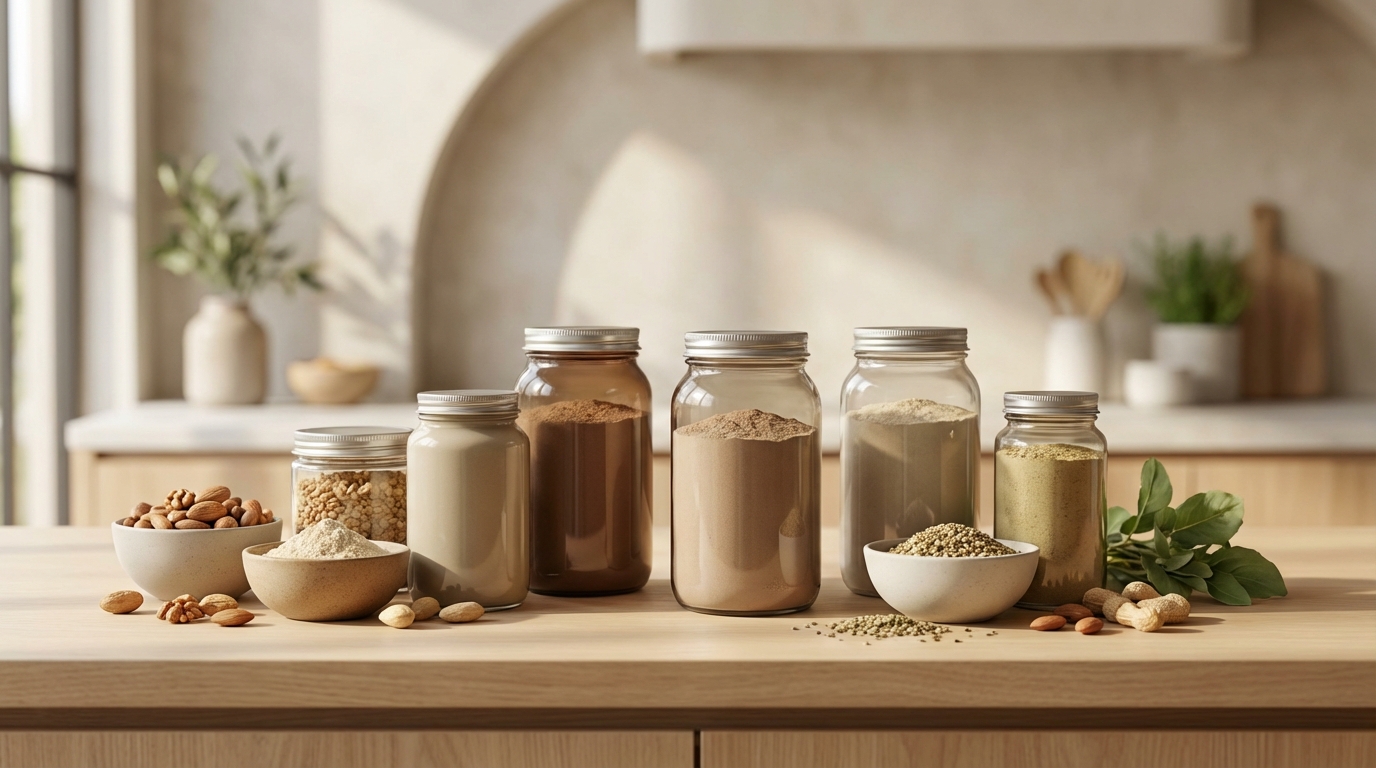
Whether you’re an athlete, a fitness enthusiast, or simply health-conscious, navigating the range of protein supplements Australia offers can raise questions about their safety, effectiveness, and best use. This article is written for the general Australian public and anyone interested in understanding protein shakes, powders, and related supplements. The following is for informational and educational purposes only, and should never replace personal medical advice from your healthcare professional. By reading on, you’ll gain a clear picture of the types of protein supplements available in Australia, how they work, the risks and benefits, and what you should consider before adding them to your daily routine.
Understanding Protein Supplements in Australia
Protein supplements in Australia are widely used to support muscle repair, improve exercise recovery, and fill dietary gaps. Products like best protein powder Australia, protein shakes, and aussie protein powder brands appeal to a wide audience—from elite athletes to those with demanding lifestyles or special dietary requirements. Yet, there’s often confusion about which supplement to choose, how much to take, and whether you really need them at all.
Australian stores and online retailers offer a vast selection—ranging from whey and plant-based protein powder to protein pills and ready-to-drink shakes. Quality, source, and safety are important considerations, with guidelines provided by bodies such as Australian Department of Health and NHMRC (National Health and Medical Research Council).
What Are Protein Supplements and Who Might Benefit?
Protein supplements include a variety of products designed to boost your protein intake—commonly as powders, shakes, bars, or capsules. Primary sources in the Australian market are dairy-based (like whey and casein protein powder) and plant-based options (such as pea or soy). Protein powders are often used by:
- Active individuals seeking muscle recovery or growth (e.g., sportspeople or gym-goers)
- Vegetarians or vegans needing alternative protein sources
- Older adults with increased protein requirements
- People recovering from illness when appetite is low
Consultation with a qualified health professional or accredited practising dietitian is recommended if you’re unsure whether a protein supplement is appropriate for your needs. Overuse or inappropriate use, especially without medical oversight, may carry health risks.
Types of Protein Supplements Available in Australia
Whey Protein Powder
Whey protein is a popular choice in bulk protein powder sales due to its high biological value and quick absorption. It’s derived from milk during the cheese-making process and contains all nine essential amino acids, supporting muscle repair. Products may be labelled as concentrate, isolate, or hydrolysate, each with varying protein percentages and levels of processing.
Plant-Based Protein Powder & Vegan Options
Vegan protein powders—made from sources like peas, rice, hemp, and soy—are increasingly available due to demand for dairy-free and allergy-friendly supplements. While individual plant sources may lack certain amino acids, many Australian products use prepared blends to ensure a complete profile.
Casein, Egg, and Other Specialised Proteins
Slow-digesting proteins like casein, as well as less common sources such as egg white or beef protein, are available for those with particular needs or preferences. Pills and capsules—while convenient—often deliver lower amounts of protein per serve than powder or shake forms.
Comparing Protein Supplements: Powders, Pills & Shakes
| Type | Key Features | Ideal For | Limitations |
|---|---|---|---|
| Whey Protein Powder | Fast absorption, high in essential amino acids | Athletes, gym-goers, post-workout | Not suitable for dairy allergies or vegans |
| Plant-Based Protein | Dairy-free, often allergen-friendly | Vegans, vegetarians, lactose intolerant | May lack certain amino acids if single-source |
| Protein Pills | Convenient, portable | On-the-go use, topping up intake | Deliver less protein per dose than powders |
| Ready-to-Drink Shakes | Pre-mixed, time-saving | Quick recovery, travel, workplace | Often costlier, may contain sweeteners or added sugar |
Benefits and Practical Uses of Protein Supplements
Supplements can help Australians meet daily protein needs when whole foods are impractical, unaffordable, or unavailable. Most healthy adults are able to get enough protein from a balanced diet of meats, dairy, legumes, and whole grains. However, supplements like protein supps or protein shakes and supplements may provide additional help in:
- Supporting muscle recovery and growth after resistance training
- Assisting with weight management (by promoting satiety)
- Managing increased protein needs due to age, injury, or intensive activity
- Providing convenient nutrition for those with busy or restricted schedules
It’s important to note that consuming more protein than the body requires will not provide additional health or fitness benefits and may stress the liver or kidneys, particularly in those with pre-existing medical conditions.
Recognising Symptoms & Warning Signs of Excessive Protein Supplement Use
While moderate use of protein powder supplement is generally safe for most healthy people, overuse or misuse can lead to health concerns. Some potential symptoms or warning signs linked to excessive intake include:
- Digestive upset (bloating, cramping, diarrhoea)
- Increased thirst and dehydration
- Unexplained fatigue or headaches
- Changes in urination or kidney discomfort
- Unintended weight gain (if consuming excess calories)
If you experience persistent symptoms after starting a protein supplement, seek advice from a general practitioner, especially if you have a history of kidney disease, liver problems, or allergies.
| Symptom | Potential Cause | When To Seek Advice |
|---|---|---|
| Bloating, cramps | Lactose or ingredient intolerance | If symptoms persist or worsen |
| Kidney discomfort | Possible excess protein intake (competitor gap: kidney health impact) | If you have pre-existing kidney issues |
| Unusual fatigue | Electrolyte imbalance or dehydration | If fatigue interferes with daily life |
Causes & Contributing Factors: Who’s At Risk With Protein Supplements?
While protein needs vary based on age, weight, gender, and activity levels, most adults in Australia meet their requirements through normal dietary choices. Potential risks from supplements are higher in:
- People with pre-existing kidney or liver disease
- Those taking multiple supplements without medical oversight
- Individuals with food allergies, lactose intolerance, or coeliac disease
- Younger people (<18 years) using protein supplements unnecessarily
Products marketed as discount protein powder or “bulk” protein should be checked for ingredient quality and allergen warnings. It’s also important to be aware of potentially misleading claims or the belief that pills or powders can replace healthy food choices.
Australian clinical guidelines, as highlighted by Eat for Health, recommend food as the first-choice source of protein wherever feasible.
Safe Use, Balance, & Prevention Checklist
- Check your daily protein needs with a health professional (needs vary by age, sex, activity)
- Read the label for allergen information and ingredient list
- Assess brand reputation—choose companies that comply with Australian standards
- Avoid excessive serving sizes—more is not always better
- Do not use supplements as a complete meal substitute unless advised by a dietitian
- For athletes: check products for banned substances via Sport Integrity Australia
- Store powders and shakes in cool, dry conditions
The Role of Protein Supplements in a Balanced Australian Diet
Supplementing with protein powder Australia products can be helpful when used for their intended purpose and as part of an overall balanced approach to eating and exercise. They are not necessary for everyone and cannot fix overall diet quality issues or sedentary habits.
Popular uses of Australian protein powder include:
- Boosting recovery after resistance or endurance training
- Managing appetite during weight goals or busy schedules
- Assisting those on restrictive diets (e.g., vegan, gluten-free)
For most individuals, a well-planned diet featuring lean meats, fish, eggs, legumes, nuts, and dairy is the best foundation for protein intake. Seek individualised advice if you have complex dietary needs, allergies, or chronic health issues.
Buying Protein Supplements Safely in Australia
With the growing market for protein powder sale and protein supplements sale products, Australians are faced with a variety of purchasing choices. It’s important to consider:
- Selecting products manufactured in Australia or compliant with local standards (Australian protein quality assurance)
- Understanding serving size, protein content, and unnecessary additives
- Looking out for fake or unregulated products often advertised under “discount protein shakes” or buy protein powder deals on unverified sites
- For bulk buying, consider freshness—consume before best-before dates
- Track your symptoms and responses—adjust or stop use if adverse reactions occur
If you have doubts, ask a qualified nutrition professional for product recommendations and safe dosage instructions.
Managing Expectations: Myths, Truths, and Australian Guidance
Common myths suggest that all active Australians need supplements or that higher protein intake guarantees superior results, but evidence from Australian public health sources indicates the majority meet their requirements through food alone. Supplements are not magic fixes for weight loss, muscle gain, or disease prevention, and their use should be tailored individually.
False or exaggerated claims still occur, particularly with imported products or unverified “protein AU” sites. For sports or bodybuilding purposes, consult only registered health or fitness professionals and prioritise safe, regulated products.
The best outcomes come from a combination of evidence-based training, balanced meals, adequate sleep, and responsible supplementation where genuinely needed.
FAQ
- Are protein supplements safe for daily use?
- Most healthy adults can safely include protein supplements as part of a balanced diet, but regular use should be based on your individual needs. People with kidney or liver issues, and younger individuals, should seek medical advice before daily use.
- How should I choose the right protein supplement in Australia?
- Look for products that are labelled clearly, adhere to Australian safety standards, and suit your dietary and allergy requirements. Consulting an Accredited Practising Dietitian can help match products with your goals.
- Can protein shakes or powder replace meals?
- Protein shakes and powders should supplement, not replace, complete meals unless specifically advised by a qualified health professional. Whole foods provide a balance of nutrients that supplements cannot fully replicate.
- What are the main risks of overusing protein supplements?
- Potential risks include digestive upset, dehydration, kidney strain, and unwanted weight gain. People with pre-existing health concerns should consult their GP before starting high-dose supplements.
- Are there any groups that should avoid protein supplements?
- Children, pregnant women, and people with known kidney, liver, or metabolic disorders should seek medical advice before considering protein supplements.