

Searching for lunch ideas can sometimes feel like a daily dilemma, especially for Australians who want nutritious, easy, and satisfying meals. This article is designed for the general Australian public—including health-conscious readers, carers, and those hosting guests—who are keen to understand more about choosing healthy and safe lunch options. All content here is purely informational and should not replace advice from your GP or healthcare provider. By the end, you’ll discover why balanced lunches matter, common factors that influence lunch choices, how to manage associated risks, and practical lunch recipes and tips aligned with reputable Australian health guidance.
Balanced Lunch Ideas: Why Does Lunch Matter for Health?
For many Australians, lunch is a cornerstone of daily nutrition and energy. From busy workers to parents preparing easy lunch ideas for guests, making the right lunchtime choices can impact your short- and long-term health. A well-planned lunch recipe supports steady energy, mood stability, concentration, and overall wellbeing, while reducing the risk of nutrition-related chronic illnesses.
Understanding the Role of Lunch in Health and Wellness
Lunch isn’t just about satisfying hunger; it bridges nutritional gaps between breakfast and dinner. Skipping or choosing low-quality lunches can lead to energy crashes, poor food choices later in the day, or increased chronic disease risk. Australian guidelines from the National Health and Medical Research Council recommend including a mix of whole grains, lean proteins, vegetables, dairy or alternatives, and healthy fats in your midday meal.
Recognising the diversity of lunch ideas—including those suitable for guests or specific dietary needs—is essential. Balancing variety with nutritional value can help prevent ‘lunch fatigue’ and build sustainable, enjoyable eating habits.
Competitor gap: Many guides don’t address how common daily stresses or workplace routines impact lunch decision-making.
Common Causes of Lunch Planning Challenges
Despite best intentions, Australians often face obstacles in preparing or selecting nutritious lunches. Understanding these causes and barriers is important to improve daily choices and prevent pitfalls.
Lack of Time and Resources
Busy schedules, limited access to fresh ingredients, and the popularity of take-away foods can all play a role. Many turn to convenience foods that might be higher in salt, sugar, or saturated fat, which public health entities such as Healthdirect caution can contribute to poor health outcomes if chosen too often.
Decision Fatigue: What to Eat for Lunch Dilemma
Decision fatigue—becoming mentally exhausted from making frequent choices—can leave you stuck wondering “what to eat for lunch” daily. Office workers, parents, and carers may settle for repetitive or less healthy options, leading to reduced variety and satisfaction.
Cultural, Social, and Dietary Considerations
Special occasions, social pressures, and varying guest preferences can make it challenging to find easy lunch ideas for guests that also meet health standards. Multicultural Australian communities may seek traditional lunch recipes, which might need adaptation to suit modern dietary guidelines or health conditions such as diabetes, food allergies, or lactose intolerance.
| Challenge | Impact on Lunch Choices | Prevention Tip |
|---|---|---|
| Lack of Time | Increased reliance on takeaway and packaged foods | Prepare meal components ahead or batch cook on weekends |
| Dietary Restrictions | Limited food variety, possible nutrient gaps | Incorporate suitable substitutions and monitor essential nutrients |
| Decision Fatigue | Repetitive, uninspired meals | Rotate a ‘go-to’ set of lunch ideas each week |
| Social Pressures | Overconsumption or selection of less healthy foods during gatherings | Offer healthy alternatives and communicate dietary needs when hosting |
Recognising Warning Signs: Poor Lunch Choices and Their Impacts
While a single less-ideal lunch is unlikely to cause harm, regularly making unbalanced or risky choices can have subtle yet significant impacts. Look for the following signs in yourself or your family that may signal a need to review lunch routines:
- Mid-afternoon energy slumps or irritability
- Frequent cravings for high-sugar or high-fat snacks
- Digestive discomfort or bloating following certain lunches
- Unplanned weight changes over time
These signs can be influenced by portion sizes, nutrient balance, hydration, and even food safety practices. If you notice persistent symptoms, consult your doctor or an Accredited Practising Dietitian for tailored guidance.
Competitor gap: Limited discussion of mild but common warning signs related to lunch habits.
Symptoms that Warrant Professional Advice
If you experience prolonged digestive issues, unexplained changes in appetite or mood, or suspect an adverse reaction to any lunch food (such as allergic symptoms), seek advice from a healthcare professional. ASCIA provides authoritative information on recognising and managing food allergies in Australia.
Risk Groups: Who Should Take Extra Care with Lunch Choices?
While healthy lunch ideas are important for everyone, certain groups should be especially vigilant about lunch recipe choices and food safety, including:
- Children and adolescents (due to growth and nutritional needs)
- Pregnant or breastfeeding women
- Older adults living independently or in care settings
- People with chronic health conditions, such as diabetes, coeliac disease, or heart disease
- Those hosting guests with known allergies or cultural dietary requirements
For these groups, the risks of missing vital nutrients or experiencing adverse reactions can be heightened. Health authorities such as Food Standards Australia New Zealand emphasise careful meal planning, clear communication, and safe food handling.
Competitor gap: Australian guides rarely spotlight lunch risk management for at-risk groups.
Pro Tip: Safe Practices When Preparing Lunch for Guests
Always ask about your guests’ dietary needs or allergies well before planning lunch menu ideas. Prepare foods separately for those with allergies and prevent cross-contamination by using clean utensils and surfaces.
Prevention: Building Healthier Lunch Habits
Prevention plays a crucial role in maintaining consistent lunch quality and minimising health risks. Practical steps include:
- Meal-prepping ahead and freezing portions where possible
- Stocking up on healthy staples (whole grains, frozen vegetables, legumes)
- Using insulated containers to keep lunches safe when away from refrigeration
- Rotating lunch ideas for guests and family to increase variety
Aligning daily habits with recommendations from the Australian Dietary Guidelines is a positive, preventative approach. Avoiding risky foods (such as undercooked meats or leftovers left at room temperature) reduces risk for foodborne illness.
Lunch Ideas Prevention Checklist
- Plan at least 3–5 nutritious lunch recipes weekly
- Check fridge and pantry for healthy options before shopping
- Incorporate at least two vegetables in lunchboxes or plates
- Use whole grain breads or wraps over refined types
- Opt for lean proteins: grilled chicken, tuna, legumes, or eggs
- Limit processed meats and pre-packaged high-sodium options
- Keep hydrating fluids like water or milk on hand
Popular Lunch Ideas and Recipes: Healthy Options for Australians
Whether you’re looking for inspiration for lunch at work, school, or for easy lunch ideas for guests, a balance of convenience and nutrition is key. Here are some health-forward lunch recipe ideas recommended by Accredited Practising Dietitians and Australian nutrition bodies.
Simple and Nutritious Sandwiches & Wraps
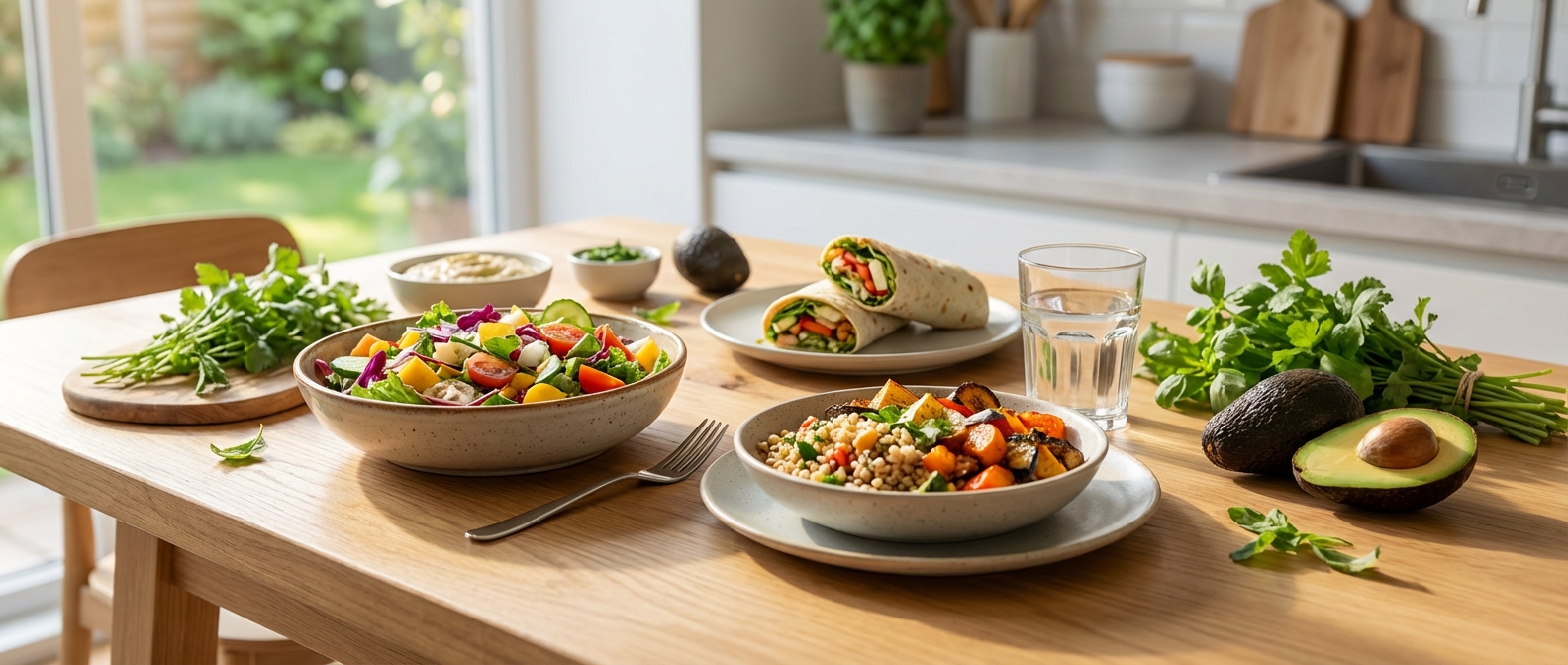
Opt for wholemeal or multigrain bread, pita, or wraps. Fill with a combination of lean deli meats (such as turkey or chicken), cheese, plenty of salad greens, and sliced tomatoes or capsicum. Add hummus or avocado for extra flavour and nutrition. Those catering to guests can prepare a “build-your-own” lunch bar for variety.
Salads with Sustenance
Hearty salads are versatile: combine leafy greens, grains (quinoa, brown rice, or barley), legumes (chickpeas, kidney beans), and roasted vegetables. Top with grilled fish or tofu, add seeds or nuts for crunch, and use extra-virgin olive oil dressing.
Leftover-Based Lunches
Repurposing last night’s dinner is one of the top easy lunch ideas for guests and families alike. Stir-fried vegetables, curries, or roast meats can be portioned out, paired with a salad or wholegrain bread, and are usually well-accepted even when dietary needs vary.
Quick-Prep Soups and Grain Bowls
Make and freeze large batches of vegetable soup or minestrone. For grain bowls, layer cooked quinoa or rice, shredded chicken or legumes, roasted veggies, and a simple vinaigrette.
When to Seek Professional Help for Lunch-Related Concerns
Most Australians can safely navigate lunch choices with general guidelines, but situations may arise where professional input is needed:
- Major, unexplained changes in appetite or dietary tolerance
- Symptoms of food allergies or intolerances (rash, swelling, vomiting, severe discomfort)
- Ongoing difficulties in preparing suitable lunches for medical diets (e.g., for coeliac disease, diabetes, or allergy-affected children)
- Frequent foodborne illness or digestive upsets after preparing or eating lunch
Promptly speak with a GP or dietitian if unsure; some situations may require formal nutrition assessment or screening for underlying conditions. For urgent food allergy or intolerance issues, the safest step is to contact emergency medical services.
| Situation | Potential Underlying Cause | Recommended Next Step |
|---|---|---|
| Persistent energy crashes after lunch | Unbalanced meals, blood sugar fluctuations, hydration gaps | Experiment with whole grains and protein; discuss with a GP if ongoing |
| Frequent digestive upsets | Food intolerance, undercooked foods, food safety issues | Review food hygiene and ingredient lists; see a healthcare professional if concerned |
| Repeat lunch menu boredom | Decision fatigue, lack of planning | Use weekly planning tools and rotate cuisines |
| Difficulty accommodating guest dietary needs | Lack of information on allergies/intolerances, unfamiliarity with substitutes | Encourage open dialogue, research alternate ingredients, or consult a dietitian if unsure |
FAQ
What are the healthiest lunch ideas for Australians?
The healthiest lunch ideas for Australians usually include a mix of whole grains, lean protein, a variety of vegetables, and healthy fats. Examples are wholemeal chicken and salad wrap, roasted veggie salad with chickpeas, or a grain bowl with tofu and greens.
How can I safely prepare lunch for guests with food allergies?
Check with your guests about all dietary restrictions and allergies in advance. Prepare food separately for allergy-affected guests, thoroughly clean utensils, and avoid cross-contamination. Labelling all dishes is wise at larger gatherings.
Is it risky to eat leftovers for lunch?
Leftovers are generally safe if they have been cooled quickly, stored in the fridge below 5°C, and consumed within 2–3 days. Always reheat until steaming hot. If in doubt about the freshness or if the appearance/smell is off, it’s safest to discard.
How do I prevent boredom with my lunch recipes?
Rotate different types of meals throughout the week (e.g., wraps, salads, hot dishes). Try new cuisines, experiment with seasonal ingredients, or involve the whole household in lunch planning to keep things fresh and interesting.
When should I seek medical advice about lunchtime symptoms?
Seek medical advice if you have severe digestive symptoms, any signs of food allergy (such as swelling or difficulty breathing), or consistent issues that don’t improve after modifying your lunch patterns. Your GP can assist with further assessment or referral.