

Your Essential Guide to Low Fat Foods in Australia
For Australians interested in maintaining or improving their health, understanding low fat foods can play a valuable role in heart health, weight management, and the prevention of some chronic conditions. This article is designed for the general Australian public, including health-conscious individuals, patients, families, and carers who want to make informed food choices. This information is educational only and does not substitute for medical advice from your healthcare provider. By the end, you’ll have a thorough understanding of what low fat foods are, how to choose them, potential risks, and when to seek professional guidance.
What Are Low Fat Foods?
Low fat foods are foods that contain reduced amounts of fat—particularly saturated and trans fats—compared to conventional options. In Australia, food labelling standards outline that a product is considered “low fat” if it contains 3 grams or less of fat per 100 grams (for solids), or 1.5 grams or less per 100mL (for liquids). You’ll often find these foods promoted on packaging as “99% fat free” or “reduced fat.”
Examples include certain dairy products, lean meats, fruits, vegetables, whole grains, and foods specifically formulated to lower fat content. These foods are not only part of many weight management plans, but may also be recommended in diets aiming to lower cholesterol, support heart health, or manage conditions such as diabetes.
It’s important to recognise that “low fat” does not always mean “healthy;” some processed products may contain added sugars or sodium to enhance flavour or texture, as highlighted in Australian healthy eating guidelines from the National Health and Medical Research Council.
Main Causes for Choosing Low Fat Foods
Australians opt for less fat food options for a variety of reasons, such as:
- Heart Health: Reducing intake of saturated and trans fats may lower the risk of high cholesterol and cardiovascular disease, as indicated by Heart Foundation Australia.
- Weight Management: Lower fat intake can help reduce calorie consumption, supporting healthier body weight in some cases.
- Managing Medical Conditions: Some conditions benefit from reduced fat intake, including gallbladder disease, chronic pancreatitis, or post-surgical recovery.
Cultural trends, personal taste preferences, and family history of chronic diseases can also motivate individuals to include more low fat foods in their diets.
Limitation: For some people—especially growing children, older adults, or those with specific health requirements—ultra-low fat diets may not be suitable or necessary. Before making major changes, it’s wise to consult a qualified dietitian or healthcare professional.
Low Fat Foods: Types, Choices & Everyday Examples
Common Low Fat Food Groups
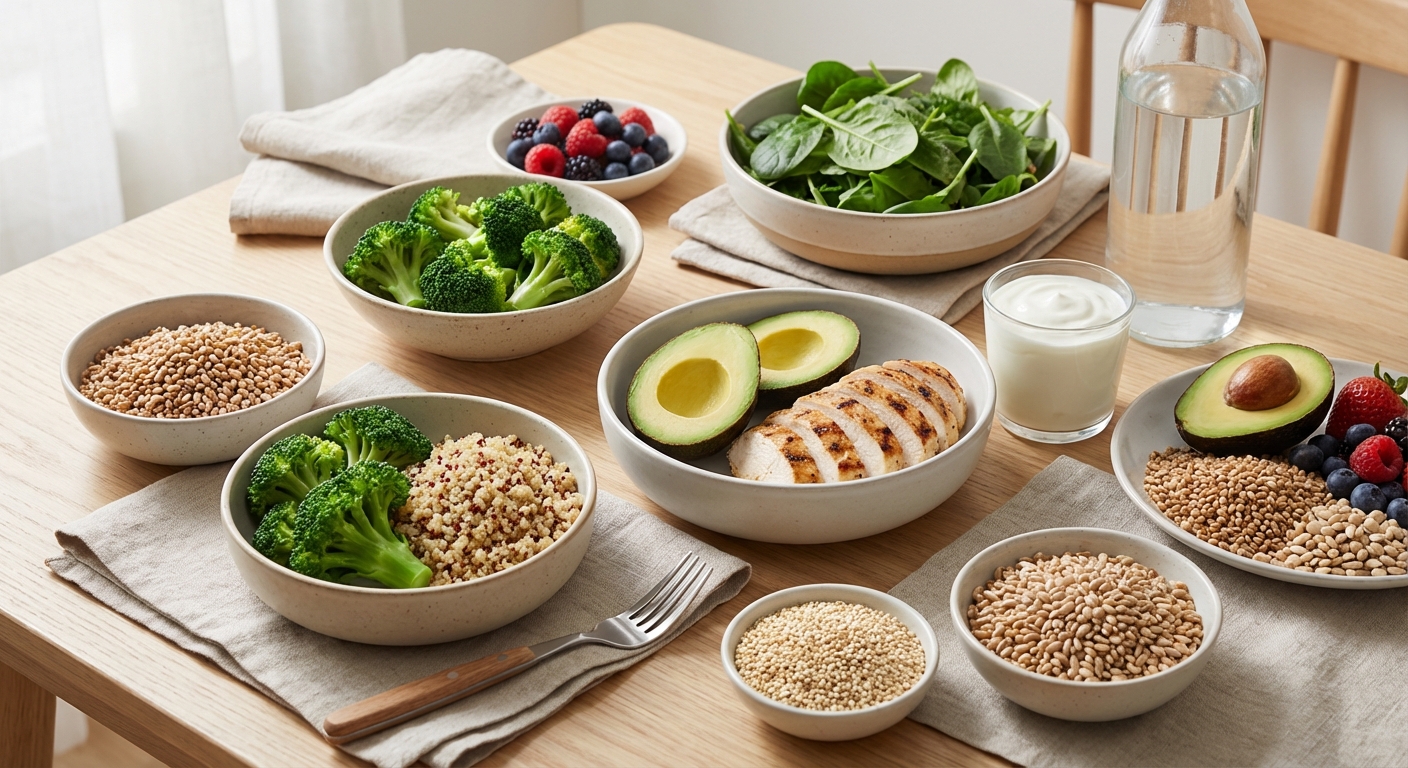
Unprocessed low fat foods often form the backbone of a balanced, nutrient-rich diet. These include:
- Vegetables and legumes: Most are naturally low in fat, packed with vitamins and fibre.
- Fruits: Apples, berries, melons, and citrus are low in fat while providing natural sugars.
- Whole grains: Oats, barley, brown rice, and grain products labelled as low fat.
- Dairy and alternatives: Skim milk, low fat yoghurt, low fat cheese (check sodium content).
- Lean meats and poultry: Skinless chicken, turkey, lean beef cuts, and fish (especially white fish).
- Egg whites: These provide protein without dietary fat or cholesterol found in yolks.
Australian Examples of Low Fat Foods
Supermarkets in Australia stock a wide range of less fat food choices, both fresh and packaged. Examples include:
- Fresh produce (tomatoes, carrots, lettuce, apples)
- Low fat ricotta or cottage cheese
- 99% fat free Greek yoghurt
- Canned tuna in spring water
- Whole grain bread labelled “light” or “low fat”
- Unsweetened cereals with high fibre
Pro Tip: Always check the nutrition information panel for both fat content and added sugars or sodium—some “fat free” versions have compensating ingredients, impacting overall health value.
Health Benefits Linked to Low Fat Foods
Consuming more low fat foods may offer several potential health benefits for many Australians. These include:
- Reduced Cholesterol: Choosing foods with less saturated fat and more fibre can help manage blood cholesterol for many adults.
- Weight Control: Opting for less fat food can, in some cases, reduce calorie intake and assist with managing healthy body weight, particularly when combined with an active lifestyle.
- Digestive Health: High intake of whole, plant-based low fat foods can improve digestive function due to increased fibre.
Evidence from the Cancer Council Australia suggests that certain dietary patterns, including diets richer in fruits, vegetables, and lower in saturated fat, may help reduce the risk of some cancers.
Uncertainty: Individuals’ responses to lower-fat diets can differ. Genetics, existing health conditions, and overall dietary patterns strongly influence outcomes. Not all types of dietary fat are harmful—unsaturated fats from nuts, seeds, avocado, and fish provide essential nutrients and may support heart health.
Potential Risks and Misunderstandings About Low Fat Foods
While low fat foods can support healthy living, there are some common misinterpretations and risks to be aware of:
Hidden Ingredients and “Health Halos”
Products labelled as “low fat” or “fat free” may contain higher levels of added sugar or salt to maintain flavour and texture. Relying on these foods without checking the full nutritional profile can inadvertently lead to undesirable effects such as increased energy intake or elevated blood pressure.
Nutrient Shortfalls
Fat is essential for absorbing fat-soluble vitamins (A, D, E, and K) and for hormone health. Diets that are excessively low in healthy fats can lead to deficiencies or impaired nutritional status—especially in children, older adults, and pregnant women.
When to Seek Medical Guidance: If you experience unexpected weight changes, fatigue, digestive discomfort, or any new symptoms after switching to a low fat diet, consult a general practitioner or accredited practising dietitian. Rapid or strict dietary shifts may not be suitable for everyone.
Lifestyle Impact: Who Benefits from a Low Fat Diet?
Possible Candidates for Low Fat Choices
Not everyone needs to restrict fat, but some groups may benefit from emphasising low fat foods:
- People with high cholesterol or a family history of heart disease
- Those with conditions such as gallbladder disease or chronic pancreatitis
- Individuals seeking to reduce total calorie intake for weight control
- Australian adults following clinical advice to manage diabetes or metabolic health
Limitations of Low Fat Approaches
Some Australians—such as young children, athletes, or people with elevated energy needs—may require more dietary fat for optimal growth or performance. For others, focusing excessively on “less fat food” may risk depriving the body of essential fatty acids or lead to a disordered relationship with eating.
There is no “one size fits all” approach—personal preferences, cultural backgrounds, and individual health goals must all be considered.
Prevention and Safe Adoption: A Practical Checklist
To safely incorporate more low fat foods into your lifestyle, consider the following:
- Read nutrition panels for total fat, saturated fat, added sugars, and sodium.
- Prioritise whole, minimally processed foods like vegetables, fruits, legumes, and whole grains.
- Choose dairy marked as “low fat” or “skim” and look for lean cuts of meat.
- Use healthy fats in moderation, such as olive oil, avocado, or nuts, instead of eliminating them completely.
- Avoid making sudden, drastic changes without professional input, particularly if you have existing medical conditions.
| Healthy Habit | Why It Matters | Australian Consideration |
|---|---|---|
| Reading food labels | Identifies hidden fats and sugars | Required by Australian standards—check per 100g values |
| Variety of food choices | Supports balanced nutrition | Follow Australian Dietary Guidelines |
| Seeking professional guidance | Personalises recommendations | Access care via GPs and accredited dietitians |
Cost and Access: Australian Context
Many low fat staples—such as fresh produce, whole grains, and legumes—are accessible at most Australian supermarkets and local markets. Branded “low fat” packaged products are also widely available, but prices may vary, sometimes making them more expensive than standard versions.
Some PDS (Prescribed Diet Support) programs and community health initiatives, such as those offered by the Australian Government Department of Health, support affordable access to healthy eating resources across different regions. Food security can be a challenge for remote or marginalised communities, and cost is one factor to consider in choosing between branded products and fresh, naturally low fat options.
If budget is a concern, focus on basic, minimally processed foods—tinned beans, lentils, frozen vegetables, and seasonal fruits are excellent low fat choices that are generally affordable.
Professional Guidance: When to Seek Help
While low fat foods may suit many Australians aiming for healthier eating patterns, it is important to consult a health professional when:
- You are managing a chronic health condition or have been advised to adjust your diet
- You experience negative changes such as unusual fatigue, unintentional weight loss, or new digestive symptoms
- There is concern about potential nutrient shortfalls or suitability for your specific age or life stage
Accredited practising dietitians and general practitioners in Australia can provide tailored, evidence-based advice. For specialised needs, referrals to nutrition clinics or community health programs may be recommended.
Remember, information in this guide is general in nature and not a replacement for professional assessment or medical intervention.
Low Fat Foods vs. Other Dietary Approaches: A Comparison
| Dietary Approach | Main Focus | Potential Benefits | Common Limitations |
|---|---|---|---|
| Low Fat Diet | Reduced total and saturated fat; higher in plant-based foods | Weight management, heart health, may lower cholesterol | Risk of nutrient gaps if not balanced; hidden sugars in processed options |
| Mediterranean Diet | Emphasis on healthy fats (olive oil, nuts), whole foods, fish | Heart and brain health, anti-inflammatory | More challenging for strict low fat needs; sometimes higher calorie |
| Low Carb Diet | Restriction of carbs, sometimes higher protein/fat intake | May support weight loss, blood sugar control | Not suitable for everyone; risk of higher unhealthy fat intake |
FAQ
Are all low fat foods healthy?
No, not all low fat foods are automatically healthy. Some processed foods marked as “low fat” may contain added sugars, salt, or artificial ingredients. Choosing whole foods—fruits, vegetables, whole grains, and lean proteins—is usually a more nutritious option.
What is the safe way to switch to a low fat diet?
The safest way is to gradually increase unprocessed, naturally low fat foods while monitoring your overall nutrient intake. Avoid eliminating all fats, and consult a healthcare professional before making significant dietary changes—especially if you have existing health concerns.
Who should not follow a strict low fat diet?
Strictly low fat diets are generally not recommended for young children, pregnant or breastfeeding women, older adults, or athletes without professional advice. These groups require adequate fat for growth, energy, and nutrient absorption.
What are some common symptoms of nutrient shortfall from very low fat diets?
Symptoms can include fatigue, dry skin, hair loss, poor concentration, and impaired wound healing. If you notice these changes after switching to a very low fat diet, seek advice from a healthcare professional.
Is “low fat” the same as “fat free”?
No, “low fat” usually means reduced fat but not zero fat. “Fat free” products typically contain less than 0.15g fat per 100g (per Australian food regulations), but may still contain other ingredients not suitable for all diets.