

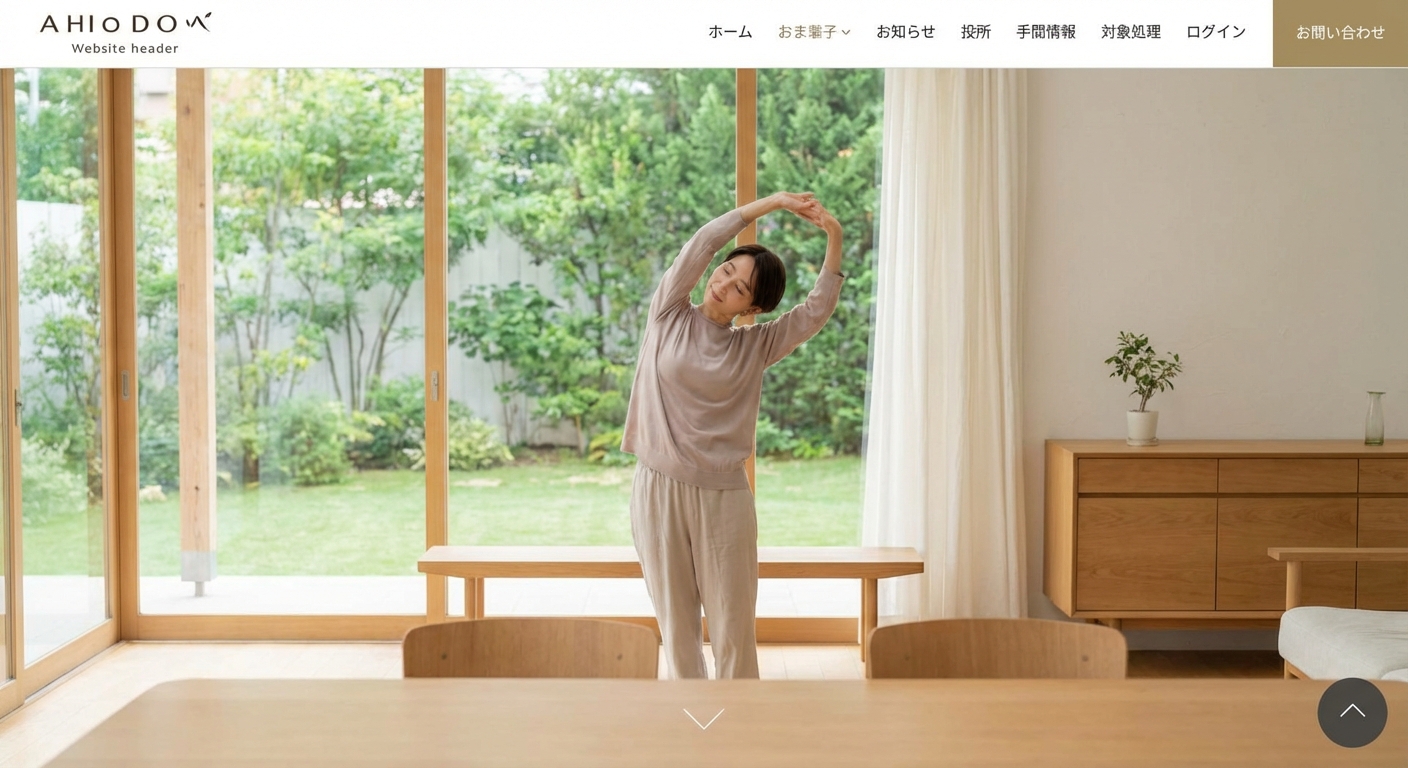
Feeling tense or struggling to switch off? If you’re wondering “how can I relax my body”, this article is designed for Australians seeking practical, trustworthy advice on physical relaxation and stress management. Whether you’re health-conscious, facing day-to-day stress, or supporting someone needing guidance, you’ll discover the reasons behind bodily tension, common signs, safe management strategies, and prevention tips. Please remember that this resource is for information only and does not replace personalised advice from a qualified healthcare professional. By the end, you’ll be well-equipped to understand, identify, and address bodily tension in a practical, Australian context.
Understanding Body Tension and Relaxation: An Australian Perspective
It’s common to feel physical tension or stress in today’s fast-paced world. Occasional tension is a normal reaction to life’s pressures, but when muscle tightness, restlessness, or persistent discomfort lingers, it can impact daily living and overall well-being. Learning how can I relax my body is a vital step in maintaining good health. This guide covers causes, symptoms, risks, preventative strategies, and accessible Australian support options for those seeking to r e l a x safely and effectively.
What Does It Mean to Physically Relax Your Body?
Physical relaxation means allowing your body’s muscles, nerves, and systems to shift from a state of alertness or tension into a calm, rested state. In Australia, factors such as busy work schedules, family commitments, and urban lifestyles can contribute to ongoing physical stress.
- Muscle relaxation: The gradual release of tightness, knots, or stiffness in muscle groups.
- Nervous system settling: The autonomic nervous system transitions from “fight or flight” mode to a “rest and digest” state.
- Mental calmness: Although primarily physical, relaxation often goes hand-in-hand with a quieter, more focused mind.
The process usually combines breathing adjustments, gentle movement, and a focus on present-moment awareness. Long-term benefits include improved sleep quality, reduced tension headaches, and a lowered risk of lifestyle-related health problems, as recognised by Australian health authorities such as healthdirect.
Common Causes of Body Tension in Australians
Tension in the body can have a range of triggers. Recognising these can help you select the most appropriate prevention or relaxation approach.
Modern Lifestyle Pressures
Working long hours, juggling family or study, and adapting to unpredictable routines can put physical strain on the body. Prolonged sitting or standing, and frequent use of screens or devices, are also leading contributors reported by the Australian Department of Health and Aged Care. These patterns can increase muscle tightness (especially in the neck, shoulders, and back) and disrupt the body’s natural relaxation responses.
Unmanaged Stress and Emotional Triggers
Stress and emotional distress often manifest in the body. Worry, anxiety, and emotional strain can lead to subconscious muscle tightening, shallow breathing, and difficulty letting go of physical tension. Major life changes, such as moving or loss, and even positive milestones, can contribute to increased bodily stress.
Medical and Lifestyle Factors
Physical conditions such as chronic pain, fibromyalgia, sleep disorders, or certain medications may also cause or worsen tension. Stimulant use (such as caffeine or nicotine), dehydration, high sugar intake, or lack of physical activity are additional contributing factors. If you notice persistent or unexplained tension, consult a doctor or allied health professional for individual assessment.
Symptoms and Warning Signs of Excess Tension
How do you know if your body needs relaxation? Symptoms often appear subtly, then become more noticeable if not managed proactively. Monitoring your body’s signals can help you address issues before they escalate.
| Symptom | Possible Indication | When to Seek Help |
|---|---|---|
| Muscle tightness or aches | Physical tension, stress-related muscle strain | If persistent, severe, or limiting daily activity |
| Headaches or jaw clenching | Stress, bruxism (teeth grinding), dehydration | If recurring, worsening, or impacting quality of life |
| Irritability/restlessness | Unmanaged emotional tension, sleep issues | If lasting more than two weeks or interfering with functioning |
| Poor sleep or fatigue | Physical discomfort, stress, underlying condition | If ongoing despite lifestyle adjustments |
| Digestive upset | Sympathetic nervous system overactivity | If symptoms persist or worsen unexpectedly |
Other warning signs include shallow breathing, increased heart rate, or being easily startled. If symptoms escalate, are accompanied by chest pain, fainting, or confusion, seek urgent medical care via Healthdirect Australia or emergency services.
How Can I Relax My Body? Safe, Evidence-Based Techniques for Australians
There are several proven ways to help your body relax, reduce muscle tension, and encourage restorative calm. These approaches are generally safe for most adults; however, always check with a healthcare provider if you have pre-existing conditions or new, severe symptoms.
1. Breathing Exercises and Mindful Breathing
Breathing methods help slow the heart rate, lower cortisol (the stress hormone), and activate the body’s natural relaxation response. Try box breathing or deep diaphragmatic (belly) breathing:
- Inhale slowly through your nose for 4 seconds.
- Hold your breath for 4 seconds.
- Exhale slowly through your mouth for 4 seconds.
- Repeat for 1–2 minutes, focusing on the breath’s sensation.
Regular practice supports circulation, eases muscle tension, and can be used anywhere—at home, work, or while commuting.
2. Progressive Muscle Relaxation (PMR)
PMR involves tensing and relaxing each muscle group in sequence, starting from your feet and moving upward. This exercise increases awareness of tension and teaches your body to relax on command. For guided sessions, many Australian health organisations (like Beyond Blue) provide free audio recordings.
3. Physical Activity and Stretching Routines
Gentle stretching, yoga, tai chi, or low-impact aerobic activity increases blood flow and prevents muscles from remaining rigid. Aim for 10–20 minutes daily—this may help alleviate back, neck, or leg stiffness, especially in sedentary jobs or during long study periods.
| Technique | How It Helps | Pro Tip |
|---|---|---|
| Mindful Breathing | Reduces heart rate and “alert” signals | Practice before sleep for a deeper rest |
| PMR | Targets muscle groups for in-depth release | Use a guided audio for consistency |
| Stretching/Yoga | Improves joint mobility and eases stiffness | Start with gentle, slow movements to avoid strain |
| Sensory Relaxation | Soothes nerves by engaging the senses | Use calming scents or sounds to enhance effect |
4. Sensory Relaxation Techniques
Simple activities such as listening to calming music, gentle massage, warm showers, or aromatherapy may help condition your mind and body to slow down. Australian studies suggest these methods are especially useful for those with sensory processing difficulties, such as people experiencing anxiety or post-traumatic stress.
5. Lifestyle Habits That Support Long-Term Relaxation
Good sleep hygiene, staying hydrated, balanced nutrition, regular movement, and boundaries around work and screen time all contribute to baseline relaxation. Avoiding overstimulation—such as late-night caffeine, blue light exposure, and constant notifications—makes it easier for your body to settle.
Preventing Body Tension: Checklist for Australians
Prevention can be easier and more effective than managing severe or chronic tension. Here’s a practical checklist to help you maintain everyday relaxation and bodily comfort:
- Set regular breaks from screens and repetitive tasks during the day
- Schedule “unwinding” time after work or study—reading, listening to music, gentle stretching
- Monitor caffeine, alcohol, and stimulant intake—limit near bedtime
- Try a mindfulness or guided relaxation app recommended by Australian experts (such as Black Dog Institute)
- Engage in regular outdoor activity—even a 10-minute walk daily supports the body’s natural rhythm
- Maintain connection with friends, family, or support networks
- If tension remains unresolved, seek input from a GP, physiotherapist, or psychologist
Create a “relaxation ritual” at the same time each day—evening stretching, a warm bath, or five quiet minutes in the garden. This signals to your body it’s safe to unwind and supports healthy sleep patterns, as highlighted by Australian sleep specialists.
Risks, Limitations & When to Seek Medical Help
While most tension is temporary, ignoring chronic stress or physical discomfort may have health consequences. Risks include ongoing pain, sleep disruption, increased blood pressure, or developing anxiety disorders. Some individuals are at higher risk for persistent tension, including those with chronic illness, shift workers, carers, and people with significant life changes.
- Limitations: At-home techniques help most mild cases but may not address underlying conditions (e.g. musculoskeletal disorders or untreated mental health issues).
- Risks: Overuse of stretching or intense activity may cause injury. Unsuitable supplements, self-massage tools, or alternative remedies could interact with existing medications. Avoid unproven or extreme “detox” routines.
Always seek medical advice if:
- You experience severe, persistent, or unexplained pain
- There is limb weakness, numbness, chest pain, or shortness of breath
- Tension is linked to sudden mood changes, panic attacks, or overwhelming distress
- Relaxation methods do not help or worsen your symptoms
Australian healthcare providers and registered allied health professionals can offer individual assessment and recommend evidence-based management, in line with standards from the Royal Australian College of General Practitioners.
Australian Access, Cost and Support Pathways
Many Australians can access relaxation and stress management support through:
- Medicare-funded GP visits: For persistent or ongoing symptoms, a GP can refer you to allied health or psychology services if needed.
- Allied health professionals: Physiotherapists, psychologists, and occupational therapists often provide tailored relaxation, pain management or stress reduction programs.
- Community programs: Local councils and community centres may offer low-cost yoga, tai chi, or mindfulness classes.
- Employee Assistance Programs (EAP): Many workplaces in Australia provide confidential support for managing stress and physical tension.
Waiting times and out-of-pocket costs may apply, particularly for specialised services. Checking with your GP or local Primary Health Network will help clarify current options in your area.
FAQ
- What are quick ways I can relax my body at work or in public?
- Quick strategies include mindful breathing, shoulder rolls, or a short walk. Focus on your senses—listening to calming music or applying gentle pressure to tense areas can also help. Aim for simple activities you can do discreetly and safely.
- Is it normal for my body to feel tense even when I’m not stressed?
- Yes, physical tension may occur without obvious emotional stress. Habitual posture, unconsciously clenching muscles, dehydration, or medical conditions can contribute. If it becomes persistent or uncomfortable, discuss with your doctor for tailored guidance.
- Are relaxation supplements or herbal remedies safe?
- Many over-the-counter relaxation aids have limited scientific backing and may interact with medications or cause side effects. Always check with a pharmacist or your GP before starting any new supplement.
- When should I see a doctor about body tension?
- If tension persists despite self-care, disrupts your daily life, or is accompanied by new symptoms (like weakness, chest pain, or emotional distress), contact your doctor for a personalised assessment.
- Can children or older adults use these relaxation techniques?
- Most gentle methods, such as mindful breathing or light stretching, are safe for children and older adults when tailored to their needs. Check with a health professional for age-appropriate modifications or restrictions.