

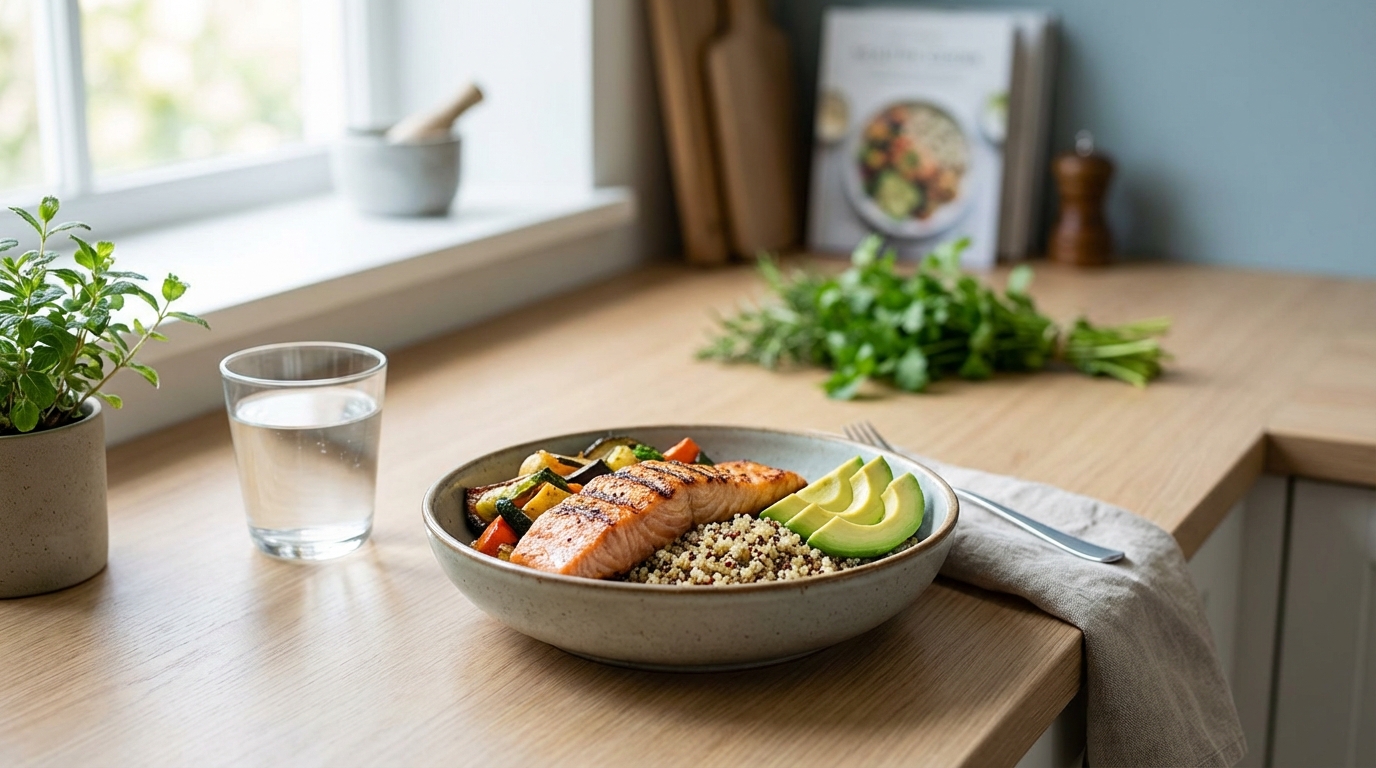
Looking for healthy recipes for 1 that fit into your lifestyle? This comprehensive guide is designed for Australians who want nutritious meals for one, whether you’re single, living in a busy household, or working irregular hours. The content is intended for informational and educational purposes only and isn’t a substitute for personalised medical or dietary advice. By the end, you’ll understand the benefits, challenges, and practical strategies for preparing clean eating dishes and healthy dinner ideas for one, including safety tips and Australian context.
Evidence-Based Guide: Healthy Supper Ideas and Nutritious Meals for One
Understanding the Need for Healthy Meals for One Person
Many Australians increasingly cook and eat alone—whether due to family circumstances, shift work, or lifestyle choices. This shift can present both opportunities and challenges in maintaining healthy eating patterns. Healthy recipes for 1, or recipes specifically tailored for one person, allow you to focus on nutrition, portion control, and food variety without the food waste often linked to bulk cooking.
Adopting clean eating dishes and nutritious meals for one can help address key health concerns such as reducing sodium, unhealthy fats, and added sugars. However, common barriers include lack of time, food insecurity, and difficulty finding recipes that fit single servings. According to resources from Eat for Health and Healthdirect, simple shifts—such as focusing on whole foods, planning ahead, and learning quick preparation methods—provide significant benefits for individuals eating alone.
While solo cooking might seem less motivating, it actually offers flexibility: you can experiment with healthy dinner recipes for 1, cater to your tastes, and prevent over-eating. Remember, however, that single living and eating alone may also increase the risk of skipping meals or making less nutritious choices.
Major Causes and Contributors to Unhealthy Solo Eating Habits
Several factors can impede healthy meal planning for one. Key causes include limited time, restricted cooking skills, lower motivation, and access to fresh produce—particularly in remote or regional Australian communities. Budget limitations also play a role, making affordable healthy dinner ideas for one crucial.
Other contributors include workplace environments, frequent night shifts, and the mental health impacts of living or eating alone. Studies from Nutrition Australia highlight that distractions such as television or devices during meals are also linked to increased snacking and lower diet quality when eating alone.
It’s important to recognise these factors early. Encouraging social connection through shared meal prep (even virtually), meal planning, and batch cooking can help mitigate their impact.
| Contributing Factor | Impact on Eating Habits | Preventative Strategy |
|---|---|---|
| Lack of time | Leads to quick, less nutritious choices | Plan quick healthy meals for 1 ahead |
| Low motivation | Increases meal skipping | Prep easy healthy dinner recipes for one |
| Limited food access | Reduces healthy options | Shop for pantry staples, frozen veg |
| Mental health factors | Triggers emotional eating or poor choices | Engage support, try mindful eating |
Risks and Concerns: Health Implications of Poor Nutrition When Eating Alone
For Australians eating alone, unhealthy dietary patterns can elevate the risk of nutrient deficiencies, weight gain, and chronic health conditions such as diabetes or heart disease. Skipping healthy supper ideas for one may also impact energy, concentration, and emotional wellbeing.
Some concerns unique to cooking for one include portion control challenges, food wastage, and over-reliance on pre-packaged or ultra-processed convenience meals. These foods are often high in added sugars, sodium, and unhealthy fats, which can undermine goals for healthy dinner recipes for one.
- People managing chronic conditions, such as hypertension or high cholesterol, should be especially cautious of their salt and fat intake upon transitioning to easy healthy dinner ideas for one.
- Home safety risks may arise if cooking skills are low or if kitchen layouts aren’t adapted for one-person use.
- For older adults or those with certain disabilities, nutritional adequacy becomes a bigger concern as appetite and metabolism change with age.
Always consult a health professional or Accredited Practising Dietitian if you notice symptoms such as unexplained weight loss, fatigue, persistent digestive issues, or if you’re uncertain about your specific nutrition needs. The Australian Dietary Guidelines provide frameworks for nutrient-rich eating at every age.
Warning Signs: When Solo Eating Habits May Affect Your Health
Recognising early signs that your eating habits may need adjustment is key. Some indicators that you may not be meeting your nutritional needs include:
- Persistent low energy or fatigue, even after adequate sleep
- Regularly skipping breakfast, lunch, or dinner without intention
- Frequent reliance on takeaways or ready meals in place of healthy dinner for 1
- Noticeable changes in mood or concentration
- Sudden changes in weight (gain or loss) that aren’t linked to increased activity
Occasional convenience meals are normal, but if you experience ongoing symptoms such as digestive discomfort, ongoing mood changes, or find yourself unable to prepare or enjoy meals, it could be worth contacting your GP or a dietitian. These professionals can help identify underlying causes and offer tailored support.
| Warning Sign | Possible Related Condition | Best Next Step |
|---|---|---|
| Fatigue, low energy | Nutrient deficiency, iron levels | See GP for assessment |
| Unplanned weight change | Metabolic/thyroid issue, diet imbalance | Consult Accredited Practising Dietitian |
| Digestive issues | Food intolerance, gut health concerns | Keep food diary, discuss with doctor |
Prevention and Safe Strategies: Building Healthy Eating Habits for One
Prevention means taking proactive steps to ensure your meals consistently meet your nutritional needs, no matter your circumstances. The heart of healthy eating recipes for one is balance—combining lean proteins, whole grains, fruits, vegetables, and healthy fats in the right proportions.
Establishing an easy-to-use routine can help: try batch prepping grains or proteins at the start of the week and mixing and matching with quick-cooking veg through the week. Freezer-friendly healthy dinner recipes for 1 mean less wastage and quicker solutions on busy nights.
Stocking a flexible pantry with staples—such as tinned legumes, brown rice, and frozen berries—means you can pull together nutritious meals for one with little notice. Consider meal planning apps or online recipe finders tailored to Australian products.
Health and Prevention Checklist
- Plan at least three easy healthy dinner recipes for one weekly
- Shop with a list based on healthy dinner ideas for 1
- Prepare portions in reusable containers to discourage over-eating
- Keep staples (legumes, tinned fish, oats) in your pantry
- Stay mindful of cooking temperatures to minimise home safety risks
- Share meal prep ideas with a friend or support group for motivation
Clean Eating Dishes: Practical Healthy Recipes for One Person
Clean eating isn’t about strict rules but focusing on minimally processed foods, fresh produce, and simple cooking techniques. Meals can be quick, affordable, and nutritious. Here are some balanced examples to inspire your next healthy supper idea for one:
- Grilled Salmon & Veg: Top a fillet of Australian salmon with a squeeze of lemon and fresh dill, roast pumpkin and broccolini, and serve with a handful of baby spinach or grains.
- Chickpea Veggie Stir-Fry: Sauté mixed vegetables and tinned chickpeas with a splash of tamari. Serve over microwave brown rice for a fibre-rich, plant-based option.
- Eggplant & Tomato Stack: Layer grilled eggplant and tomato with herbed ricotta cheese and bake until warm. Pair with a slice of toast or grainy bread.
- Stirred Oats with Fruit: For an easy meal at any time, mix rolled oats with milk, cinnamon, and chopped fruit; cook and top with nuts or seeds.
These easy healthy dinner ideas for one use widely available Australian ingredients and minimise preparation time and clean-up.
Example Meal Plan: Healthy Easy Dinner Recipes for 1 Week
A sensible approach to healthy meals for one is diversity. Here’s a sample dinner meal plan, highlighting healthy dinner recipes for 1 and swap options to keep things interesting:
| Day | Healthy Dinner Recipe for 1 | Swap Suggestion |
|---|---|---|
| Monday | Quinoa & Veggie Bowl | Lentil soup & wholegrain toast |
| Tuesday | Stovetop Stir Fry (beef or tofu) | Teriyaki salmon & brown rice |
| Wednesday | Chicken & Spinach Burrito | Veggie frittata |
| Thursday | Fish Tacos with Slaw | Sweet potato stuffed with beans |
| Friday | Egg Fried Rice (using leftovers) | Pasta primavera |
| Saturday | Stuffed Capsicum | Chickpea salad bowl |
| Sunday | Baked Pumpkin Risotto | Oven-roasted veggies & lean meat |
These healthy dinner meals for one can be adjusted for dietary needs—substitute gluten-free grains or plant-based proteins as required. For further nutritional tips tailored to Australians, review information by Food Standards Australia New Zealand.
Pro Tip: Making Quick, Healthy Meals for 1 Satisfying and Sustainable
Pro Tip: Batch-prep versatile ingredients—think rice, chopped veggies, or oven-baked chicken—at the start of the week. Portion out into single-serve containers so you can assemble easy healthy dinner recipes for one in minutes, reducing food waste and decision fatigue!
If meals are becoming repetitive, try new herbs and spices, or explore different cooking methods (steam, stir-fry, or grill). Remember, enjoying your meals is just as important as their nutritional content.
Prevention Resources & When to Seek Expert Advice
Adopting healthy eating recipes for one can prevent a host of nutrition-related challenges and support long-term wellbeing. Yet, some Australians may need additional support due to medical conditions, allergies, or changing nutritional needs with age.
If you’re unsure whether your meals are truly balanced, or you’re experiencing ongoing symptoms (like fatigue, unexplained weight changes, or food intolerances), it’s wise to check in with an Accredited Practising Dietitian or your GP. Reliable online health information is available via Healthdirect’s healthy eating section.
Keep in mind that nutrition science is ever-evolving. Seek evidence-based sources, and avoid quick fixes or restrictive diets unless medically indicated.
FAQ
- What makes a meal “healthy” when cooking for one?
- A healthy meal balances lean protein, whole grains, vegetables, and healthy fats. Aim for minimal processing, portion control, and a variety of textures, colours, and nutrients in each dish.
- How can I avoid food waste when preparing healthy recipes for 1?
- Buy versatile ingredients in smaller amounts, freeze portions, or use leftovers in creative dishes like stir-fries or soups. Pre-planning meals for the week reduces the risk of spoilage and waste.
- Are meal kits or pre-prepared options a healthy choice for one person?
- Many meal kits offer convenient portion sizes for individuals, but check labels for added sodium, sugar, and saturated fat. Where possible, supplement with extra veggies or whole grains for a nutritional boost.
- What’s the best way to meal prep quick healthy meals for 1?
- Cook staple ingredients such as rice, pasta, or roast veggies at once, then mix and match with proteins and sauces throughout the week for variety and speed.
- When should I seek help for ongoing nutrition concerns or symptoms?
- If you have persistent symptoms—fatigue, weight change, or digestive troubles—despite healthy eating efforts, speak with your GP or an Accredited Practising Dietitian for individual support.