

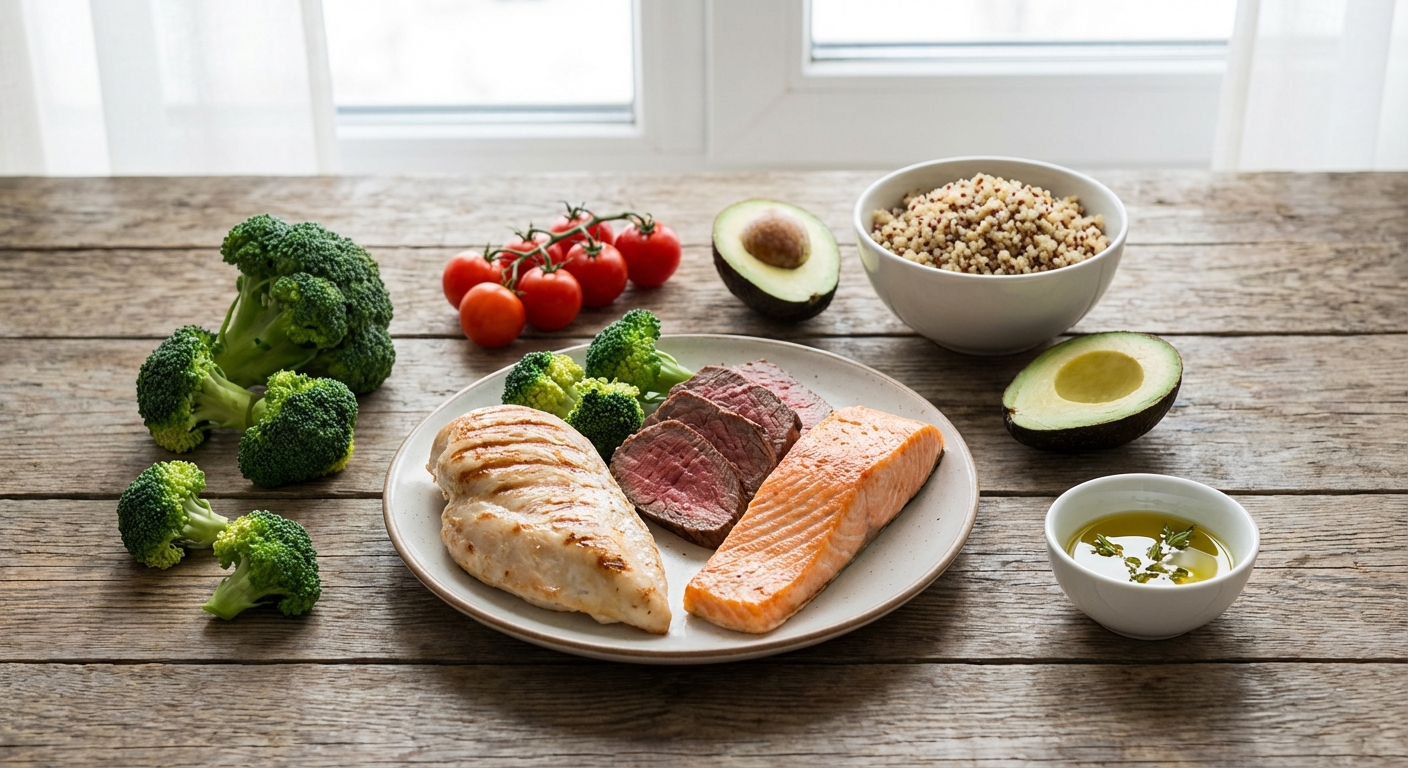
Choosing the healthiest meat for you can feel complicated with so much conflicting information available. This article is designed for Australians seeking to make informed, balanced decisions about meat in their diets—whether you are health-conscious, supporting loved ones, or just curious. For those aiming to reduce disease risk while enjoying practical, everyday nutrition, this guide delivers trusted, evidence-based insights. Please remember: the advice here is for informational purposes only. It is not a replacement for personalised medical guidance. By reading on, you’ll understand which meats might be most healthy, how to balance benefits and risks, and how to confidently select meats that are good for you, with Australian context in mind.
Understanding the Healthiest Meat Choices for Australians
What Does “Healthiest Meat” Really Mean?
The term “healthiest meat for you” involves more than just which cut has the fewest calories or fat. Health experts—such as those at Eat for Health Australia and the Heart Foundation—consider several factors: nutrient density, saturated fat content, preservatives, preparation, and how often it’s consumed. Meats differ in their protein, vitamins (like B12), iron, zinc, omega-3s, and salt content. The healthiest meat options typically have lower saturated fats, fewer additives, and supply essential nutrients without raising long-term health risks such as heart disease, cancer, or kidney strain.
Importantly, “healthiness” changes depending on your age, health status, and personal dietary needs. For some, lean red meat may be a valuable source of iron and B12, while others should limit certain types because of medical conditions or lifestyle factors. This guide will explore how these elements come together so you can make choices closely suited to your situation and health goals.
Top Healthy Meats and Their Nutritional Benefits
Not all proteins are created equal. Here, we break down which meats—based on current Australian guidance and research—offer the most advantages for various groups. This overview also highlights unprocessed versus processed meats, relevant to both everyday Australians and those keen on disease prevention.
Poultry: Chicken and Turkey
Both chicken and turkey are considered among the most healthy meats, especially when skinless and prepared without frying. These options tend to be lower in saturated fat compared to red meats, but still rich in protein, B vitamins, iron, and zinc. Skinless breast meat contains less fat overall and can be adapted into a range of recipes. The Australian Dietary Guidelines recommend poultry as a regular protein, provided you avoid deep frying or using heavy creams and oils.
Limitation: Some packaged poultry can include sodium-based marinades or additives, which are best checked on the nutrition label. As with all meats, thorough cooking and safe food handling help reduce risk of food-borne illness.
Fish and Seafood (Including Oily Fish)
Oily fish like salmon, sardines, mackerel, and trout are acclaimed for their heart-protective omega-3 fatty acids. White fish (such as snapper or barramundi) are also lean and low in saturated fat. The Australian health authorities recommend 2–3 serves of fish per week, especially oily fish, to support heart and brain health. Shellfish such as prawns or oysters offer zinc, iodine, and vitamin B12 with usually lower calories.
Limitation: Watch for mercury content in large predatory fish (like shark or swordfish), especially for pregnant women or young children. Some preparation methods can add hidden salts or fats.
Lean Red Meat: Beef, Lamb, Kangaroo
Red meat provides excellent sources of iron, zinc, vitamin B12, and top-quality protein, which is particularly important for women of reproductive age and growing adolescents. Lean cuts—like eye fillet, rump, or extra-lean mince—supply these nutrients with less saturated fat (ideally trimmed to under 10% fat). Kangaroo, a uniquely Australian choice, offers a high protein, low-fat option that’s also sustainable.
Limitation: Higher consumption of red meat (especially processed types) can raise risk for heart disease and bowel cancer. The Cancer Council Australia suggests limiting intake of unprocessed red meat to 350g cooked per week for adults.
Plant-Based and Alternative Meats
While not strictly animal products, plant-based meat alternatives now feature in many Australian diets. These can offer high protein and fibre without the saturated fat of some animal meats. However, many products are highly processed, with added salt or artificial ingredients. Traditional protein sources—like tofu, tempeh, and legumes—are less processed and provide both nutritional and environmental benefits.
Limitation: Some meat analogues may lack essential nutrients commonly found in animal foods (like vitamin B12 or heme iron). Always check nutrition panels, and where possible, choose options fortified with B12 and iron.
| Meat Type | Main Nutritional Benefits | Potential Risks / Considerations | Recommended Frequency |
|---|---|---|---|
| Chicken (skinless, grilled/roasted) | High protein, low sat fat, B vitamins | Check for sodium in marinades | Often |
| Oily Fish (e.g., salmon, sardines) | Omega-3s, protein, vitamin D | Mercury in large species | 2–3 times/week |
| Lean Beef/Lamb, Kangaroo | Iron, zinc, vitamin B12 | Limit to 350g/week | Weekly (max 3 times) |
| Pork (lean cuts) | Protein, thiamine, B vitamins | Proccessed/preserved types = risk | Less frequent |
| Plant-based (tofu, legumes) | Fibre, protein, low saturated fat | Some lack B12/iron unless fortified | The more the better |
Symptoms & Warning Signs: When Meat Choices May Not Be “Healthy”
The healthiest meat for you should not cause unwanted symptoms or health issues. In Australia, some people experience digestive problems, food intolerances, or renewed health issues if high-fat or processed meats are consumed regularly. Watch for the following symptoms, especially if you’ve recently changed your diet or added new types of meat:
- Indigestion, bloating, or discomfort after eating
- Unexplained fatigue (potential sign of iron overload or under-absorption)
- Elevated cholesterol levels on recent blood tests
- Allergic reactions (rare but possible, commonly to seafood or preservatives)
- Sudden, persistent changes in bowel habits
Limitation: These symptoms rarely relate to meat alone and may reflect other underlying causes. See a GP or accredited dietitian if symptoms persist, or if you have a family history of food allergies, heart, or gastrointestinal diseases. Early professional advice helps prevent misattribution of risk or unnecessary dietary restriction.
Who Benefits Most from Healthier Meat Choices?
Some Australians are particularly at risk if consuming the wrong types or quantities of meat. Groups who most benefit from prioritising the most healthy meats include:
- Adults over 50, due to increased cardiovascular and cancer risk
- Individuals with high cholesterol, hypertension, or diabetes
- Women of reproductive age or those with heavy menstrual cycles (require iron and B12)
- Pregnant women (omega-3s and vitamin B12 for fetal development; mercury caution for some fish)
- People with chronic kidney disease (must moderate animal protein and sodium)
- Vegetarians or vegans transitioning back to animal foods
Healthier, leaner meats can help maintain muscle, support repair and immune function, and reduce risk of lifestyle-related disease. Choosing wisely makes a difference, especially when balanced with plenty of plant foods, physical activity, and low-stress lifestyle.
Causes and Contributing Factors: Why Meat Affects Health Differently
Understanding why one meat is healthier than another for you comes down to a mix of genetics, preparation methods, and overall dietary habits. Research supported by the National Health and Medical Research Council shows:
- Genetics and metabolism can affect how you absorb fat and iron from different meats.
- Cooking methods (grilling, roasting vs. frying or heavy charring) impact fat content and the development of potentially harmful substances.
- Dietary patterns, such as pairing meat with vegetables, whole grains, and healthy fats, support nutrient absorption and reduce disease risk.
- The type of animal—wild vs. farmed, grass-fed vs. grain-fed—affects fat quality, omega-3 content, and presence of residues (medication, hormones in some imported meats).
Ultimately, there is no single “best” meat for everyone. The healthiest options for you will vary based on personal or family medical history, dietary preferences, and how that meat fits into your broader eating habits.
Prevention and Management: Smart Meat Choices for Lifelong Health
Incorporating most healthy meats into your diet can support long-term wellbeing and help prevent chronic diseases. Here are key steps and Australian-focused strategies for preventive eating:
- Prioritise lean, minimally processed meats such as skinless chicken, kangaroo, or oily fish.
- Limit processed and preserved meats (bacon, sausages, salami, ham) due to high sodium and nitrate content.
- Control portion sizes—aim for 100–150g cooked meat per meal, and a variety through the week.
- Balance animal protein with plenty of high-fibre plant foods like vegetables, legumes, and whole grains.
- Choose grilling, baking, steaming or slow-cooking instead of deep-frying or charring.
- Read food labels and look for Heart Foundation “tick” symbols or other local health endorsements.
- Consult a health professional or dietitian for personalised advice, especially if you have chronic health concerns.
Pro Tip: Try introducing an extra vegetarian meal each week (“Meatless Monday” style), swapping in tofu, legumes, or wholegrains. This supports heart health and helps balance your nutrient intake for optimal prevention.
| Concern | Prevention/Management Option | Example in Practice (AU context) |
|---|---|---|
| High Cholesterol | Opt for skinless chicken, oily fish, and lean beef | Grilled chicken breast, salmon fillet, eye fillet steak |
| Heart Disease Risk | Limit processed meats, prioritise plant proteins/omega-3s | Lentil bolognese, grilled sardines, occasional kangaroo |
| Iron Deficiency | Choose lean red meat 1–3 times/week, pair with vitamin C foods | Beef stir-fry with capsicum, kangaroo steak and salad |
| Food Safety Concerns | Thorough cooking, safe storage, check expiry dates | Use a meat thermometer, store at <5°C, avoid cross-contamination |
Practical Health Checklist: Choosing Meats That Are Good for You
- Check fat and sodium content on packaged meats—aim for less than 10% fat and moderate sodium per serve.
- Choose fresh, unprocessed options—avoid smoked, cured, or salted meats wherever possible.
- Seek variety—rotate different protein sources (chicken, fish, red meat, legumes) each week.
- Use healthier cooking methods: grill, bake, steam or slow-cook rather than fry or chargrill.
- For children, older adults, or those with chronic conditions, prioritise extra lean and well-cooked meats.
- Monitor portion sizes (100–150g cooked meat per meal is usually adequate).
- If following plant-based diets, ensure alternatives are fortified with B12 and iron where possible.
- If in doubt, check Australian health organisation guidelines or consult a qualified dietitian for tailored advice.
FAQ
In Australia, healthy meats are low in saturated fat, sodium, and additives. Preference should be given to fresh, lean options like skinless chicken, oily fish, or kangaroo. Balance with plenty of plant foods and limit processed varieties. Always check nutrition panels and consider local dietary guidelines.
Is red meat bad for your health?
Lean red meat provides protein, iron, and vitamin B12, but excessive consumption, particularly of processed forms, is associated with increased disease risk. Moderation (up to 350g per week of cooked lean red meat) and careful preparation can support a healthy diet.
How can I safely include meat in my diet if I have high cholesterol?
Focus on poultry, fish, and extra-lean red meats. Use low-fat cooking methods, watch portion sizes, and include plenty of vegetables. Regular blood checks with your GP can help track cholesterol levels over time.
Are plant-based meat alternatives healthier?
Some plant-based alternatives offer good nutrition, especially those based on legumes or tofu. However, many highly processed options can be high in salt or lack some nutrients found in meat. Always read labels and aim for minimally processed varieties.
When should I get professional advice about meat in my diet?
Consult a dietitian or GP if you have chronic illness, unusual symptoms after eating meat, or are unsure about balancing your diet, especially for children, older adults, or during pregnancy and breastfeeding.