
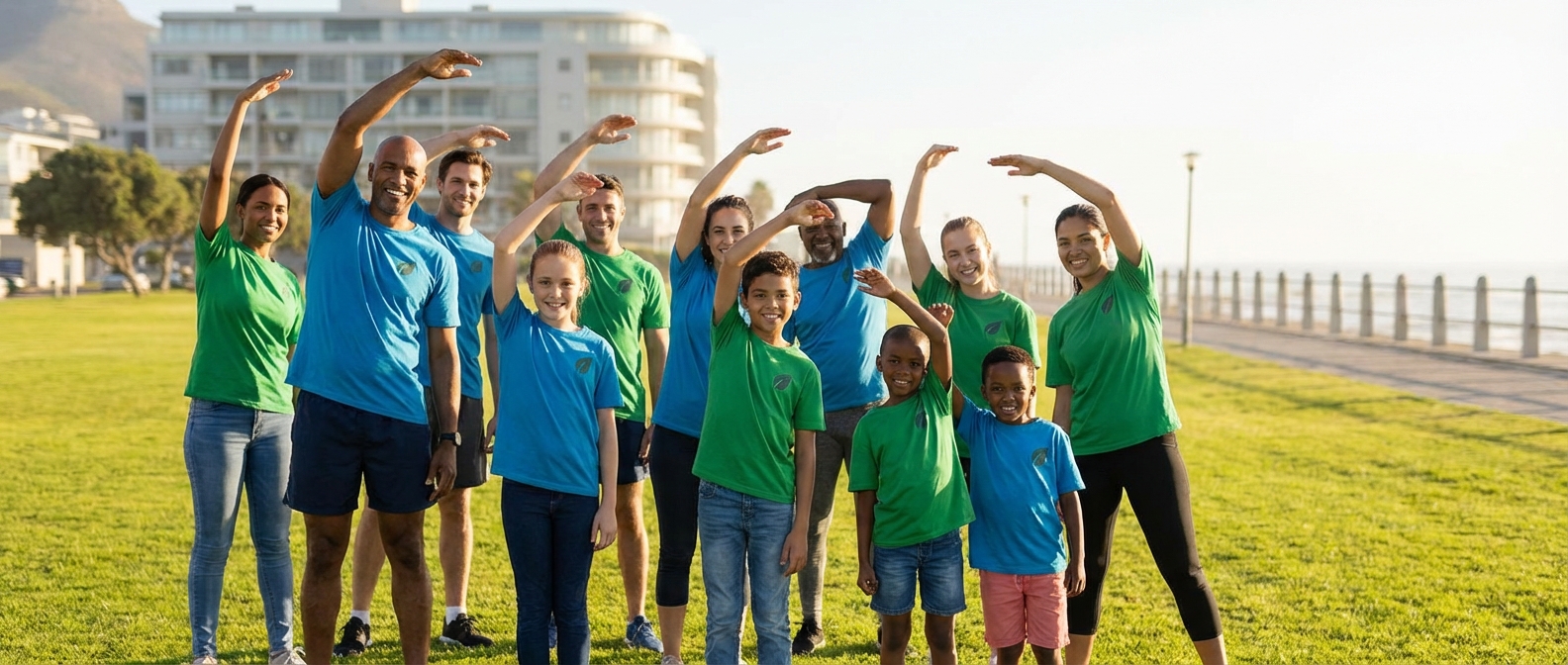
Health campaigns play a vital role in safeguarding community wellbeing across Australia. This article is designed for the Australian public, health-conscious readers, carers, and anyone seeking a clear understanding of how organised health campaigns inform and promote healthier choices. The content provided is general in nature and for informational and educational purposes only—it should not replace medical advice from your doctor or healthcare provider. By reading further, you will learn what health campaigns are, how they work, their importance in prevention and risk reduction, the symptoms and diseases they address, as well as common challenges or concerns involved.
Understanding Health Campaigns: What Are They and Why Do They Matter?
What Are Health Campaigns?
Health campaigns are organised efforts—often run by government, community, or non-profit organisations—to inform, educate, and motivate people to adopt healthier behaviours. In Australia, well-known examples include the “Slip, Slop, Slap” sun safety initiative and targeted programs for immunisation, cancer screening, or mental health awareness. The primary goal is prevention: reducing the risk of illness before it arises, or encouraging early detection and timely treatment.
Health promotion campaigns use a mix of media (television, online resources, social platforms, and print) and are typically based on the latest evidence from authoritative bodies such as the Australian Department of Health and Aged Care, Cancer Council Australia, or global entities like the World Health Organization. These campaigns can target broad topics (like heart health or mental wellness) or specific audiences (such as Aboriginal and Torres Strait Islander Australians or young people).
While the impact of a healthy campaign approach is considerable, outcomes depend on multiple factors including message clarity, accessibility, cultural suitability, and ongoing support beyond campaign periods.
Primary Objectives of Health Campaigns in Australia
The explicit intent of most health campaigns is educational and preventative. By spreading trusted information about symptoms, causes, and lifestyle changes, campaigns empower individuals and communities to make informed decisions for their wellbeing. Common objectives include:
- Raising public awareness about key health issues (e.g., heart disease, mental illness, cancer risks)
- Encouraging preventative health actions like screening, vaccination, healthy eating, or regular exercise
- Supporting early recognition of warning signs and when to seek professional help
- Reducing stigma or misinformation surrounding sensitive health topics
- Improving access to accurate, local healthcare resources and services
Campaign success is measured not just by immediate behaviour change, but also by longer-term shifts in public knowledge and attitudes.
Community Programs
Education is vital; our Healthy Lifestyle Health: Causes, Prevention & Risk Guidance explains effective routines.
Common Symptoms and Conditions Addressed by Australian Health Campaigns
Health campaigns in Australia address a wide range of symptoms and conditions—often chosen for their impact on community health or cost to the healthcare system. These include both physical and mental health topics, as well as risks further influenced by lifestyle and environment.
| Symptom or Warning Sign | Associated Campaign Focus |
|---|---|
| Unexplained weight loss, persistent cough | Lung cancer, Quit Smoking Australia |
| Mole changes, sunburn | Skin cancer prevention (SunSmart “Slip, Slop, Slap”) |
| Low mood, sleep issues, anxiety | Mental health campaigns (R U OK?, Beyond Blue) |
| Tiredness, thirst, frequent urination | Diabetes Australia awareness |
| Chest pain, shortness of breath | Heart health, stroke awareness |
While campaigns raise awareness, they also reinforce that symptoms may have multiple causes. It’s important not to self-diagnose or ignore ongoing symptoms—always seek guidance from a trained healthcare professional for personal health concerns.
Key Causes and Contributing Factors Targeted by Health Promotion Campaigns
Effective health campaigns go beyond symptoms by addressing the underlying causes and risk factors that contribute to common diseases or injury in Australia. Prevention is often focused on modifiable factors—those you can change—either individually or collectively.
- Poor nutrition: Addressing excess processed foods, low fruit and vegetable intake, and sugar-sweetened drinks
- Physical inactivity: Increasing movement through structured sport, incidental activity, and reducing sedentary time
- Tobacco and alcohol use: Promoting quitting resources and safe drinking limits
- Lack of sun protection: Campaigns on safe sun exposure, sunscreen use, and protective clothing
- Poor mental health literacy: Increasing skills to recognise, talk about, and seek help for mental distress
- Vaccine-preventable diseases: Encouraging on-time immunisations per national and local guidelines
When mapping campaign themes, some campaigns focus on prevention through physical activity—more in Can Exercise Prevent Diseases? Australian Guide to Physical Health in 2025.
Some campaigns also target social determinants—including digital health equity, access to healthcare, safe work environments, housing, or reducing health-related stigma—that can shape an individual’s risk regardless of their personal behaviour.
For some groups—such as children, regional Australians, or people from culturally and linguistically diverse backgrounds—campaigns incorporate tailored strategies that better match their risks and communication preferences.
High-Risk Groups and Barriers to Campaign Effectiveness
While health campaigns are designed for wide reach, certain Australian communities remain at greater risk for specific diseases or may experience barriers to campaign messaging. Understanding these high-risk groups is vital for improved campaign targeting and health equity.
| High-Risk Group | Relevant Risk Factors | Campaign Adaptation Example |
|---|---|---|
| Aboriginal & Torres Strait Islander Australians | Chronic disease, smoking rates, access barriers | Community-led, culturally safe promotion |
| Rural & regional residents | Distance from services, provider shortages | Telehealth and local champion campaigns |
| Youth and young adults | Risk-taking, mental health stigma | Peer-to-peer, digital and social media messaging |
| Older Australians | Chronic conditions, medication side effects | Pharmacy engagement and tailored screening |
Barriers such as health literacy, misinformation on social media, language, or cost can affect campaign outcomes. To address these, the co-design of programs with community input is a leading trend in Australian health promotion.
Prevention and Lifestyle Management: Tools Offered by Health Campaigns
Many Australian health campaigns provide practical resources and prevention tools to help individuals reduce their disease risk. These resources may include checklists, self-assessment quizzes, online calculators, and direct links to screening or vaccination services. Some offer interactive decision-support tools or guides on healthy eating, exercise, or mental wellness.
Campaign Partners
Partner clinics contribute to effective prevention. Explore more in the HealthLife Clinic Symptoms, Prevention & Risks Guide Australia 2025.
Practical support is often local, like Head to Health Launceston.
| Tool or Resource | Common Campaign Example | Purpose |
|---|---|---|
| Risk checklists | Heart Foundation heart age quiz | Identify risk factors and prompt GP visit |
| Screening reminders | BreastScreen NSW mammogram reminders | Early disease detection |
| Sunscreen and UV alerts | SunSmart app | Encourage sun-safe habits |
| Helplines and chat services | Beyond Blue mental health phone support | Crisis support and mental health education |
These tools aim to support, not replace, professional guidance. Always consult a healthcare professional if you are unsure about which prevention activities are suitable for your personal circumstances, or if you require diagnosis or medical management.
How Health Campaigns Are Developed and Evaluated
Successful health campaigns in Australia are developed using an evidence-based approach. Planning typically involves community consultation, research into relevant behaviours, input from clinical experts, and pilot testing of messages to assess understanding. Campaigns are often measured by outcome evaluation: did knowledge, attitudes, or behaviours change as a result of the campaign?
Ongoing refinement involves collecting community feedback and monitoring campaign data (such as screening rates or online engagement) to ensure programs remain accessible and effective. Feedback from peak bodies, allied health professionals, and target audiences informs adjustments over time—for example, changing language, platforms, or imagery to better reach priority groups.
Risks, Concerns and Limitations of Health Campaigns
While health campaigns have clear benefits, several risks and limitations are important to understand:
- Misinformation risks: Campaigns may be misunderstood or become distorted when shared outside their intended context, especially on digital platforms.
- Over-simplification: Simple messages can sometimes ignore individual differences or complex causes of disease.
- Access inequalities: Not all Australians can access campaign materials equally, due to digital divides, language barriers or health literacy differences.
- Campaign fatigue: Constant messages may lose impact if audiences become overexposed or disengaged.
- Risk of self-diagnosis: Campaigns highlighting symptoms can lead to unnecessary worry or delay in seeing a doctor for unrelated issues.
PRO TIP: To increase campaign value, always consult quality-assured resources, check with your healthcare provider before making health changes, and encourage friends or family to verify information using trusted Australian sites such as the Healthdirect Australia.
If you or someone you care for experiences unexpected or severe symptoms—or if symptoms persist—seeking medical help without delay is the safest approach.
Checklist: Staying Informed & Engaged with Health Campaigns
- Follow authoritative campaign sources (government, non-profit, or clinical groups)
- Look out for campaign materials at your GP clinic, pharmacy, or local events
- Download trusted Australian health apps for reminders and information
- Engage community discussions and share facts, not opinions, on social media
- Speak to your healthcare professional if you need clarity on campaign recommendations
- Participate in regular check-ups, screenings, and immunisation programs as promoted by campaigns
FAQ
What is the main purpose of a health campaign?
The main purpose is to provide evidence-based information that helps people prevent illness, detect potential symptoms early, and make healthier lifestyle choices. Health campaigns empower Australians with knowledge and practical tools, reducing disease risk across the community.
Are health campaigns effective in changing behaviour?
Campaigns can be effective, especially when messages are clear, culturally relevant, and supported by policy or local initiatives. However, individual change varies—so campaigns work best as part of broader support and accessible healthcare services.
What are the signs a health campaign message might not be accurate?
Warning signs include lack of clear source, sensational or absolute language, promises of quick cures, or advice that contradicts guidance from bodies like the Department of Health. Always cross-reference information with trusted sources or discuss with your GP.
When should I seek medical help instead of relying on campaign advice?
If you experience ongoing or concerning symptoms, sudden changes in health, or are unsure about information from a campaign, consult a healthcare professional promptly. Campaigns provide general guidance, not diagnosis or individual treatment.
How can I get involved in supporting a local health campaign?
You can volunteer with community organisations, participate in awareness events, share campaign materials, or provide feedback to campaign organisers to improve messages for your community.

