
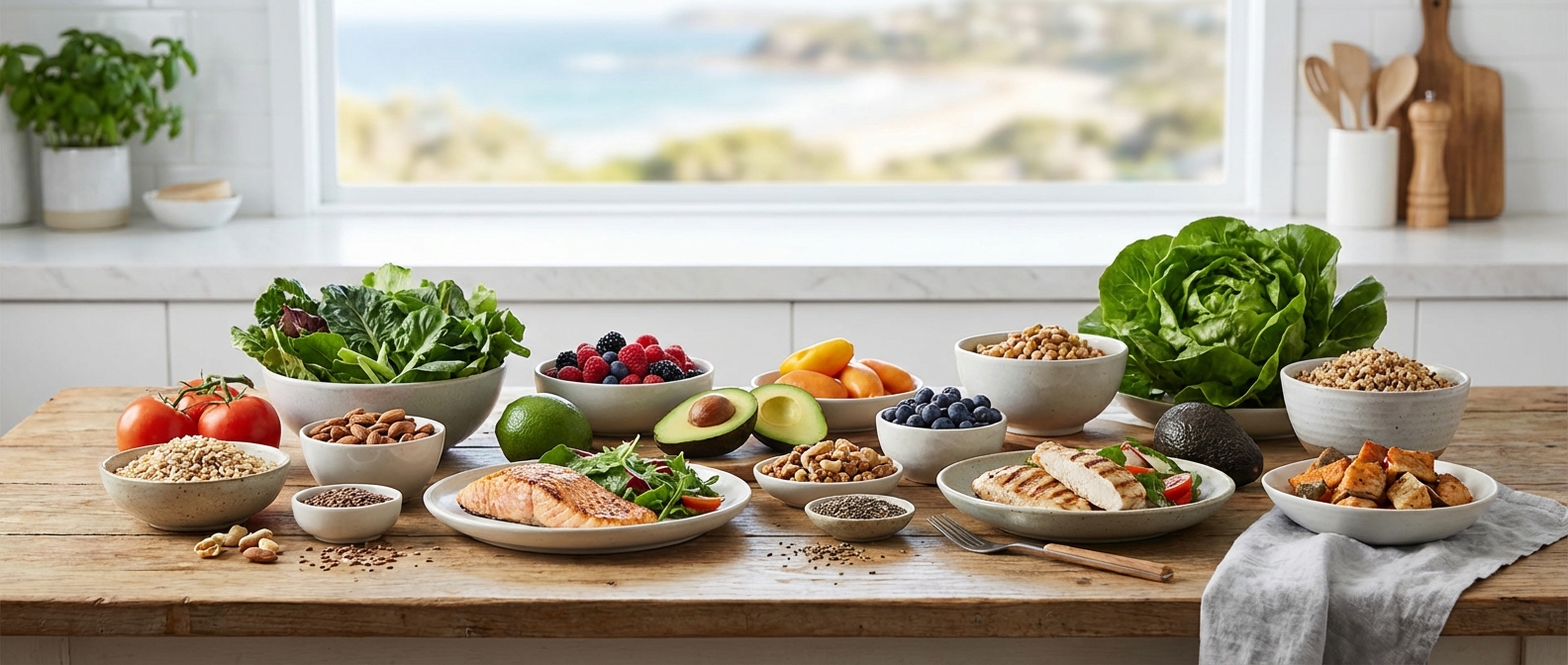
Understanding the right foods for fat loss can be a helpful part of making healthier choices for those aiming to manage body weight, improve wellbeing, or support a balanced lifestyle. This resource is intended for the general Australian public, including anyone interested in health, individuals considering weight management strategies, and carers supporting loved ones. Please note, this article is for informational and educational purposes only—nothing here replaces personalised advice from a qualified healthcare professional. By reading on, you’ll learn about the science behind foods that can burn fats, safe eating patterns for fat loss, essential food groups, foods to avoid, and how Australian context and guidance shape effective weight loss efforts.
Foods for Fat Loss in Australia: Safe Choices, Prevention & Practical Advice
Understanding the Role of Food in Fat Loss
The relationship between food and fat loss is much more than counting calories—it involves how different foods affect metabolism, appetite, satiety, and overall health. For many Australians, learning which fat burning foods are supported by scientific evidence, and which foods to avoid to lose weight, can help inform everyday choices. The primary intent here is educational: offering a balanced overview of the most relevant foods, identifying risk factors, and helping you interpret widely discussed diet trends without confusion or unsafe shortcuts.
Secondary intents addressed include clarifying how food groups affect weight management, understanding contributing factors that may slow or complicate fat loss, and highlighting the most trusted pathways to lasting, sustainable results. A risk-aware lens is also included, ensuring you understand when food claims may be misleading, carry health risks, or require professional input—especially if living with a chronic condition or following a special diet.
Key Australian sources for nutrition guidance, such as the Australian Dietary Guidelines and public health advisories, serve as trusted references throughout this article.
Key Food Groups that Help Burn Fat
It’s common to see headlines about “miracle” fat burning foods, but effective weight management relies on patterns, not single foods. The best diet to cut body fat typically draws from all core food groups, each offering unique benefits for metabolism and appetite control. Here are some of the most discussed food groups and their supportive roles:
1. Protein-Rich Foods
Protein is well-known for supporting satiety and helping preserve lean muscle during weight loss. Sources include lean meats, fish, eggs, tofu, legumes, and low-fat dairy. Australian nutrition guidelines recommend spreading protein intake throughout the day to support appetite control and muscle health. Increasing protein in your meals may help you feel fuller for longer, potentially reducing overall calorie intake. However, excessive protein, especially from animal sources, can have risks such as increased saturated fat consumption or strain on kidney function for some individuals. Always tailor intake to your specific circumstances and refer to resources like the Eat for Health Protein Calculator.
2. High-Fibre Foods
Dietary fibre promotes fullness, helps stabilise blood sugar, and supports digestive health. Whole grains, vegetables, legumes, fruits, and nuts are leading examples. Choosing high-fibre foods that help u lose weight can support better portion control and reduce cravings. Whole grains over refined alternatives are especially valuable, and regular fibre intake is associated with better long-term weight and gut health outcomes in a range of Australian studies. However, sudden increases in fibre can cause digestive discomfort; always introduce changes gradually.
3. Healthy Fats
Fats play an essential role in hormone regulation and nutrient absorption. Good choices include unsaturated fats from olive oil, avocados, nuts, and oily fish (like salmon and sardines). These foods, in moderation, are associated with improved cardiovascular health and may support satiety. However, all fats are energy-dense; overconsumption can hinder fat loss efforts, so be mindful of portion sizes. Satiety index foods—those proven to help you feel fuller for longer—are often rich in both protein and healthy fats.
4. Low-Energy-Dense Foods
Foods that provide fewer kilojoules per gram, particularly non-starchy vegetables and many fruits, help fill you up without excess energy absorbed. Regularly eating these foods is associated with greater adherence to weight management plans in local population studies. Practical daily swaps include using salad greens or steamed vegetables to bulk up meals in place of higher-calorie alternatives. For tailored support, check the Healthdirect healthy eating overview.
5. Caloric Bypass Foods
Caloric bypass foods are commonly described as foods that require more energy to digest, metabolise, and absorb than they provide—sometimes called having a “thermogenic” effect. While no food actually “burns” more calories than it provides, certain foods (such as high-fibre vegetables and lean protein sources) do slightly increase energy expenditure. However, the effect is relatively small and should not be overemphasised compared to overall dietary patterns.
Foods to Avoid to Lose Fat: Risk Factors and Limitations
Not all foods are equal when it comes to weight management. Some items, often processed and energy-dense, can hinder fat loss even when consumed in modest amounts. Identifying fat loss foods to avoid is critical for preventative health and informed decision-making.
1. Sugary Drinks and Ultra-Processed Snacks
Sugar-sweetened beverages, energy drinks, and most processed snack foods rapidly increase calorie intake without delivering beneficial nutrients. A high intake is linked to weight gain, increased risk of metabolic disease, and greater difficulty regulating appetite. Australian health authorities recommend minimising these foods where possible, especially for children and young adults.
2. Refined Carbohydrates
White bread, pastries, most commercial breakfast cereals, and other highly processed carbohydrates are rapidly digested, promoting glucose spikes and troughs in hunger. Long-term reliance on these foods is associated with unfavourable weight gain and higher risk of type 2 diabetes. Instead, choose wholegrain alternatives rich in fibre and micronutrients.
3. High-Saturated and Trans Fats
Deep-fried foods, baked goods, some processed meats, and commercial spreads often contain high levels of saturated and trans fats, which can both raise cholesterol and contribute to weight gain. Nutrition guidelines in Australia recommend limiting these fats in favour of unsaturated options.
4. Alcohol
Alcohol is energy-dense and can disrupt appetite signals, making it harder to maintain a calorie deficit for fat loss. It may also encourage high-risk eating behaviours, such as choosing high-calorie ‘comfort’ foods or overeating at social gatherings. The Australian Government Alcohol Guidelines advise moderation and mindful drinking practices for those wanting to lose fat.
5. “Fat-Free” and “Diet” Labelled Foods
Products labelled as “fat-free” or “low-fat” are sometimes perceived as healthy, but may contain added sugars, salt, and thickeners to compensate for taste and texture. These additions can increase the total energy content and reduce their suitability for sustained fat loss. Always check the ingredient list and nutrition label before choosing these products for weight control.
Prevention and Lifestyle Management: Sustainable Fat Loss Tactics
Prevention is about more than selecting the right lose fat foods; it involves cultivating patterns that support overall wellbeing. In Australia, sustained fat loss is more likely when food choices are paired with other healthy lifestyle measures. These may include regular physical activity, structured meal timing, and addressing sleep and stress.
The following checklist can help keep prevention goals in focus:
- Make at least half your plate vegetables at most meals
- Choose whole grains over refined carbohydrates
- Include lean protein at each meal and snack
- Limit processed snacks and sugary drinks
- Moderate alcohol consumption and avoid binge drinking
- Shop the perimeter of the supermarket to naturally select more fresh and less processed foods
- Read nutrition labels—prioritise fibre, protein, and healthy fats; limit added sugar and sodium
- Plan meals and snacks in advance to reduce impulsive, high-calorie food intake
- Seek out local support, such as dietitians or community health programs if you have underlying medical conditions
Comparing Foods: Fat Burning Potential, Risk, and Practical Use
| Food Group | Fat Burning Potential | Risks/Limitations | Australian Dietary Consideration |
|---|---|---|---|
| Lean Proteins | High (supports satiety and muscle) | Too much animal protein may increase saturated fat; monitor portion size | Choose lean cuts, include plant-based sources |
| Whole Grains | Medium (fibre assists appetite, energy balance) | Excess refined grains reduce benefit | Prioritise brown rice, oats, barley, quinoa |
| Non-Starchy Vegetables | High (low-kilojoule, high-satiety) | Few risks; some digestive effects with rapid increase | Favour local, seasonal, colourful variety |
| Healthy Fats | Medium (aids satisfaction, avoids deprivation) | All fats are energy-dense; overuse may impede loss | Olive oil, avocado, nuts, oily fish |
| Sugary Beverages & Snacks | Low (contributes to weight gain) | Increases sugar intake, minimal benefit | Minimise, especially for children and at-risk groups |
When Food Choices Can Carry Risks: Safety and Medical Considerations
It is essential to recognise individual variation. Those with medical conditions such as diabetes, cardiovascular disease, or chronic kidney issues may require food adjustments for safety. Rapid or restrictive dieting, or using single “superfoods” or supplements without evidence, can lead to nutrient deficiencies, disordered eating, or worsened underlying health. Some choose to add fat burner supplements as part of an overall fat loss strategy, but do so wisely. Beware of metabolic slowdown risk when calorie intake is too low.
If you experience new or unexplained symptoms (e.g., persistent fatigue, significant mood changes, gastrointestinal upset, or rapid weight fluctuations), consult a doctor, dietitian, or accredited health professional. The NHMRC and Australian Department of Health provide comprehensive nutrition and dietary safety information. Always prioritise health over speed in any weight management effort.
FAQ
What are the best foods for fat loss in Australia?
The best foods for fat loss typically include lean proteins (such as chicken, fish, tofu, and legumes), high-fibre foods (whole grains, fruits, vegetables), and healthy fats (avocado, nuts, olive oil) in moderate amounts. Integrating these foods as part of a balanced, varied diet supports satiety and helps reduce overall calorie intake.
Are there foods that burn fat directly?
No single food can “burn” fat directly. So-called “fat burning foods” may support fat loss by promoting satiety, increasing slight metabolic demand, or improving blood sugar regulation. The overall effect is moderate compared to the influence of overall eating patterns and lifestyle.
Which foods should be avoided for fat loss?
Foods to avoid include sugar-sweetened beverages, ultra-processed snacks, refined carbohydrates, foods high in saturated and trans fats, and excessive alcohol. These foods can quickly increase energy intake and make long-term fat loss more difficult.
Is it safe to follow a very low-calorie diet for fat loss?
Very low-calorie diets can lead to rapid weight loss but may pose safety risks, including nutrient deficiencies, muscle loss, or metabolic slowdown risk. These approaches should only be attempted under close medical supervision and with professional guidance.
When should I seek advice from a health professional about fat loss foods?
Professional advice is recommended if you have chronic health conditions, experience rapid or unexplained weight changes, symptoms interfering with daily life, or require support to develop a safe, realistic weight management plan.
It’s possible to lose weight without exercise by focusing on dietary measures and conscious food selection.

