

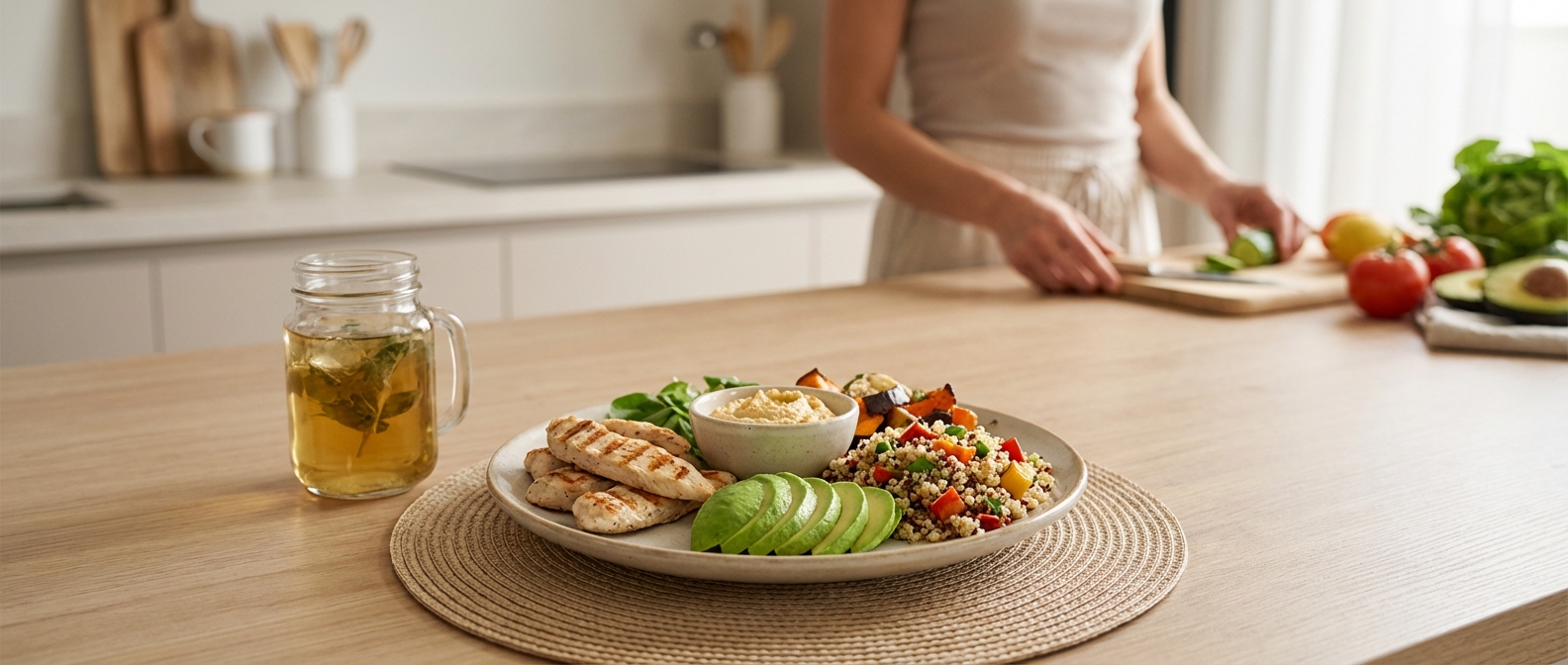
If you’re looking for easy lunch recipes, healthy lunch ideas, and practical lunchtime solutions suited to the Australian way of life, you’re in the right place. This article is designed for Australians interested in nutritious, quick, and simple lunch options – whether you’re preparing meals for yourself, your family, or looking for ideas to bring to work. The following guide is for informational and educational purposes only, and should not replace advice from a qualified healthcare professional.
By the end, you’ll understand why thoughtful lunch choices matter, which foods can support healthier living, how to recognise lunch-related health risks, and easy strategies to create varied, satisfying, and safe lunches for all circumstances.
Finding Easy Lunch Recipes & Healthy Lunch Ideas in Australia
In Australia, the busy lifestyle of work, study, and family often makes lunchtime a rushed or neglected meal. Yet, the right easy lunch ideas can be a foundation for stronger physical and mental health, productivity, and even prevention of chronic illness. By choosing easy lunches to make, you can support sustained energy, better concentration, and a balanced daily diet without sacrificing time or enjoyment.
It’s important to understand how common lunchtime pitfalls – like relying on ultra-processed snacks or skipping meals – can contribute to symptoms such as fatigue, mood changes, or even long-term health conditions. This guide aims to help you make informed, practical, and health-conscious lunchtime decisions, drawing on advice from entities such as Eat for Health Australia and the NHMRC dietary guidelines.
Why Are Easy Lunch Recipes Important for Health?
Lunch is more than just a midday refuel – it’s a valuable opportunity for Australians of all ages to improve their overall diet quality and establish healthy eating routines. Rushed or skipped lunches often result in low energy, difficulty maintaining focus, or overeating later in the day. A thoughtful, easy lunch meal recipe provides nutrients necessary for stable blood sugar, mood, and productivity.
According to the Australian Dietary Guidelines, including a variety of vegetables, lean proteins, healthy fats, and wholegrains at lunchtime can reduce risks over time for conditions such as type 2 diabetes, obesity, and cardiovascular disease – key concerns for many Australians.
| Potential Symptom or Outcome | Common Contributing Lunch Habit |
|---|---|
| Mid-afternoon fatigue | Relying on sugary or low-fibre foods for lunch |
| Unstable blood sugar | Skipping lunch or eating only refined carbs |
| Difficulty concentrating | Low protein or iron at lunch |
| Overeating in the evening | Missing or lightly snacking at lunchtime |
| Poor long-term weight control | Lack of balanced lunchtime meals |
While most minor symptoms related to lunch choices resolve when a more balanced approach is taken, persistent fatigue, digestive issues, or dramatic changes in appetite may signal underlying health issues. Australians experiencing ongoing symptoms should consult their GP or qualified dietitian for individualised assessment.
Understanding Your Lunchtime Needs: Symptoms, Risks, and Prevention
Common Reasons for Lunch-Related Health Concerns
Many Australians experience afternoon tiredness, poor energy, or mood fluctuations that can often be traced to poor lunchtime choices. For example, frequent heavy, fried, or high-sugar lunches may lead to sluggishness, whereas very light or skipped meals can result in headaches and irritability. If you’re ever unsure whether lunchtime habits are affecting your health, self-assessment and tracking symptoms over a week can be useful.
Workplace stress and limited access to fresh food are also common causes for poor lunch decisions. Australians working in shift-based or high-stress jobs may be particularly at risk, as erratic meal times and reliance on convenience lunch options are linked with both short– and long–term health effects.
Who Is Most at Risk?
The groups most likely to develop lunch-related health issues include:
- Workers with highly scheduled or unpredictable shifts
- School-aged children and teens lacking lunch options
- Older adults, especially those living alone
- Australians living with chronic conditions requiring specific nutrition
- People frequently relying on takeaway lunch food
Recognising these risk groups can encourage early lifestyle changes and safe, realistic prevention steps. For Australians managing health conditions, consulting a credentialed practitioner is recommended for tailored lunch meal plans.
How to Identify When Lunch Choices May Require Review
The following symptoms could reflect imbalances or gaps in your lunchtime routine:
- Frequent tiredness or naps after lunch
- Digestive discomfort (bloating, cramps)
- Mid-afternoon sugar cravings
- Low motivation for afternoon activities
- Difficulty managing weight or appetite
While individual responses vary, persistent, severe, or escalating symptoms should be discussed with your GP, especially if accompanied by other health changes.
Simple Prevention: Building Better Easy Lunch Meal Recipes
Australian Dietary Principles for Lunch
Current public health recommendations from Healthdirect Australia advise:
- Variety: Include at least three different food groups – e.g., vegetables, whole grains, and protein.
- Preparation: Plan meals ahead to avoid unhealthy convenience choices.
- Balance: Combine higher-fibre carbohydrates with lean proteins and unsaturated fats.
- Portion control: Avoid oversized servings of calorie-dense or processed foods.
- Hydration: Include water or unsweetened beverages, limiting juice and soft drinks.
Quick and Easy Lunch Ideas: Real-World Examples
Australians looking for healthy, easy to cook lunch meals can try:
- Grilled chicken and salad wraps with wholegrain bread
- Tinned salmon, baby spinach, brown rice, and a drizzle of olive oil
- Roast vegetable and feta frittatas for meal-prep
- Stir-fried tofu with steamed veggies and soba noodles
- Homemade lentil soup with sourdough toast
- Pita pockets with lean ham, cheese, and salad
- Chickpea salad bowls with avocado, tomatoes, cucumber, and lemon dressing
- Mini quiches using eggs, chopped vegetables, and a sprinkle of grated cheese
These lunch meals are quick to prepare, support nutritious diversity, and can be varied according to dietary preferences or availability of Australian seasonal produce.
Pro Tip: To save time and reduce reliance on fast food, prepare ingredients in advance and store them in clear containers for a grab-and-go lunch solution.
What Makes a Lunch “Healthy” in an Australian Context?
A healthy lunch idea typically includes:
- At least two serves of vegetables
- One serve of whole grains or starchy vegetables
- One serve of lean protein (meat, poultry, fish, legumes, or tofu)
- A source of healthy fat (nuts, seeds, olive oil, avocado)
- Minimal discretionary foods (e.g., cakes, chips, sugary drinks)
According to Australian guideline advice, these principles can help prevent common nutritional deficiencies and chronic disease risk factors. Australians should tailor their lunch menu to their individual health needs, age, activity level, and any specific allergies or intolerances.
Remember, food safety is crucial. Always store perishable items in insulated lunch bags with an ice brick, particularly during hot Australian summers or when bringing lunch to work or school.
| Lunch Element | Examples |
|---|---|
| Veggies | Carrot sticks, baby spinach, cherry tomatoes |
| Whole grains | Brown rice, wholemeal wraps, quinoa, barley |
| Lean protein | Eggs, beans, skinless chicken, tuna, tofu |
| Healthy fat | Walnuts, avocado, olive oil dressing |
| Calcium | Low-fat yoghurt, cheese, unsweetened soy milk |
Balancing Convenience with Quality: Quick Lunch Options and Safety
Many Australians turn to easy work lunches or quick lunch ideas for time efficiency. While convenient, store-bought or high-sodium options (e.g., pre-packed meat pies, sausage rolls) can raise long-term health risks, such as high blood pressure or excess saturated fat intake.
Improved outcomes are seen when individuals:
- Batch cook or prepare meals ahead of time
- Choose lower-salt, unprocessed proteins
- Swap white bread for grainy alternatives
- Steer clear of heavily processed or deep-fried lunch food
Food safety also matters – especially for lunch boxes left unrefrigerated for hours. Per Food Standards Australia New Zealand guidance, always:
- Wash hands before preparing lunch
- Store high-risk foods (meat, dairy, eggs) cold until eating
- Dispose of leftovers not eaten within the safe time frame
| Convenience Lunch | Potential Risks/Drawbacks | Safer Alternatives |
|---|---|---|
| Hot chip sandwiches | High in fat, low micronutrients | Grainy roll with grilled chicken, salad |
| Packaged snack bars | Added sugar, low fibre | Fruit slices with plain yoghurt |
| Instant noodles | High sodium, little protein | Homemade noodle soup with boiled eggs, greens |
Checklist: How to Build a Balanced, Easy Lunch Meal
Use the following checklist to guide safe and healthy lunch choices:
- Include foods from at least three core food groups
- Aim for two serves of vegetables and one of fruit daily
- Choose wholegrain carbohydrate bases over refined types
- Add a lean protein source for sustained energy
- Use a healthy fat in moderation
- Pack lunch in easy-to-clean, insulated containers
- Store perishable foods cold until eating
- Rotate lunch options weekly for variety and taste
- If unsure, check food labels for sodium, sugar, and additive content
- Speak to a dietitian or healthcare professional for individual dietary needs
When to Seek Professional Guidance for Lunch-Related Concerns
While experimenting with easy lunch suggestions is generally safe, some people may benefit from specialised support. You may wish to consult a health professional (such as an Accredited Practising Dietitian or your GP) if you:
- Experience ongoing fatigue despite making lunch improvements
- Manage a chronic health condition requiring specific nutrition
- Suspect food allergies or intolerances affecting lunchtime meals
- Notice sudden or dramatic changes in appetite, weight, or digestion
- Have difficulty sourcing or preparing suitable lunch foods due to personal circumstances
The right advice can help address nutritional gaps, clarify portion sizes, and adapt menu ideas for medical needs or food safety risks relevant in the Australian context.
FAQ
What should I have for lunch if I want a healthy meal?
Opt for balanced options like a wholegrain sandwich with lean protein and salad, or a grain bowl with vegetables, beans, and a simple dressing. Try to include at least three food groups and avoid high-sugar, high-salt, or deep-fried foods.
Are there risks to eating the same easy lunch every day?
Over time, repeating the same meal can lead to nutritional gaps and taste fatigue. It’s best to rotate your lunch meal recipes and include a variety of proteins, grains, and vegetables to support a balanced diet.
What are some quick and simple lunch ideas for work?
Good options include pre-made frittatas, salad jars with tuna, hummus wraps, grain-based salads with chicken or beans, or leftover roast vegetables with leafy greens and seeds. Prioritise foods that can be safely stored until lunchtime.
How do I keep lunch safe in hot Australian conditions?
Always use an insulated lunch bag and include an ice brick or frozen water bottle. Avoid packing perishable foods if refrigeration isn’t possible, and discard any food left unrefrigerated for more than two hours during hot weather.
Can easy lunch recipes help with weight management?
Yes, when they focus on portion control, include unprocessed ingredients, and provide sustained energy. Combine vegetables, protein, and fibre to help feel full for longer and support overall weight management goals.