
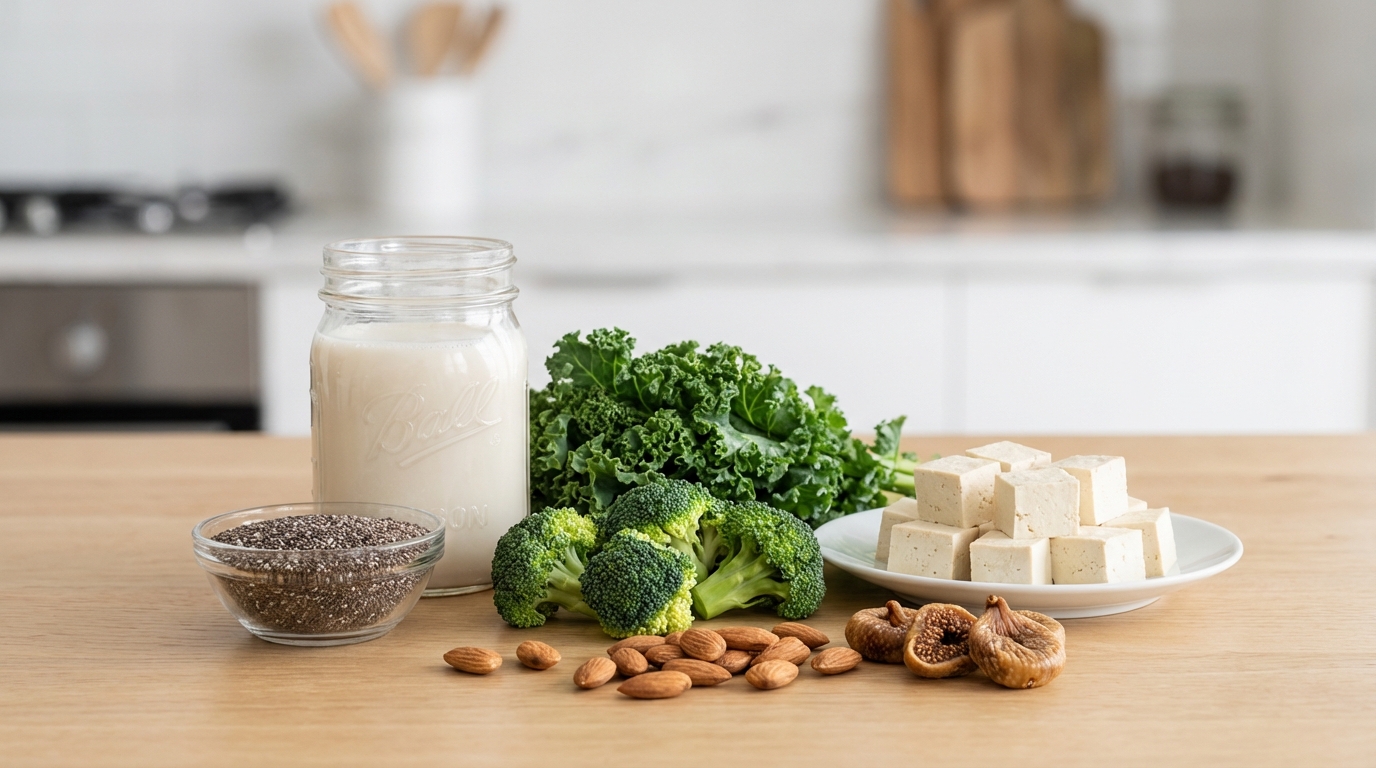
If you’re looking to boost your calcium intake without relying on dairy, you’re not alone. Many Australians—whether due to lactose intolerance, dietary preference, or health reasons—seek alternatives to traditional calcium sources. This guide on calcium enriched foods non dairy is created for the general Australian public, carers, and health-conscious readers. It offers well-researched, educational information—but remember, it isn’t a substitute for personalised medical advice. By the end, you’ll understand what calcium is, why it matters, high-calcium non dairy foods, daily requirements, possible risks, and when to consider professional input.
Understanding Calcium: What It Does and Why It Matters
Calcium is an essential mineral, playing a vital role in building and maintaining strong bones and teeth, enabling muscle function, supporting nerve transmission, and assisting in blood clotting. The majority of your body’s calcium is stored in your bones, which acts as a reserve to help support critical body functions. If not enough calcium is consumed, the body will draw on this reserve, potentially leading to weakened bones over time.
According to authoritative bodies like the Australian Dietary Guidelines, adequate calcium intake is crucial at all ages, but especially during growth, pregnancy, breastfeeding, and older adulthood. Failing to get enough over many years can increase the risk of osteoporosis, a condition causing bones to become fragile and more likely to break.
While calcium is closely linked with dairy foods, there are numerous non dairy sources—crucial information for those with dietary restrictions or personal preferences.
Why Look for Calcium Enriched Foods Beyond Dairy?
Australians seek non dairy calcium food sources for a variety of reasons: lactose intolerance, allergy to cow’s milk proteins, vegan or plant-based diets, cultural preferences, or simply wanting dietary variety. Relying solely on dairy can also pose challenges due to cost, personal taste, or ethical choices.
Shoppers seeking savings can also visit our Australian vitamins discount code guide for the latest deals and safety tips.
Calcium enriched foods non dairy (such as fortified plant milks and calcium set tofu) offer excellent alternatives. Many whole foods, including leafy greens, legumes, nuts, and seeds, also provide calcium, although amounts and absorption vary. If you’re reducing or excluding dairy, it’s helpful to become familiar with these alternatives to protect your long-term bone health.
Recent analysis from sources like Healthdirect Australia highlights the growing need for diverse calcium sources as part of preventative lifestyle strategies.
Daily Calcium Requirements in Australia: How Much Is Needed?
The Recommended Dietary Intake (RDI) of calcium varies according to age, gender, and life stage. The Nutrient Reference Values for Australia and New Zealand suggest:
| Age Group | Calcium RDI (mg/day) |
|---|---|
| Children (4–8 years) | 700 |
| Adolescents (12–18 years) | 1,300 |
| Adults (19–50 years) | 1,000 |
| Women 51+ | 1,300 |
| Men 70+ | 1,300 |
| Pregnancy/Breastfeeding (14–18 years) | 1,300 |
| Pregnancy/Breastfeeding (19–50 years) | 1,000 |
These targets represent total daily calcium from all foods and supplements. If you regularly miss these RDIs, your bones could be at risk over the long term.
Calcium balance is affected by both the amount you eat and how much your body can absorb. Absorption may be limited by certain medical conditions, low vitamin D, or high intake of other minerals like sodium or caffeine.
What Foods Provide Calcium Without Dairy?
While dairy is convenient, many other foods either naturally contain calcium or are enriched through fortification. Here’s how key non dairy sources stack up:
| Food | Typical Serve | Approx. Calcium (mg) | Notes |
|---|---|---|---|
| Calcium-fortified soy milk | 1 cup (250 ml) | 250–300 | Check for at least 100 mg/100 ml |
| Tofu (calcium set) | 100 g | 300–400 | Choose “calcium-set” or “firm” |
| Sardines (with bones, canned) | 90 g | 300–350 | Non vegan, but not dairy |
| Almonds | 30 g (handful) | 70–80 | “Do almonds have calcium?” Yes—moderate amounts |
| Bok choy | 100 g (cooked) | 80–90 | Low in oxalates, so well absorbed |
| Kale | 100 g (cooked) | 100–120 | High absorption |
| Chia seeds | 2 tbsp (24 g) | 150–180 | Mix into cereal/yoghurt alternatives |
| Sesame seeds/tahini | 1 tbsp (20 g) | 130–140 | Use as spread or in sauces |
| White beans | 1 cup (175 g, cooked) | 160–180 | Great in soups and salads |
| Broccoli | 100 g (cooked) | 40–50 | Also a source of vitamin K |
| Eggs | 1 large | 20–25 | Relatively low—“How much calcium in eggs?” Not a main source |
Pro Tip: To maximise calcium from plants, steam or cook veggies like bok choy and kale, and aim for low-oxalate varieties. When using plant milks, always check the nutrition label for calcium content (look for “calcium carbonate” or “calcium phosphate” on ingredients).
For more detail, consult a Dietitians Australia resource for regular updates from registered dietitians.
Calcium Dense Foods: Absorption, Bioavailability, and What to Watch
Not all calcium-rich foods are absorbed equally well by the body. Absorption depends on other nutrients (like vitamin D) and plant components—such as oxalates and phytates—which can bind calcium and reduce its uptake.
Calcium from dairy, tofu (calcium-set), and fortified plant milks is generally better absorbed than from high-oxalate vegetables like spinach or silverbeet. However, kale, bok choy, and broccoli are low-oxalate and provide bioavailable calcium.
Calcium-fortified foods play an important role for those avoiding dairy. These include certain brands of soymilk, rice, oat, and almond milks, as well as fortified breakfast cereals and some juices (calcium heavy foods).
To enhance absorption:
- Spread calcium intake through meals and snacks
- Ensure adequate vitamin D (from sun exposure or supplements if necessary)
- Limit excessive sodium and caffeine intake, as they can increase calcium excretion
- Avoid large doses of iron or zinc supplements at the same time as calcium-heavy meals, unless advised by a professional
If you follow a strictly plant-based (vegan) diet, consider regular vitamin B12, vitamin D, and calcium-enriched foods as part of your routine.
For women following non-dairy diets, consider the best multivitamin for ladies to fill key nutritional gaps.
When Might Calcium Supplements Be Needed?
Most people should aim to get calcium from food first. However, supplements may be needed where food intake or absorption is inadequate or medical conditions affect calcium balance. High-risk groups in Australia include:
- People with diagnosed osteoporosis, osteopaenia, or low bone mineral density
- Post-menopausal women
- Older men (especially over 70 years)
- Those with coeliac disease, inflammatory bowel conditions, or other absorption challenges
- Severely restricted or avoidant eaters
It’s best to discuss supplement needs with a doctor or accredited dietitian, as excess calcium can cause problems and interact with other medications.
| Scenario | Recommended Action | Risk or Limitation |
|---|---|---|
| Low dietary calcium | Increase food sources; consider calcium supplement if RDI cannot be reached | Supplements can cause kidney stones in some people |
| Bone density concern or loss | Review by GP, possible dual-energy x-ray (DEXA scan) | Excessive calcium without vitamin D support may be less effective |
| Taking multiple supplements | Space timing of calcium, iron, and zinc for best absorption | Possible interactions |
What supplements are good for bones? Calcium plus vitamin D is commonly recommended, but magnesium and vitamin K2 play contributory roles, especially for bone structure.
Prevention Checklist: Safeguard Your Bone Health
- Include at least 3–4 serves of calcium-rich or calcium-enriched foods daily (non dairy or dairy, as per your preference)
- Prioritise low-oxalate, high-calcium vegetables like kale, bok choy, and broccoli
- Opt for calcium-fortified plant milks and cereals
- Maintain adequate vitamin D—aim for regular sun exposure or consult your GP if you’re at risk of deficiency
- Don’t forget weight-bearing exercise (like walking or strength training)
- Limit salty snacks and soft drinks—too much sodium or phosphorus can reduce bone density
- If you avoid all animal foods, consider additional assessment for vitamin B12 and omega-3 fatty acids
- Discuss supplements with your doctor before starting, especially if you have kidney problems or take multiple medications
Remember: Focus on a whole-diet approach rather than single foods or pills for lasting bone strength.
Are There Risks or Side Effects to Calcium Intake?
Too much calcium—particularly from supplements or over-fortified foods—can increase health risks. Australian guidelines warn that chronically high intakes (above 2,500 mg per day for most adults) can cause:
- Kidney stones
- Constipation
- Calcium build-up in soft tissues (rare, but possible)
- Reduced absorption of iron, zinc, or magnesium
Always talk to a healthcare professional before making major dietary changes or beginning supplements if you have a history of kidney issues, heart disease, or take diuretic or thyroid medications.
If you notice muscle cramps, tingling, fatigue, or changes in bowel habits, seek timely review to rule out imbalances or other causes.
Calcium in Context: Australian Healthcare Guidance
The relationship between calcium intake and bone health is clear, but context matters. While the classic message is “calcium is good for bones,” optimal bone health is also influenced by:
- Lifelong habits of physical activity
- Adequate intake of other key nutrients (protein, vitamin D, magnesium)
- Family history and hormonal factors
- Medications or medical conditions affecting absorption
For those reducing dairy, it’s not just about swapping “like for like.” Regularly checking food labels and varying calcium sources over time can help avoid unintentional deficiencies. If you have a chronic illness, or have experienced fractures from minimal trauma, speak with your GP or dietitian about tailored prevention strategies.
For in-depth advice, the Osteoporosis Australia website offers resources tailored for Australian readers and families concerned about bone health.
FAQ
- What is the food with the most calcium that isn’t dairy?
- Calcium-set tofu and calcium-fortified plant milks usually provide the highest levels per serve among non dairy foods. Canned sardines with bones also rank highly if you include fish.
- How much calcium per day is too much?
- Most adults should not exceed 2,500 mg per day from all sources. Consistent intake above this can increase the risk of kidney stones and other health concerns.
- Are calcium supplements as effective as food sources?
- Calcium supplements can help people with low intakes, but food sources are generally preferred due to better absorption and additional beneficial nutrients.
- Do non dairy high calcium foods provide enough for strong bones?
- Yes, a careful selection of calcium-rich or calcium-enriched non dairy foods can help you meet daily needs, especially when combined with vitamin D and a balanced diet.
- When should I seek medical advice about calcium or bone health?
- If you have concerns about osteoporosis, unexplained fractures, chronic dietary restrictions, or possible side effects from supplements, seek advice from your GP or a specialist dietitian.

