
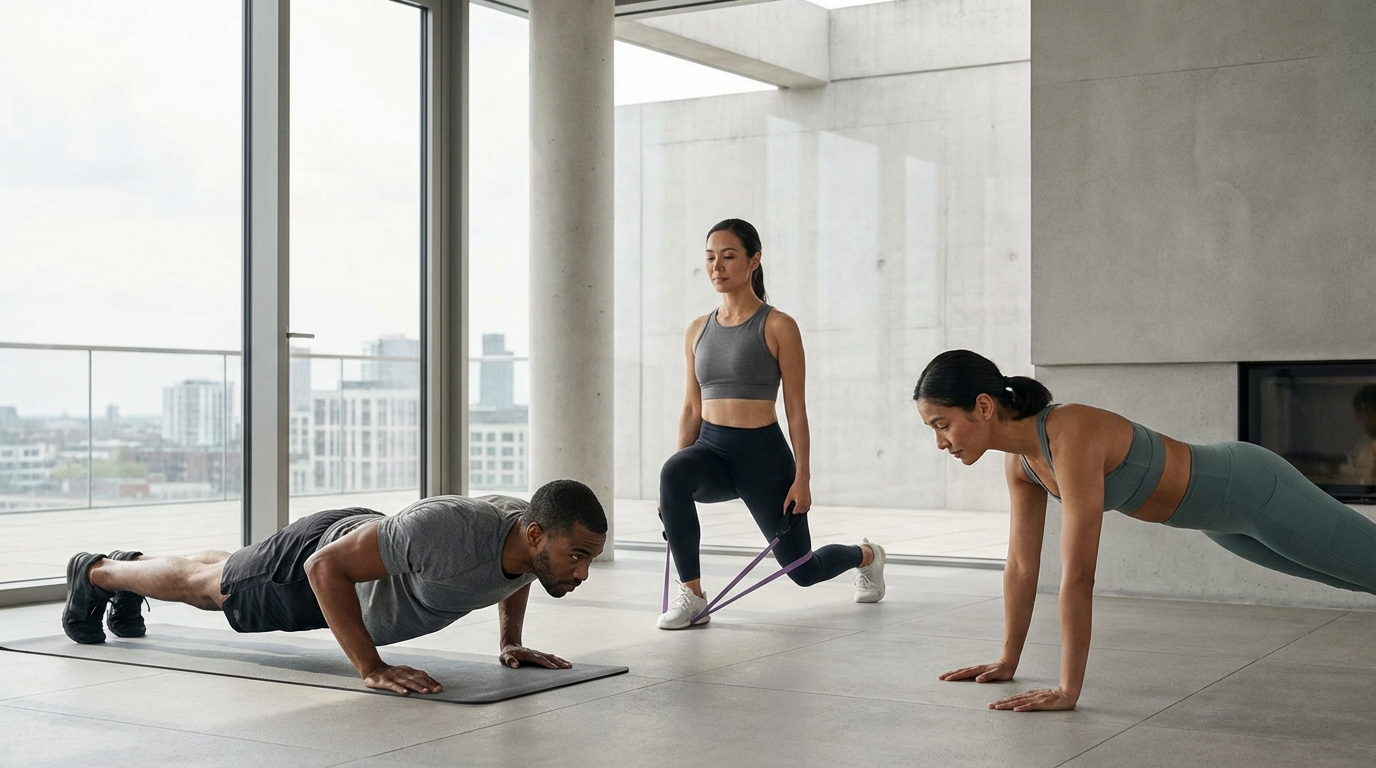
Body weight exercises have become popular among Australians seeking effective, flexible, and weight-free workouts. This article is intended for the general Australian public, health-conscious readers, carers, and anyone considering home fitness options. Please note, the information provided here is for educational purposes only and should not substitute for professional medical advice from your GP or healthcare provider. By reading on, you will gain a clearer understanding of bodyweight training, key benefits and risks, safe prevention strategies, and when to seek professional advice for your fitness journey.
Understanding Body Weight Exercises: A Practical Guide for Australians
What Are Body Weight Exercises and Who Are They For?
Body weight exercises, also known as bodyweight workout routines, use the weight of your own body for resistance rather than external gym equipment. Common examples include push-ups, squats, planks, and lunges. This approach is suitable for a wide range of Australians—from busy professionals seeking good at home workouts, to older adults looking for low-impact activities, through to teens just starting their fitness journey. Over recent years, bodyweight training has been widely promoted by reputable organisations such as the Australian Department of Health and Aged Care for its accessibility and versatile benefits.
While many people associate weight-free workouts with beginners or casual fitness, body weight exercises can be tailored to provide a challenging, progressive regime for all levels. Whether you’re managing a chronic health condition, aiming for prevention, or focusing on rehabilitation following advice from your allied health professional, there are always safe options to integrate bodyweight exercises into your routine.
Key Characteristics of Body Weight Exercises
- Use your own body as resistance—no extra weights or machines needed
- Can be performed almost anywhere, ideal for home or outdoor settings
- Scalable for individual fitness levels and capacities
- Support a variety of health goals, from strength building to cardiovascular improvements
- Often recommended as good at home workouts, particularly in periods of restricted access to gyms
Primary Intent: The Health Benefits of Body Weight Exercises
One of the strongest appeals of body weight exercises is their numerous evidence-based health benefits, particularly when performed regularly and with proper form. Australians choosing bodyweight workout exercises can enjoy improved muscle strength, balance, flexibility, bone density, and cardiovascular fitness. The Better Health Channel advises that even short bouts of activity using bodyweight can have substantial health benefits, reducing the risk of chronic diseases such as type 2 diabetes, heart disease, and osteoarthritis. For many, the preventative role of these exercises in promoting lifelong mobility and independence is a major motivator. Maximise your gains with Great Full Body Workouts.
Physical and Mental Health Benefits
- Increases muscle tone and strength without the need for extra equipment
- Enhances functional movement, making day-to-day activities easier and safer
- Supports cardiovascular health through dynamic movements
- Improves mood and mental health by releasing endorphins, reducing symptoms of stress and anxiety
- Can help with weight management as part of a balanced lifestyle
Bodyweight training also offers flexibility for individuals with varying abilities. Modifications, like knee push-ups or assisted squats, make it an inclusive choice for those recovering from injury or living with certain health limitations. However, individuals experiencing ongoing pain, functional instability, or recent injury should consult an accredited health professional for personalised guidance.
Need more structure? Our At Home Strength Workout Guide keeps things safe and progressive.
| Body Weight Exercises | Main Benefits | Limitations |
|---|---|---|
| Push-ups | Upper body, chest, triceps, and core strength | May stress wrists/shoulders |
| Squats | Lower body power, balance, bone health | Not suitable for some knee injuries |
| Planks | Core stability, posture support | Difficult for some with back pain |
| Lunges | Leg strength, coordination, hip mobility | Balance challenges for certain individuals |
| Burpees | Cardiovascular fitness, whole-body strength | High impact, not ideal for beginners |
Secondary Intent: Symptoms, Warning Signs & When to Seek Help
Most people can safely undertake bodyweight training workout routines. However, it’s important to remain alert to the symptoms or warning signs that the exercises may be causing harm or aggravating an underlying issue. The goal is to maximise gains while minimising preventable injury or setbacks, especially for those using bodyweight exercise body routines as part of medical rehabilitation or chronic disease management.
Common Signs to Watch Out For
- Persistent joint or muscle pain during or after a session
- Significant or sharp pain that does not settle with rest
- Swelling, bruising, or limited mobility in a limb
- Unusual shortness of breath, dizziness, or chest discomfort
- Symptoms worsening over time rather than improving
If any of these signs occur, it’s advisable to pause your workouts using body weight and consult with a GP or suitable health professional. Australians with known heart disease risk factors, such as high blood pressure, diabetes, or a history of cardiac events, should discuss their exercise intentions with their care team before starting a new program. This advice is reinforced by Heart Foundation guidance, particularly for older adults and those with chronic conditions.
| Symptom/Warning Sign | Possible Underlying Cause | Recommended Next Step |
|---|---|---|
| Persistent knee pain | Incorrect exercise technique, early osteoarthritis | Seek assessment from a physio |
| Shoulder discomfort | Repetitive overuse, limited mobility, pre-existing injury | Pause exercise, consult GP if ongoing |
| Dizziness or faintness | Low blood sugar, dehydration, heart rhythm issues | Stop, rest, seek urgent help if severe |
| Breathlessness disproportionate to effort | Respiratory condition, heart concern | Review with health provider, especially for at-risk adults |
Secondary Intent: Prevention, Lifestyle Impact & Accessibility in Australia
Preventative health strategies are a priority in Australia, and body weight workouts play an important role. By building functional strength and supporting healthy bone and joint function, bodyweight exercises help reduce injuries across the lifespan. This is particularly relevant for those hoping to prevent falls, manage early arthritis, or reduce the need for more intensive medical interventions later in life.
Accessibility is another advantage. Workouts using body weight are often promoted in public health campaigns for remote and regional Australians who may lack access to gyms or structured programs. Combined with healthy lifestyle habits, regular weight-free workouts support holistic wellbeing and improved health literacy in all communities.
Even for restricted mobility, Chair Exercises for Seniors are a gentle, effective choice.
Australian Support and Community Initiatives
- Local councils frequently offer outdoor equipment parks for bodyweight exercise body training
- Online resources, such as those from Active Healthy Kids Australia, provide free guides
- Telehealth consults allow for remote coaching from qualified health professionals
- Many NDIS plans can include support for accessible, safe in-home exercise routines
Management Pathways: Sample Bodyweight Training Workouts
Bodyweight workout exercises can be adapted for beginners through to advanced users. Below, you’ll find a sample structure for a balanced at-home session. If you are new to exercise or returning after illness or injury, start slow and focus on proper form before intensity.
Sample At-Home Body Weight Workout (Beginner Focus)
- Warm-up: 5 minutes (marching on spot, arm circles, gentle stretching)
- Squats: 2 sets of 8–12 reps
- Knee push-ups: 2 sets of 8–10 reps
- Standing lunges: 2 sets of 8 reps each leg
- Wall sit or plank hold: 2 x 20–30 seconds
- Cool down: Gentle stretching and deep breathing
Those seeking to advance can add extra repetitions, higher difficulty versions (such as single-leg squats or full push-ups), or include short bursts of high-intensity movements like mountain climbers. Weighted bodyweight exercises, which incorporate resistance bands or vests, require careful progression and consultation with a professional if unsure of safe technique. Remember, safe progression is key and should never come at the expense of good form or pain-free movement.
Pro Tip
Always listen to your body: Slight fatigue or minor muscle soreness is normal, but sharp pain, persistent discomfort, or new movement limitations are not. If in doubt, speak with an exercise physiologist or health professional for a tailored program.
Risk Awareness: Side Effects, Misinterpretation & Safety Concerns
While bodyweight training is often lower risk than heavy resistance gym programs, there are still important safety considerations. Overuse injuries, strains, and exacerbation of pre-existing conditions are possible outcomes if workouts are performed without proper warm-up, technique, or rest. Children, older adults, and those living with chronic disease or disability need exercises selected and supervised according to individual capacity.
Common Concerns and How to Manage Them Safely
- Never ignore pain: Pain is a warning sign that something may be wrong.
- Focus on technique: Poor form increases the risk of injury. Consider online videos from trusted organisations or an initial session with a qualified instructor.
- Rest and recovery: Scheduling rest days allows the body to adapt and recover, supporting better long-term results.
- Progress gradually: Increasing intensity too rapidly is a common cause of strains, even with weight-free workouts.
Checklist: Starting Bodyweight Training Safely at Home
- Check with your GP if you have a chronic medical condition or are over 45 and new to exercise
- Start with a gentle warm-up and stretching to prepare your muscles
- Choose exercises appropriate for your ability and goals
- Prioritise good technique, not speed or maximum repetitions
- Allow at least one rest day between sessions for the same muscle groups
- Listen to your body—stop if you feel sharp pain, dizziness, or unwell
- Hydrate before, during, and after your session
- Stay alert to safety in your exercise environment (e.g., clear floors, good footwear, safe surfaces)
- Consider joining a local group or seeking online guidance for motivation and support
For routines catered to home environments, see our At Home Strength Workout Guide.
FAQ
Are body weight exercises effective for losing weight?
Body weight exercises can support weight loss as part of a broader program that includes balanced nutrition and cardiovascular activity. By building muscle and boosting your metabolism, these workouts may assist with long-term weight management. However, individual results vary, and it’s important not to rely solely on any single form of exercise.
Can I do bodyweight workout routines if I have arthritis or joint issues?
Many bodyweight exercises are suitable for people with mild to moderate arthritis, especially when modified to reduce joint load or impact. Always consult with your healthcare provider or physiotherapist for guidance tailored to your specific needs and capabilities.
Is it safe to add weights to my bodyweight training?
Weighted bodyweight training can be safe if introduced gradually, with correct form and professional guidance. Beginners should perfect basic exercises before increasing resistance and should seek advice if unsure or recovering from injury.
How many times a week should I do weight free workouts?
For general health, most adults can aim for two to three sessions of bodyweight training per week, allowing rest days between for each muscle group. Individual recommendations can vary based on age, fitness level, and health conditions.
What are some easy and good at home workouts for beginners?
Beginner-friendly options include squats, wall push-ups, step-ups, planks, and gentle lunges. Start with low repetitions and prioritise proper technique. Videos and guides from Australian public health organisations offer additional support for home routines.

