
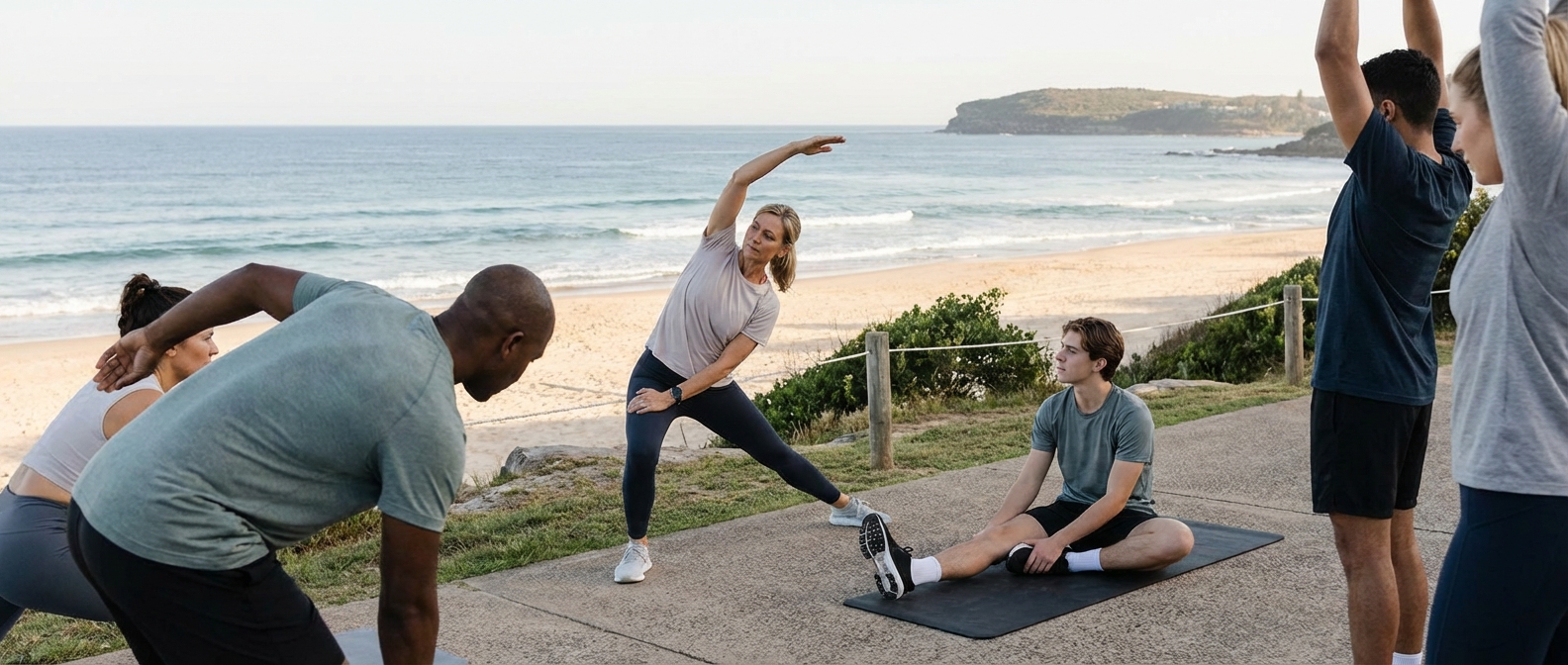
For Australians interested in improving their health and understanding the role of aus fitness in daily life, this guide offers clear, accurate, and locally relevant information. Whether you’re a health-conscious individual, a carer, or simply exploring wellness options, this article explains what “aus fitness” means, potential symptoms and warning signs of poor fitness, causes and risk factors, and practical, prevention-focused advice. All content is for informational purposes only and does not replace personalised advice from a healthcare professional. By the end, you’ll be equipped to better interpret your fitness needs in the Australian context and know when to seek further guidance.
Your Guide to Aus Fitness: Health Benefits, Risks & Safe Practice
What Does “Aus Fitness” Mean?
The term aus fitness usually refers to physical fitness activities, services, and outcomes within Australia. It encompasses a broad range of movements, sports, structured programs, and lifestyle choices aimed at enhancing overall health, mobility, and mental wellbeing. Both aus fitness and fitness australia are recognised within the nation’s network of gyms, clinics, and health programs. For Australians, fitness means more than hitting the gym—it involves integrated approaches to heart health, bone strength, weight management, and mental resilience. Australian resources such as Healthdirect and national health news outlets provide regular public guidance on the value of keeping active and maintaining functional fitness for daily life.
For more insights, our article outlining steps to evaluating a health club details important risk prevention and management tips for new members.
All age groups can benefit from improved fitness, and the diversity of authentic Australian activities—such as bushwalking, swimming, and community sports—support national health guidelines. Importantly, “aus fitness” is not limited to athletic performance but extends to functional movement and daily activity levels suitable for a person’s abilities or health status.
Recognising Warning Signs: Symptoms of Poor Fitness
Understanding the symptoms of declining fitness is key to prevention and early action. In Australia, healthcare professionals highlight several common warning signs that may suggest a need to prioritise physical activity:
- Persistent shortness of breath or noticeable difficulty recovering after simple activities (like walking up stairs)
- Extended fatigue or weakness unrelated to sleep, stress, or workload
- Difficulty with balance, coordination, or increased risk of tripping or falling
- Unexpected weight gain or changes in body composition over a short period
- Decreased mood, motivation, or longer recovery from illness or minor injuries
These symptoms can have many causes, so their presence does not guarantee a fitness deficit. However, in the Australian healthcare system, early recognition is advised to prevent potential escalation. Early intervention pathways and support groups provided by government and community health services can help manage or reverse these symptoms safely.
When to consider medical review: If symptoms are persistent, significantly impact daily life, or worsen despite basic changes in activity, consult a GP or allied health professional. Some symptoms (such as chest pain on exertion, dizziness, or fainting) should always prompt immediate medical attention.
Pro Tip
Make a weekly activity plan with a friend or partner to stay accountable. Even short, consistent bursts of activity—such as walking meetings or family sports—can significantly improve functional fitness over time and boost motivation.
Key Causes and Contributing Factors Affecting Aus Fitness
Fitness levels can change over time, influenced by a blend of lifestyle, environment, and health factors. In Australia, several core contributors impact an individual’s ability to maintain healthy fitness:
- Physical inactivity: Sedentary office-based jobs and long daily commutes limit opportunities for movement.
- Poor nutrition or hydration: Unbalanced diets, fast food consumption, and low water intake can all reduce energy and muscle performance.
- Medical or psychological conditions: Chronic illnesses (like diabetes, arthritis) and mental health factors (such as anxiety or depression) can undermine fitness and reduce daily activity levels.
- Age-related changes: Muscular strength, flexibility, and balance naturally decline with age if not maintained through regular movement.
- Environmental barriers: Australians living in rural or remote regions may lack access to quality fitness facilities, safe walking spaces, or affordable wellness programs.
Socioeconomic status and cultural background may also influence engagement with fitness activities. For example, some communities face greater barriers to club sports or regular classes, while others may have strong traditions of group movement and outdoor activities. If you’re based in NSW, see our Gym Sydney Guide for local gym options and safety tips.
It’s essential to recognise that some contributing factors—like chronic illness or medications—are less modifiable, while others (e.g., increasing step counts, choosing active transport) are within personal or community control.
Who is Most at Risk of Low Fitness in Australia?
Not all Australians face the same challenges to maintaining fitness. National research and public health guidance from bodies like the Australian Institute of Health and Welfare show that certain groups may be more vulnerable:
- Older adults (especially those over 65)
- Australians with long-term medical conditions, such as heart disease, diabetes, or respiratory illnesses
- People with disabilities or mobility restrictions
- Aboriginal and Torres Strait Islander communities, due to increased rates of chronic illness and access challenges
- Individuals living in regional, rural, or remote areas with fewer fitness resources
- Children and young people who do not meet recommended daily movement guidelines
For these risk groups, tailored support (such as community programs or social prescribing) may provide safer, more accessible ways to build and maintain fitness.
Significant uncertainty remains around how quickly a sedentary lifestyle will affect any one person. Genetics, baseline health, and environmental factors all play a role, so risk is often individual rather than fixed by group category.
Comparing Common Symptoms and Related Conditions
| Symptom | Possible Fitness-Related Cause | Possible Non-Fitness Cause |
|---|---|---|
| Shortness of breath on activity | Deconditioning, low aerobic capacity | Asthma, anaemia, heart condition |
| Fatigue | Lack of movement, muscle underuse | Thyroid issues, sleep disorders |
| Muscle aches after exertion | Untrained muscles, delayed-onset soreness | Infection, medication side effects |
| Balance problems | Loss of core strength, inactivity | Ear problems, neurological disorders |
| Poor mood or low motivation | Reduced endorphin release from inactivity | Clinical depression, life stressors |
This table compares some frequent symptoms with both fitness-related and other possible causes. It’s important to remember that symptoms often overlap, and only a qualified health provider can determine the underlying issue.
Lifestyle Impact of Aus Fitness: Daily Health and Wellbeing
Regular engagement with fitness activities supports a wide range of daily benefits, from better sleep and energy to improved focus and emotional wellbeing. According to updated Fitness Australia recommendations and guidelines, even modest increases in daily movement can:
- Lower risk of heart disease, high blood pressure, and type 2 diabetes
- Support healthy weight and responsive metabolism
- Enhance mobility, flexibility, and reduce the risk of falls, especially in older adults
- Improve self-esteem and overall quality of life
- Reduce feelings of stress or low mood, and support social connections
However, it’s equally important to acknowledge risks associated with sudden or unsafe increases in activity—particularly if there are underlying health conditions or a long history of inactivity. Safe, gradual changes with appropriate supervision are best, and personalising your pathway—through consultation with a health provider or accredited fitness professional—supports long-term success. To further maximize your results and remain injury-free, you might consider working with a Fitness Trainer Near Me to get tailored guidance based on current best practices.
Safe Ways to Start and Sustain an Aus Fitness Routine
Adopting new fitness habits does not require expensive equipment or specialist memberships. The Australian health system strongly supports community-accessible approaches including local walking paths, council-run sports facilities, and family-oriented programs. Here’s a practical checklist grounded in national health recommendations:
| Safe Fitness Checklist |
|---|
| Start with achievable movement goals (e.g., 10-minute walk, gardening, or cycling short distances) |
| Mix up activities to include flexibility, strength, and aerobic components—such as stretching and low-impact weights |
| Pay attention to your body—pause or modify if you experience pain, dizziness, or unusual symptoms |
| Stay hydrated, especially in hot Australian climates or during outdoor activities |
| Engage social supports—family, friends, and organised group classes increase accountability and enjoyment |
| Record progress and celebrate small achievements (for example, marking days moved on a calendar) |
| Gradually increase activity levels and seek professional advice if unsure about safe starting points |
Australian-first programs and community-based resources are often accessible and can provide practical stepping stones.
If you’re exploring gyms, consider trialling gym access with Anytime Fitness as a low-risk entry point.
If you have known health issues, a pre-exercise screening with a qualified professional—sometimes funded under Medicare’s chronic disease management program—adds an extra layer of support and reassurance.
Risks, Concerns, and When to Seek Guidance
While increased activity delivers wide-ranging benefits, there are real considerations and risks to monitor:
- Over-exercising: Can lead to musculoskeletal injuries, overuse syndromes, or even adverse cardiovascular events in those with underlying health problems.
- Misinterpretation of symptoms: Delaying medical review for things like chest pain, severe breathlessness, or unexplained weakness can put individuals at risk.
- Lack of professional guidance: Starting high-intensity routines without correct technique or gradual adaptation increases the chance of injury, particularly for beginners or older adults.
- Safety in specific groups: Children, pregnant people, those with disabilities, and seniors require tailored advice—standard programs may not always be appropriate.
If you are ever in doubt about the suitability of a particular fitness approach, or if you experience alarming symptoms during or after exercise, it is safest to pause and consult your GP, physiotherapist, or exercise physiologist. Australian emergency services are available 24/7 for acute or severe health concerns.
Access, Cost, and Support for Fitness in Australia
Australian residents can access a wide range of subsidised, affordable, or free fitness and wellness resources. Local councils often run open park sessions, seniors’ movement classes, or youth fitness initiatives. Some medical conditions may qualify for rebates or Chronic Disease Management (CDM) plans through Medicare, which support a limited number of allied health sessions per year.
- Basic gym memberships, group fitness programs, and online exercise classes vary in cost depending on location and provider.
- Community health centres and certain non-profits offer means-tested programs for those at risk of chronic illness or with limited resources.
- Aboriginal and Torres Strait Islander health services, as well as rural outreach programs, provide targeted support and cultural safety.
For tailored advice regarding budgeting or eligibility for subsidised services, your GP or local Primary Health Network can provide up-to-date lists of options suited to your health profile and area.
FAQ
What is aus fitness and how is it different from regular exercise?
Aus fitness is an umbrella term covering all forms of movement, structured programs, and lifestyle choices that promote health in the Australian context. While “regular exercise” often refers to planned workouts or gym routines, aus fitness includes daily activities (such as walking or gardening), community sports, and culturally relevant practices unique to Australia.
How can I tell if I need to improve my fitness?
Warning signs may include lower energy, breathlessness on mild exertion, trouble with balance, or difficulty completing basic tasks. Symptoms can have various causes, so if you’re unsure, consider a health review before starting new fitness routines—especially if you have other medical needs.
Is it ever unsafe to start a new fitness program?
It can be unsafe if you have acute or uncontrolled health problems (like unstable heart disease), recent surgery, or experience severe symptoms during movement. People with complex needs should consult a GP or registered exercise professional for a safe, tailored plan.
Are there government-funded fitness programs in Australia?
Many local councils, public health bodies, and chronic disease management schemes offer subsidised or free classes, especially for seniors or those managing long-term health conditions. Your GP or local council can guide you to available services in your area.
How much exercise do Australians need for good health?
Australian guidelines suggest adults aim for at least 150–300 minutes of moderate-intensity physical activity each week, including activities that strengthen muscles and improve flexibility twice weekly. These recommendations may vary depending on age, health, and ability.

