

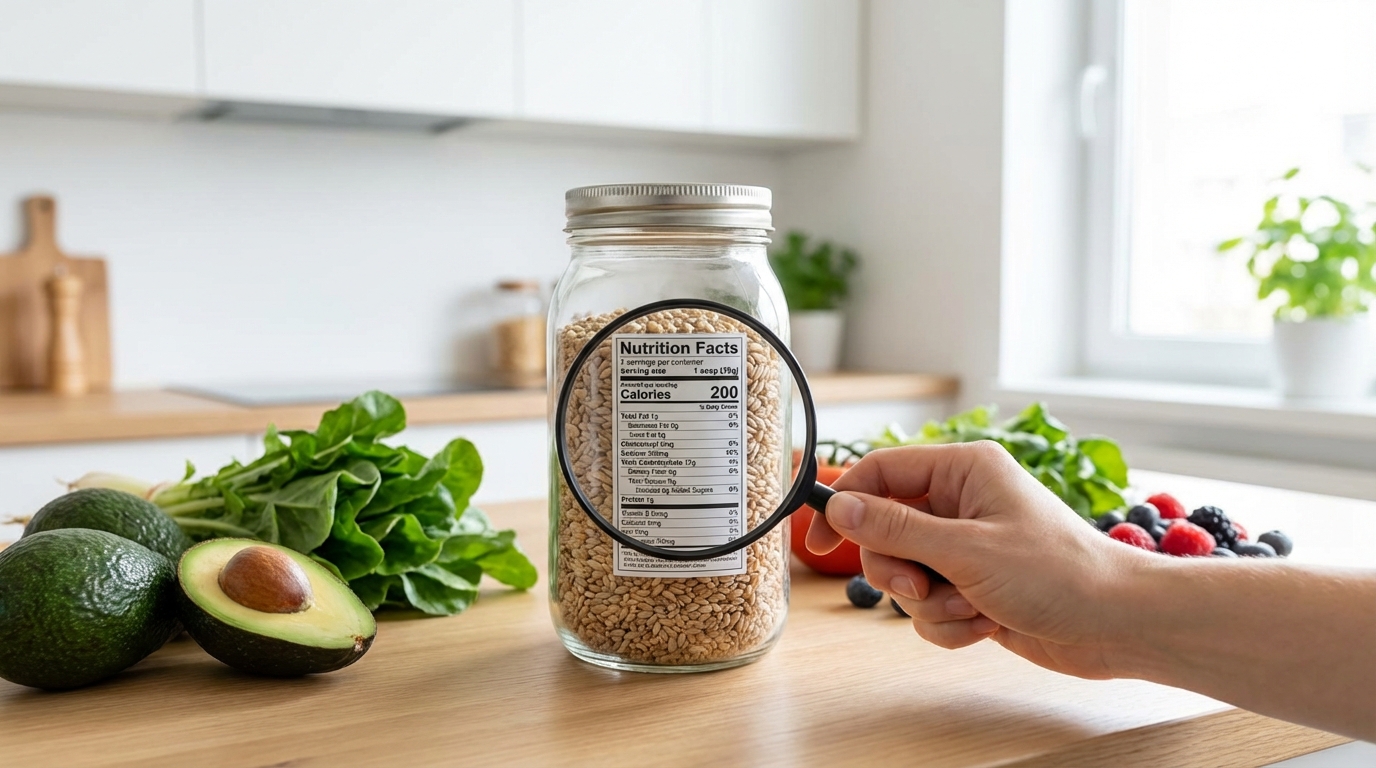
Understanding the nutritional value label is key for anyone in Australia aiming to make more informed dietary decisions. This article is for the general Australian public, including health-conscious readers, carers, and anyone interested in what’s really inside packaged foods. All content here is meant for informational purposes only, not as a substitute for medical advice from a qualified healthcare provider. By reading on, you’ll learn how to interpret nutrition labels, spot risks, avoid common misunderstandings, and apply this knowledge to your everyday choices with confidence and clarity.
Mastering the Nutritional Value Label: Your Australian Food Label Guide
Why Nutritional Value Labels Matter in Australia
The nutritional value label, often known as the nutrition information panel in Australia, is a core tool for making healthy and informed food choices. These labels are not only required by Australian regulations on most packaged foods but also help shoppers quickly compare nutrition facts across different products. Whether you’re seeking to manage a health condition, prevent chronic disease, or simply make smarter food choices, understanding food labels is the first step.
The Australian Government Department of Health and Aged Care acknowledges that clear food labelling supports better health outcomes. For many, knowing how to read nutrition labels can assist in managing weight, controlling sodium intake, and preventing diet-related ailments. However, with varying formats, front-of-pack claims, and changing guidelines, label reading can be confusing without trusted information.
Understanding nutrition information is not only about numbers — it’s also about context, recommended daily intakes, and your own unique needs. We’ll explore what’s required on Australian labels, why each section matters, and what risks or common misunderstandings you should look out for.
What Is a Nutritional Value Label? Core Elements Explained
The nutritional value label, also called a nutrition information panel, appears on most packaged foods across Australia. Its main purpose is to give consumers standardised, evidence-based nutritional information to allow meaningful comparison between products.
By law, according to Food Standards Australia New Zealand, a nutrition information label must include:
- Serving size and number of servings per package
- Energy value (kilojoules, sometimes calories)
- Protein content
- Total fat content (plus saturated fat)
- Total carbohydrate (plus sugars)
- Sodium (salt)
- Additional nutrients if a nutrition claim is made (such as fibre, vitamins or minerals)
These details are typically listed ‘per serving’ and ‘per 100g or 100mL’, helping you easily compare one product to another. Pay special attention to both presentations when monitoring intake or comparing across brands.
How to Read Nutrition Labels: A Step-By-Step Guide
Step 1: Find the Nutrition Information Panel
Most foods sold in Australia must display a nutrition information panel, usually found on the back or side of packaging. Look for a rectangular table listing per serve and per 100g/mL values. Some products, such as very small packages, fresh fruit and vegetables, or single-ingredient foods, may be exempt.
Step 2: Understand Serving Size vs Per 100g/100mL
The label will detail nutrition ‘per serve’ as defined by the manufacturer and ‘per 100g or 100mL’. Always check the serving size — it may differ significantly from how much you typically consume. For accurate product comparison, use the ‘per 100g’ numbers.
Pro Tip: When comparing the nutritional value label of two similar products (such as different brands of breakfast cereal), always use the ‘per 100g’ values for an apples-to-apples comparison.
Step 3: Energy (kJ or kcal)
Energy content is shown as kilojoules (kJ) in Australia, though some labels may also show calories (kcal). This indicates how much energy your body gets from a serving. For healthy adults, Australian guidelines recommend an average daily intake of about 8,700 kJ (the figure will vary by individual needs).
Step 4: Macronutrients – Protein, Fat, Carbohydrates, Sugars
Check the breakdown of macronutrients. Total fat and saturated fat are important for heart health; high levels of saturated fat may increase health risks. Carbohydrates include total sugars, which can be naturally occurring (like in fruit) or added sugars. Protein content can matter for some health conditions or fitness goals.
| Component | What to Look For | Why It Matters |
|---|---|---|
| Energy (kJ/kcal) | Lower energy for weight control | Balances intake with needs |
| Fat (Total/Saturated) | Less saturated, moderate total fat | Too much may raise LDL cholesterol |
| Carbohydrate/Sugars | Look for lower added sugars | High sugars linked to weight and dental risks |
| Protein | Moderate to high for muscle health | Essential for body repair and growth |
| Sodium | Low sodium (less than 400mg per 100g) | Excess sodium can raise blood pressure |
Step 5: Check for Fibre, Vitamins, and Minerals
Fibre may only be listed if the food makes a specific health claim. Similarly, vitamins and minerals appear if a product claims added nutritional benefits. In Australia, look for high-fibre options (at least 3g per serve) to support gut health.
Warning Signs and Misinterpretation Risks
Food and nut labels can be misread if you’re not familiar with their nuances. One common risk is assuming a ‘low fat’ or ‘reduced sugar’ claim means the product is always healthier. Sometimes such products may contain higher salt or substitute ingredients. Portion distortion is another risk — manufacturers may suggest smaller serving sizes, making numbers appear more favourable.
- Watch for loopholes: Foods may claim ‘no added sugar’ while still containing high total sugars from concentrated fruit or milk.
- Health star ratings: The Health Star Rating system provides a front-of-pack score, but is best used alongside the full nutrition information panel for a clearer picture.
- Allergy statements: Ingredients lists and allergen warnings are not in the main nutrition panel, so always read those separately if you have food allergies or intolerances.
If a nutritional value label seems confusing, or if you have health concerns about a specific ingredient or nutrient, seeking personalised guidance from an accredited practising dietitian or healthcare professional is recommended.
Prevention and Lifestyle Management: Using Nutrition Labels for Better Health
Learning how to read food labels correctly can play a major role in preventing diet-related health issues, such as high blood pressure, Type 2 diabetes, heart disease, and certain nutrient deficiencies. In Australia, where processed and convenience foods are widely available, being label-savvy empowers you to make active choices that support overall wellbeing.
These panels also support preventive care; for example, those with a family history of heart conditions can check the saturated fat content, while those with blood pressure concerns can compare sodium levels. Understanding how to interpret different types of nut labels and food claims is equally important for Australians with allergies or special dietary needs.
Remember, a single nutrient or ingredient rarely determines a food’s healthfulness. It’s your pattern of food choices over time that matters most.
Checklist: What to Look for on Nutrition Labels
- Double-check the serving size against your usual portion
- Use ‘per 100g’ or ‘per 100mL’ values for easy product comparison
- Aim for lower sodium (aim below 400mg per 100g in savoury foods)
- Choose products lower in saturated fat and added sugars
- Look for fibre, especially if not listed by default (check for at least 3g per serve)
- For allergy management, check both ingredient lists and allergen declarations
- Be cautious about health claims or marketing — cross-check with the nutrients panel
- If in doubt, consult a dietitian or discuss with your healthcare provider
Australian Regulations, Labelling Standards, and Consumer Protections
Australia’s food labelling system is overseen by Food Standards Australia New Zealand (FSANZ). Regulations require clear, accurate, and standardised nutrition labels on most pre-packaged foods, with exemptions for some fresh and single-ingredient products.
The nutrition facts label Australia format is designed for clarity, but may differ from labels in other countries such as the US, where ‘serving sizes’ and mandated nutrients can be different. Australia also uses specific guidelines for claims such as ‘low fat’, ‘light’, ‘source of fibre’, and other descriptors, and these are regulated to prevent misleading consumers.
While regulations help, it’s always advisable to review ingredients lists and not rely solely on front-of-pack statements or marketing language. For updates or concerns about misleading labelling or potential hazards, Australians can contact the Australian Competition and Consumer Commission for consumer protection support.
Nutrition Labels, Symptoms, and Red Flags: When Professional Advice Is Needed
While food labels provide crucial insight, they cannot replace personalised healthcare advice. If you’re experiencing symptoms such as sudden weight changes, ongoing fatigue, gastrointestinal upset, or allergic reactions that you suspect may be related to food choices, consult a health professional rather than relying solely on nutritional information labels.
| Symptom/Sign | Possible Label Clues | When to Seek Advice |
|---|---|---|
| Rapid weight change | High total energy or added sugars | Unexplained or persistent weight change: seek assessment |
| Digestive issues | Allergens, high lactose or fibre, artificial ingredients | Symptoms persist after dietary changes |
| Allergy symptoms | Possible undeclared allergens or unfamiliar terms | Immediate medical attention if severe reaction |
Some signs warrant timely medical attention, and the cause may not be fully explained by label content alone. Trust your own observations, but use nutrition labels as just one part of a well-rounded, preventative health approach.
FAQ
- How do you read food labels for healthy choices in Australia?
- Start by checking the serving size, then use the ‘per 100g’ values for comparing similar products. Aim for foods lower in saturated fat, sodium, and added sugars, and higher in fibre. Don’t rely only on front-of-pack health claims—examine the full nutrition panel and ingredients list for a clearer picture.
- What is the difference between the nutrition facts label and the nutrition information panel?
- In Australia, the nutrition information panel is the legal term for the label displaying key nutrition data per serve and per 100g or 100mL. The ‘nutrition facts label’ is the US equivalent but may show different information. Always refer to the Australian standard when shopping locally.
- Can the nutritional info label help with allergy management?
- The nutritional info label indicates nutrients but not all allergens. For allergy management, always read the full ingredients list and allergen statements, as allergens might be present in trace amounts or as unexpected additives.
- When should I seek professional help with food labels?
- If you have a health condition requiring tailored nutrition (such as diabetes, allergies, or heart disease), or if you experience unexplained symptoms related to food, consult a healthcare provider or qualified dietitian rather than relying only on label information.
- Are nutrition labels always accurate in Australia?
- Manufacturers must comply with strict labelling laws, but minor variations can occur due to batch ingredients and processing. If you’re unsure about a product’s nutrition accuracy, contact the manufacturer or refer to official dietary guidance from government sources.