

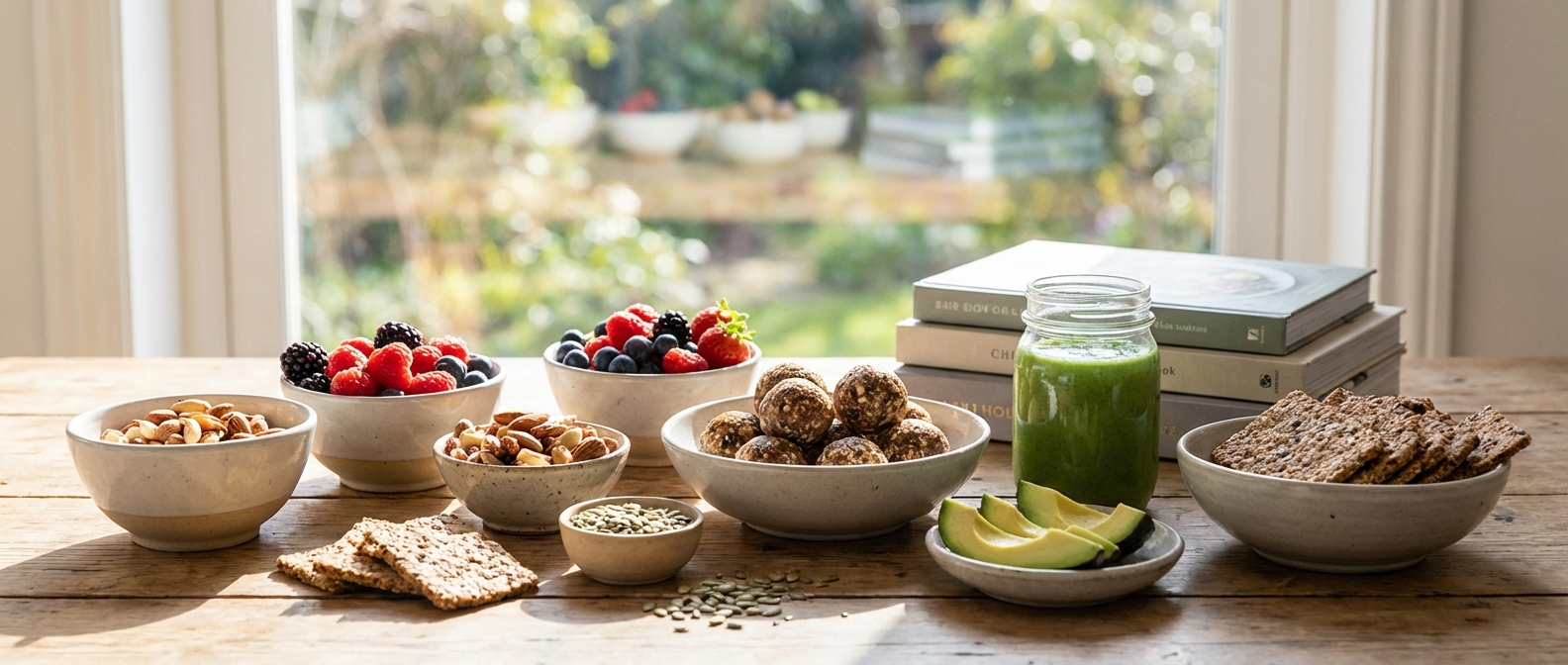
Tasty healthy treats are increasingly popular among Australians seeking balanced diets without sacrificing flavour. This guide is designed for health-conscious individuals and anyone interested in healthier snack choices. Information presented here is intended for educational purposes only, not as a substitute for professional medical advice. By reading, you will gain an understanding of what makes a treat both tasty and healthy, explore common causes and risk factors linked to less healthy snacking habits, learn preventative strategies, discover healthy treat recipes, and clarify safety considerations relevant to the Australian context.
Tasty Healthy Treats: A Comprehensive Australian Guide
What Are Tasty Healthy Treats?
Tasty healthy treats are snacks or desserts made with nutrient-rich ingredients, designed to satisfy cravings without excessive sugar, salt, or unhealthy fats. Whether you’re looking for alternatives to processed sweets or simply aiming to support your wellbeing, these treats provide options that are enjoyable and supportive of overall health goals. In Australia, tasty healthy treats might include wholefood-based snacks, low-added-sugar baked goods, or creative recipes using local produce such as nuts, seeds, and fresh fruit. Australians are increasingly mindful of their diet due to public health initiatives by organisations like Eat for Health.
While tasty healthy treats often contain natural sweeteners, whole grains, or high-fibre ingredients, they are not a one-size-fits-all solution. Taste, nutritional value, and personal health needs can all vary. It’s important to understand the specific ingredients and preparation methods to ensure that your treat is genuinely healthy and safe for your individual circumstances.
For many, tasty healthy treats serve as a pleasant way to maintain long-term healthy eating habits, making them an accessible option for adults, children, and older Australians alike.
Primary Purposes: Education, Prevention, and Safe Enjoyment
The main intent behind exploring tasty healthy treats is to educate readers on balanced snack options and support preventative health strategies. Whether you want to avoid chronic conditions linked to overconsumption of added sugars (such as type 2 diabetes and heart disease) or simply wish to improve energy levels and mood, making informed choices about your snacks can be significant. This article also explains symptoms and risk factors relating to unhealthy snacking, empowering you to
recognise patterns and adopt healthier habits.
Secondary intentions addressed in this article include clarifying the causes of unhealthy treat choices (such as emotional eating or lack of access to nutritious foods) and understanding lifestyle impacts relevant to the Australian food environment. As a risk-aware resource, we spotlight concerns about hidden sugars, allergens, and misleading marketing, guiding you on when to seek personalised nutritional support.
Symptoms and Warning Signs: When Snacks Aren’t Supporting Health
While treats can be part of a balanced diet, it’s important to recognise signs that your snacking habits may not be supporting your health. Below, you can compare symptoms associated with overconsumption of less healthy treats and how they relate to underlying dietary habits.
| Possible Symptom | Associated Dietary Habit | When to Consider Help |
|---|---|---|
| Frequent energy crashes | High intake of refined sugars or ultra-processed snacks | Persistent fatigue despite rest |
| Unintended weight gain | Habitual snacking on high-calorie, low-nutrient treats | Weight changes affecting wellbeing |
| Digestive discomfort | Low-fibre or highly processed foods | Ongoing bloating, diarrhoea, or constipation |
| Elevated blood sugar (for those at risk) | Snacking without considering glycaemic impact | Family history of diabetes or prediabetic readings |
If you notice these symptoms regularly, consider discussing your diet with a GP, Accredited Practising Dietitian, or healthcare provider. Some symptoms can reflect underlying medical conditions unrelated to snack choices, so avoid self-diagnosis or drastic changes without guidance.
Causes and Contributing Factors: Why Do We Choose Less Healthy Treats?
Understanding what leads Australians to choose less healthy snacks over tasty healthy treats can help support better decision-making. Common contributing factors include:
- Emotional triggers: Stress, boredom, or sadness can prompt cravings for sugary, salty, or fatty snacks.
- Convenience: Pre-packaged sweets and processed foods are often more accessible in supermarkets and convenience stores.
- Labelling confusion: Product marketing can mislead consumers into thinking an item is “healthy” when it contains hidden sugars or additives.
- Lack of practical knowledge: Not everyone knows how to prepare simple, nourishing treats at home, highlighting the importance of accessible healthy treat recipes for real-world Australian households.
- Cultural and social influences: Gatherings and celebrations often centre on indulgent or traditional treats.
In many cases, education and better access to healthier alternatives can encourage more mindful choices. Initiatives by Australian health authorities continue to support public awareness about nutritious snacking.
Risk Groups: Who Should Take Special Care?
Certain Australians should take particular care with treat choices, including:
- Individuals with food allergies or intolerances (such as nuts, gluten, or dairy)
- People living with chronic conditions (diabetes, heart disease, kidney conditions)
- Children and adolescents, due to developing dietary patterns
- Older Australians, as nutrient needs change with age
People with specific health risks may require tailored advice from healthcare providers or registered dietitians. When introducing new healthy treat recipes at home or entertaining guests, always consider potential allergens and dietary restrictions.
Preventative Guidance: How to Choose and Prepare Healthy Treats
Transforming your snack routine involves more than simply swapping out ingredients. The following checklist provides a practical approach for Australians striving to prepare, shop for, and enjoy tasty healthy treats safely and effectively.
| Tasty Healthy Treats: Safe Snacking Checklist | |
|---|---|
| Prioritise wholefood ingredients | Choose fresh fruit, nuts, seeds, or whole grains as a base |
| Check nutrition labels | Look for low added sugar, healthy fats, and natural sources of fibre |
| Make treats at home | Try easy healthy treat recipes to control ingredients and portion sizes |
| Incorporate local and seasonal produce | Shop Australian fruits and nuts for freshness and sustainability |
| Watch for common allergens | Always check ingredients, especially for guests or children |
| Balance treat frequency | Enjoy treats occasionally within an overall healthy eating pattern |
Pro Tip: To further enhance preventative healthy eating, prepare snack-sized containers of cut fruit, trail mix, or homemade bliss balls in advance. This makes it easier to reach for a nutritious option when busy, reducing reliance on convenience foods.
Popular Healthy Treat Recipes for Australian Households
Incorporating tasty healthy treats into your routine starts with practical, easy-to-prepare recipes. Australians can take advantage of locally available ingredients and simple swaps to make snacks that are both satisfying and nourishing. Here are three examples to get started:
- Oat and berry muffins: Made with wholegrain oats, Australian blueberries, Greek yoghurt, and minimal added sugar.
- Homemade bliss balls: Combine Medjool dates, raw cacao, rolled oats, and toasted almonds for bite-sized energy snacks.
- Fruit and yoghurt parfaits: Layer low-fat yoghurt, chopped seasonal fruit, and a sprinkle of sunflower seeds or chia for texture.
Each of these options demonstrates how making treats at home allows for better control over nutrition, portion size, and flavour. For those managing allergies, gluten-free, nut-free, or dairy-free substitutions are widely available in supermarkets across Australia.
Limitation and Uncertainty: Are All “Healthy” Treats Truly Healthy?
It’s important to remember that “healthy” is a relative term. Some commercially labelled healthy treats can be high in natural sugars or calories—such as fruit-based bars or refined coconut products. Always review Australian nutrition panels and ingredient lists, and be wary of claims that sound too good to be true. Australian Dietary Guidelines offer more information on making informed snack selections.
People with health conditions such as diabetes or coeliac disease should consult a healthcare professional for individual advice on treats and recipes. If you have concerns about weight, blood sugar levels, or persistent digestive issues, seek medical guidance to ensure your treat choices align with your health needs.
The Role of Healthy Treats in Lifestyle and Prevention
Choosing tasty healthy treats can contribute to long-term wellness by promoting a positive relationship with food. Incorporating treats responsibly—enjoyed in moderation alongside a balanced diet—can help prevent the cycle of restriction and overindulgence often linked to dieting. Regularly choosing nutritious snacks over highly processed foods supports digestive health, stable energy, and mental wellbeing.
Research from Australian health agencies highlights how snack choices impact chronic disease prevention across all life stages. Establishing healthy snacking routines during childhood and adolescence forms eating patterns that often persist into adulthood. For families, involving children in preparing healthy treat recipes is a fun and educational way to encourage better dietary habits.
However, it’s also important to recognise that treats should not replace wholesome meals. Snacks that are too filling or high in sugar—even if made from “better” ingredients—can displace essential nutrients from regular meals. Where appetite, weight, or nutrition is a concern (such as in elderly Australians or those recovering from illness), professional guidance is especially valuable.
Risks, Concerns, and When to Seek Professional Support
While healthy treats can be a safe and enjoyable part of regular eating, risks and concerns remain, especially if key information or individual health needs are overlooked. Here are important considerations for Australians:
- Allergy risk: “Healthy” nut or seed-based treats may not be suitable for individuals with allergies; always check or ask about ingredients.
- Hidden sugars and false marketing: Some products that claim to be healthy may still contain high levels of sugars (including honey, maple syrup, or dried fruit concentrates). Learn to read nutrition labels carefully and compare brands before purchasing.
- Digestive issues: Treats high in fibre or certain sugar alcohols may cause bloating, cramping, or diarrhoea in sensitive individuals, especially children.
- Overconsumption risk: Even healthy treats can contribute to excess energy intake and weight gain if portion sizes are not managed.
When to seek help: If you or someone you care for experiences persistent symptoms (such as unexplained weight changes, ongoing digestion problems, food allergy reactions, or blood glucose fluctuations), speak with a healthcare professional for assessment and support. Australians can find reliable health information from sources such as Better Health Channel or speak with an Accredited Practising Dietitian for tailored nutritional advice.
FAQ
What ingredients make a treat both tasty and healthy?
Ingredients such as whole grains, nuts, seeds, fresh fruit, and natural yoghurt provide flavour with nutrients like fibre, healthy fats, and protein. Limiting added sugar and sodium ensures treats align with health goals.
Can children enjoy healthy treats safely?
Most healthy treats are suitable for children, provided they are prepared with age-appropriate ingredients and free from known allergens. Always supervise young children to prevent choking or accidental ingestion of unsuitable foods.
Are “sugar-free” treats always a healthier choice?
Not always. Many sugar-free options contain artificial sweeteners or sugar alcohols, which can cause digestive discomfort in some people. Checking ingredient lists and consulting a professional is wise, especially for children or those with medical conditions.
How do I know if a store-bought treat is truly healthy?
Look for a short ingredient list, low added sugars, and recognisable whole foods. Beware of “health halo” marketing—read the nutrition panel and compare it to trusted standards from Australian dietary guidelines.
When should I consult a health professional about snacking habits?
Seek support if you notice ongoing weight changes, digestive issues, unexplained fatigue, or symptoms suggesting food intolerance or allergies. Professional advice ensures safe and effective dietary choices for your needs.