

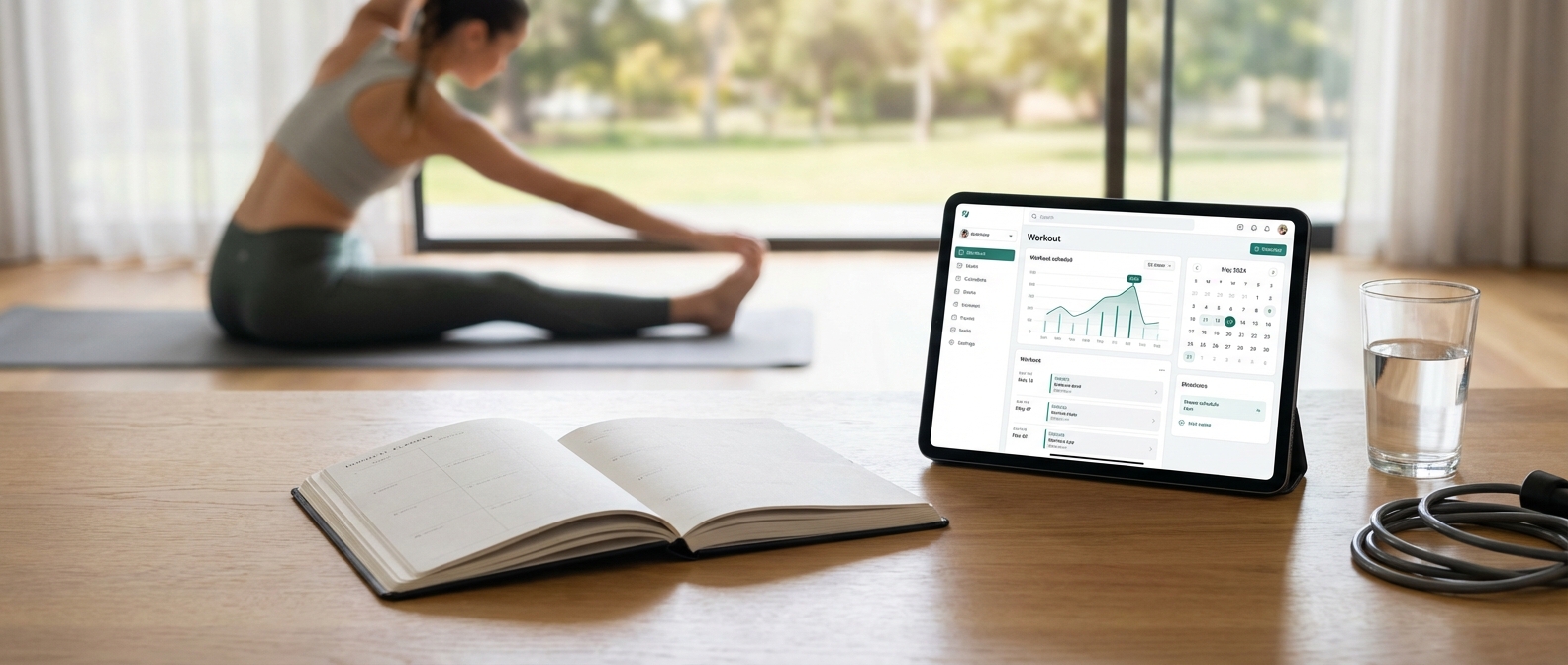
Developing a reliable workout planner can be a valuable tool for Australians aiming to stay active, whether you’re new to exercise, returning after a break, or an experienced gym-goer optimising your approach. This in-depth guide is intended for the general Australian public as well as carers and health-conscious readers seeking up-to-date, evidence-informed information. Please note, this article is for educational purposes only and should not replace professional medical, allied health, or advice from your doctor. By reading on, you’ll learn what a workout planner is, how to use it to avoid common risks, key causes of setbacks, ways to tailor it safely, and when to seek further support.
Your Guide to Safe and Effective Workout Planners in Australia
Understanding Workout Planners: What They Are and Why They Matter
A workout planner—sometimes called an exercise planner—is a systematic approach to scheduling and tracking physical activity. The aim is to help you organise your sessions, balance different types of exercise, and monitor progress over time. Australians of all activity levels use planners: from people starting their first walking routine, to long-distance runners training for events, or those managing health concerns with the guidance of their GP or allied health team.
Key features of an effective workout planner include listing session times, chosen activities, exercise duration and intensity, rest periods, and notes on perceived effort or any warning signs experienced. Many Australians benefit from both digital planner apps and traditional paper diaries, with the choice often coming down to convenience, personal preference, and access to technology.
According to Healthdirect Australia, regular, structured exercise is linked to lower rates of chronic disease, improved mental wellbeing, and overall health, making a planner a useful ally for staying on track. However, poorly structured plans—especially those without consideration of personal limits—can lead to setbacks, injury, or lost motivation.
Primary Intent: How Workout Planners Support Safe Fitness and Prevention
The primary purpose of a workout planner is educational and preventative. By systematically mapping out your exercise, you’re more likely to meet recommended activity targets while minimising injury and overtraining risks. For Australians living with conditions such as high blood pressure, diabetes, or musculoskeletal issues, planners can facilitate coordinated care alongside medical advice.
Key benefits of using a workout planner include:
- Setting realistic, achievable goals in line with Australian Department of Health guidelines
- Tracking progress and recognising early signs of overtraining
- Encouraging variety across aerobic, strength, balance, and flexibility activities
- Providing a framework for reviewing and updating your routine as needs change
Progressive overload strategy and SMART goal setting are core planning techniques supported by many allied health professionals and exercise physiologists across Australia. These frameworks help users avoid common pitfalls that can undermine motivation and safety.
Secondary Intent: Recognising Signs, Symptoms, and Setbacks in Exercise Planning
Common Symptoms of An Ineffective Workout Planner
Despite best intentions, some planners can lead to unhelpful symptoms or warning signs if not personalised or adjusted for changing health. Be alert to:
- Persistent fatigue or heavy limbs, especially on rest days
- Joint or muscle pain that doesn’t resolve with usual recovery methods
- Loss of motivation, sleep disruption, or mood changes
- Unexpected injuries or overuse complaints (like tendon soreness, shin splints, or lower back pain)
In many cases, these symptoms reflect a mismatch between exercise intensity and recovery, or planning without sufficient flexibility for life’s unpredictability. Exercise physiologists often highlight that session rate of perceived exertion (sRPE) can help you record how hard each session felt, providing a safety check against overdoing it.
Causes and Contributing Factors: Why Some Plans Fail
Several factors can undermine the effectiveness of a workout planner, including:
- Unrealistic targets, particularly after illness, injury, or time away from exercise
- Lack of diversity (e.g. only cardio, no strength training or stretching)
- Ignoring the role of rest and sleep in overall recovery
- Environmental factors, such as extreme heat or poor air quality which may require session modification (relevant for Australian climates)
- Insufficient adaptation for chronic conditions or changing healthcare advice
Understanding these triggers allows users to adjust their planner to better reflect current health, lifestyle demands, and safety needs.
Secondary Intent: Lifestyle Impact, Management Pathways & Australian Access Considerations
Impact of Exercise Planning on Everyday Life
For many Australians, a consistent exercise planner supports physical health, mood stabilisation, and routine. However, life’s unpredictability—work, school, caring responsibilities, or health changes—requires a flexible approach. Planners should act as guides rather than rigid rules.
Real-life example: A parent returning to work after parental leave may find their previous routine unsustainable. Adapting the planner to fit new work hours and energy levels is key to maintaining long-term engagement and results.
Management Options and Support Pathways
Australians have access to a range of support resources if workout planning feels overwhelming, including:
- Consulting an accredited exercise physiologist for tailored advice
- Utilising telehealth or in-person assessment via Medicare-funded Chronic Disease Management plans
- Joining community programs run by local councils or health promotion charities such as the Heart Foundation
- Smartphone-based exercise planner and habit tracking apps reviewed by trusted Australian sources
For individuals with medical conditions, write your workout routines in consultation with your doctor for optimal safety and coordination with medication or therapies.
| Management Option | Best For | Potential Limitations |
|---|---|---|
| Home-based planner app | Tech-savvy individuals, independent exercisers | May lack customisation for health conditions |
| Printed exercise diary | Preference for offline tracking | Manual updates, no automated reminders |
| Guided program with exercise professional | Chronic conditions, complex needs | May involve fees or wait times, especially outside metro areas |
| Local health promotion program | Community-minded, seeking group motivation | Varied access regionally; fixed schedule |
Risk-Aware Intent: Recognising Safety Concerns and Limiting Risks with Your Workout Planner
Common Risks and When to Seek Professional Help
Effective workout planners build in contingencies for missed sessions, fluctuating health, and injury prevention. Risks to be aware of include:
- Following “one-size-fits-all” plans from unqualified sources without adaptation for your health or fitness
- Ignoring pain, dizziness, or shortness of breath during workouts
- Rapid increases in frequency, intensity, or session length (“too much, too soon”)
- Psychological pressure to meet rigid targets rather than prioritising enjoyment and safe progression
If you notice chest pain, persistent breathlessness, fainting, or severe musculoskeletal discomfort while using a planner, pause activity and seek guidance from your GP or an appropriately qualified health professional immediately. For those with chronic or complex health concerns, periodic review by an allied health provider is recommended.
Pro Tip: Prioritise Recovery and Flexibility to Prevent Burnout
Prevention Checklist: Building a Safer, Healthier Workout Planner
- Set achievable, progressive goals and adjust as needed
- Include a mix of aerobic, strength, flexibility, and balance exercise
- Schedule regular rest and listen to your body’s warning signals
- Adapt sessions to local conditions like weather or air quality
- Keep important health information readily accessible (such as emergency contacts or medications)
- Review your planner with a doctor or allied health provider if you have underlying health concerns
- Utilise trusted Australian health resources for up-to-date recommendations
FAQ
How do I choose the right workout planner for my needs?
Think about your level of experience, access to technology, and any health conditions that may need consideration. For beginners or those managing a health challenge, a basic paper planner may be ideal. Those seeking more guidance might benefit from professionally designed apps tailored for Australian users, or from consulting an exercise physiologist for a customised plan.
What warning signs should I look out for when following an exercise planner?
Key signs include persistent fatigue, pain that doesn’t settle with rest, dizziness, fainting, or new symptoms like chest discomfort. If you experience these, stop exercising and seek professional medical advice especially if symptoms are severe or ongoing.
Can a workout planner help with chronic condition management?
Yes, a well-structured exercise planner can help people living with chronic conditions safely build or maintain activity levels. It’s important to coordinate plans with your GP, physiotherapist, or another allied health professional for optimal safety and benefit.
How often should I review or change my exercise planner?
Experts recommend revisiting your plan every 4–6 weeks, or sooner if your health, lifestyle, or goals change. Regular review helps you celebrate progress, prevent plateaus, and reduce your risk of injury.
Are digital exercise planner apps suitable for everyone?
Not necessarily. While digital apps offer convenience and tracking features, they may not be tailored to individual medical needs. Always ensure your chosen app draws on credible, evidence-based advice and, where in doubt, seek recommendations from a health professional.