
Iron is an essential mineral, and knowing where can you buy iron—and how to do so safely—matters for many Australians. This article is crafted specifically for the general Australian public, including patients, health-conscious readers, and carers seeking reliable, educational information about iron options in Australia. Please note that the following content is for informational purposes only and should not replace medical advice from a doctor or qualified health professional. By reading, you’ll gain a practical understanding of iron’s role in health, how to recognise deficiency symptoms, where and how you can access iron in Australia, and safe guidance around supplementation and dietary strategies.
Accessing Iron in Australia: What You Need to Know
Iron plays a critical role in the body’s production of healthy red blood cells and carries oxygen to organs and tissues. If you’re considering how or where can you buy iron, it’s vital to understand not just purchasing options but the broader context of iron status, deficiency risks, and safe use. This comprehensive guide provides Australian context, approved access points, and practical strategies—outperforming many oversimplified summaries by offering in-depth, real-world guidance.
Understanding Iron: Why It Matters in Everyday Health
Iron is required to make haemoglobin, a molecule in red blood cells responsible for transporting oxygen throughout the body. Without enough iron, your organs may not receive the oxygen needed to function properly. In Australia, low iron status is especially relevant for women, young children, athletes, pregnant individuals, and those with certain health conditions such as coeliac disease or gastrointestinal disorders.
Meeting your iron needs comes down to adequate dietary intake, but some people require supplements under medical supervision. Recognising when more iron is needed—versus when supplementation could do more harm than good—is essential. Australian health authorities including the Healthdirect Australia and the National Health and Medical Research Council provide clear recommendations based on individual risk and assessment.
Symptoms of Iron Deficiency and When to Seek Advice
Iron deficiency is one of the most common nutrient shortfalls globally, affecting energy, immunity, and daily wellbeing. Recognising early warning signs can help you know when to consult a healthcare professional and whether seeking iron supplements is appropriate. Far from being just “tiredness,” iron deficiency can affect multiple body systems and often requires blood tests for diagnosis.
| Common Symptoms | Possible Underlying Condition |
|---|---|
| Persistent fatigue | Iron deficiency anaemia |
| Pale skin | Low haemoglobin |
| Shortness of breath | Reduced oxygen-carrying capacity |
| Headaches or dizziness | Iron insufficiency |
| Brittle nails, hair loss | Chronic low iron stores |
| Restless legs, poor concentration | Neurological effects |
It’s important to note that many symptoms overlap with other causes. Do not self-diagnose or commence iron supplementation based only on symptoms. Always talk with a GP or nurse if you’re concerned, especially before purchasing iron supplements.
Unexplained fatigue, chronic weakness, and recurrent infections are competitor gap terms often underexplained elsewhere—these may also indicate other underlying issues, making medical review essential.
Causes and Risk Groups for Low Iron in Australia
Multiple factors influence your risk for iron deficiency or low iron stores. Being aware of these can help you make preventative choices and recognise if you’re within a higher-risk category, an area sometimes not fully detailed in competing Australian articles. Common risk groups in Australia include:
- Women of reproductive age, especially during pregnancy
- Teenagers during rapid growth periods
- Infants moved too early from breastmilk or iron-fortified formula
- Vegetarians or vegans (due to low heme iron intake)
- People with chronic gastrointestinal conditions or malabsorption issues
- Frequent blood donors
- Individuals with heavy periods
- Elite athletes with intense training routines
Key contributors to low iron include inadequate dietary intake, blood loss, pregnancy, increased needs during adolescence, and certain conditions that limit absorption, as highlighted by the Australian Department of Health. Knowing your risk can help guide safe decisions about when and where to buy iron—and when to seek professional care instead.
Where Can You Buy Iron in Australia?
Accessing iron in Australia is straightforward, but not every option is equally safe or appropriate for everyone. Here is an overview of where you can obtain iron in both food and supplement form, along with key safety considerations.
Iron-Rich Foods: Everyday Dietary Sources
Many Australians can meet their iron needs through foods, minimising the risk of excessive intake. Iron from animal (heme) sources is generally better absorbed, but plant (non-heme) sources are also valuable, especially when paired with vitamin C-rich foods for enhanced absorption. Examples include:
- Red meat (beef, lamb, kangaroo)
- Poultry and fish
- Eggs
- Legumes, chickpeas, lentils, tofu
- Dark green leafy vegetables (spinach, kale)
- Iron-fortified breakfast cereals and grains
- Nuts and seeds
Purchasing food-based iron sources can be done at supermarkets, fresh food markets, and health food retailers. Always check product labelling for iron content if you follow a special diet.
Iron Supplements: Pharmacies, Supermarkets, and Online
Iron supplements are widely available across Australia, both over the counter and by prescription. Before purchasing, consider the following access points and factors:
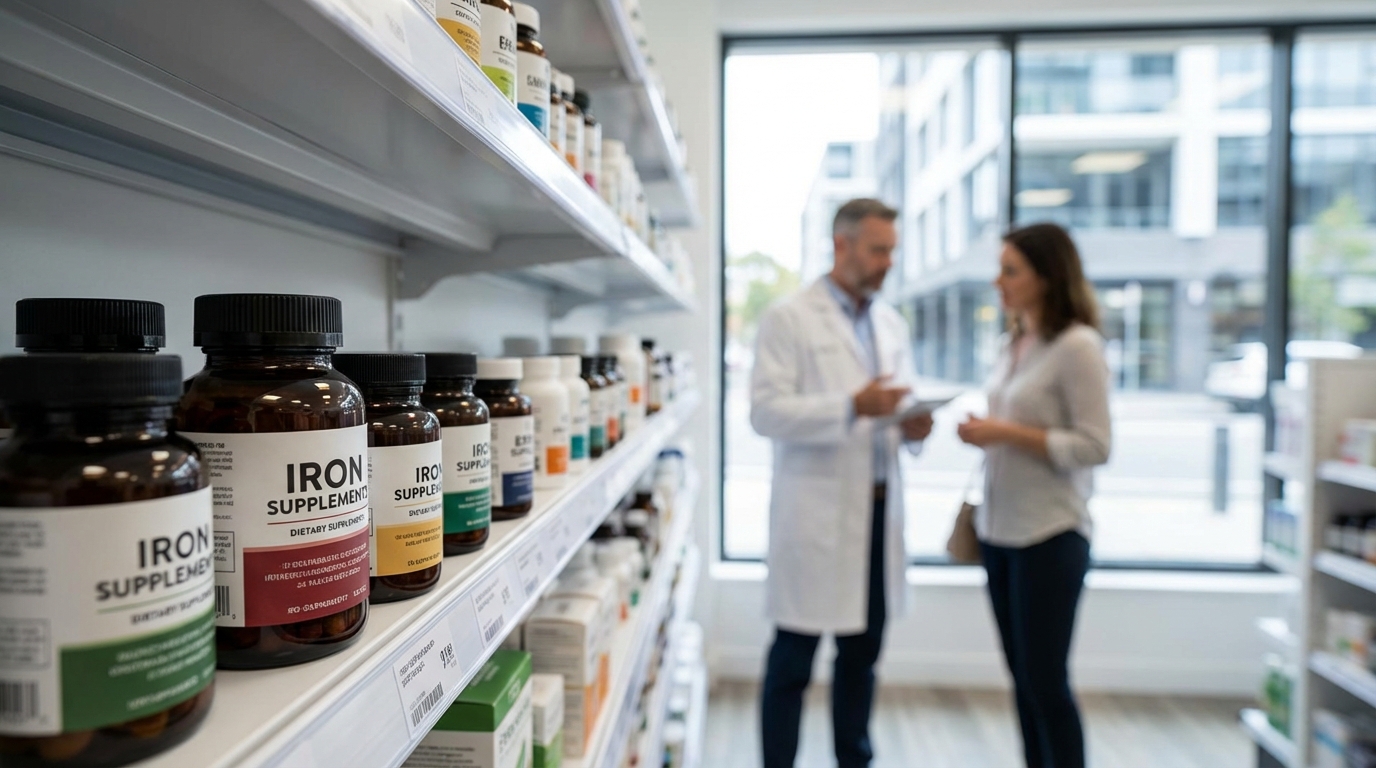
- Pharmacies: Most community chemists nationwide offer iron tablets, capsules, and liquid formulas. Pharmacist advice is available regarding different formulations, possible side effects, and safe usage for children, adults, and pregnant people.
- Supermarkets: Larger supermarket chains stock a selection of basic iron supplements, typically located in the health or vitamins aisle. Product range may be limited.
- Health Stores & Online Retailers: Specialist health stores and Australian-based online retailers offer a broader selection, including vegan and food-based blends. Opt for reputable brands that meet Australian manufacturing standards for quality and safety.
- Prescribed Iron: Some iron tablets and infusions require a script from your GP, especially for higher-strength or specific clinical formulations.
If you have questions about which products meet Australian regulatory standards, consult with a pharmacist or medical professional, as not all online products are TGA-approved. Unregulated or imported iron products carry a potential risk of improper dosage or contamination.
| Source | Availability | Professional Support | When Appropriate |
|---|---|---|---|
| Iron-rich foods | Supermarkets, markets, grocers | Dietitian, GP | For everyday management and prevention |
| OTC supplements | Pharmacy, supermarket, health store, online | Pharmacist, GP, nurse | Short-term use, under advice, mild deficiency |
| Prescription iron | Pharmacy (with script) | GP, specialist | Severe, persistent, or medically diagnosed deficiency |
| Intravenous iron | Hospital, medical clinic | Medical team | For those unable to absorb oral iron or with severe deficiency |
Risks, Side Effects, and When to Seek Medical Help
While iron is essential, too much can be harmful. Iron overload can damage the liver, heart, and other organs. Indiscriminate use of iron supplements when not needed—especially without medical guidance—raises significant safety issues. Adverse effects of inappropriate supplementation may include:
- Constipation, nausea, gastrointestinal discomfort
- Vomiting, abdominal pain
- Black stools (a common but generally harmless effect)
- In severe cases, iron toxicity or accidental poisoning (a particular concern in young children)
Certain groups, including those with hereditary hemochromatosis, are at risk of iron overload even without supplements, and should only use iron products with explicit medical oversight. If you develop chest pain, persistent vomiting, severe abdominal pain, or suspected accidental overdose, seek emergency medical care immediately.
Special care should be taken with children, as accidental ingestion of iron supplements is a leading cause of poisoning in young Australians. Always store iron products out of reach and use childproof packaging where possible. For more information on accidental poisoning, see NSW Poisons Information Centre.
Prevention and Lifestyle Strategies for Healthy Iron Levels
Proactive steps can reduce the need for iron supplementation and support lifelong health. Prevention is always preferable, and most Australians—if aware of at-risk situations—can optimise their iron status through lifestyle measures alone or in conjunction with professional guidance.
- Include a variety of iron-rich foods in daily meals
- Pair plant-based iron sources with vitamin C foods (e.g. citrus, capsicums) for better absorption
- Limit tea, coffee, and dairy at main meals, as they can inhibit iron absorption
- Monitor iron status during high-risk life phases (pregnancy, adolescence, post-surgery)
- Stay up-to-date with regular health checks, especially if you belong to a higher-risk group or follow a vegetarian, vegan, or restrictive diet
- Consult with a doctor before starting or stopping any supplementation
| Strategy | Prevention Focus | Limitations or Considerations |
|---|---|---|
| Food-based iron intake | Maintains steady levels without risk of overdose | Absorption varies by source; animal-sourced iron is best absorbed |
| Supplement use | Targets short-term deficiency when diet is insufficient | Risk of side effects, requires accurate dose and monitoring |
| Professional monitoring (blood tests) | Helps tailor prevention and management plans | Should be guided by a healthcare provider |
Health Checklist: Supporting Healthy Iron Status
| Action | How Often? |
|---|---|
| Review your diet for iron-rich foods | Weekly |
| Include vitamin C at main meals | Daily |
| Monitor symptoms of low iron | Ongoing |
| Book regular health check-ups if at risk | Every 6–12 months |
| Consult with a dietitian for restrictive diets | As needed |
FAQ
Where can I buy iron supplements in Australia?
Iron supplements are available in most local pharmacies, major supermarkets, health food stores, and trusted Australian online retailers. For higher-strength or prescription-only products, access must be arranged through your GP or pharmacist.
Is it safe to take iron supplements without a prescription?
Iron supplements can be purchased over the counter, but it’s advisable to seek medical advice and have blood tests prior to commencing supplementation. Taking iron when not needed can lead to side effects and health risks.
How do I know if I need extra iron?
Symptoms like persistent tiredness, pale skin, or shortness of breath may indicate low iron, but these signs can be caused by many health conditions. Blood tests are the only reliable way to confirm deficiency. Consult your GP if you’re concerned.
Are there risks involved with iron supplementation?
Yes. Excess iron may cause constipation, stomach upset, or, if accidentally overdosed (especially in children), on rare occasions more serious health issues. Always follow dosage instructions and keep supplements out of reach of children.
Can I get enough iron through food?
Many Australians can meet their needs through a varied, balanced diet rich in red meats, fish, legumes, and fortified products. Some groups, due to higher needs or absorption issues, may require further assessment or advice from a health professional.