

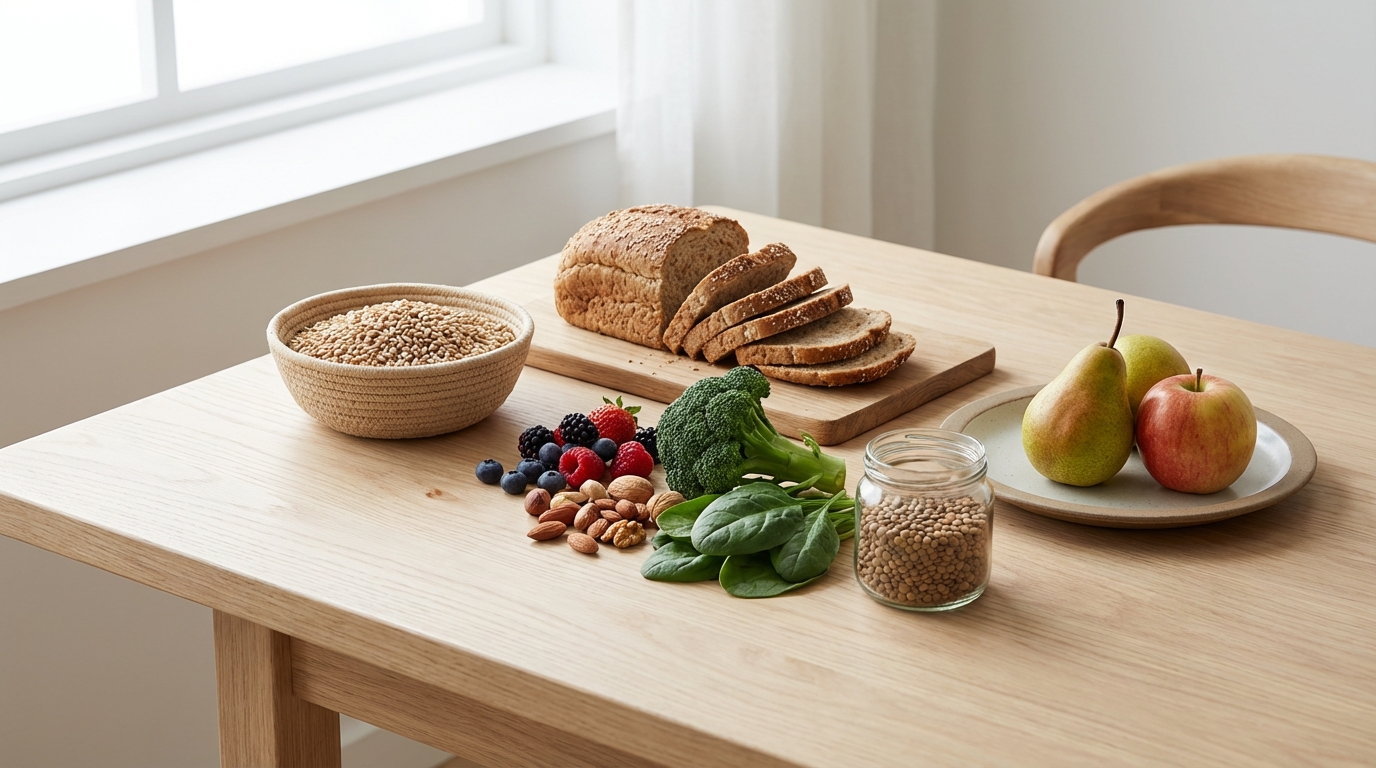
Understanding Dietary Fibre: An Essential Guide for Australians
If you’re looking to improve your diet or better understand what is dietary fibre, this comprehensive guide is designed for Australians of all ages, including carers, health-conscious individuals, and anyone interested in everyday nutrition. This article provides up-to-date, educational information to help you recognise the value of dietary fibre, its types, main food sources, and how it plays a crucial role in supporting digestive and general health—while also highlighting common concerns, possible risks, and when to seek professional health advice. By the end, you’ll feel equipped to make informed dietary choices for you and your loved ones.
What Is Dietary Fibre?
Dietary fibre, sometimes spelled dietary fiber, refers to the edible parts of plants that your body cannot fully digest or absorb. Unlike other carbohydrates, fibre passes mostly unchanged through your digestive system. This unique property provides a range of health benefits, influencing everything from bowel health to cholesterol levels.
There are two primary types of dietary fibre: soluble fibre and insoluble fibre. Each plays distinct but complementary roles in supporting human health. In Australia, reputable sources like the Eat for Health initiative and the National Health and Medical Research Council endorse the inclusion of diverse sources of dietary fibre for optimal well-being.
Although fibre is not considered a nutrient, its impact is far-reaching—supporting digestion, regularity, cholesterol management, and even helping with weight management. People who consume enough dietary fibre are often better able to prevent certain digestive issues and chronic diseases, though individual needs and sensitivities can vary.
The Different Types of Fibre: Soluble vs Insoluble
It’s important to distinguish between the main types of dietary fibre—soluble fibre and insoluble fibre—as each offers specific health advantages. Understanding the difference can help you balance your intake through everyday foods commonly available in Australia.
Soluble Fibre Foods
Soluble fibre dissolves in water, forming a gel-like substance as it moves through your digestive tract. This slows digestion, which can help regulate blood sugar levels and lower LDL (“bad”) cholesterol. Major sources of soluble fibre foods include:
- Oats and oat bran
- Barley and rye
- Legumes such as beans, lentils, and chickpeas
- Some fruits, including apples, citrus fruits, and berries
- Vegetables like carrots and Brussel sprouts
- Psyllium husk
Including a range of these foods in your diet can support heart health and digestive function. However, sudden increases may cause mild digestive discomfort in some individuals, such as bloating or gas.
Fibre Insoluble: Key Features
Insoluble fibre does not dissolve in water. Instead, it adds bulk to your stool, supporting regular bowel movements and assisting in the prevention of constipation. Typical sources found in Australian diets include:
- Wholegrain breads and cereals
- Wheat bran
- Nuts and seeds
- Potato skins, broccoli, and cauliflower
- Many root vegetables and legumes
This type of fibre is especially useful for those needing extra support with digestive regularity. It’s best to increase intake gradually and in conjunction with adequate hydration for optimal comfort and results.
| Fibre Type | Main Function | Key Food Sources | Potential Benefits |
|---|---|---|---|
| Soluble Fibre | Dissolves in water, forms gel | Oats, barley, legumes, fruit | Heart health, cholesterol, blood sugar control |
| Insoluble Fibre | Adds bulk, stays intact | Wholegrains, nuts, vegetables skins | Regularity, bowel health, constipation prevention |
Why Fibre Matters: Health Benefits in the Australian Context
The benefits of an adequate dietary fibre intake reach well beyond digestion. According to the Australian Department of Health and the Heart Foundation, Australians who consume appropriate levels of dietary fibre may reduce their risk of:
- Constipation and other common digestive discomforts
- Heart disease and high cholesterol
- Bowel cancer prevention
- Type 2 diabetes
- Weight management challenges
Fibre also encourages beneficial gut bacteria, supporting a healthy microbiome and immune system. It promotes feelings of fullness, which may assist those aiming to maintain a healthy weight. However, individual responses to increased fibre may vary, especially if there are existing gut sensitivities or a history of bowel disorders.
Symptoms and Signs of Low Fibre Intake
Identifying whether you’re getting enough dietary fibre isn’t always obvious, but certain symptoms can be telltale indicators. Australians with inadequate fibre may notice:
- Irregular or hard-to-pass stools
- Bloating or discomfort after meals
- Unexplained increases in cholesterol or blood sugar
- Frequent or chronic constipation
- Feeling persistently hungry
Symptoms like these may also signal other health issues, so it’s wise to consult a healthcare professional for ongoing or severe problems.
Dietary Fibre Recommendations for Australians
National guidelines recommend Australians aim for adequate daily fibre intake through a diverse, plant-based diet. The National Health and Medical Research Council suggests a target of about 30 grams daily for adult men and 25 grams for adult women, sourced from a wide variety of fruits, vegetables, legumes, wholegrains, and cereals. Children and teens have slightly lower requirements, according to age and development.
These targets can typically be achieved through everyday foods rather than supplements. Popular Australian staples, such as wholegrain bread, brown rice, and local legumes, offer excellent opportunities to increase both soluble and insoluble fibre intake naturally.
| Life Stage | Recommended Fibre Intake (g/day) |
|---|---|
| Adult Men | 30 |
| Adult Women | 25 |
| Children & Teens | Varies by age (15–24) |
Meeting these amounts can be simple with small adjustments—such as choosing wholegrain varieties over refined grains and adding a variety of legumes and vegetables to meals.
Fibre and the Australian Lifestyle: Everyday Scenarios
Fibre needs can shift across different life stages and lifestyles. For example, older Australians may experience slower digestion and find insoluble fibre especially helpful for regularity. Parents can encourage fibre-rich lunches for children using foods such as wholegrain sandwiches, fresh fruit, and snackable carrot sticks. Australians with shift work patterns or busy family routines may benefit from planning or preparing fibre-rich meals ahead of time.
Those living with certain chronic health conditions—including diabetes or heart disease—should discuss their individual fibre needs and any required adjustments with a healthcare professional. Similarly, people with irritable bowel syndrome or inflammatory bowel disease may need guidance about balancing fibre types according to their symptoms.
Pro Tip: Safe Fibre Boosting
To safely increase your dietary fibre, gradually add fibre-rich foods to your meals and drink plenty of water throughout the day. This can minimise the risk of bloating or digestive upset.
Risks, Misunderstandings, and When to Seek Advice
While dietary fibre is generally beneficial for most Australians, there are important considerations and potential risks. Consuming large amounts of fibre too quickly can cause discomfort, including gas, bloating, or temporary bowel changes. Some conditions, such as bowel strictures or inflammatory bowel disease, may require specific guidance about fibre intake—so personalised advice is vital in these cases.
Individuals sometimes confuse the need for fibre supplements with a healthy diet. Although some circumstances call for supplements (for example, in cases of chronic constipation or particular health limitations), most people can meet their requirements through food. Always discuss new supplements or significant dietary changes with a trusted GP, dietitian, or specialist.
If you experience persistent abdominal pain, unexpected weight loss, rectal bleeding, or dramatic changes in bowel habits, it is important to seek professional medical attention.
Checklist: Boosting Fibre Safely in Your Daily Diet
- Start your day with a high-fibre breakfast cereal (whole oats, bran, or muesli)
- Switch to wholegrain options for bread, rice, and pasta
- Include at least five servings of vegetables and two servings of fruit daily
- Add legumes (such as beans, lentils, or chickpeas) to main meals
- Snack on nuts, seeds, or carrot sticks instead of processed options
- Increase water intake alongside fibre for comfortable digestion
- Make dietary changes gradually, especially if your current intake is low
FAQ
What is the difference between soluble and dietary fibre?
Soluble fibre is one of the main types of dietary fibre. It dissolves in water to form a gel and supports cholesterol and blood sugar management. Dietary fibre includes both soluble and insoluble types, each providing distinct health benefits when included as part of a balanced diet.
How can I tell if I am not getting enough fibre?
Common signs of low fibre intake include constipation, irregular or hard stools, frequent bloating, and persistent hunger. However, symptoms may vary, and similar signs can be linked to other health issues. If symptoms persist, consider consulting a healthcare provider.
Are fibre supplements safe and necessary?
Fibre supplements may be helpful when it is difficult to meet fibre needs through food, but most Australians do not require them. It’s usually best to try to get fibre from a variety of plant foods. Seek medical advice before starting supplements, particularly if you have existing gut or bowel conditions.
Can too much fibre be harmful?
Sudden or excessive fibre increases can cause digestive discomfort, such as bloating, gas, or changes in bowel habits. People with specific gastrointestinal conditions may need tailored advice. If you have significant or ongoing discomfort, contact your doctor or dietitian.
What are the best Australian foods high in fibre?
High-fibre Australian foods include wholegrain breads and cereals, oats, legumes like chickpeas and lentils, a variety of fruits and vegetables, and nuts and seeds. Choosing fresh, minimally processed options often ensures a higher fibre content.