
Understanding what do iron levels mean is crucial for anyone interested in staying healthy in Australia, whether you’re a health-conscious reader, managing your wellbeing, or supporting family members. This article provides trusted, up-to-date information on the role of iron in the body, signs and symptoms of low iron, causes, recommended intake, risk factors, and the range of treating low iron options available. It also covers important safety information and when you should seek professional medical advice. Please note that while this article is designed to educate and inform, it is not a substitute for advice from your doctor or qualified health provider. By the end of this article, you’ll have a clear understanding of iron’s functions, how to recognise and manage iron deficiency, and practical ways to support your iron health in the Australian context.
Iron: What It Is and Why Your Body Needs It
Iron is a mineral that plays a central role in many vital processes in the human body. Most people know iron for its link to energy and preventing fatigue, but its benefits extend far further. Iron is essential for making haemoglobin—a protein in red blood cells that carries oxygen from your lungs to every part of the body. Without enough iron, your organs and tissues can’t get the oxygen they need to function optimally.
The benefits of an iron supplement extend beyond reducing tiredness. Iron supports muscle function, brain health, immune system performance, and even helps maintain healthy skin and hair. This is why knowing what do iron levels mean, and how to manage them, matters for all adults, especially women and those at greater risk of deficiency.
How Iron Works: Functions and Benefits Explained
Iron has key roles in the body, both at the cellular and whole-system level. Here are the main ways it delivers its benefits:
- Oxygen transport: Iron forms part of haemoglobin and myoglobin (a protein in muscles), transporting and storing oxygen.
- Energy production: Cells need iron to generate energy from food, supporting everyday activities and sustained wellbeing.
- Immune support: Adequate iron helps the body’s immune system fight infections and maintain general health.
- Cognitive function: Iron is important for focus, memory, and overall mental performance, particularly in children and teenagers.
- Cellular growth: Iron contributes to normal cell growth and development across all ages.
It’s worth noting that iron for women is especially important as needs increase during reproductive years, pregnancy, and breastfeeding.
| Function | How Iron Contributes |
|---|---|
| Oxygen Transport | Part of haemoglobin in red blood cells, moves oxygen through the body |
| Energy Production | Supports cell energy generation and prevents ongoing tiredness |
| Immune Defence | Helps the immune system tackle everyday infections |
| Brain Function | Important for learning, memory, and alertness |
Symptoms and Warning Signs of Low Iron
Recognising the symptoms of low iron—often called iron deficiency—can sometimes be tricky as they can develop slowly and mimic other health concerns. This makes regular awareness and timely consultation with your healthcare provider especially important. Early detection can prevent more severe problems down the track, such as anaemia.
Common warning signs include:
- Persistent tiredness and low energy, even after adequate sleep
- Pale or noticeably lighter skin, inside the mouth, or lower eyelids
- Shortness of breath and rapid heartbeat during everyday activities
- Weakness, dizziness or frequent headaches
- Restless legs, brittle nails or hair loss
- Difficulties concentrating or remembering
| Symptom | Possible Causes | When to Seek Help |
|---|---|---|
| Fatigue, Weakness | Low iron, poor sleep, chronic conditions | If persistent or worsening, consult your GP |
| Pale Appearance | Reduced red blood cells from low iron, acute blood loss | If sudden or severe, seek prompt medical care |
| Headaches, Dizziness | Low iron, dehydration, stress | Contact your doctor if frequent or combined with other symptoms |
It’s important to remember that these symptoms aren’t unique to iron deficiency. Only a blood test can confirm low iron, and professional advice is always recommended before starting any form of low iron treatment.
Top Causes and Contributing Factors to Iron Deficiency
Iron deficiency can arise for different reasons, often depending on age, gender, lifestyle, and existing health conditions. Understanding what do iron deficiency causes look like helps you spot sources of risk and act early. Here are the most common factors in Australia:
- Inadequate dietary intake: Vegan, vegetarian, or restrictive eating patterns may miss high-iron foods.
- Increased needs: Women of childbearing age, pregnant people, growing teenagers, and athletes need more iron.
- Blood loss: Heavy menstrual periods, surgery, gastrointestinal bleeding, or frequent blood donation can all contribute.
- Poor absorption: Digestive conditions like coeliac disease, Crohn’s disease, or use of certain medicines can reduce iron uptake.
- Chronic illnesses: Some long-term health problems affect the body’s ability to use or store iron.
Living in Australia, factors such as dietary preferences, access to fortified foods, and the prevalence of certain medical conditions may increase the risk of low iron for some groups. For information tailored to your circumstances, consult reliable Australian health resources such as the Healthdirect website.
Iron RDI: How Much Iron Do You Need?
The recommended dietary intake (iron RDI) varies according to age, gender, and life stage. In Australia, guidelines from the National Health and Medical Research Council provide the following daily targets (milligrams per day):
- Men (19–50 years): 8mg
- Women (19–50 years): 18mg (due to menstrual iron losses)
- Pregnant women: 27mg
- Postmenopausal women: 8mg
- Vegetarians/Vegans: Should aim for up to 1.8 times the RDI, since plant-based iron is less efficiently absorbed.
Pro Tip: If you follow a vegetarian or mostly plant-based diet, try combining plant iron foods with a source of vitamin C to boost your absorption naturally.
The Difference Between Whole Iron and Iron Supplements
Whole iron refers to iron found in its natural form in foods, while iron supplements provide a concentrated dose, usually as tablets, capsules, or liquid drops. Some people may be able to maintain healthy levels through diet alone, while others might require supplements, particularly if underlying health conditions or increased needs are present.
The pros of iron supplements include convenience, reliable dosing, and being suitable for rapid correction of deficiencies. However, they’re not always the right solution for everyone and may carry certain safety risks if used incorrectly or without guidance, such as stomach upset or, rarely, iron overload.
Food Sources of Iron
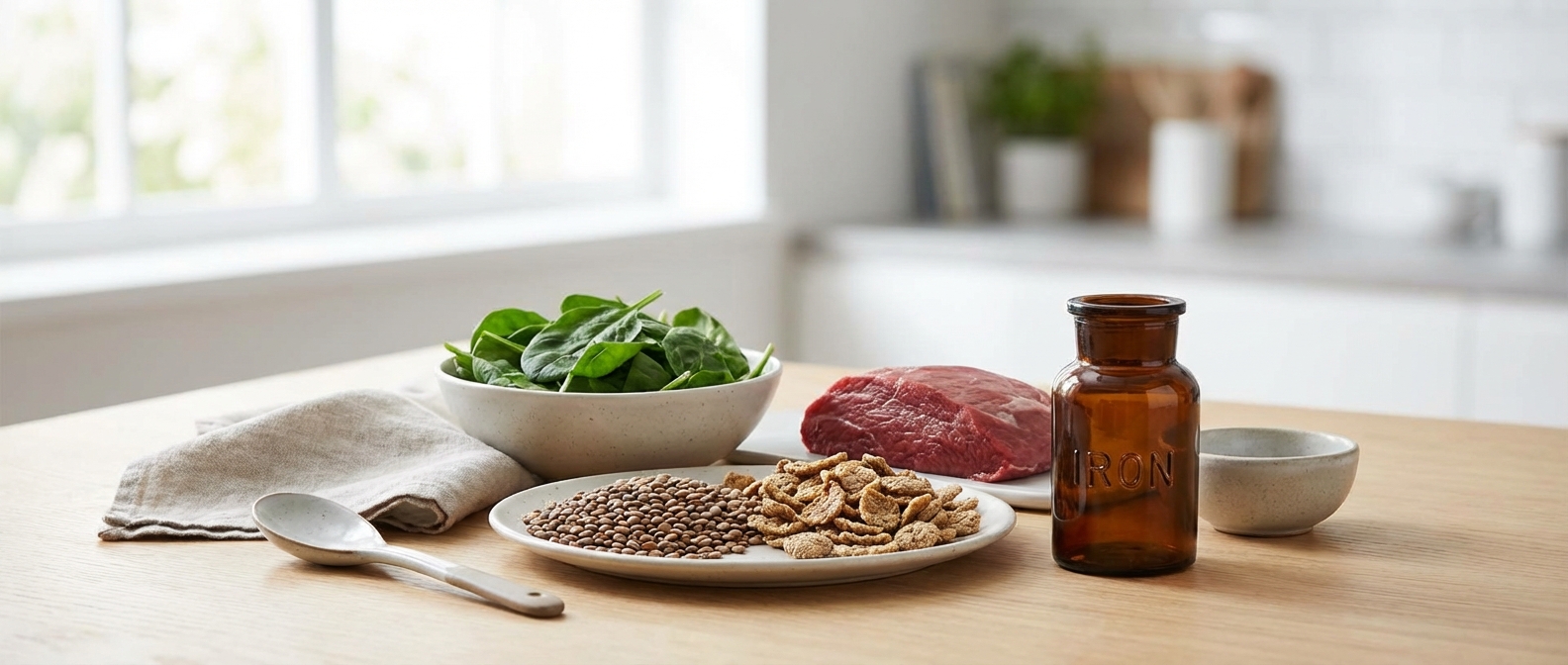
In Australia, top dietary sources of iron include lean red meat, poultry, fish, eggs, fortified breakfast cereals, wholegrains, legumes, tofu, spinach, and beans. Animal-sourced (haem) iron is absorbed more effectively by the body than the plant-based (non-haem) version.
Benefits of an Iron Supplement: Who May Need It?
Supplementation is usually considered for people diagnosed with iron deficiency by a healthcare professional, individuals who cannot absorb enough iron through food, or those with high needs, such as during pregnancy or growth. Dosage should always be tailored and monitored according to medical advice.
What Vitamin Helps Iron Absorption?
Vitamin C is the best-known vitamin for increasing iron absorption, especially from plant-based sources. Consuming fruits (like oranges, kiwi, or strawberries) or vegetables (like capsicum, broccoli, or tomatoes) with iron-rich foods can make the body absorb up to three times more iron.
Certain foods and drinks—including tea, coffee, and dairy—may reduce how much iron you absorb from a meal. For best results, try to keep these drinks separate from your iron-rich meals by at least an hour.
Diagnosing Iron Deficiency: Tests and What to Expect
If you or your doctor suspect lack of iron, the next step is usually a blood test called a full blood count (FBC) combined with a ferritin check (which measures iron stores). Blood tests are the only way to accurately diagnose iron deficiency, as symptoms alone may be misleading.
Your GP or healthcare provider will interpret these results alongside your medical history and lifestyle to suggest the best approach. In Australia, such tests are widely available through GPs or pathology clinics and may be covered by Medicare in many cases.
After diagnosis, your doctor will work with you to decide if changes in diet, medical treatment, or supplements are needed, and what follow-up is appropriate.
Treating Low Iron: Management Options and Preventative Tips
Treating low iron generally focuses on increasing iron intake, addressing the underlying cause, and supporting ongoing prevention. In many cases, dietary changes—supported by a balanced and iron-rich eating pattern—are the first step.
Where needed, iron supplements are often prescribed. These should only be taken on the advice of a health professional, as overuse may have side effects. In rare cases, or when oral supplements aren’t effective or well-tolerated, intravenous iron infusions may be considered under specialist supervision in Australia.
Simple, practical steps to support your iron health:
- Include a variety of iron-rich foods in your daily meals
- Pair plant iron foods with vitamin C sources for better absorption
- Speak to your GP about iron screening if you’re pregnant, regularly menstruating, vegan, elderly, or have chronic illnesses
- Limit tea and coffee around main meals
- Follow medical advice before starting, changing, or stopping supplements
| Risk Factor | Prevention Strategy | Professional Support |
|---|---|---|
| Vegetarian or Vegan Diet | Boost plant iron, add vitamin C, monitor regularly | GP, Accredited Dietitian |
| Heavy Periods | Consult health provider, consider screening for low iron | GP, Gynaecologist |
| Digestive Health Issues | Address root condition, review absorption | GP, Gastroenterologist |
Checklist: Boost Your Iron Every Day
- Are you eating a variety of iron-rich foods most days?
- Do you add a vitamin C food or drink to plant-based iron meals?
- Have you checked with your GP about your iron status in the past year—especially if you feel tired or belong to a higher-risk group?
- Do you avoid having tea, coffee or calcium supplements at the same time as your main iron meals?
- Are you following your health professional’s advice on supplements or treatments?
Risks, Side Effects, and Safety of Iron Supplements
While iron is essential, more is not always better. Do iron supplements work? Yes, if taken for the right medical reasons and under supervision. However, like any supplement, there are risks if not used appropriately:
- Stomach pain or upset, constipation, or diarrhoea—these are the most commonly reported side effects
- Unpleasant taste or darkened stools
- Iron overload—rare in healthy people, but can be dangerous if you have conditions like haemochromatosis (genetic iron overload)
- Interference with other nutrients, particularly zinc or calcium, at very high supplemental doses
It’s essential to follow your doctor’s advice about taking iron. If you notice unusual or severe side effects, or if you suspect an accidental overdose (which is a medical emergency, particularly for children), seek immediate medical attention. Safe, evidence-aligned use will help maximise the pros of iron supplements while reducing risk.
For further information, you can review practical safety advice from Better Health Channel or NPS MedicineWise.
When to Seek Help: Guidance for Australians
Persistent tiredness, shortness of breath, or unexplained symptoms should never be ignored. If you are worried about your iron status, suspect you may need lack of iron treatment, or experience symptoms outlined above, a visit to your GP is the first step. Early assessment and diagnosis can help prevent complications and support your return to feeling your best.
It’s particularly important to seek professional healthcare if:
- You have ongoing symptoms of iron deficiency not improving with dietary changes
- You are considering starting supplements or changing your dose
- You have been diagnosed with, or have a family history of, iron overload disorders
- You are pregnant, planning pregnancy, or recently had a baby
Timely support and monitoring are essential for anyone relying on supplements or treatment options, ensuring the approach remains safe, effective, and adapted over time.
FAQ
- What is the main use of iron in the body?
- Iron is chiefly used to make haemoglobin, the protein that allows red blood cells to carry oxygen throughout the body and support overall energy and organ function.
- How can I tell if I have low iron?
- Symptoms such as tiredness, pale skin, headaches, and difficulty concentrating may suggest low iron, but only blood tests can confirm it. If you suspect you’re at risk, speak to a health professional for proper screening.
- Are iron supplements good for everyone?
- Iron supplements may benefit people diagnosed with iron deficiency, but they aren’t suitable for everyone. Taking supplements without medical advice can lead to unwanted side effects or, rarely, iron overload.
- Which foods help increase iron levels naturally?
- Lean red meat, poultry, seafood, fortified cereals, legumes, leafy greens, and beans are good sources. Absorption is boosted when eaten with vitamin C–rich foods.
- When should I see a doctor about iron concerns?
- If you experience persistent tiredness, unexplained fatigue, pale complexion, or are in a high-risk group, book an appointment with your GP to discuss iron testing and personalised recommendations.