

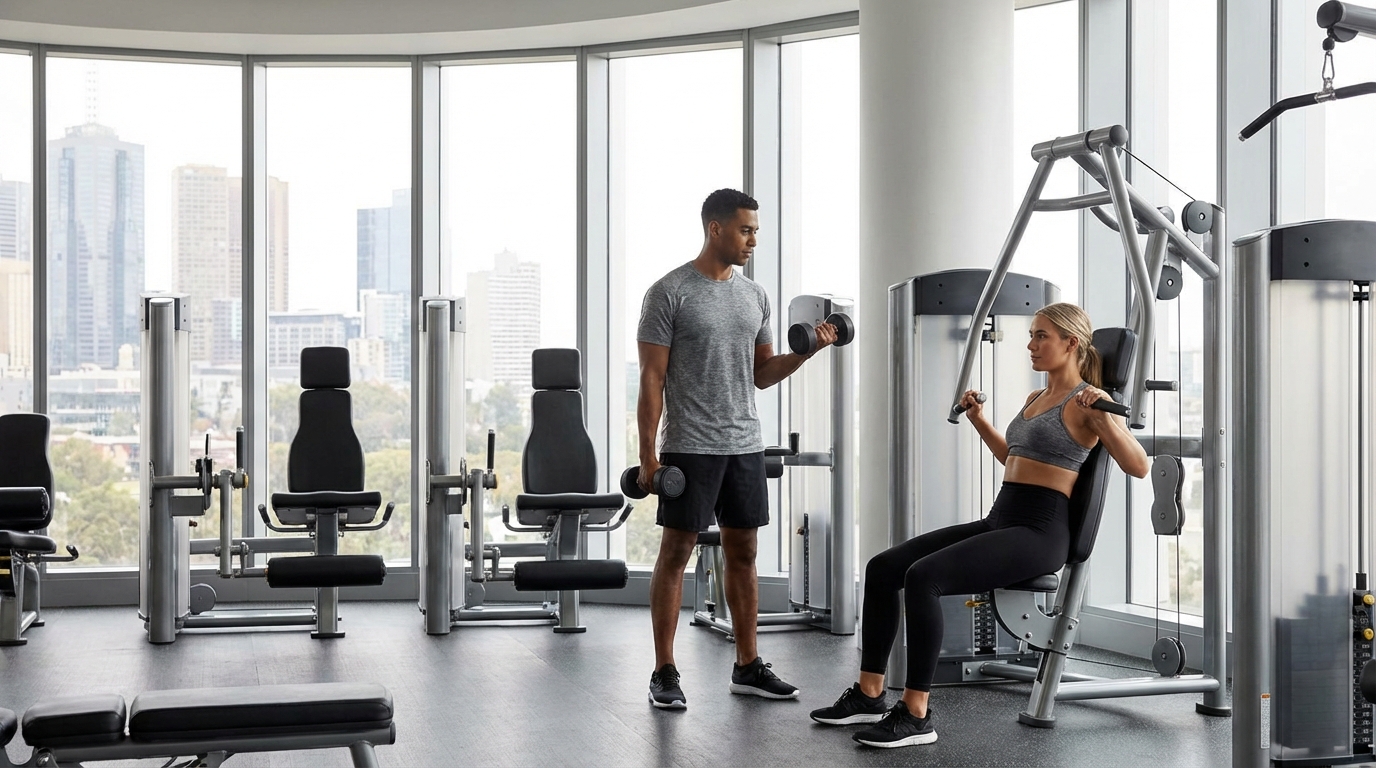
Weight workouts are a popular way to build strength, improve health, and support everyday movement for Australians of all ages. This resource is designed for the general Australian public, including health-conscious individuals, carers, and anyone curious about fitness with weights. The information presented here is purely educational and should not be taken as personal medical advice. By reading on, you’ll gain a clearer understanding of weight workouts, how to safely train with weights, common signs your body needs rest, and when it’s time to reach out to a healthcare professional.
Your Guide to Weight Workouts: Safe Training, Prevention & Key Risks
Understanding Weight Workouts: What Are They and How Do They Help?
Weight workouts, also called resistance or strength training, use external weights—such as dumbbells, barbells, or even body weight—to challenge your muscles. The aim is not just appearance or muscle size; weight exercises are recommended by Australian Government health guidelines for their broad benefits. These may include stronger muscles, better bone health, improved metabolism, increased mobility, and lowered risk of chronic conditions like type 2 diabetes or osteoporosis.
Whether you’re new to training or an experienced athlete, there’s a huge range of free weight exercises and gym-based routines to suit any fitness level. Weight workouts can be performed at home, in a park, or at fitness centres, and may involve traditional dumbbells, kettlebells, resistance bands, or simple body weight exercises.
For Australians, participating in regular weight exercises is associated with better function and independence as we age. Plus, it can support positive mental health outcomes through greater confidence and achieving personal health goals.
Benefits of Weight Exercises in Everyday Australian Life
Many Australians use weights to enhance sports performance, keep up with young children, or simply to feel more energised at work. For example, stronger muscles built through dumbbell workout routines can make tasks like gardening, carrying shopping, or moving furniture less taxing. Clinical research endorsed by Exercise & Sports Science Australia shows that regular strength training is linked to reduced risk of falls in older adults and may help maintain independence well into later life.
Pro Tip: Begin with lighter weights and progress gradually. This reduces injury risk and helps you master good technique. If you’re unsure where to start, a session with an accredited exercise professional can set you on the right path.
Common Weight Workouts and How to Do Them Safely
Weight workouts come in many forms, allowing you to tailor sessions to your preferences and lifestyle. Below are some widely practised exercises using weights:
- Body weight exercises (e.g., squats, push-ups)
- Dumbbell exercises (e.g., bicep curls, shoulder presses, dumbbell rows)
- Barbell movements (e.g., deadlifts, bench presses, barbell squats)
- Kettlebell routines (e.g., swings, goblet squats)
- Resistance band training (offering a lighter load and reduced joint stress)
A typical dumbbell workout routine for beginners might include two sets of 10–12 repetitions for major muscle groups, performed 2–3 times per week. Quality of movement is crucial—focusing on posture, breathing, and control delivers better results and minimises risk. Avoid rushing and ensure you warm up first; gentle aerobic activity and dynamic stretches prepare the body for more demanding exercises.
If you have existing medical conditions or are over 45 and new to exercise, the Heart Foundation recommends discussing any new routine with your GP or a qualified allied health professional.
Free Weight Exercises vs. Machine-Based Training
| Type | Benefits | Risks/Considerations |
|---|---|---|
| Free weight exercises | Engages stabilising muscles, versatile, simulates everyday movements; can be done at home or in gym. | Higher risk of poor technique if unsupervised; may require more balance and core strength. |
| Machine-based workouts | Guided movement; easier for beginners and those with limited mobility; less risk of dropping weight. | Less adaptable to different body sizes; may not mimic real-life movement patterns; sometimes not accessible outside a gym. |
Consider your own goals and preferences when choosing between free weights and machines. If in doubt, seek out guidance in person or from trusted online sources associated with AusActive.
Recognising Warning Signs and Symptoms: When to Pause or Adapt
Regular fitness with weights is generally safe for most Australians when performed correctly. However, it is important to understand the symptoms and warning signs that indicate your body needs rest or that you may be at risk of injury. Ignoring these signals can lead to setbacks.
- Persistent or sharp joint pain—especially during or after exercise
- Swelling, redness, or visible bruising
- Sudden muscle weakness or numbness
- Dizziness, fainting, or severe breathlessness
- Pain that does not resolve with rest or basic self-care
If you notice any of these symptoms while doing weight workouts or soon after, pause your session. Most muscle soreness after a new dumbbell workout routine is normal and usually fades within a couple of days. However, persistent or unusual symptoms should be discussed with your doctor or physiotherapist, especially if you have underlying health conditions or a history of heart disease.
For more information on safe exercise guidelines, see Healthdirect Australia’s guidance on strength training.
Comparison: Common Symptoms After Exercise
| Symptom | Normal after Exercise? | Potential Cause | When to Seek Advice |
|---|---|---|---|
| Mild muscle soreness | Yes | Muscle adaptation, especially after new activity | If persists for >72 hours or worsens |
| Sharp joint pain | No | Possible strain, injury, or overuse | Immediately if persistent or severe |
| Swelling or bruising | No | Soft tissue injury or excessive load | Promptly if not improving |
| Dizziness/fainting | No | Low blood sugar, dehydration, overexertion | Immediately, especially if recurrent |
Causes and Risk Factors: Who’s Most at Risk When Training with Weights?
While anyone can benefit from exercises using weights, some factors increase the risk of injury or complications. Understanding these can help you prevent common problems before they arise.
- Lack of proper technique or supervision, especially when new to weights
- Choosing loads that are too heavy for your current strength or ability
- Training through pain or without adequate rest
- Pre-existing medical conditions—such as arthritis, osteoporosis, or previous heart issues
- Poor footwear, unsafe environments (cluttered home space, slippery floors)
- Skipping warm-ups or cool-downs
- Inadequate hydration or nutrition, particularly with high-volume routines
For Australians living with chronic health conditions, it’s wise to seek an assessment from a credentialed exercise physiologist or physiotherapist to safely tailor your workout. Remember, age alone is not a barrier—plenty of older Australians engage in gentle weight training with appropriate modifications.
Children and young people are also encouraged to engage in supervised strength activities, as supported by Sport Australia‘s Play guidelines. However, exercises using weights should be age-appropriate and focused on body weight or light resistance for under-16s, always under supervision.
Prevention Checklist: Safe Weight Workouts for All Ages
| Safety Check | Recommendations |
|---|---|
| Get medical clearance if you have pre-existing conditions | Consult your GP, especially over age 45 or if pregnant |
| Warm up for 5–10 minutes before lifting | Use light aerobic activity and dynamic stretches |
| Focus on proper form over heavy weight | Use mirrors, videos, or a trainer for feedback |
| Progress gradually | Increase weight or sets conservatively (roughly 5–10% increases only after adaptation) |
| Listen to your body | Rest if you feel pain, dizziness, or unusual fatigue |
| Avoid holding your breath | Breathe out during exertion, in during lowering |
| Use safe, uncluttered spaces | Check for trip hazards and ensure enough space to move freely |
| Hydrate before, during, and after sessions | Especially in hot climates or long workouts |
Managing Concerns and Specific Risks with Weight Workouts
While weight workouts are generally beneficial, it is essential to manage potential concerns and avoid common missteps. Some mistakes include overtraining, neglecting rest days, or ignoring niggling pains, which can contribute to injuries like sprains, tendonitis, or exercise-induced rhabdomyolysis. While the last is rare, it can occur if you dramatically overexert yourself, especially in hot weather or after a long period of inactivity.
Being cautious with new, complex lifts—like deadlifts or bench press—can help prevent acute injury. Using a spotter or professional trainer for advanced moves is recommended.
- If pain persists despite rest, or you experience swelling or inability to move a joint, consult a sports physiotherapist or GP
- For heart symptoms (like chest pain, significant breathlessness, or palpitations), seek urgent medical attention
- Children, older adults, and people with disabilities should always begin under supervision
For more about exercise-related risks and when to seek advice, Better Health Channel provides excellent guidance for Victorian and Australian readers.
Frequently Asked Questions (FAQ)
- How often should I do weight workouts each week?
- Most healthy Australians can benefit from two to three sessions per week, with at least one rest day between to allow for recovery. Listen to your body and adjust according to your energy, goals, and any health guidance from your GP or allied health professional.
- Is there a minimum age for starting to train with weights?
- Children can start resistance training under supervision at any age, generally using body weight or very light loads. A qualified coach or exercise physiologist should ensure proper technique and safety, particularly before adolescence.
- Are weight exercises suitable for older adults?
- Absolutely. With appropriate tailoring and supervision, resistance training can increase strength, balance, and independence for older Australians. Always check with a healthcare provider before starting if you have medical conditions or are new to exercise.
- What are the most common mistakes people make with free weight exercises?
- The most common are using weights that are too heavy, poor form, skipping warm-ups, and not giving the body adequate rest. All can increase risk of short-term and long-term injury.
- When should I stop weight workouts and seek professional advice?
- If you experience persistent joint pain, swelling, numbness, chest pain, or severe breathlessness, stop immediately and speak to a healthcare professional. Early intervention helps prevent further injury.