

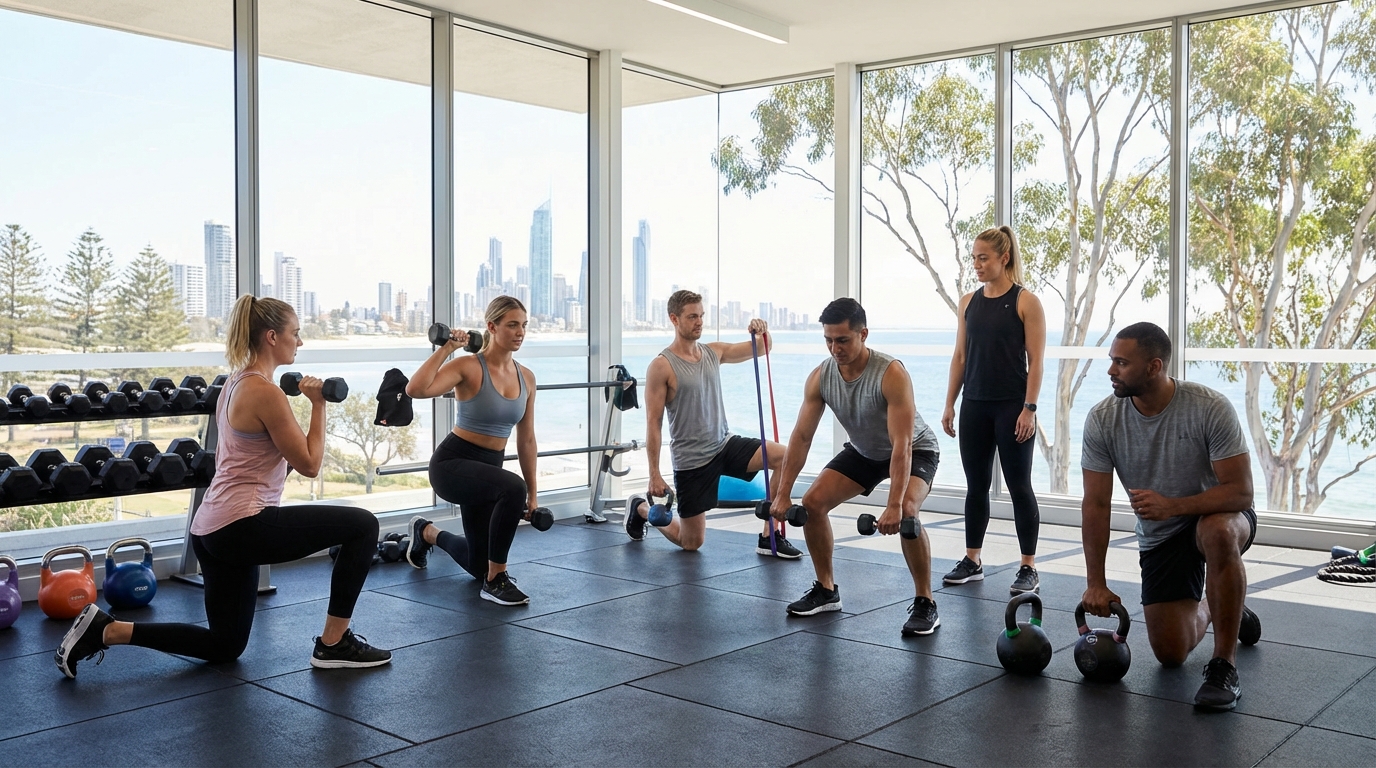
Weight resistance training for weight loss is increasingly recognised by health professionals and fitness organisations across Australia as a pivotal part of a well-rounded approach to achieving and maintaining a healthy weight. This article is designed for the general Australian public, anyone interested in health and fitness, and those seeking educational information to guide weight management. The information presented here is for educational purposes only and should not replace professional medical advice. By the end of this article, you’ll understand how resistance and lifting exercises contribute to weight loss, the related benefits and risks, and practical steps to support your health and safety within the Australian context.
Understanding Weight Resistance Training for Weight Loss
Weight resistance training—also known as resistance or strength training—refers to physical activities that involve working your muscles against a force or load, typically using free weights, weight machines, resistance bands, or bodyweight movements. Over recent years, resistance training to burn fat has gained attention within mainstream Australian fitness and health guidelines. This shift reflects growing evidence from bodies like the Australian Government Department of Health and Heart Foundation, recommending resistance routines alongside aerobic exercise for balanced health and effective weight management.
What Is Weight Resistance Training?
Resistance training involves structured exercises where muscles exert force to move, hold, or resist weight or tension. Common forms include lifting barbells and dumbbells, using gym equipment, performing squats or lunges with bodyweight, and training with resistance bands. These exercises stimulate muscle growth, improve strength, and can boost metabolic function.
Although resistance training isn’t traditionally associated with rapid fat burning compared to aerobic activity, research from public health authorities such as Better Health Channel indicates that it helps preserve or increase lean muscle mass. This higher proportion of muscle can increase your resting metabolic rate, leading to greater energy expenditure over time—even at rest.
How Does Resistance Training Differ from Cardio Exercise?
While traditional cardio activates large muscle groups continuously (e.g., running or cycling), resistance training focuses on repeated efforts against resistance, aiming to develop muscle strength and size. Both exercise forms are beneficial; however, resistance routines can provide relatively greater improvements in strength, bone density, and muscle mass.
The integration of resistance and aerobic routines is often encouraged for those prioritising sustainable weight loss, healthy ageing, and overall wellbeing.
| Exercise Type | Main Benefit | Weight Loss Impact | Example Activities |
|---|---|---|---|
| Resistance Training | Muscle strength, metabolism | Builds lean mass, raises resting metabolism | Lifting, bodyweight exercises, bands |
| Aerobic Exercise | Cardiovascular fitness | Burns calories during activity | Walking, running, cycling |
| Flexibility & Mobility | Joint range of motion | Supports movement quality | Yoga, stretching, Pilates |
Causes and Contributing Factors in Weight Resistance Training for Weight Loss
The effectiveness of weight resistance training for weight loss can vary based on individual health, genetics, lifestyle choices, and environmental context. In Australia, sedentary behaviours, access to training facilities, nutritional habits, and chronic health conditions all influence how well someone may benefit from resistance routines.
Lifting and weight loss are most successful when combined with a nutritious diet, adequate sleep, and appropriate recovery. Additionally, factors such as age, baseline fitness, gender, hormone levels, and previous training experience contribute to differences in results.
The Role of Metabolism and Muscle Mass
As muscle tissue requires more energy to sustain than fat tissue, those with greater muscle mass have a higher daily energy requirement. Consistent resistance training increases or maintains muscle mass, which may help offset the decline in metabolism that often comes with age or calorie-restricted diets. However, sudden or rapid weight loss goals may not be supported by resistance exercise alone. It’s best approached as a component of a longer-term strategy.
Influence of Australian Lifestyle Factors
Australian cities offer a range of gyms, recreational clubs, and community fitness programs, making resistance training accessible to many. However, rural and remote populations can face barriers such as limited equipment or professional oversight. Social and cultural attitudes towards body image, gender, and physical activity may also shape the willingness to engage in regular resistance routines.
Warning Signs, Symptoms & Safety Considerations
When beginning or intensifying a resistance training program to burn fat, it’s important to watch for signs that the program may be causing harm or is unsuitable. These may include persistent joint pain, swelling, unusual fatigue, or dizziness. Individuals with pre-existing health conditions—such as heart disease, hypertension, or musculoskeletal disorders—should consult a health professional before starting a new regime.
Risk factors for injury or adverse effects include improper technique, excess load, insufficient warm-up or recovery, overtraining syndrome, and failing to adapt programs to individual needs. Special caution is also advised for older adults, people recovering from injury, and anyone managing metabolic syndrome or similar conditions.
When to Consider Professional Guidance
Australians seeking to maximise safe weight loss through lifting should consider guidance from a certified personal trainer or exercise physiologist, particularly if returning from injury, living with chronic illness, or unsure of correct technique. These professionals can tailor programs, monitor progress, and reduce the risk of serious injury.
Pro Tip: Safety First
Start with lighter weights and higher repetitions to master technique. Gradually increase intensity under supervision and listen to your body’s warning signs to avoid preventable injuries.
Who Is at Higher Risk? Key Risk Groups in Australia
While resistance training is generally considered safe for most Australians, certain groups should approach weight loss routines with extra care. These include older adults, those with chronic musculoskeletal or cardiovascular conditions, individuals who are overweight or obese, or people with a history of eating disorders. For these groups, unsupervised or overly vigorous routines may lead to increased risk of adverse outcomes such as joint injuries or metabolic imbalances.
Consulting a general practitioner (GP), Accredited Exercise Physiologist, or qualified fitness professional before commencing or altering a program is especially recommended for higher-risk groups. They can review individual health status and suggest adjustments for safety.
| Group | Potential Risks | Prevention Measures |
|---|---|---|
| Older adults | Joint injury, falls | Proper supervision, slower progressions, balance focus |
| People living with chronic illness | Heart strain, blood pressure spikes | Medical clearance, modified routines |
| Beginners to resistance exercise | Muscle strains, poor form | Professional instruction, gradual increases |
Prevention and Lifestyle Management: Getting the Most from Resistance Training
Effective prevention of injury and maximising benefits from resistance training go hand in hand. A well-structured program should account for individual capacity, provide adequate recovery, and evolve over time as your strength and skills improve. Combining resistance workouts with a balanced diet, regular aerobic activity, and strategies for stress management can further enhance outcomes.
- Create a realistic schedule with rest days
- Warm up for 5–10 minutes before each session
- Use proper lifting techniques—seek demonstration if unsure
- Stay hydrated and ensure good nutrition
- Incrementally increase weight or resistance
- Listen to your body—take breaks or seek help if in pain
- If possible, work with a qualified trainer or join supervised group classes
| Management Strategy | Example | Potential Limitations |
|---|---|---|
| Progressive Overload | Gradually adding weight or reps | May stall if not adjusted regularly |
| Combination Training | Mixing resistance with cardio | Needs careful schedule to avoid overtraining |
| Nutritional Support | Enough protein for muscle repair | Possible dietary restrictions/allergies |
Prevention Checklist
- Consult a health professional if you have existing conditions
- Start new resistance programs slowly
- Follow guidance from certified trainers
- Wear appropriate footwear and attire
- Monitor for new or worsening symptoms
- Adjust routines or stop if pain arises
- Keep hydrated and rest between sessions
- Include variety to avoid overuse injuries
Access, Cost, and Support in Australia
Australians have access to a range of options for incorporating resistance training, from public gyms and community recreation centres to virtual resources and online training. Some private health insurers may provide rebates for supervised exercise programs prescribed by Accredited Exercise Physiologists, especially for those managing specific health conditions.
For those in rural or remote areas, libraries of online instructional videos and virtual sessions offered by recognised groups are increasingly available. The Exercise & Sports Science Australia site lists exercise professionals by location.
Out-of-pocket costs can vary, but free or low-cost options include local council programs, park-based group classes, or equipment-free routines at home using body weight.
When to Seek Professional or Medical Help
If you experience persistent pain, swelling, shortness of breath, chest discomfort, faintness, or other unusual symptoms during or after resistance training, stop the activity immediately. Contact your GP or emergency services as appropriate. For ongoing soreness, difficulty progressing, or questions related to safe exercise, consult with Accredited Exercise Physiologists or fitness professionals familiar with your health context.
Resistance training can be highly beneficial when matched to your needs and abilities, but listening to your body and seeking professional help at the right time is key for long-term, sustainable results.
FAQ
Can resistance training alone lead to significant weight loss?
Resistance training supports weight loss primarily by increasing muscle mass and metabolic rate, making it easier to maintain a calorie deficit. However, combining resistance exercise with a balanced diet and other physical activity typically offers the most effective and sustainable results.
Are there specific safety risks with lifting weights for weight loss?
Risks include muscle strains, joint injuries, improper lifting technique, and overtraining. To minimise these risks, progress gradually, learn proper form, and consider guidance from qualified trainers. Individuals with health conditions should seek medical advice before starting new programs.
How often should Australians perform resistance training for weight loss?
National guidelines recommend resistance training at least two days per week, in addition to regular aerobic activity. Frequency should be adjusted based on age, health status, and experience, with proper recovery and rest periods between sessions.
Is resistance training suitable for older adults or beginners?
Yes, with appropriate supervision and program modifications, resistance training can be safely adapted for older adults and beginners. Start with lighter weights, focus on technique, and progress gradually.
Should I seek medical clearance before starting a resistance training program?
It is advisable to seek medical clearance if you have chronic health conditions, have been sedentary, or are unsure of your readiness for physical activity. This ensures your safety and helps tailor a program suited to your needs.