

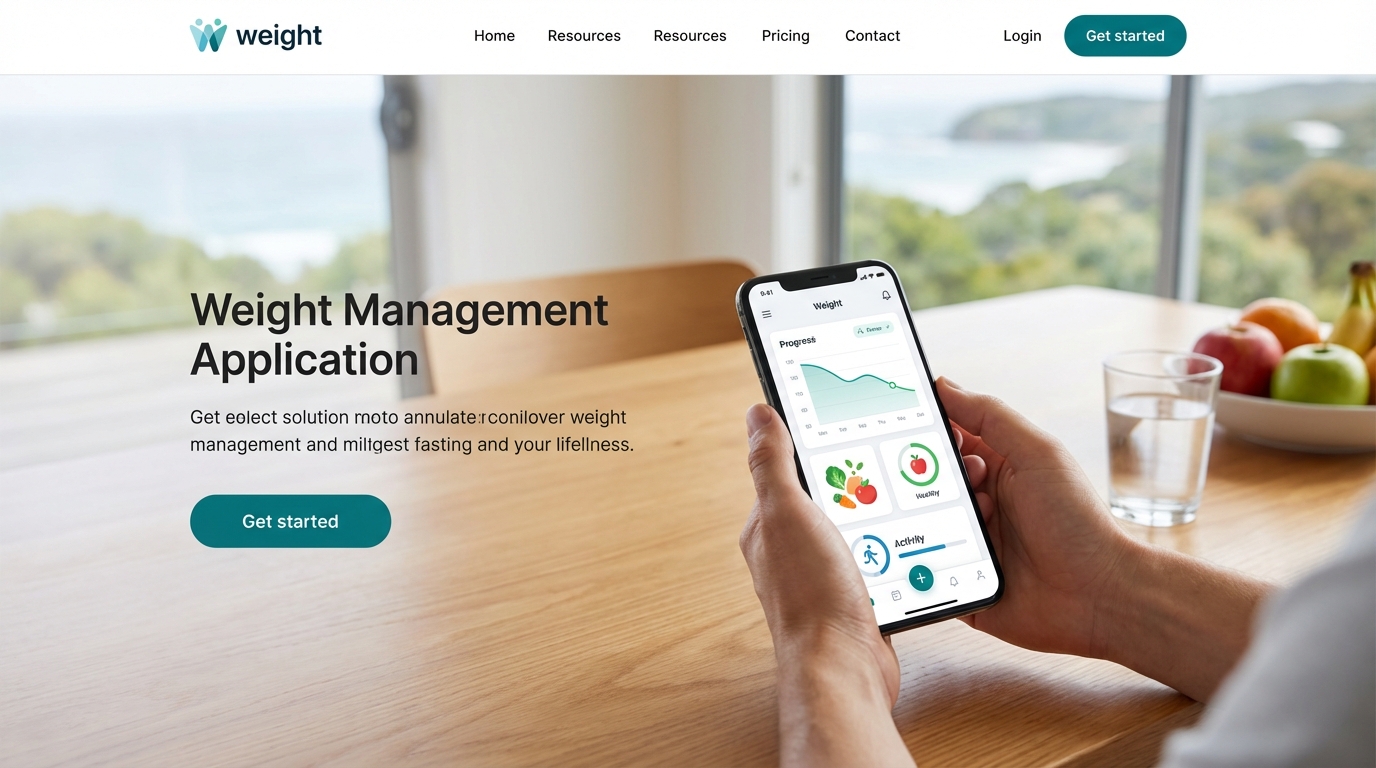
Exploring weight reduction app options in Australia is becoming more common among the general public, health-conscious individuals, and carers looking for convenient tools to support weight management. This article provides balanced, educational information about how weight loss apps work, who they might benefit, and what to consider for safe, long-term weight management. It’s not a replacement for professional medical advice, but by reading on, you’ll understand the main features, intended use, risks, and real-world applicability of weight reduction apps in the Australian setting.
Understanding Weight Reduction Apps: An Australian Health Perspective
What Are Weight Reduction Apps and How Do They Work?
Weight reduction apps are digital tools or mobile applications designed to support individuals seeking to manage or reduce their weight. Often regarded as top rated weight loss apps, these platforms help users monitor their daily food intake, activity levels, and progress toward personalised health goals. Many of the best apps to reduce weight include calorie tracking, recipe logs, step counters, and motivational coaching, often with user-friendly interfaces tailored for beginners and experienced users alike.
In Australia, the popularity of these apps has grown, with preferences for platforms that align with healthy eating guidelines supported by Eat for Health (Australian Dietary Guidelines) and resources from Healthdirect Australia. Despite the convenience, individual results may vary due to factors such as baseline health, eating habits, cultural considerations, and underlying medical conditions. Importantly, a weight reduction app is typically a supplement to, not a replacement for, advice from a qualified healthcare provider.
Common Features of Top Weight Loss Apps
Good weight loss apps generally combine multiple features to aid in sustainable weight management. Standard offerings include:
- Food and nutritional tracking
- Physical activity and exercise monitoring
- Goal setting and progress dashboards
- Reminders and motivational messages
- Integration with devices (smartwatches, fitness bands)
Australian consumers often prefer apps that localise food databases and include culturally relevant recipes or shopping guides. The ability to personalise settings and goals further supports long-term adherence, contributing to their role as great weight loss apps for a wide audience.
Recognising the Signs: Who Can Benefit from a Weight Reduction App?
While anyone interested in healthy living can explore weight loss apps, recognising symptoms that may signal a need for weight management support is important. These can include increased fatigue, difficulty engaging in physical tasks, or a gradual rise in waist circumference. However, not all individuals demonstrating these signs should automatically use an app; professional assessment is sometimes essential to rule out underlying medical causes.
For Australians with a history of conditions such as metabolic syndrome or type 2 diabetes, or those with a family background of cardiovascular disease, adopting technology like a weight reduction app may offer helpful structure. Carers supporting older adults or adolescents with weight concerns often use these apps as part of a holistic lifestyle approach, always considering age, ability, and privacy safeguards.
Checklist: Is a Weight Reduction App Right for You?
| Consideration | Yes | No |
|---|---|---|
| Are you seeking a convenient way to track food and activity? | ✓ | |
| Do you have clear, realistic weight goals? | ✓ | |
| Are you able to use smart devices comfortably? | ✓ | |
| Have you consulted a healthcare professional for personalised advice? | ✓ | |
| Do you have a medical condition needing specialist input? | ✓ |
For those with chronic health conditions, seeking advice from your GP or accredited dietitian before using new health technology is always recommended.
Main Causes and Contributing Factors to Weight Gain in Australia
Understanding the drivers behind weight gain can help users determine how top weight loss apps fit into a broader health management strategy. Contributing factors include:
- Poor dietary patterns, including high intake of processed or fast foods
- Sedentary lifestyles
- Genetic predispositions
- Chronic stress or sleep disruption
- Certain medications (for example, some antidepressants or corticosteroids)
- Medical conditions such as hypothyroidism or polycystic ovary syndrome
In Australia, sociocultural influences, availability of fresh produce, and access to recreational spaces also play important roles. Weight loss apps may help address some, but not all, of these causes by providing reminders for healthy behaviours and tools to track progress. Nonetheless, reliance on an app alone is rarely sufficient, especially when underlying medical conditions contribute to weight gain.
Exploring the Impact: Risks and Limitations of Weight Loss Apps
While the best weight loss app can be a helpful adjunct for many Australians, it’s critical to be aware of limitations and risks. For instance, some individuals may develop a preoccupation with calorie counting, potentially triggering or worsening disordered eating patterns. Over-reliance on app-tracked metrics can also lead to misinterpretation of health status, particularly if the app provides generic recommendations that conflict with professional advice.
Privacy and data security are further considerations. As weight loss apps collect sensitive health data, it is paramount to review privacy policies and ensure the app complies with Australian digital health standards, such as those promoted by the Australian Digital Health Agency.
Users may also experience frustration if the app fails to account for individual nutritional needs, cultural preferences, or accessibility barriers. Therefore, the adoption of any digital health tool should be considered within a wider framework of regular health checks, trusted support systems, and, where appropriate, face-to-face medical advice.
Pro Tip: Safe Use of Digital Health Tools
When using any weight reduction app, set realistic goals and take regular breaks from tracking to avoid becoming overly focused on numbers. Remember, progress is often non-linear, and small, consistent lifestyle changes tend to provide lasting results.
Management Pathways: Integrating Apps with Real-World Strategies
The most effective approach to weight management combines digital tools with established, evidence-based lifestyle changes. This could include:
- Consultation with an accredited practising dietitian
- Regular physical activity suited to your age and ability
- Adoption of the Australian Dietary Guidelines
- Utilising community support programs, such as local walking groups or health education seminars
- In some cases, supervised medical interventions when recommended
Weight loss apps can support these strategies by tracking behaviour change and providing motivational feedback; however, the best results typically occur when such technology is part of a holistic, individualised plan underpinned by professional input. If you’re unsure about the right pathway, reaching out to a health professional is a prudent next step.
| Symptom/Concern | Possible Associated Condition | Management Option |
|---|---|---|
| Rapid unintended weight gain | Endocrine disorders, medication side effects | Medical review, specialist referral |
| Difficulty losing weight despite healthy efforts | Hormonal imbalance, metabolic conditions | Dietitian input, tailored support, review of contributing medications |
| Mild gradual weight gain | Diet and lifestyle factors | Lifestyle change, tracking with good weight loss apps |
Prevention and Lifestyle: Healthy Habits with Digital Support
Prevention of weight gain remains a key pillar of good health. Whether or not you choose to use a weight reduction app, focusing on sustainable routines can help. In the context of Australian obesity rates, both national and state health strategies promote practical, family-friendly approaches to food choices and movement.
- Plan meals ahead and include a range of vegetables, lean proteins, and whole grains
- Set reminders to move regularly, even if it’s only a brief walk
- Share health goals with supportive friends or family
- Limit sugary drinks and energy-dense snacks
- Seek out credible educational resources and avoid fad diets
When digital apps are used thoughtfully, they can reinforce these habits by tracking progress and providing encouragement via notifications and positive reinforcement.
Healthier Living Checklist
- Speak with a healthcare provider before beginning any new weight management program
- Set realistic, achievable goals
- Monitor both physical and mental wellbeing
- Prioritise sleep, stress management, and regular physical activity
- Consider privacy and data safety when choosing an app
FAQ
How do weight reduction apps differ from traditional weight loss programs?
Weight reduction apps offer digital tracking, personalised reminders, and sometimes social sharing. Traditional programs, such as in-person groups or medical clinic visits, provide tailored face-to-face support and can address complex needs more directly. Some individuals benefit from using both approaches together for the best results.
Are all top rated weight loss apps suitable for children and teens?
Many weight loss apps are designed for adults and may not account for the nutritional requirements of younger users. Carers and parents should consult a health professional before introducing apps to minors and select platforms with age-appropriate content and privacy settings.
What should I look for when choosing the best weight loss app for my needs?
Look for an app that aligns with Australian dietary standards, includes a comprehensive food database (with local options), robust privacy controls, and allows custom goal setting. Convenience, interface usability, and user reviews may also be helpful considerations.
Can a weight reduction app diagnose medical problems?
No, apps are intended to support general lifestyle changes, not to diagnose or treat medical conditions. If you experience unexplained weight changes or health symptoms, seek professional medical advice without delay.
Are there any risks linked with relying solely on weight loss apps?
Relying solely on digital tools can overlook underlying medical issues and may lead to preoccupation with weight or food tracking. Balance app use with professional advice and a broader approach to health to minimise risks.