

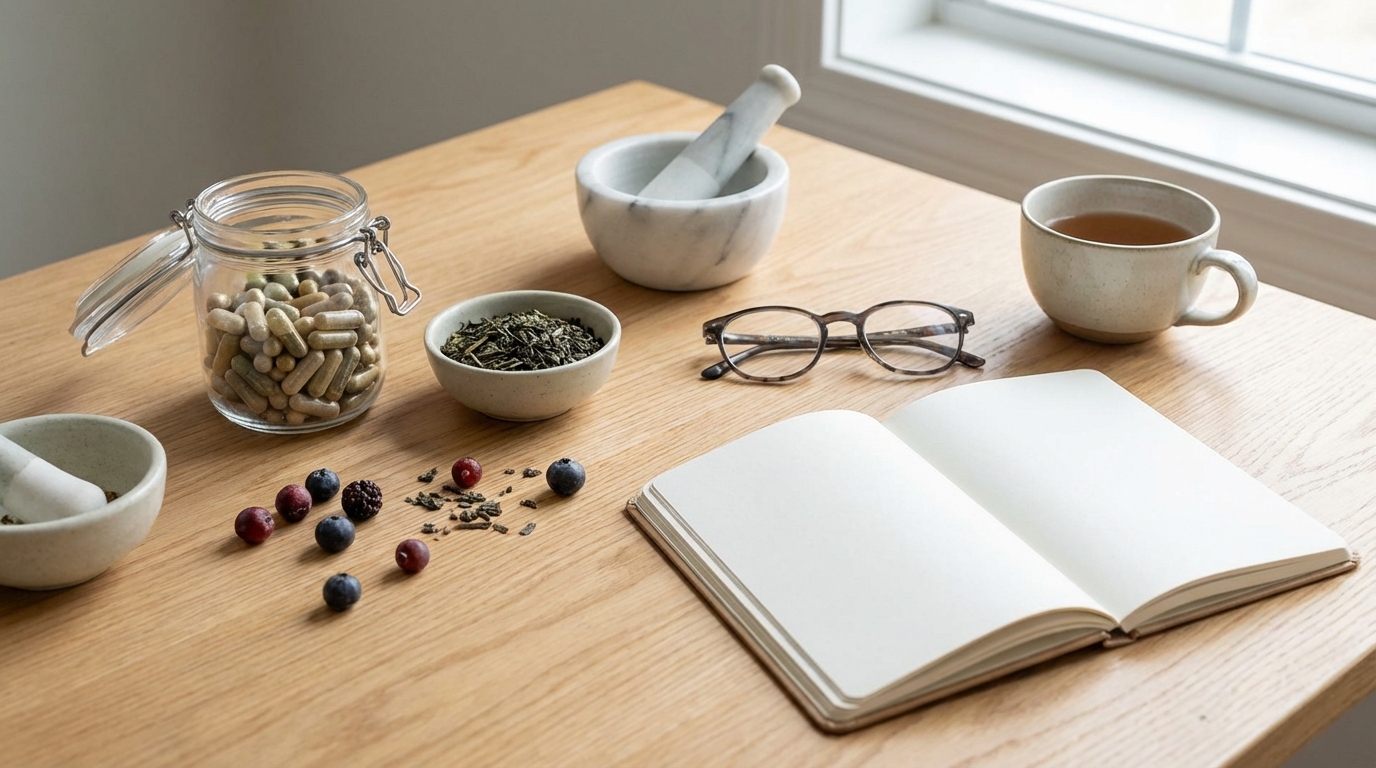
If you’re searching for reliable information on weight loss supplements, this guide is designed for the general Australian public, including those considering weight loss tablets or pills, as well as carers and health-conscious readers. This article is for informational and educational purposes only—it does not replace professional medical advice. By the end, you’ll have a practical understanding of how these products work, their potential benefits and risks, what options are relevant in Australia, and when to seek help from a health professional.
Understanding Weight Loss Supplements in Australia: Evidence, Safety & Practical Tips
What Are Weight Loss Supplements and How Do They Work?
Weight loss supplements, sometimes called weight loss tablets, pills, or fat loss tablets, are products designed to support or enhance weight management efforts. Available over the counter and online, they often claim to help control appetite, boost metabolism, block fat absorption, or enhance fat burning. In Australia, regulations mean that many popular products labelled as “weight loss pills Australia” or “diet pills au” are classified as complementary medicines and overseen by bodies like the Therapeutic Goods Administration (TGA).
These supplements come in many forms, including capsules, powders, and “skinny tablets.” Ingredients range from herbal extracts (such as green tea, garcinia cambogia, or caffeine) to synthetic agents. Their intended use is often to supplement diet and lifestyle changes, not to replace them. A person may see supplements called “best weight loss supplements Australia” or “top rated weight loss supplements,” but effectiveness can vary widely, and some products have little scientific backing.
It’s important to recognise that while many Australians seek out the “best weight loss pills Australia” or “weight control tablets,” not all products are proven effective, and some carry health risks. Always look for products listed on the Australian Register of Therapeutic Goods (ARTG) and consult a doctor before starting any supplement, especially if you have existing health conditions.
Types of Weight Loss Tablets and Pills Available in Australia
The market for weight loss tablets Australia-wide is diverse, with products advertised as “best supplements for weight loss female,” “best weight loss tablets Australia,” and even “weight loss tablets for women.” Understanding their main categories helps consumers make informed decisions:
- Appetite suppressants: Aim to reduce hunger and calorie intake. Active ingredients may include glucomannan or fibre-based supplements.
- Fat absorption blockers: Designed to limit the body’s digestion and absorption of dietary fat. These may include agents like orlistat, which is sometimes available as a pharmacist-only medicine in Australia.
- Thermogenic agents: Claimed to increase metabolism and energy expenditure, often containing caffeine or green tea extract.
- Carbohydrate blockers: Target enzymes needed to digest carbohydrates, sometimes advertised as “over the counter weight loss pills Australia.” Use caution and check TGA approval.
Many “weight loss supplements Australia” are available online or in pharmacies, but not all are equally regulated. If you’re considering options such as “diet tablets Australia” or “best supps for weight loss,” always check if they are listed on the ARTG and consult a health professional.
Are Weight Loss Supplements Right for You? Benefits and Limitations
Choosing between weight loss products requires understanding both potential benefits and significant limitations. Some well-chosen, regulated supplements may offer modest assistance with weight reduction when used alongside lifestyle changes like healthy eating and exercise. Australians might see minor improvements with certain over the counter options—especially those clinically studied and registered with the TGA.
| Potential Benefit | Limitation or Risk |
|---|---|
| Mild appetite suppression | Temporary effect, can lead to rebound hunger |
| Small boost to calorie expenditure | Usually minimal impact without exercise |
| Convenient for some lifestyles | May delay building sustainable healthy habits |
| May support motivation | False sense of security; not a cure |
Pro Tip: For sustainable weight control, focus on habit changes—such as increasing plant-based meals, reducing sweetened drinks, and adding regular movement. Supplements can’t replace foundational health behaviours.
Key Factors Influencing Effectiveness: Causes and Contributing Factors
Before considering “what can I take to lose weight” or “what is the best diet pill to lose weight,” it’s important to understand that weight gain is influenced by many interconnected factors. These include genetics, habits, underlying health conditions, stress, sleep quality, and medications. Supplements alone don’t address these root causes.
Common contributors to weight gain include:
- High-calorie, low-nutrient diets
- Physical inactivity
- Disrupted sleep or high stress
- Underlying medical issues (like thyroid disorders, polycystic ovary syndrome)
- Certain medications (such as corticosteroids or antidepressants)
Reliable “weight loss aids for women” or men must be personalised. For many people, addressing lifestyle factors yields better results than supplements alone. Consulting with a health professional ensures any underlying causes are not missed.
Who Should Use Weight Loss Tablets? At-Risk Groups and Access in Australia
Not everyone is suited to using weight loss pills. In Australia, over the counter weight loss pills are generally intended for adults with a higher body mass index (BMI), or those unable to lose weight through lifestyle means alone. Products claiming to be “best female weight loss pills” or “weight loss tablets for women” may be heavily marketed, but shouldn’t be used without careful consideration of individual health needs.
Groups who should seek medical guidance before considering weight loss supplements include:
- Pregnant or breastfeeding women
- People under 18 years old
- Anyone with a chronic condition, such as diabetes, heart disease, or eating disorders
- Those taking prescription medications (due to potential interactions)
The Healthdirect Australia website provides updated advice on who may benefit from weight management aids and how to access safe options locally.
Side Effects, Safety, and When to Seek Professional Advice
Weight loss supplements, despite being widely available as “over the counter” or “diet pills au,” can cause side effects or serious reactions. Common side effects include gastrointestinal discomfort, insomnia, racing heart, or mood changes. Some “top weight loss products” may interact with prescription medications or exacerbate existing health problems.
Potential safety concerns include:
- Interactions with heart or blood pressure medicines
- Allergic reactions
- Liver or kidney effects (especially with unregulated herbal ingredients)
- Contamination or mislabelling risks with imported products
If you experience symptoms like dizziness, chest pain, rapid heart rate, or persistent stomach upset after starting supplements, stop taking the product and consult a healthcare provider promptly. If using international or online products, check their regulatory status on the TGA database.
Always discuss potential supplement use with your GP or pharmacist—especially if you have any underlying health conditions or concerns about interactions. For urgent questions, the Poisons Information Centre is available for Australians seven days a week.
Checklist: Safer Use of Weight Loss Supplements in Australia
Use this preventative checklist before choosing or starting any weight loss product:
| Checklist Step | Action |
|---|---|
| Check ARTG registration | Ensure the product is listed on the Australian Register of Therapeutic Goods |
| Review ingredients | Examine for any components you may be allergic to or don’t understand |
| Consult your GP | Discuss with your doctor, especially if you have health conditions |
| Monitor for side effects | Note any new symptoms and stop if concerning changes develop |
| Prioritise healthy habits | Remember supplements support, but do not replace, diet and exercise changes |
By following these steps, Australians can reduce risks from “best weight loss products for women” and other marketed options and make informed, safer choices.
Prevention and Lifestyle Approaches: Long-Term Management
No supplement or “skinny tablet” replaces the long-term benefits of healthy eating, physical activity, adequate rest, and positive mental wellbeing. Sustainable weight management comes from gradual shifts in day-to-day choices, not quick fixes.
- Incorporate more vegetables, lean proteins, and whole grains
- Limit sugary drinks and processed snacks
- Make regular physical activity enjoyable and social
- Seek support when needed, whether through your GP, a dietitian, or reputable Australian public health resources
If considering a product advertised as one of the “best weight loss supplements Australia,” remember that prevention and consistency—rather than rapid, unsustainable weight loss—offer the best results over time.
FAQ
Are weight loss supplements safe to use in Australia?
Most weight loss supplements sold in Australia under TGA regulation are generally safe for healthy adults when used as directed. However, some products can cause side effects or interact with medications. Always discuss new supplements with your doctor and avoid unregulated or imported pills.
What should I look for in a weight loss tablet or pill?
Prioritise products listed on the ARTG, check for clear ingredient labels, and avoid those making exaggerated or guaranteed claims. If you have underlying health conditions, seek medical advice before starting any supplement.
Can teenagers or pregnant women use weight loss supplements?
Weight loss supplements aren’t recommended for people under 18 or for those who are pregnant or breastfeeding, due to unknown safety profiles and potential health risks for babies and teens.
Are there natural alternatives for weight control instead of pills?
Yes, evidence supports focusing on nutrition, increasing fibre, whole foods, and increasing physical activity as safer and often more effective approaches to weight control for most Australians.
When should I see a doctor about weight loss options?
See your GP if you’re struggling to manage your weight despite healthy changes, experiencing side effects from a supplement, or have any concerns about your health. Professional support can help tailor options to your needs.