

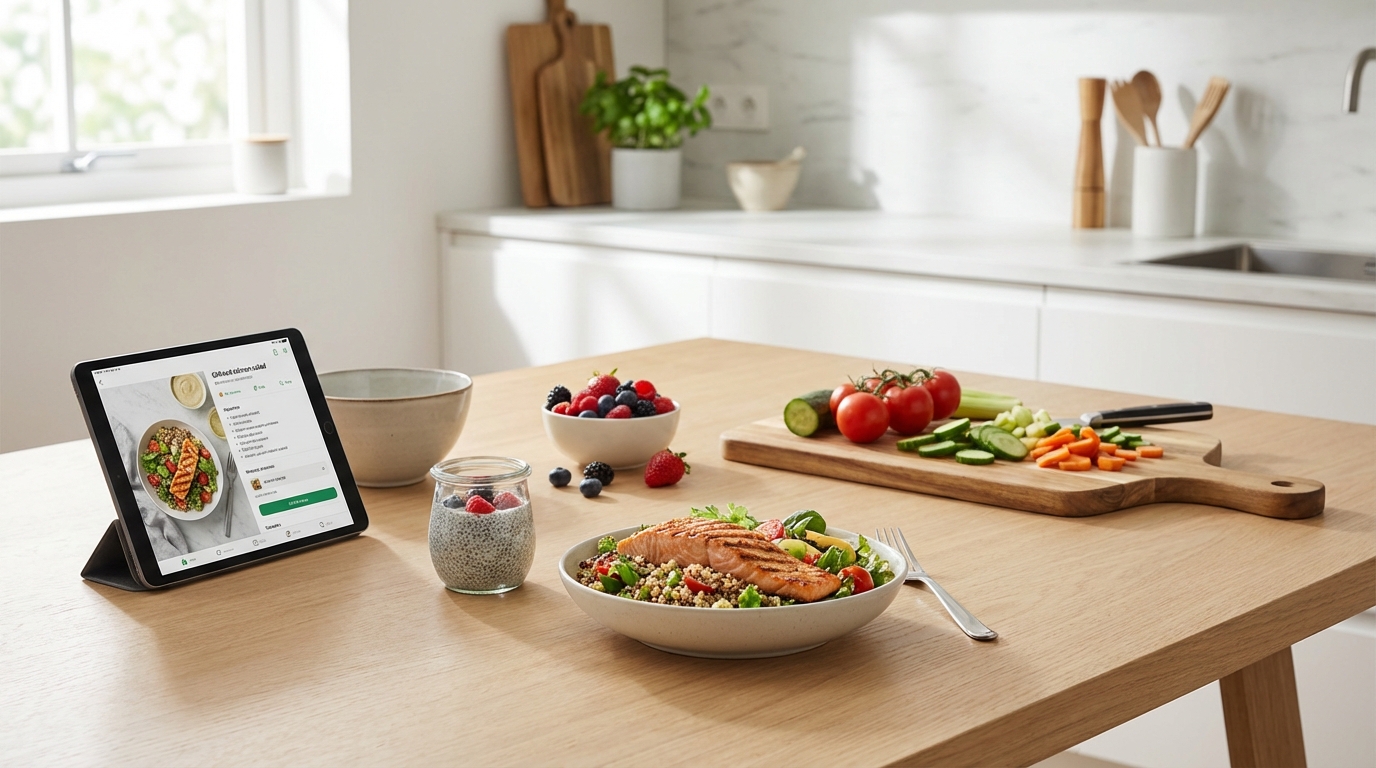
Finding sustainable weight loss recipes is a common priority for many Australians looking to improve their health, manage their weight, or support long-term wellbeing. This guide is for Australian readers who want practical knowledge about healthy meals for weight loss, including smart recipe choices, safety considerations, and where recipes fit within a balanced lifestyle. Please remember: this article provides general educational information—not personal or medical advice. By the end, you’ll understand proven meal ideas, what foods can support weight management, and how to approach weight loss meals safely in the Australian context.
Understanding Weight Loss Recipes: What Works in Australia?
The primary aim of weight loss recipes is to offer balanced, satisfying meals that support safe, gradual weight reduction through a combination of healthy ingredients and realistic serving sizes. In Australia, a healthy weight loss approach aligns with national guidelines from the Australian Dietary Guidelines, which emphasise not just calorie control but the quality and diversity of foods eaten. Using whole, minimally processed ingredients and cooking methods like grilling or steaming can help create healthy menu ideas for weight loss without sacrificing taste or enjoyment. Importantly, individual needs vary, so the best foods for weight loss are those that can fit comfortably with your lifestyle and preferences.
Why Quality Matters: The Foundations of Effective Weight Loss Meals
Weight loss meals work best when they deliver nutrition, enjoyment, and lasting satiety. Australian health experts often highlight that what you eat is as important as how much. Achieving a balanced plate with appropriate servings of lean protein, high-fibre vegetables, whole grains, and healthy fats can help regulate hunger and minimise temptations to overeat.
Choosing the right weight loss foods can support metabolism, manage blood sugar, and reduce the risk of chronic health issues. Examples include:
- Lean proteins: Skinless chicken, fish, legumes, tofu, and eggs
- Whole grains: Brown rice, quinoa, wholegrain bread
- Non-starchy vegetables: Broccoli, spinach, carrots, capsicum
- Healthy fats: Avocado, olive oil, nuts, and seeds (in moderation)
Most healthy recipes for weight loss should also focus on limiting added sugar, excess salt, and unhealthy saturated fats. The aim is to enjoy healthy dinners for weight loss that are crowd-pleasing yet supportive of your goals.
portion control and energy density are often key gaps in global resources, but are vital concepts for Australians to watch as they plan their meals.
Symptoms and Warning Signs: When to Reconsider Your Weight Loss Approach
While experimenting with healthy meal recipes for weight loss is generally safe for most people, it’s important to recognise when your approach may be problematic. Some symptoms and warning signs that suggest a need for professional guidance include:
| Symptoms | Possible Underlying Issues | Recommended Response |
|---|---|---|
| Persistent fatigue or low energy | Not eating enough kilojoules; lacking essential nutrients | Seek input from a health professional |
| Dizziness or frequent headaches | Dehydration or overly restrictive meals | Review meal balance and hydration habits |
| Gastrointestinal issues (bloating, constipation) | Insufficient fibre or sudden diet changes | Gradually increase fibre-rich foods, seek advice if persistent |
| Lack of satisfaction after meals | Imbalanced macronutrients (low protein or healthy fats) | Add satiety-boosting foods, reassess meal composition |
| Mood changes or sustained low mood | Potentially linked to severe energy restriction | Consult with your GP or mental health support |
Any new or worsening symptoms, especially if they interfere with daily life or wellbeing, mean it’s time to check in with an accredited practising dietitian or GP. Watch for signs that weight loss is too rapid—guidelines from the National Health and Medical Research Council and Healthdirect Australia suggest that gradual loss of about 0.5–1 kg per week is generally safest for adults.
nutrient deficiency is an under-addressed topic: restrictive fad diets or unbalanced meals may put you at risk, particularly if you are managing other health conditions.
Key Causes and Contributing Factors: Why Some Weight Loss Recipes Succeed
Several factors influence whether healthy recipes for weight loss deliver the intended benefits. Portion sizes, food choices, cooking methods, and overall consistency play major roles. For Australians, lifestyle, work patterns, and social food culture can also impact what recipes are practical and enjoyable.
Portion Control and Energy Balance
Eating larger portions or high-energy (high-kilojoule) foods—even if they’re healthy—can still stall weight loss. Pre-portioning snacks, using smaller plates, and being mindful of added fats or calorie-dense sauces can help. For most Australians, regularly tracking progress and being aware of portion size is a practical way to stay on course.
Food Quality and Variety
Monotonous meals can make healthy eating difficult to sustain. The most effective meal ideas for weight loss rotate a variety of proteins, vegetables, and healthy grains. Cooking at home lets you control ingredients and experiment with different cuisines, supporting weight management while maintaining interest in your meals.
Individual Differences and External Influences
Each person’s body, metabolism, and weight history are different. Stress, sleep, medications, hormones, and even chronic illness can affect how foods are processed and how easy (or challenging) it is to lose weight. If weight loss is slow or difficult despite consistent effort, consulting your healthcare team is wise.
Prevention and Risk Mitigation: Safe, Sustainable Choices for Australians
Avoiding the risks of extreme or fad diets is crucial. As the Better Health Channel recommends, focus on gradual, lifelong behaviour change—not quick fixes. Prevention strategies include:
- Prioritising minimally processed foods over highly refined or takeaway meals
- Reading ingredient labels and monitoring for hidden sugars or fats
- Planning ahead with healthy dinner ideas for weight loss and preparing meals in batches
- Getting support from family, friends, or a support group to maintain motivation
- Speaking to an accredited practising dietitian before making substantial changes, especially if you have chronic health conditions
Establishing “healthy habits” such as eating regular meals, staying hydrated, and aiming for at least 30 minutes of physical activity most days is the best form of risk-aware prevention for weight-related health problems. Revisit your approach regularly; flexibility and willingness to adapt recipes help prevent burnout or frustration.
| Strategy | Impact on Weight Loss | Australian Real-World Context |
|---|---|---|
| Meal planning and prepping | Reduces unplanned, high-energy snacks | Popular in busy families, shift workers, students |
| Cooking at home more often | Greater control over ingredients and portions | Supports food budget, accommodates dietary needs |
| Eating mindfully | Improves satiety, lessens overeating risk | Commonly taught in weight management programs |
| Limiting discretionary (treat) foods | Reduces empty kilojoule intake | Consistent with government dietary advice |
Best Foods and Easy Weight Loss Recipes: Practical Meal Ideas
Effective weight loss recipes should be nutrient-rich, delicious, and simple to prepare. Here are foundational building blocks and meal examples designed to suit Australian preferences and produce availability.
Healthy Dinner Recipes to Lose Weight
- Grilled Barramundi with Roast Vegetables: Pair fish with a medley of roasted sweet potato, carrots, and zucchini, plus a leafy green salad dressed in lemon and olive oil.
- Chicken Stir-Fry: Lean chicken breast, stir-fried with snow peas, capsicum, broccoli, and brown rice. Use reduced-salt soy sauce and fresh ginger for extra flavour.
- Chickpea and Spinach Curry: Quick, fibre-rich, and excellent for plant-based eaters—serve with cauliflower rice or wholegrain pita for a low-kilojoule base.
Healthy Lunch and Supper Ideas for Weight Loss
- Mediterranean Salad Bowl: Mixed salad greens, cherry tomatoes, cucumber, grilled vegetables, a sprinkle of feta, and a small serve of brown rice or quinoa.
- Turkey and Avocado Wraps: Wholegrain wrap with sliced turkey, avocado, lettuce, and grated carrot; great for lunch on-the-go.
- Lentil Soup: Satisfying and warming, lentil soup is high in protein and fibre and can be batch-cooked for easy meal planning.
Easy Fat Loss Recipes and Time-Saving Meal Ideas
For quick, functional recipes: try overnight oats with low-fat Greek yoghurt and berries, eggs cooked with mixed vegetables, or veggie-laden minestrone soup. These ideas are filling, simple to prepare, and reduce the likelihood of making last-minute, less healthy choices.
Pro Tip: Setting up a Healthy Kitchen
Checklist: Safe and Effective Meal Planning for Weight Loss
- Plan most meals ahead, focusing on whole foods and including protein with each main meal
- Balance your plate: fill half with vegetables, a quarter with lean protein, and a quarter with wholegrains
- Limit added sugars, salty processed foods, and large portions of fatty meats
- Prepare snacks like cut veggies, fresh fruit, small serves of unsweetened yoghurt, or raw nuts
- Drink plenty of water—aim for at least eight cups daily
- If you experience new or unusual symptoms, or have specific dietary issues, seek trusted professional advice before making major changes
Healthy Dinner Options: Australian Examples and Real-World Tips
Healthy food recipes to lose weight can be adapted to suit family settings, cultural tastes, allergies, or intolerances. Making swaps—like using brown rice instead of white, or baking instead of frying—enhances the nutritional profile while keeping flavours familiar. Many Australians also benefit from sharing healthy eating recipes to lose weight with friends or workplace groups to maintain accountability.
Realistic Australian Dinner Choices
- Stuffed Capsicums: Filled with a mixture of brown rice, lean mince or lentils, and diced tomatoes, then baked.
- Vegetable Frittata: Eggs whisked with spinach, sweet potato, peas, and herbs—easy for dinner, lunch, or breakfast-for-dinner nights.
- Salmon Poke Bowl: Cubed salmon with steamed edamame, rice, avocado, and local veg, topped with sesame seeds and a light soy-lime dressing.
Easy Meal Ideas for Weight Loss and Family Meals
Encourage everyone in the household to suggest meal options, helping the transition feel collaborative rather than restrictive. Plan regular “new recipe nights” and consider preparing extra for lunches the next day. Many healthy meal recipes for weight loss are freezer-friendly, aiding convenience and reducing food waste.
Management, Safety, and When to Seek Medical Help
Weight management is a journey requiring patience, self-compassion, and support. While healthy recipe ideas for weight loss provide the foundation, individual factors such as chronic illness, allergies, or a history of disordered eating mean that professional advice may be necessary. If you experience:
- Unintended rapid weight loss (more than 1–2 kg per week)
- Persistent fatigue, dizziness, or weakness
- Ongoing gut symptoms with dietary change
- Low mood or anxiety about food or body image
Discuss your experiences with your GP or accredited dietitian. If you are making changes for a medical condition (like diabetes or heart disease), always involve your care team to ensure recommendations are tailored for you.
FAQ
What foods can I eat to lose weight safely?
Focus on whole, minimally processed foods such as vegetables, lean proteins, wholegrains, fruits, and small amounts of healthy fats. These foods help support fullness and balanced nutrition. For most Australians, aiming for variety and colour in every meal is an excellent way to meet nutritional needs while managing energy intake.
Are there easy weight loss recipes for busy Australians?
Yes, simple, batch-cooked meals like vegetable-based soups, grilled meats with steamed veggies, and hearty grain salads can all be made in advance or assembled quickly. Using frozen veg and pantry staples helps save time without sacrificing nutrition.
What are the risks of following highly restrictive or fad diets?
Restrictive diets can lead to nutrient deficiencies, low energy, irritability, and may undermine long-term success. Australians are encouraged to follow balanced, evidence-informed approaches rather than popular diet trends. If you experience negative symptoms, seek professional advice promptly.
When should I consult a GP or dietitian about weight loss meal plans?
If you have a medical condition, take regular medication, have had previous disordered eating, or experience unpleasant symptoms with dietary change, consult with an accredited practising dietitian or GP. Professional input ensures meal plans are safe and appropriate for your unique situation.
How can I maintain motivation to prepare healthy meals for weight loss?
Set realistic, achievable weekly goals, try new recipes to prevent boredom, and involve friends or family for support. Use positive self-talk and celebrate small wins to sustain healthy changes over time.