
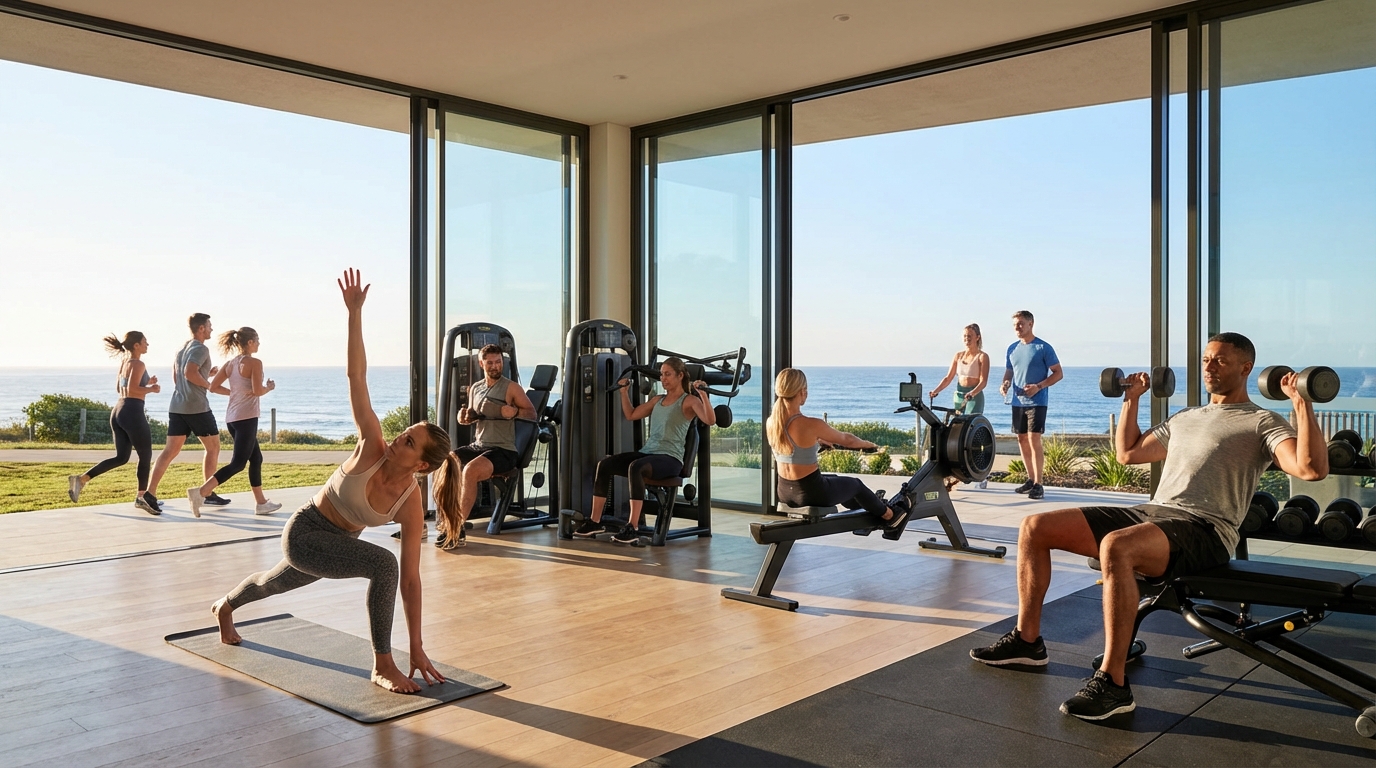
Understanding Different Types of Workout Exercises in Australia
Looking to explore the many types of workout exercises and which may suit your lifestyle or health needs? This comprehensive guide is designed for the general Australian public, including health-conscious readers, beginners, and carers wanting to support loved ones. Please note, all information provided here is for educational purposes only and is not a substitute for professional medical advice. By reading through, you’ll discover common types of workouts, practical exercise ideas, health tips, risk awareness, and Australian-specific considerations to help you make informed decisions about your fitness journey.
What Are the Main Types of Workout Exercises?
Exercise is a broad term, and the “types of workout exercises” commonly refer to distinct styles with unique health outcomes, safety profiles, and suitability factors. In Australia, the most recognised exercise categories include aerobic (cardio), strength (resistance), flexibility, balance, and functional training. Each exercise modality offers its own set of benefits, risks, and considerations, especially depending on your age, fitness level, or medical conditions.
If you’re new to exercise, consult your GP or a qualified exercise professional before starting, especially if you have chronic conditions or concerns about injury. National guidelines, such as those from the Australian Department of Health, provide helpful recommendations for different stages of life or health status.
| Type of Workout | Examples | Main Benefits | Common Risks/Limitations |
|---|---|---|---|
| Aerobic (Cardio) | Walking, running, cycling, swimming, group fitness classes | Heart health, lung capacity, energy, weight management | Joint stress, overuse injuries |
| Strength (Resistance) | Weightlifting, resistance bands, bodyweight moves, Pilates | Muscle strengthening, bone density, injury prevention | Muscle strains, improper technique risks |
| Flexibility | Yoga, static stretching, dynamic stretching | Mobility, reduced muscle tension, better posture | Overstretching, falls, joint instability if not done correctly |
| Balance | Tai chi, balance-specific drills, Pilates | Fall prevention, coordination, core strength | Lack of progress without supervision, risk of falls for certain groups |
| Functional | Circuit training, CrossFit, everyday movement drills | Real-life movement improvement, overall fitness | Overexertion, injury risk if not scaled to ability |
Exploring the Difference Between Exercise Types
When comparing “difference exercise” approaches, it’s important to consider not just activity style, but also intensity, duration, purpose, and suitability. For example, aerobic activities focus on raising your heart rate for continuous periods, while strength training centres on building and maintaining muscles and bones. Flexibility and balance exercises promote safer movement and can help prevent injuries, especially in older adults or those returning to activity after a break. For more details on cardiovascular training, check the Cardio Workout Guide, covering safe exercise tips in Australia.
Australians of all ages can benefit from blending several types of workouts throughout the week, in line with guidelines from the Better Health Channel. This mix can support heart health, mobility, mental wellbeing, and daily function.
Secondary Intent: Choosing the Best Workout Type for Your Lifestyle and Health
Personal Factors to Consider
Selecting between the types of workout exercises depends on your fitness goals, any underlying health conditions, your current level of activity, and personal preferences. For those with specific needs—such as pregnancy, chronic illness, or injury recovery—professional advice is strongly advised. The Exercise is Medicine Australia initiative supports integrating activity safely into existing health care, enabling a tailored approach for all Australians.
Considerations might include:
- Your motivation & interests—do you prefer solo or social activity?
- Time, location, and equipment available
- Physical restrictions, ongoing pain, or past injuries
- Past experience with exercise
- Any advice you’ve received from health professionals
Comparing Structured vs. Unstructured Exercise
| Approach | Examples | Potential Benefits | Limitations |
|---|---|---|---|
| Structured | Gym programs, classes, personal training | Guidance, progressive gains, group motivation | Cost, travel, may feel intimidating |
| Unstructured | Home routines, walk with friends, stair climbing, outdoor play | Flexibility, cost-effective, easier to fit into your day | May lack progression, less oversight on form |
In many cases, effective routines blend both structured workouts and incidental movement, such as active commuting or gardening, aligning with movement behaviour research from key Australian health entities.
Preventative Benefits and Lifestyle Impact
A consistent approach to fitness, using a mix of types of workout exercises, has strong preventative health potential. Aerobic activity can reduce the risk of heart disease, type 2 diabetes, and certain cancers, while resistance training supports strong bones, maintaining independence as you age, and mental wellbeing. Looking to build muscle? Our Building a Body guide covers muscle mass growth and prevention of common mistakes.
For Australians, regular movement also aligns with cultural activities like bushwalking, team sports, or surf lifesaving, fostering community and social connection. Engaging in social or group exercise settings has been linked to sustained motivation and improved mental health.
| Condition/Risk | Helpful Exercise Types | Possible Warning Signs |
|---|---|---|
| Heart Health | Aerobic, moderate strength | Unusual chest pain, shortness of breath, dizziness during activity |
| Bones & Joints | Resistance, balance, low-impact cardio | Persistent joint pain, swelling, or sharp aches |
| Mental Wellbeing | Any enjoyable activity, ideally with social component | Increased anxiety, prolonged fatigue post-exercise |
If you or someone exercising with you shows warning signs like severe chest pain, sudden breathlessness, or ongoing fatigue after activity, seek medical advice promptly or consider urgent care. The Heart Foundation of Australia provides additional safety guidelines tailored to different groups.
Proactive Safety and Risk-Aware Guidance
Starting or changing exercise routines carries some risk, even with well-established types of workouts. Key concerns include overuse injuries, exacerbation of pre-existing conditions, dehydration, and improper technique. Australians especially active in summer should be alert to heat stress and always maintain adequate hydration.
Not sure if you should see a health professional? Consider a pre-exercise screening, especially if you’re over 45, have a chronic illness, or take regular medication. Exercise readiness screening tools are freely available and are recommended by peak bodies like Sports Medicine Australia.
| Situation | Considerations | When to Seek Advice |
|---|---|---|
| New to Exercise | Start slowly, build duration gradually, listen to your body | Notice pain, dizziness, or feel unsure about technique |
| Returning After Illness/Injury | Obtain clearance, modify routines, avoid jumping into intense activity | Old symptoms return, lingering discomfort, no improvement |
| Age-Related Concerns | Focus on balance, joint-friendly movements, supervised programs | Increased falls risk, confusion, new pain with activity |
PRO TIP: For safe progression, keep an exercise journal to monitor how you feel after each session and note any new symptoms. Iif you’re unsure, slow down, rest, and reach out to an accredited exercise professional or your GP for tailored advice.
Checklist: Getting Started with Safe and Effective Exercise
- Check with your GP or allied health provider if you have medical conditions.
- Choose exercises that match your interest and current ability.
- Prioritise correct technique over higher intensity or heavier weights.
- Start with short durations and build gradually—aim for consistency.
- Warm up and cool down before and after every session.
- Stay hydrated, particularly during warmer months.
- Be aware of how your body feels—stop if you experience pain, dizziness, or shortness of breath.
- Consider joining a local community or fitness group for support and motivation.
- Review practical safety tips and evidence-based recommendations from AIHW and other trusted sources for ongoing guidance.
FAQ
- What are the main types of workout exercises for beginners?
- Beginners can benefit from a mix of walking or gentle cardio, basic resistance exercises like bodyweight movements or light weights, and flexibility work such as stretching or yoga, always starting at a comfortable pace and building up gradually.
- How do I know if an exercise type is right for my health needs?
- Choose exercises based on your goals, physical limitations, and any recommendations from your healthcare team. If in doubt, seek advice from an accredited exercise physiologist or GP, especially if you have existing medical conditions.
- Are certain types of workouts better for weight loss?
- Aerobic exercises such as brisk walking, running, cycling, or swimming, paired with strength training, support weight management. Personal preference, consistency, and dietary factors also play major roles.
- What should I do if I experience pain or discomfort during exercise?
- Stop the activity, rest, and monitor your symptoms. If pain persists or is severe, seek advice from a health professional. Avoid pushing through pain or ignoring warning signs.
- Is it necessary to include all types of exercises in my weekly routine?
- While variety is recommended, it’s not always essential to include every type at once. Balance your routine with what’s practical, enjoyable, and aligns with your health goals, adjusting as needed over time.

