

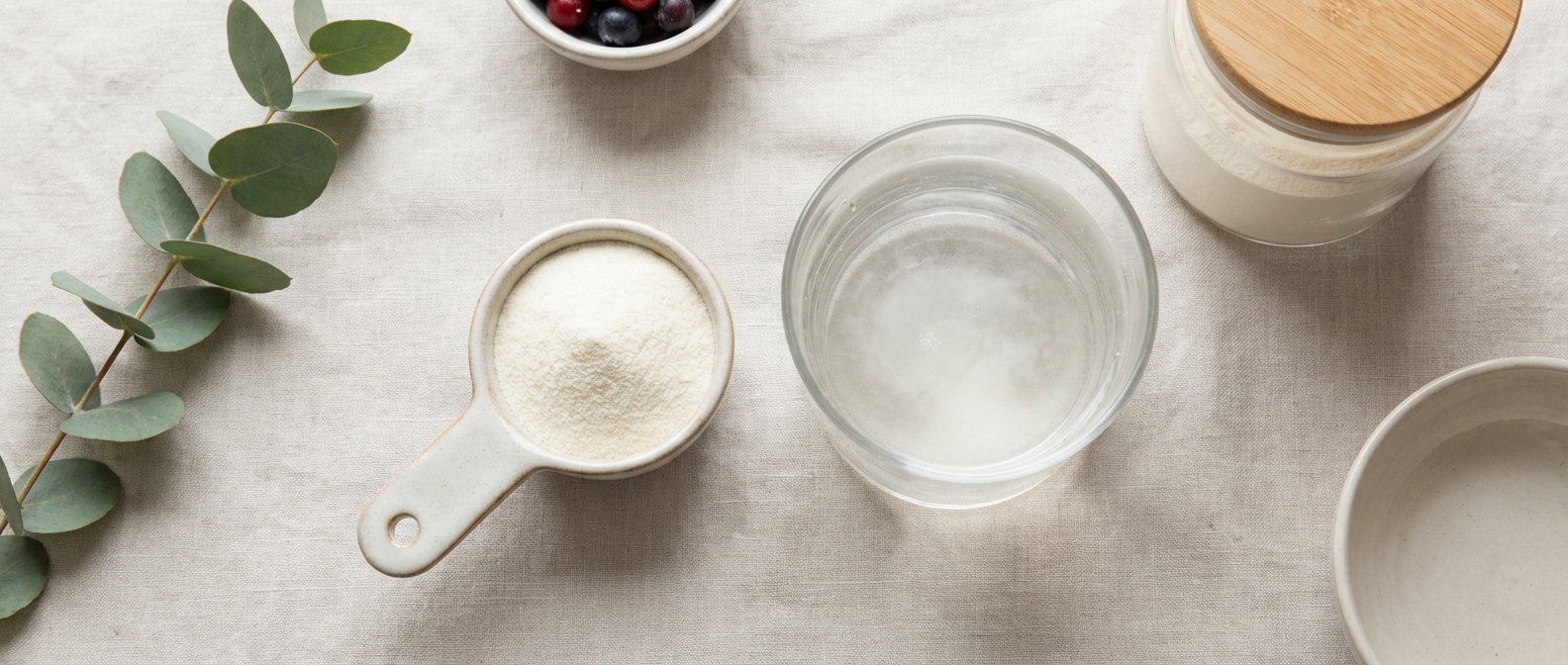
Collagen protein powder has gained notable popularity among Australians looking to support skin health, joint comfort, and general wellbeing. This article is designed for the Australian public—whether you are health-conscious, exploring new supplement options, or curious about collagen’s potential role in your lifestyle. The following information is for educational purposes only and should not replace personalised advice from a health professional. By reading further, you’ll gain an informed understanding of what collagen protein powder is, how it may work, possible benefits, common misconceptions, safety considerations, and how to make sensible choices within the context of Australian health guidelines.
Collagen Protein Powder and Supplements: An Australian Overview
What Is Collagen and Why Do People Use Collagen Protein Powder?
Collagen is the most abundant protein found in the human body. It acts as a supporting structure for skin, bones, tendons, cartilage, and connective tissue. As we age, the body’s natural collagen production declines, which can influence skin appearance, joint flexibility, and muscle recovery. This gradual loss is a common reason why adults start exploring collagen supplement options, such as powders, tablets, and beverages.
In Australia, products like collagen protein powder and collagen tablets (sometimes called collagen capsules) are often marketed as supporting skin elasticity, joint health, and overall wellbeing. Collagen supplements come in various forms, but powder remains especially popular due to its versatility—easily mixed into smoothies or beverages. Advances in nutritional science and increasing interest in prevention have driven the growth of these products on the local market.
There is growing curiosity about whether these supplements genuinely yield benefits. In particular, many Australians ask: does collagen powder work for my skin or joints, and is it preferable to tablets or capsules? Understanding the science, product differences, and potential risks is essential before making any decision.
Recognising Symptoms and Signs Connected to Collagen Decline
Collagen decline is a natural part of ageing, but some signs can be noticeable and prompt people to consider supplements. Look for these common signals that may be linked with lower collagen levels:
| Symptoms/Signs | Potential Underlying Cause | Suggested Next Steps |
|---|---|---|
| Increased skin wrinkling or sagging | Age-related collagen loss, sun exposure | Sun protection, lifestyle changes, seek medical advice for rapid changes |
| Aching or stiff joints | Typical ageing or joint degeneration | Gentle exercise, consult a GP for persisting pain |
| Thinning hair or brittle nails | Nutritional factors, reduced collagen, or other causes | Balanced diet, check with a healthcare provider if severe |
| Slow muscle recovery after exercise | Reduced protein synthesis with age | Review exercise habits, discuss with an allied health professional |
Please remember, while these signs can be associated with lower collagen, they may indicate other underlying health concerns. Any sudden or severe changes should be reviewed with a health professional to rule out more serious issues.
Types of Collagen Supplements: Powders, Tablets, and Beverages
In Australia, consumers can choose from a range of collagen supplements—each type has its own advantages and potential drawbacks:
- Collagen protein powder: This is the most versatile form. It is often hydrolysed (broken down for easier absorption), and can be mixed into beverages or food. Many people looking for the best collagen for skin or joints prefer this convenient option.
- Collagen tablets or capsules: Popular with people wanting precise dosages and convenience. Collagen capsules for skin can be part of daily routines, but may contain smaller amounts per serve compared to powder.
- Collagen beverages: Ready-to-drink options are increasingly available, often combined with other vitamins. These products can be more expensive and may not offer more benefit than powders or capsules.
It’s important to note that the best rated collagen supplement or the best collagen capsules for skin vary widely due to differences in formulation, origin (marine, bovine, or porcine sources), and added ingredients such as vitamin C, which may aid absorption. When searching for the most suitable product in Australia, be mindful of regulations set by bodies like the Therapeutic Goods Administration (TGA), who oversee the safety and quality of listed supplements.
Are Collagen Supplements Effective? What Does the Science Say?
Australians commonly want to know: do collagen tablets work and does collagen powder work as claimed? According to current studies, hydrolysed collagen supplements—whether in powder, tablet, or capsule form—may support skin hydration and elasticity, and potentially offer small improvements in nail strength and joint comfort.
However, not all evidence is equally strong. Potential benefits are often modest, and effects may vary from person to person. For example, most research supporting collagen for skin whitening is limited and mixed. When it comes to joint health, some people may notice improvements in stiffness or comfort (especially with type II collagen), but supplements are best seen as complementary to active, healthy lifestyles.
Leading organisations like the Healthdirect Australia and National Health and Medical Research Council recommend taking a cautious, evidence-based approach. No supplement, including collagen, should be viewed as a replacement for a balanced diet or formal treatment for any medical condition.
If you’re looking for the best collagen for men or joint support options, research on best collagen type 2 supplements for joints australia suggests you may wish to discuss your needs with a local GP or accredited dietitian.
Key Risk Groups and Considerations: Who Should Take Extra Care?
Not everyone benefits from collagen supplements the same way. The following groups should exercise particular caution or seek additional medical guidance before using these products:
- People with food allergies: Some marine or bovine collagen supplements may contain allergens. Always check the ingredient list and seek advice if you have known allergies.
- Women who are pregnant or breastfeeding: Evidence around supplement safety in pregnancy is limited. Only use under guidance from a maternity health professional.
- Individuals on prescription medications: Collagen products may interact with certain drugs, especially those affecting digestion or nutrient absorption.
- Children and adolescents: Supplements are rarely recommended for children without direct medical supervision.
Collagen supplements are generally considered well-tolerated, but possible side effects can include digestive discomfort, allergic reactions, or mild headaches. The term “good collagen supplement” does not mean “risk free.” Unusual symptoms or persistent discomfort should be reported to a doctor.
How to Choose the Best Collagen Supplement in Australia
With many brands claiming to offer the best collagen supplements, it can be tricky to select a high-quality option. Australians can use the following checklist for more confident, health-aware decision making:
- Check if the product is registered or listed with the TGA
- Choose hydrolysed (broken down) collagen for better absorption
- Review the source (bovine, marine, or porcine) according to preferences or dietary needs
- Understand the difference between powder, capsule, and beverage forms
- Look for products tested by independent Australian or international laboratories
- Be wary of bold claims such as “anti-ageing” or “cure”
- Consult your GP, especially if you have a medical condition or take other supplements or medicines
If you want to buy collagen powder or collagen powder australia is a key search for you, look for suppliers that provide transparent ingredient information and customer support.
| Supplement Option | Form | Typical Uses | Potential Advantages | Potential Limitations |
|---|---|---|---|---|
| Collagen Protein Powder | Powder (hydrolysed or native) | Mix into drinks or food for skin, joint, or fitness support | Flexible dosage, easy to use | May require daily preparation |
| Collagen Tablets/Capsules | Pill or capsule | Convenience, accurate dosing for travel or busy lifestyles | Portable, no taste | Lower dose per tablet, added binders |
| Collagen Beverage | Ready-to-drink | On-the-go, functional drinks | No mixing needed, pleasant flavour | More expensive, added sugars or flavours |
Prevention, Management, and Everyday Wellbeing with Collagen
While collagen supplements may play a role in personal wellbeing routines, they should be seen as one part of a broader approach to healthy ageing and prevention. Lifestyle factors—including regular movement, a balanced diet, and sun protection—remain the cornerstones of skin and joint health.
The best collagen for skin or joint health will likely work best when combined with:
- Consistent sleep habits, which help the body repair and regenerate tissue
- A diet rich in natural protein sources, fruits, and vegetables
- Physical activity within your ability, such as walking, yoga, or swimming
- Limiting tobacco and excess alcohol, which can affect natural collagen production
- Applying sun protection to limit photo-ageing of the skin
The Cancer Council Australia and general practitioners recommend these lifestyle approaches as primary strategies for preventing premature ageing and maintaining healthy skin. Supplements, including collagen, are not a replacement for these protective habits.
When to Seek Professional Medical Advice
Most people can use over-the-counter collagen products safely, but there are key situations where professional advice is essential:
- If you experience new symptoms after starting any supplement, including rashes, digestive upset, or breathing difficulty
- If you plan to start supplements while taking prescription medicines or managing chronic diseases
- If you are pregnant, breastfeeding, or choosing supplements for children or teenagers
- When considering collagen as part of a treatment plan for a diagnosed skin, joint, or connective tissue disorder
Unwanted reactions can occur, even with products labelled as “natural” or “pure.” If you are unsure, consult with your GP, pharmacist, or accredited practicing dietitian. You may also turn to resources such as TGA guidance on supplements for more information.
A Practical Collagen Health Checklist
- Have I checked the product’s Australian labelling and registration?
- Is my reason for taking collagen evidence-based?
- Do I understand the form (powder, capsule, beverage) and suitable dosage?
- Have I reviewed side effect risks for my personal health situation?
- Have I spoken with my doctor if I have allergies, take medicines, or am pregnant?
- Does my routine include a healthy diet and activity, not just supplements?
- Am I monitoring for any unwanted changes or symptoms?
FAQ
Yes, collagen tablets and capsules are widely available from pharmacies and health food stores in Australia. While some people notice benefits for skin or joint comfort, the effects can be modest and are not guaranteed for everyone. Tablets provide dosage convenience but may offer less collagen per serve compared to powders.
Q2: What are the most common side effects of collagen supplements?
Most Australians tolerate collagen supplements well, but mild digestive discomfort (such as nausea or bloating), allergic reactions, or headaches are reported in some cases. If you experience persistent or severe symptoms after starting a supplement, speak with your healthcare provider.
Q3: Are collagen supplements a suitable option for men and women?
Collagen supplements are not gender-specific. Both men and women use them in Australia for skin health, fitness recovery, or joint support. Individual results vary, and health priorities differ based on age, lifestyle, and medical conditions.
Q4: Is it better to take collagen powder, capsules, or drinks?
The best option depends on your preferences, budget, and how you plan to use the supplement. Powders offer flexibility in dosage and use, capsules/tablets are portable and require no mixing, while drinks can be convenient but expensive. Choose a form you can take consistently, and ensure it meets TGA quality standards.
Q5: Can collagen supplements replace a healthy diet or medical care?
No, collagen or any other supplement should not replace a balanced diet, required medications, or personalised medical care. Supplements are best used as an adjunct to healthy eating and lifestyle, or in consultation with your doctor when addressing specific health concerns.