

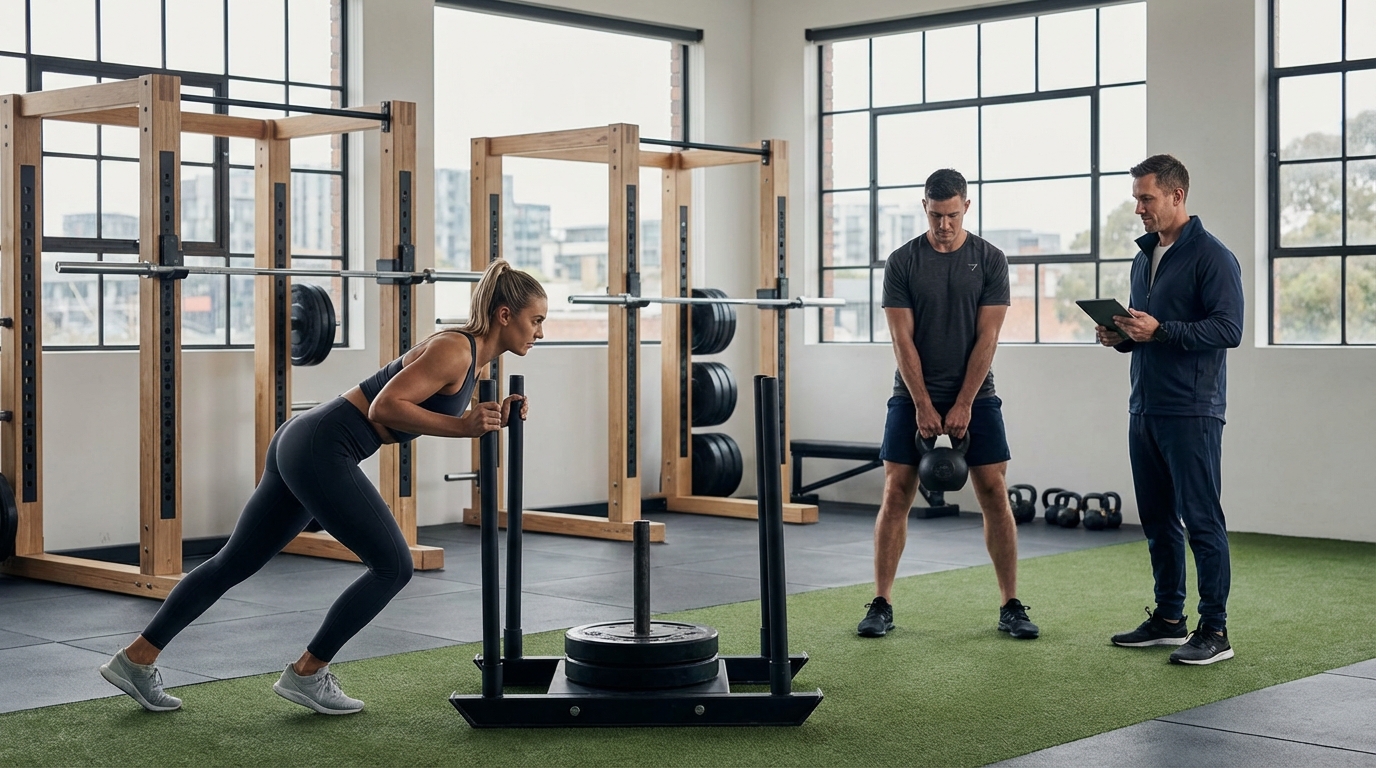
This article is designed for Australians seeking reliable, up-to-date knowledge about strength and conditioning programs—whether you’re looking to enhance athletic performance, support everyday health, or make an informed decision about starting a structured fitness routine. The information below is for general education only and is not a substitute for personalised medical advice, diagnosis, or treatment from qualified professionals. By the end, you’ll understand the core principles, common routines, prevention strategies, and when to seek expert support regarding a strength and conditioning program in Australia.
Understanding Strength and Conditioning Programs
What Is a Strength and Conditioning Program?
A strength and conditioning program is a structured plan combining resistance training, cardiovascular exercise, mobility work, and recovery strategies aimed at improving overall physical health, sports performance, and daily function. These programs can be individualised for professional athletes, rehabilitation settings, or anyone aiming to improve muscle strength, joint stability, and metabolic health.
A typical strength conditioning training program involves progressive overload—gradually increasing intensity, resistance, or volume—to support muscle adaptation. Modern plans also include balance, flexibility drills, and sometimes sports-specific movements.
In the Australian context, strength and conditioning programs are commonly used in community sports clubs, high-performance centres, and as part of injury prevention strategies recommended by allied health professionals. Following Australian Sports Commission guidelines can help ensure routines align with recognised safety standards.
It’s important to understand that an effective program is not “one size fits all.” Your individual health status, past injuries, age, activity goals, and access to equipment should all influence your strength and conditioning plan.
Primary Intent: Educational Benefits and Preventative Outcomes
Why Start a Strength and Conditioning Program?
Engaging in a structured strength and conditioning routine offers a range of documented benefits, such as increased muscle mass, improved bone density, reduced risk of chronic conditions, and enhanced movement efficiency. For active Australians, these programs can also support injury prevention by addressing muscle imbalances and promoting joint resilience.
For example, research acknowledged by Sport Australia highlights that strength training reduces sports-related injuries and supports faster recovery. Many Australians use these routines alongside aerobic exercise to balance overall fitness.
Pro Tip: Before starting any new exercise plan, especially if you have health concerns, consult an accredited exercise physiologist or speak to your GP to assess readiness and minimise risks.
How Does a Strength Conditioning Training Program Work?
These programs typically alternate strength-focused days (using weights, resistance bands, or bodyweight) with conditioning workouts aimed at cardiovascular and muscular endurance. Progressive overload ensures that as your body adapts, your plan advances, keeping results steady and sustainable.
A core strength and conditioning routine for beginners might include squats, lunges, push-ups, rowing, planks, and low-impact plyometrics, gradually increasing complexity and resistance as your competence grows.
Certified trainers often tailor these components to meet the needs of adults, older adults, or teens, accounting for factors like past injuries, movement restrictions, or specific sports goals.
Common Symptoms, Warning Signs, and What to Monitor
While developing strength and endurance is generally safe, it’s vital to stay alert for certain symptoms that might indicate overuse, poor technique, or underlying health issues.
| Symptom or Sign | Possible Underlying Issue | When to Seek Help |
|---|---|---|
| Persistent joint pain | Improper form, excessive load | If pain worsens or interferes with daily activities |
| Excessive fatigue | Overtraining, inadequate rest | If rest doesn’t alleviate, or disrupts sleep/mood |
| Sharp or sudden pain | Acute injury (strain, sprain) | Immediately, especially if severe or swelling appears |
| Dizziness or fainting | Low blood sugar, dehydration, underlying illness | After addressing hydration/nutrition, speak to a doctor if it recurs |
| Lingering muscle soreness (>72 hours) | High-intensity delayed onset muscle soreness | If it persists or worsens, discuss with a qualified health provider |
Always listen to your body and don’t ignore signals of potential overexertion. If in doubt or if unfamiliar symptoms arise, consult a healthcare professional before resuming your strength and conditioning schedule.
Causes and Contributing Factors in Strength and Conditioning
What Influences Program Success or Risk?
Not everyone responds equally to the same strength and conditioning workouts. Factors that can shape individual response and injury risk include genetics, nutrition, sleep quality, age, sex, pre-existing medical conditions, and adherence to correct form.
Using improper technique, progressing too quickly, or neglecting rest days can raise your risk for overuse injuries or burnout. Following guidance from Exercise is Medicine Australia can help set realistic training progressions.
Adaptation phase—during the first 4–6 weeks of a new program, your risk of muscle soreness and technical mistakes is higher, especially if returning from inactivity.
Who Benefits Most From a Strength and Conditioning Plan?
These programs can benefit:
- Healthy adults looking to improve general fitness
- Older adults aiming to preserve independence and balance (e.g., reducing fall risk)
- Youth athletes or teens (under supervision of qualified trainers)
- Rehabilitation patients (under allied health professional programs)
- Individuals at risk for osteoporosis, type 2 diabetes, or heart disease
However, plans should be adapted based on individual goals, physical limitations, or medical history. Some people may require medical clearance if they have chronic illness, recent surgery, or cardiovascular risk factors.
Secondary Intent: Lifestyle Impact, Prevention, and Australian Context
How Do Strength and Conditioning Routines Fit Into Australian Lifestyles?
Many Australians include strength and conditioning routines in weekly schedules, benefitting from the structured approach provided by community fitness centres, gyms, sporting clubs, and personal trainers. For those in regional or remote locations, telehealth-supported plans from accredited exercise professionals may be an accessible alternative.
The Australian Sports Commission recommends adults engage in muscle-strengthening activities at least twice weekly, with gradual progression and enjoyment as central motivators.
Checklist: Safe Integration of Strength and Conditioning Workouts
|
This checklist is particularly valuable for preventing common mistakes and maximising the benefits of your program, whether you are self-managed, working with a trainer, or following a group class.
Sample Strength and Conditioning Schedule for Australians
Below is an example of a beginner-friendly strength and conditioning schedule. This is not a one-size-fits-all approach but serves as a starting template for adults wanting to progressively build capacity and stay injury-aware.
| Day | Primary Focus | Example Activities | Note |
|---|---|---|---|
| Monday | Strength | Bodyweight squats, push-ups, resistance bands | Focus on form, low to moderate intensity |
| Tuesday | Conditioning | Brisk walking, cycling, low-impact intervals | 30–40 mins, moderate pace |
| Wednesday | Rest or Active Recovery | Yoga, stretching, gentle mobility | Support recovery, reduce stiffness |
| Thursday | Strength | Lunges, planks, resistance bands (upper/lower) | Increase resistance if form is solid |
| Friday | Conditioning | Swimming, jogging, elliptical session | Include intervals only if familiar and injury-free |
| Saturday | Flexibility/Mobility | Pilates, dynamic stretching | Helps prevent overuse and support joint health |
| Sunday | Rest | Sleep, walking, unstructured movement | Prioritise mental and physical recovery |
Always adjust the intensity, frequency, and types of activities based on your own needs, comfort, and health background. Individuals with specific conditions or injuries should be guided by relevant clinical advice.
Risk-Aware Intent: Safety, Side Effects, and When to Seek Help
Safety Concerns and Common Myths
Well-structured strength and conditioning programs are generally safe for adults and seniors when properly scaled and supervised. However, several myths lead to misinterpretation:
- “Lifting weights causes injuries”—Injury risks are actually reduced when proper technique and gradual progression are prioritised
- “Strength training is just for athletes”—People of all ages, including older adults, benefit from resistance and conditioning work for functional independence
- “More is better”—Overtraining can cause fatigue, prolonged soreness, and delayed recovery. Quality and recovery are as important as intensity
Some individuals, such as those with cardiovascular conditions, osteoporosis, or joint instability, may face elevated risk and need progressive or modified routines. For best results, seek guidance from an Australian-accredited health professional.
Potential Side Effects and Risks
Side effects from strength and conditioning workouts generally relate to:
- Delayed onset muscle soreness (DOMS) after new or high-intensity sessions
- Muscle or tendon strains from poor technique or lack of warm-up
- Dehydration, particularly in hot climates without adequate fluid intake
- Rarely, acute injuries (e.g., sprains, tears) when overloading or rushing progress
If symptoms such as sharp pain, joint swelling, severe dizziness, chest pain, or fainting occur, stop exercising immediately and seek medical assessment promptly.
Strength and Conditioning Program: FAQs
Is a personalised plan necessary, or can I use online routines?
While general plans may be helpful for healthy adults, personalised programs designed by qualified fitness professionals consider your health status, goals, and progression needs. Australians with medical conditions, older adults, or those returning after injury are strongly advised to seek individualised guidance.
How quickly can I expect to see results from regular strength and conditioning?
Initial changes in strength, endurance, or body composition may be noticed within 4–8 weeks with consistent participation. However, progress varies based on baseline fitness, adherence, and nutrition, and it’s important to set realistic, gradual goals.
Is strength and conditioning safe for older adults?
Yes, when planned appropriately with professional input, strength and conditioning improves balance, mobility, and quality of life in older adults. Plans should focus on safe movements, gradual progression, and may involve supervision by accredited professionals to minimise falls or injuries.
What equipment do I need to start a basic strength and conditioning routine?
Many effective routines use bodyweight exercises or simple equipment such as resistance bands, dumbbells, or household items. For progression, gyms or community fitness centres provide varied equipment and professional oversight.
When should I stop or modify a session and seek medical advice?
Stop exercising immediately if you experience sharp or unusual pain, prolonged dizziness, chest pain, or shortness of breath. Seek medical assessment before resuming. Adjust plans if illness, new symptoms, or injuries develop.