

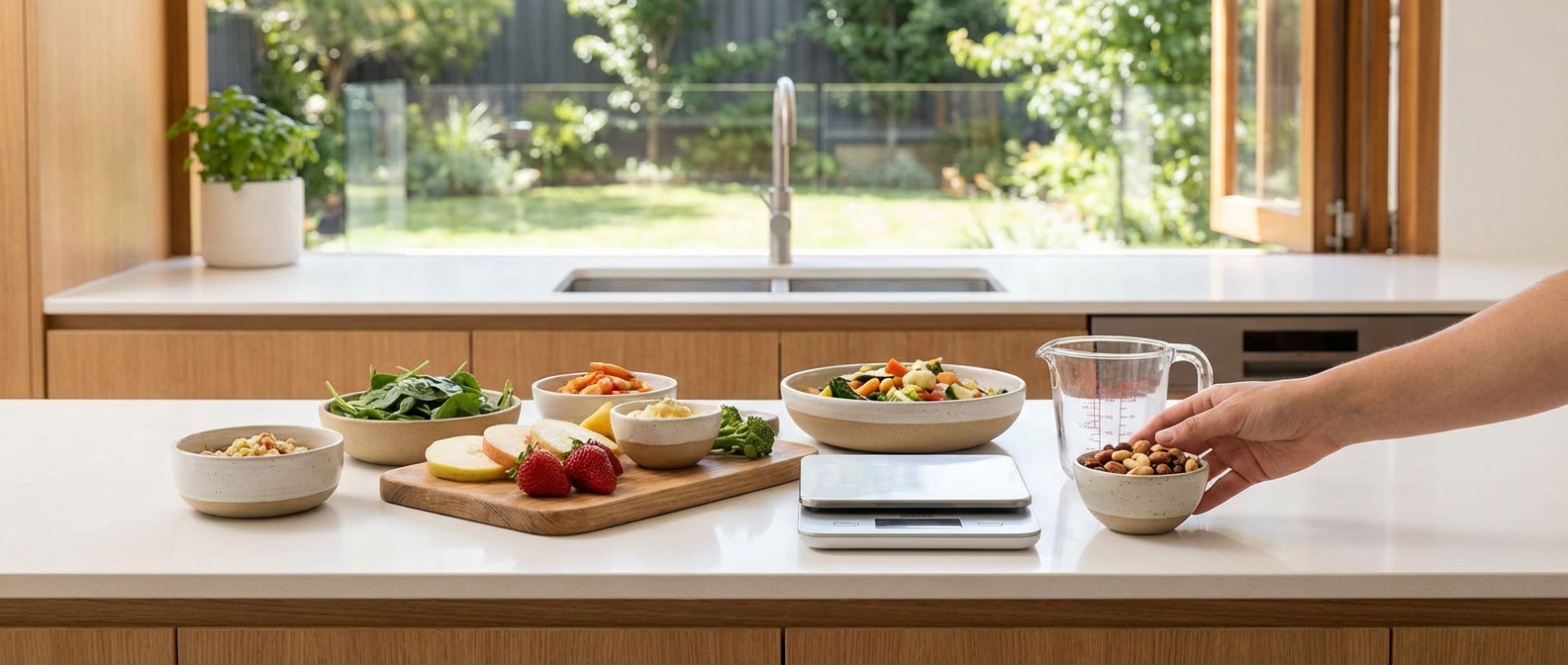
Understanding serving portion sizes is crucial for Australians aiming to support their health and make informed food choices. Whether you are a health-conscious reader, carer, or member of the general Australian public, this informational guide will empower you to recognise recommended portion sizes, utilise portion control, and avoid common pitfalls. This article is educational in nature and does not replace personalised medical advice. By reading on, you’ll gain clarity on the difference between portion size and serving size, learn about Australian Guide to Healthy Eating (AGHE) serves, explore practical tools for balanced eating, and discover when to seek professional advice about your nutrition or eating habits.
Understanding Serving Portion Sizes: An Australian Health Perspective
What Are Serving Portion Sizes and Why Do They Matter?
Serving portion sizes refer to the recommended quantity of a specific food or food group that should be consumed in one sitting. In Australia, these guidelines are largely based on the Australian Guide to Healthy Eating (AGHE) and the Australian Dietary Guidelines. Correctly following serving sizes helps maintain healthy weight, prevent chronic diseases, and support nutritional wellbeing.
The concept of portion control—being mindful of the amount of food consumed, regardless of serving recommendations—further supports balanced nutrition. Distinguishing between “portion size” (the amount you choose to eat) and “serving size” (the reference amount set by guidelines) is essential. Relying solely on commercial packaging or restaurants can lead to overestimating standard serve sizes, contributing to unintentional overeating. By understanding these differences, Australians can confidently make choices that align with their health needs and lifestyle.
For example, the AGHE provides specific recommendations for daily intake, such as five serves of vegetables and two serves of fruit for most adults. Each “serve” has a defined size—like 75g of cooked vegetables or one medium apple. Being aware of these details helps with everyday decisions, like meal planning or grocery shopping, and can prevent common diet-related health problems.
The AGHE: Australian Guide to Healthy Eating Serving Sizes Explained
The Australian Guide to Healthy Eating (AGHE) is recognised across Australia as a reliable framework for healthy dietary patterns. It outlines not only what to eat, but in what quantities for different age groups and life stages. AGHE serves and serve sizes set out clear reference points for foods across key groups: vegetables and legumes, fruit, grains, dairy and alternatives, and lean meats and alternatives. This standardisation helps you build balanced meals and avoid both excessive and inadequate intakes.
Each aghe serve size is based on the typical nutritional content needed to meet daily requirements. For example, one vegetable serving size equals 75g—about ½ cup cooked veggies, one cup of leafy greens, or ½ medium potato. For cereal foods, a serve might be a single slice of bread or ½ cup cooked pasta. These practical examples allow for easy translation from nutrition guidelines to real-life meals.
Different needs apply depending on your age, gender, activity level, and special considerations, such as pregnancy or certain health conditions. Children, older adults, and people with specific dietary needs might require tailored portion sizes, as indicated by clinical guidelines from bodies like the Nutrition Australia and the Australian Government Department of Health.
Portion Size and Serving Size: What’s the Difference?
The terms portion size and serving size are occasionally used interchangeably, but they mean different things. Serving size is the measured amount defined in nutrition guidelines—such as the AGHE recommended serves—while portion size is what a person actually eats, which may be more or less than a standard serve.
This distinction matters, as studies show Australians often underestimate their portion sizes, especially for high-energy foods like pasta, rice, and snack foods. Restaurant and takeaway portions typically exceed AGHE serve sizes, contributing to energy imbalance and weight gain risk. Visual cues—such as using your fist to estimate a cup or the palm of your hand to estimate a serve of meat—can help bridge this gap and foster realistic understanding of recommended amounts.
Pro Tip: When in doubt, use household items to gauge your portions, such as a measuring cup for grains or half a dinner plate filled with vegetables to meet AGHE vegetable serving size targets.
Practical Portion Control: Everyday Strategies for Australians
Effective portion control is a valuable skill in maintaining a balanced diet and supporting long-term health. It involves consciously serving appropriate quantities, being attentive to satiety cues, and addressing environmental influences—like plate size or multi-serve packaging. For Australians, practical tools and strategies play a key role:
- Pre-portion snacks rather than eating from large packets
- Use smaller bowls and plates to create a sense of satisfaction with less food
- Follow AGHE serve size recommendations—for example, limit grain serves and increase vegetable intake
- Mindfully read food labels for realistic serving size information
- Adopt regular meal times to avoid unplanned, oversized portions
Adopting these habits can also have positive impacts on children’s eating habits, helping families model healthy behaviours and instil lifelong portion awareness. However, rigid restriction can backfire, particularly in those with a history of eating concerns—moderation and flexibility are important for sustainable changes.
| Food Group | AGHE Recommended Serve | Example of 1 Serve |
|---|---|---|
| Vegetables & Legumes | At least 5 | ½ cup cooked veg, 1 cup salad, ½ medium potato |
| Fruit | 2 | 1 medium apple, 2 small plums, 1 cup diced fruit |
| Grains (Cereal foods) | 4-6 (adults) | 1 slice bread, ½ cup cooked rice/pasta, ⅔ cup cereal |
| Lean Meats/Alternatives | 2-3 | 65g cooked meat, 80g poultry, 2 eggs, 1 cup legumes |
| Dairy & Alternatives | 2½ (adults) | 1 cup milk, 2 slices cheese (40g), ¾ cup yoghurt |
Notably, individual requirements vary, so these figures provide a general starting point. Big discrepancies between habitual portion sizes and guideline serving sizes may prompt a conversation with an Accredited Practising Dietitian or your GP—especially if you have questions or concerns about your nutritional status or chronic health conditions.
Vegetable Serving Size and Its Significance in Disease Prevention
Consistently meeting the AGHE vegetable serving size recommendations is strongly associated with disease prevention and improved overall wellbeing. Vegetables offer vital nutrients, vitamins, and dietary fibre. Eating a diverse range of colours maximises nutrient coverage—think dark leafy greens, orange carrots, red capsicum, and legumes like lentils and beans.
Unfortunately, research from leading groups such as CSIRO reveals most Australians fall short of the recommended five serves of vegetables each day. Simple swaps—such as adding a cup of spinach to pasta or blending pumpkin into soup—can help you reach these benchmarks. However, access, affordability, and time can impact your ability to meet serving targets. In such cases, frozen or canned vegetables (without added salt) are practical alternatives and still count towards AGHE serves.
It’s also worth noting that over-reliance on vegetable juices or highly processed “snack” vegetables may supply less fibre, so their role should be balanced within the broader context of whole food intake.
Symptoms, Warning Signs, and Risks of Incorrect Portion Sizes
Not following serving portion sizes—whether by consistently over- or under-consuming key foods—may affect both short- and long-term health. Habitually eating larger portions, especially of energy-dense or highly processed foods, can increase the risk of excessive weight gain, type 2 diabetes, and cardiovascular disease, according to research summarised by NHMRC.
On the other hand, inadequate intake of essential food groups—like not reaching the AGHE recommended serves of vegetables, fruit, or dairy—can contribute to nutrient deficiencies, poor immune function, and reduced energy. This is especially important for children, older adults, and people in low-income settings, where nutritional vulnerability is increased. Symptoms to watch for that might indicate unbalanced portion sizes could include:
- Persistent fatigue or low energy
- Unintentional weight gain or loss
- Changes in digestive health (e.g., constipation, bloating)
- Frequent infections or slow recovery from illness
- Loss of muscle mass or strength
While these can have many causes, if you suspect your diet is not meeting recommended portion sizes or supporting your wellbeing, consider a review with your GP or a registered dietitian. They can help rule out underlying health concerns and tailor advice to your needs.
Who Should Be Most Mindful of Serving and Portion Sizes?
Although everyone can benefit from understanding and applying correct portion and serving size information, some groups have special considerations. Children and adolescents are forming lifelong eating habits, making it important to encourage age-appropriate AGHE serve sizes and an understanding of hunger cues. Older adults may have changing energy requirements and nutritional needs, so portion control should account for reduced activity or chronic health concerns.
Individuals with diabetes, cardiovascular risk, or high body weight benefit from closer attention to correct serve sizes, especially for carbohydrate-containing foods. Pregnant and breastfeeding women have increased requirements for certain nutrients but should still manage overall food quantities to avoid excess weight gain.
Finally, those with a history of disordered eating or restrictive diets should approach portion control with care and seek professional support if they feel anxious, conflicted, or preoccupied about serving sizes. Mental health, food security, and cultural differences are also important factors influencing portion choices and should be respected in any approach to healthy eating.
Checklist: How to Stay on Top of Healthy Servings in Australia
- Familiarise yourself with AGHE serve sizes and apply them to everyday meals
- Use visual cues (e.g., hand sizes, plates, cups) when measuring portions
- Plan meals in advance to balance all five core food groups
- Prioritise wholefoods; minimise intake of discretionary and ultra-processed foods
- Pay attention to your body’s hunger and fullness cues
- Limit distractions (like screens) while eating to reduce the risk of overeating
- If you have specific health concerns, consult a GP or Accredited Practising Dietitian
Portion Sizes and Safety: Risks, Uncertainties, and When to Seek Advice
Misinterpreting serving portion sizes or becoming overly restrictive can cause unintended health issues. Risk factors include undereating key nutrients, obsessing over measurements, or using portion control to justify very low-calorie diets, which is not supported by official Australian dietary advice. At the other extreme, consistent overserving can normalise unhealthy habits, especially in children, leading to “portion distortion” over time.
It’s important to use AGHE serve sizes as a guide rather than a rigid prescription. There will be natural day-to-day variation, and occasional social or celebratory meals are part of a flexible, sustainable approach to health. If you are unsure about your individual needs, or notice symptoms like persistent fatigue, gastrointestinal upset, or unintentional weight changes, it’s time to seek medical advice.
Finally, Australians living with diagnosed medical conditions—such as diabetes, gastrointestinal disease, or kidney issues—should not use general serving or portion size guidance in place of personalised dietary planning from a credentialed health professional. Diets that are too low or too high in energy, vitamins, or minerals may exacerbate certain conditions or delay optimal management.
| Area | Risks of Too Large | Risks of Too Small | Management Tips |
|---|---|---|---|
| Vegetables | Minimal direct risk; possible culinary boredom | Fibre & vitamin shortfall | Bulk up meals with extra veg |
| Grains/starches | Excess kilojoule intake, weight gain | Low energy, reduced satiety | Stick to AGHE serve sizes & wholegrain choices |
| Meat/protein | High saturated fat, strain on kidneys | Muscle loss, anaemia risk | Choose lean protein, watch portion |
| Dairy | Increased kilojoules, sat fat for some types | Calcium deficiency, bone health issues | Use reduced-fat dairy as needed |
FAQ
What’s the easiest way to measure serving portion sizes at home?
Use household items—such as a measuring cup for grains, your palm for protein, and your fist for assessing cup volumes. Refer to AGHE resources for visual guides, and aim to fill at least half your plate with vegetables for most meals.
Can I rely on food packaging for serving size information?
Food packaging in Australia lists ‘serving size’, but these are set by manufacturers and may differ from AGHE recommendations. Check the nutrition information panel in conjunction with Australian guidelines for best results.
How do portion size and serving size affect weight management?
Regularly exceeding serving portion sizes, especially with high-energy foods, can lead to passive weight gain. On the other hand, keeping portion sizes within guideline serves supports healthy weight and balanced nutrition over time.
Are frozen or canned vegetables still counted as a vegetable serve?
Yes, provided they are drained and low in added salt or sugar, frozen and canned vegetables count towards your AGHE recommended serves. They are a practical alternative when fresh is not available or affordable.
When should I seek professional advice about portion sizes?
If you’re unsure about your needs, have specific health conditions, or notice changes in weight, digestion, or energy that don’t resolve, consult your GP or an Accredited Practising Dietitian for personalised guidance.