

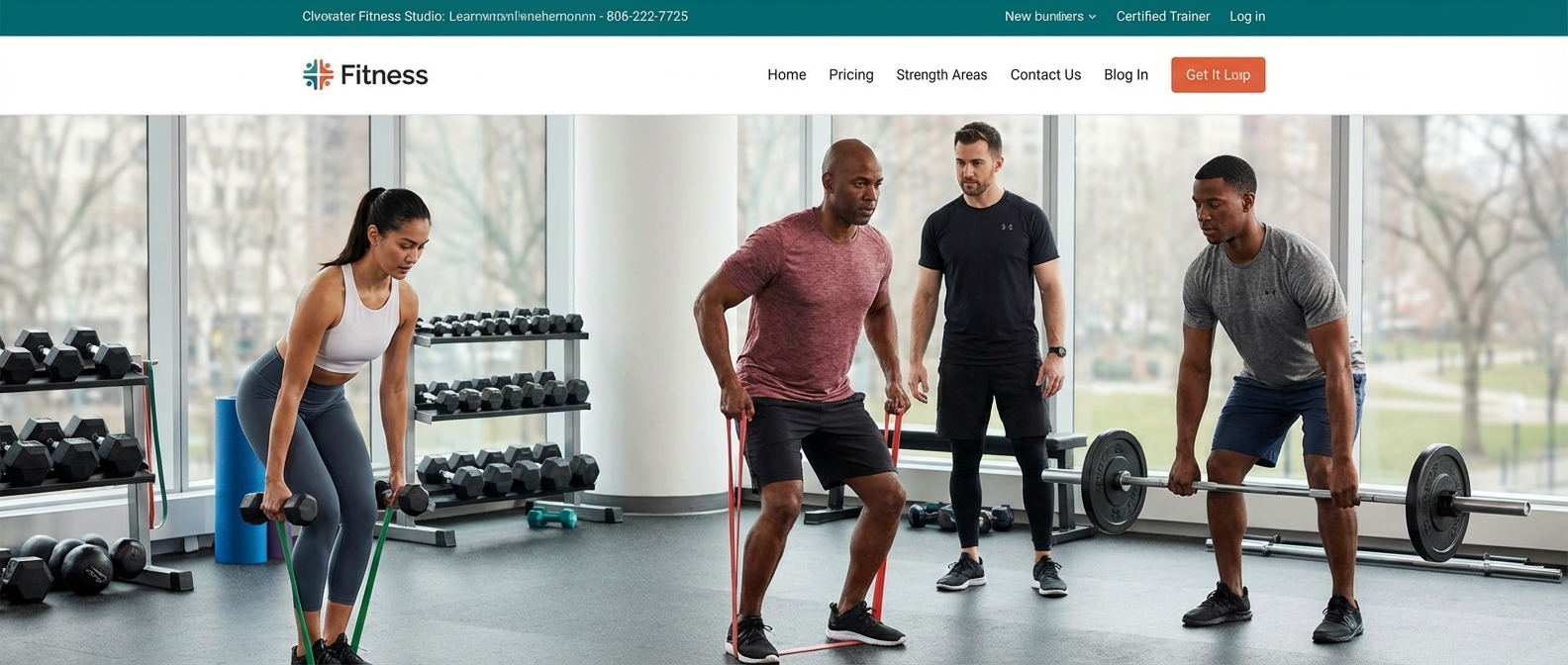
Whether you’re just beginning your fitness journey or aiming to improve your athletic ability, understanding the fundamentals of a resistance training program for strength is key to achieving lasting results. This comprehensive guide is designed for Australians interested in improving their physical strength and wellbeing—including beginners, health-conscious individuals, and anyone seeking to make informed exercise choices. The information below aims to educate on safe, effective strength training practices, clarify common risks, and outline what to expect from a structured strength workout program. Please note: this article is informational only and not a substitute for professional healthcare advice. By the end, you’ll be equipped to better understand strength building training programs, potential side effects, and the supportive role of the Australian healthcare system.
Your Guide to a Resistance Training Program for Strength in Australia
Understanding Resistance Training: What Is It and Who Benefits?
Resistance training, also called strength training or weight training, involves activities that cause muscles to contract against an external force. These forces can include free weights, resistance bands, or your own bodyweight. The primary goal of a resistance training program for strength is to improve muscle power, endurance, and overall physical function.
Who Benefits? Australians of all ages and fitness backgrounds can benefit from a strength lifting program. Young adults looking to improve performance, older adults aiming to maintain independence, and anyone hoping to manage health conditions like osteoporosis or type 2 diabetes may find resistance training helpful. Many guidelines, such as those from the Australian Government Department of Health, support incorporating strength work into weekly routines.
Common beginner strength gains are often noticed within 6–8 weeks, but ongoing progress and injury prevention rely on following best practices.
Pro Tip: Start slow with weight training for beginners, using light loads and correct technique before advancing.
Primary Goals of a Strength Workout Program
The desired outcomes of a structured strength building training program extend beyond muscle size. Australians engage in resistance training for many reasons:
- Increase muscle strength and functional capacity
- Support healthy bones and joint stability
- Manage weight and improve body composition
- Boost metabolism and energy levels
- Reduce the risk of falls and frailty as you age
- Enhance mental wellbeing and quality of life
These aims align with guidelines from reputable bodies such as Better Health Channel and reflect an evidence-based Australian context.
Common Symptoms and Signs of Strength Deficits
Recognising the early indicators of strength loss or inadequate resistance training can help prompt lifestyle adjustments and support prevention. The following table contrasts common symptoms with possible related conditions that may warrant further medical review.
| Symptom/Sign | Potential Link to Strength | Possible Condition |
|---|---|---|
| Frequent fatigue | Poor muscle endurance | General deconditioning |
| Difficulty climbing stairs | Lower body weakness | Muscle loss, joint issues |
| Unintentional weight gain | Low metabolism (muscle mass loss) | Sarcopenia, sedentary lifestyle |
| Loss of balance | Core, hip, and leg weakness | Increased fall risk |
| Greater aches after activity | Poor recovery, technique or overuse | Muscle strain, injury risk |
If these symptoms persist, a check-up with your GP or a qualified allied health professional is recommended, especially before starting a new exercise program.
Key Causes and Contributing Factors
Several factors can contribute to weakness or delayed progress in a strength lifting program:
- Physical inactivity: Prolonged sedentary behaviour can lead to muscle atrophy.
- Poor nutrition: Inadequate protein or energy intake may hinder muscle repair and growth.
- Ageing process: Natural declines in muscle mass (sarcopenia) often begin after age 30.
- Underlying health conditions: Issues like chronic inflammation, hormonal imbalances, or iron deficiency can reduce exercise efficacy.
- Improper training techniques: Lifting too heavy, too soon or using poor form increases injury risk rather than strength.
- Recovery deficit: Skipping rest days or not sleeping enough may limit adaptation and raise risk of overtraining.
Australian Insight: Busy lifestyles and remote work have led many in Australia to become less physically active, raising concerns about future health and muscle maintenance.
Risk Factors: Who Is Vulnerable and When?
Anyone can experience negative outcomes from poor strength training habits. Some groups, however, face higher risk:
- Beginners without prior exercise experience
- Older Australians, especially those over 65
- People with pre-existing injuries or chronic joint problems
- Individuals recovering from surgery or illness
- Anyone with poorly managed health conditions such as diabetes or heart disease
- People with unstable blood pressure when lifting heavy loads
Proactively consulting a doctor or accredited exercise physiologist (AEP) before starting or changing your routine is recommended, especially for those in higher-risk categories.
Prevention and Safe Strength Training Practices
Establishing a safe, effective strength training program isn’t just about lifting weights—it’s about supporting long-term health. The following prevention checklist can help minimise injury, maximise results, and promote ongoing wellbeing.
| Prevention Checklist |
|---|
| Book a health check-up, especially if you have pre-existing conditions |
| Warm up with dynamic movements and light aerobic activity |
| Choose an appropriate starting weight—start light, focus on form |
| Incorporate rest days between sessions to allow for recovery |
| Stay hydrated and maintain balanced nutrition |
| Pay attention to body signals—stop if pain (not fatigue) occurs |
| Consider professional guidance, such as from an Exercise & Sports Science Australia accredited trainer |
Applying these steps supports safe progression and can help reduce the likelihood of muscle or joint injury—both common risks for beginners in weight training.
Recommended Approaches: Choosing a Strength Training Program
There are various models of strength workout programs, each geared towards different needs and experience levels. The right choice depends on individual goals, ability, and access to equipment. Here are some common program types in Australia:
- Full-body workouts: Cover all major muscle groups 2–3 times per week; ideal for beginners or the time-poor.
- Split routines: Focus on specific muscle groups each session; suits intermediate to advanced athletes.
- Bodyweight training: Minimal equipment needed and effective for those new to resistance training.
- Circuit training: Mixes strength and cardio for fitness and strength gains.
- ‘Progressive overload’: Gradually increasing resistance, repetitions, or sets to drive muscle adaptation.
Australian public gyms and community centres often provide group instruction, especially suitable for those needing supervision or motivation. Ultimately, following a plan tailored to your needs and capabilities provides the best opportunity for sustainable improvement.
What Can Go Wrong? Side Effects, Injuries, and Safety Concerns
While resistance training programs for strength are generally safe for healthy Australians when undertaken correctly, risks do exist:
- Muscle strains and sprains: Often due to poor technique or progressing too rapidly
- Joint injuries: Can result from lifting excessive weights or not allowing for adequate recovery
- Delayed onset muscle soreness (DOMS): Common in the first days following a new routine, typically improves with regular activity
- Exacerbation of underlying conditions: If pre-existing joint, heart, or metabolic problems are present
For most, mild discomfort and stiffness are normal beginnings. Severe pain, joint swelling, dizziness, or chest discomfort signal the need to pause exercise and seek professional evaluation. Refer to high-quality sources such as Heart Foundation Australia for further guidance about exercising safely in the presence of chronic disease.
Creating Your Personal Plan: Real-World Scenarios
Consider Anna, a 45-year-old from Melbourne, who began a strength training program after experiencing recurrent back pain. With her GP’s clearance, Anna worked with a qualified physiotherapist to learn correct lifting techniques, starting with bodyweight squats and progressing to moderate dumbbells. Over three months, she noticed improved mobility, a reduction in back discomfort, and a boost in daily energy.
Alternatively, Simon, 21, started weight training for beginners at his university gym. Under supervision, he focused on compound lifts (such as squats, presses, and deadlifts), pairing this with adequate rest and nutrition. Simon saw early gains but tweaked his routine after experiencing excessive soreness—demonstrating the importance of listening to your body and making gradual changes.
These examples illustrate that a strength building training program can be adapted for any lifestyle, age, or ability—provided safety and gradual progression remain priorities.
When to Seek Professional Advice
Australians considering a new strength lifting program should seek guidance if they:
- Have chronic health conditions (thyroid, diabetes, cardiac, joint)
- Experience severe or persistent pain during or after exercise
- Develop new symptoms, such as dizziness or shortness of breath
- Aren’t sure how to design a safe, goal-appropriate program
Accredited exercise professionals—such as exercise physiologists or physiotherapists—can tailor programs for individual needs. For specialist advice, refer to recognised organisations such as Exercise Right.
Remember, consult a healthcare provider before making significant lifestyle changes—especially if you belong to a higher-risk group or are unsure about your readiness for new exercise patterns.
FAQ
- How often should I do a resistance training program for strength?
- Most guidelines recommend at least two non-consecutive days per week, focusing on all major muscle groups. However, frequency should be tailored to individual recovery, goals, and ability. Beginners might start with shorter sessions and gradually build up.
- What is the safest way to begin weight training for beginners?
- Start with lighter resistance and proper technique, ideally under supervision. A gradual approach helps your body adapt and reduces risk of injury. Consider professional guidance and listen to your body’s signals at each stage.
- Can resistance training help with weight loss or only strength?
- While strength gains are the primary aim, regular resistance training can increase metabolism and preserve muscle mass during weight loss, supporting healthy long-term results.
- What should I do if I feel pain during my strength workout program?
- Distinguish between normal fatigue and sharp, persistent pain. Stop the exercise, rest, and seek advice from a qualified health professional if the pain is severe or doesn’t settle quickly.
- Is professional supervision necessary for everyone starting a strength program?
- While not mandatory, professional supervision is beneficial for those new to resistance training, people with past injuries, or anyone with health conditions that may increase risk.