

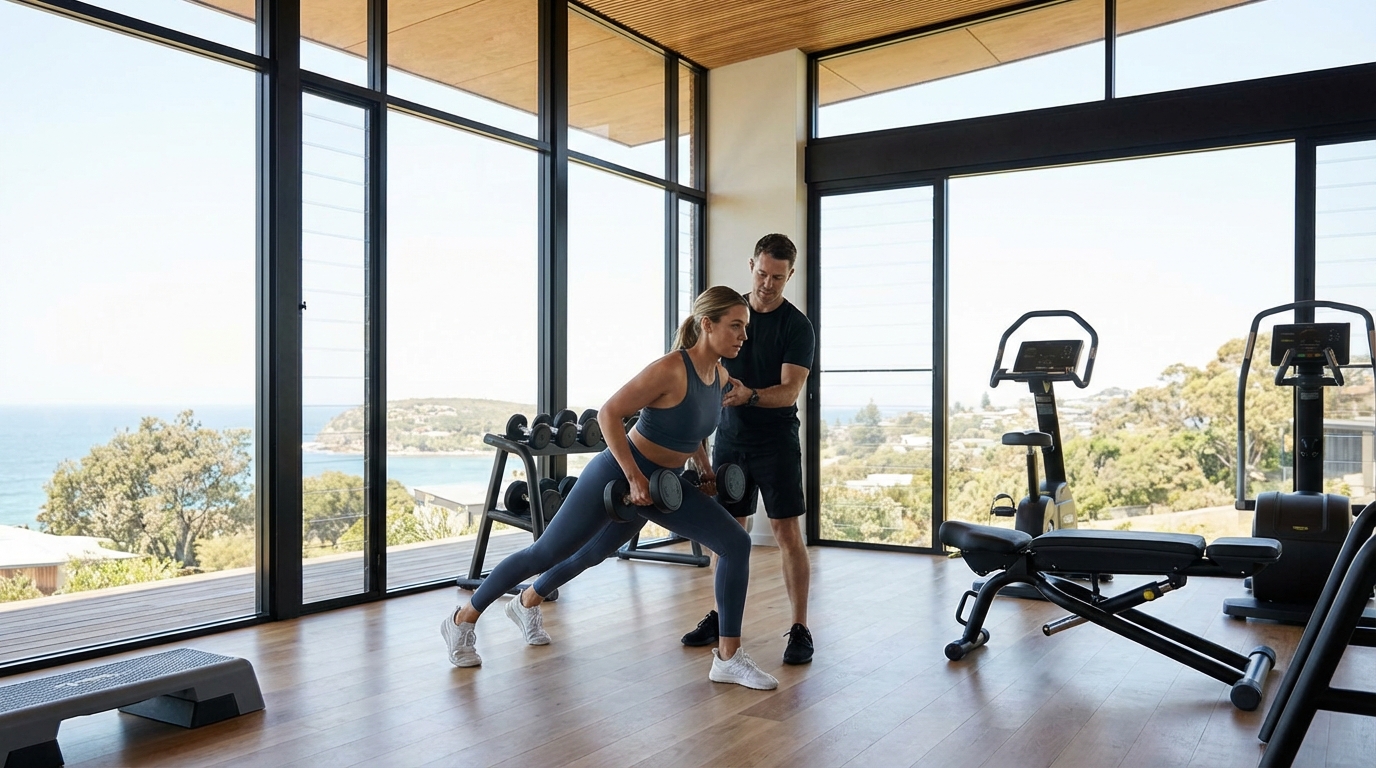
Resistance training is a proven method for improving muscular strength, fitness, and overall health. This guide is designed for the general Australian public, including those new to resistance training, regular exercisers, families, carers, and health-conscious individuals interested in building or maintaining musculoskeletal strength. The information here is for educational purposes only and should not replace advice from a qualified health professional. By the end of this article, you’ll understand what resistance training involves, its main benefits and considerations, how it compares with other types of strength exercise programs, key safety advice, and when to seek professional support within Australia’s healthcare system.
Understanding Resistance Training: What It Is and Why It Matters
Resistance training, also commonly known as strength training or weight training, involves working your muscles against some form of resistance—such as weights, bands, or body weight—to increase their strength, tone, and endurance. Unlike aerobic exercises, which primarily target the heart and lungs, resistance training focuses on building muscular strength, size, and overall musculoskeletal resilience.
In Australia, resistance training is recommended across all age groups to promote healthy ageing, prevent chronic conditions, and enhance everyday function. Australian health guidelines from bodies such as the Australian Government Department of Health and Aged Care suggest that adults perform muscle strengthening activities at least two days per week. These can include push-ups, squats, resistance band exercises, or free weights.
While “strength training,” “muscle strengthening exercises,” and “resistance strength training” are terms often used interchangeably, they generally refer to exercise and strength activity designed to increase muscular strength, endurance, and function. These routines can be tailored for beginners, older adults, and people with specific health goals or limitations, underscoring their versatility and accessibility.
How Does Resistance Training Work? Key Methods and Techniques
Resistance training exercises use external or body weight forces to stimulate muscle fibres, prompting them to adapt and grow stronger over time. This process, known as progressive overload, gradually increases the weight, repetitions, or intensity of exercises to continually challenge growing muscles and build musculoskeletal strength. There are many ways to perform resistance training, varying in equipment, technique, and complexity.
Common types include free weights (dumbbells, barbells), resistance machines, resistance bands, medicine balls, and bodyweight exercises. Each offers benefits depending on your goals, how to improve muscles safely, and available resources. For example, resistance bands or bodyweight moves like lunges might suit beginners or people exercising at home, while gym-based weight training can help advanced users build muscular strength with heavier loads. Australian guidelines from Exercise & Sports Science Australia recommend proper form, gradual progressions, and full-body routines for balanced results.
Technique is as crucial as load: focusing on controlled movements, correct posture, and range of motion helps prevent injuries and improves strength training resistance training outcomes.
Benefits of Resistance Training: Physical, Mental, and Lifestyle Advantages
Engaging in a regular resistance strength training routine offers a wide range of benefits, well supported by organisations like the National Heart Foundation of Australia. These benefits are not limited to muscular strength but extend to overall health and quality of life.
- Muscle and Bone Health: Increases muscle mass and bone density, reducing the risk of osteoporosis.
- Metabolic Improvements: Helps regulate blood sugar, lowers fat mass, and aids long-term weight management.
- Heart and Vascular Protection: Supports cardiovascular health, especially when combined with aerobic exercise.
- Mental Wellbeing: Boosts mood, supports confidence, and may help manage mild anxiety or depression symptoms.
- Mobility and Longevity: Improves flexibility, stability, and the ability to perform daily activities, supporting healthy ageing.
- Chronic Disease Prevention: Lowers risk for type 2 diabetes, heart disease, and some cancers.
Beyond the physiological advantages of resistance training, regular participation also carries significant social and mental health rewards, enabling people to maintain independence, participate in community activities, and build resilience. Despite these benefits, it’s important to match activities to your own ability and consult a trained health professional before starting a new strength building routine—especially if you live with chronic illness or injury.
Resistance Training Examples: Exercises and Programs Suitable for All Levels
Strength exercise programs can be simple or sophisticated, but all share certain core principles: targeting major muscle groups, using controlled motion, and adapting to individual progress. Classic examples of muscle strengthening exercises include:
- Squats and lunges
- Push-ups and pull-ups
- Deadlifts and bench presses
- Seated rows with resistance bands
- Shoulder presses with dumbbells
For Australians new to resistance training, a basic strength building routine might include two to three sets of 8–12 repetitions for each major muscle group, performed two or more non-consecutive days per week. A professional can help you develop a personalised strength building workout that matches your goals and fitness level. For older adults or those managing health conditions, supervised resistance training exercises can help maintain function and reduce fall risk.
To get started safely, consider arranging an assessment with an Accredited Exercise Physiologist or qualified trainer, who can help design an evidence-based program aligned to your needs.
Understanding Risks and Safety: What to Watch Out for with Resistance Training
While resistance strength training is generally safe when performed correctly, certain risks and concerns should be considered, especially for beginners, older adults, or those with chronic health conditions. The main safety issues include muscle strains, incorrect lifting technique, overuse injuries, and occasionally, exacerbation of existing health problems.
To minimise risks and build a sustainable workout strength training approach:
- Start with low or moderate resistance and increase slowly (gradual progression).
- Focus on correct technique—consult a qualified trainer or group program if unsure.
- Use appropriate equipment and clothing, and ensure exercise areas are safe.
- Include adequate warm-up and cool-down intervals to prepare muscles.
- Be mindful of unusual pain, dizziness, or shortness of breath during or after exercise—these are signs to stop and seek professional advice.
Certain populations should talk to a doctor or allied health professional before starting a new resistance training program. This is especially important for people with heart conditions, recent surgery, or concerns about exercise safety for chronic diseases.
Pro Tip: If you’re starting out or returning after illness or break, begin with bodyweight exercises and lighter resistance bands. These are effective, widely accessible, and reduce the risk of injury as technique and confidence build. Gradually add more resistance as your skills develop.
Checklist: Getting Started with a Safe and Effective Resistance Training Program
- Obtain health clearance if you have chronic medical conditions or are over 45.
- Start with simple, compound movements (e.g. squats, push-ups, rows).
- Learn proper form from certified professionals or reliable organisations.
- Begin with two sessions per week, targeting all major muscle groups.
- Give muscles 48 hours to recover before repeating the same exercises.
- Hydrate and include adequate nutrition to support muscle recovery.
- Monitor for any pain or symptoms, and adapt your routine as needed.
Comparison Table: Resistance Training vs. Other Strength or Exercise Methods
| Exercise Type | Main Goal | Common Examples | Key Benefits | Who Benefits Most |
|---|---|---|---|---|
| Resistance Training | Muscular strength & endurance | Weights, bands, bodyweight | Builds muscle & bone, boosts metabolism, functional strength | All ages, adults, seniors, chronic disease management |
| Aerobic/Cardio Training | Cardiorespiratory fitness | Walking, running, cycling | Heart & lung health, weight control, endurance | All ages, especially heart health focus |
| Flexibility/Mobility | Range of motion | Stretching, yoga | Reduces injury risk, supports mobility | Older adults, athletes, recovery programs |
If you are unsure which type of exercise suits your needs or safety requirements, a professional can help guide you to the most appropriate strength building workout for your circumstances.
Common Concerns: Myths, Misunderstandings, and Misinterpretation Risks
There are several myths about resistance training, particularly regarding who should participate and what results to expect. Contrary to some misconceptions, both men and women benefit from muscular strength exercises, and resistance training does not inherently cause bulky muscles—rather, it shapes and supports a healthy, strong physique for all body types. Concerns about safety, especially for older adults, people with diabetes, or those managing illness, can be reduced through expert guidance and gradual progression.
Another common misinterpretation risk is the assumption that “lifting heavier is always better.” In fact, consistent, moderate resistance with correct form yields safer long-term benefits than attempting very heavy weights too early. If you are using online resources, always check that exercise advice comes from credible, evidence-based Australian organisations or registered professionals.
When to Seek Professional Advice Regarding Resistance and Strength Training
While resistance strength training workouts are safe and suitable for most people, it is essential to consult a health professional before starting if you:
- Have never exercised regularly or have been inactive for an extended time
- Live with a chronic health condition (such as heart disease, diabetes, arthritis, or osteoporosis)
- Have experienced recent injuries or have concerns about exercise safety
- Are pregnant, postnatal, or aged 65 or older
A qualified exercise physiologist or GP can help assess your readiness, adapt activities safely, and connect you with community resources. In Australia, some programs may also be subsidised or available through Medicare or private health insurance for people with chronic health conditions. If you develop persistent pain, unusual fatigue, or symptoms like chest pain or dizziness during resistance training, stop immediately and seek medical support.
For more on safe exercise, see the advice provided by Better Health Channel Victoria.
FAQ
- What is the difference between resistance training and strength training?
- Resistance training and strength training are often used interchangeably. Both involve exercises aiming to increase muscle strength using weights, resistance bands, or body weight. The main goal in both is to improve muscular strength and overall musculoskeletal function.
- How often should I do resistance training to see results?
- Most Australian guidelines recommend muscle strengthening activities at least two non-consecutive days per week. Consistency, progression, and correct technique are important to achieve safe, gradual improvements in strength and health.
- Is resistance training safe for older adults and people with chronic conditions?
- Yes, with appropriate modifications and professional support, resistance training is beneficial and considered safe for older adults and many people with chronic illness. Always seek medical clearance and professional guidance before starting a program if you have existing health concerns.
- Can I build strength without lifting heavy weights?
- Absolutely. Muscular strength can be developed with bodyweight exercises, resistance bands, or lighter weights, especially for beginners or those building up confidence and technique. The key is progressively increasing the challenge while maintaining correct form.
- What are signs that I should stop resistance training and seek help?
- If you experience chest pain, shortness of breath, severe muscle pain, dizziness, or joint swelling during or after resistance training, stop immediately and seek advice from a health professional.