

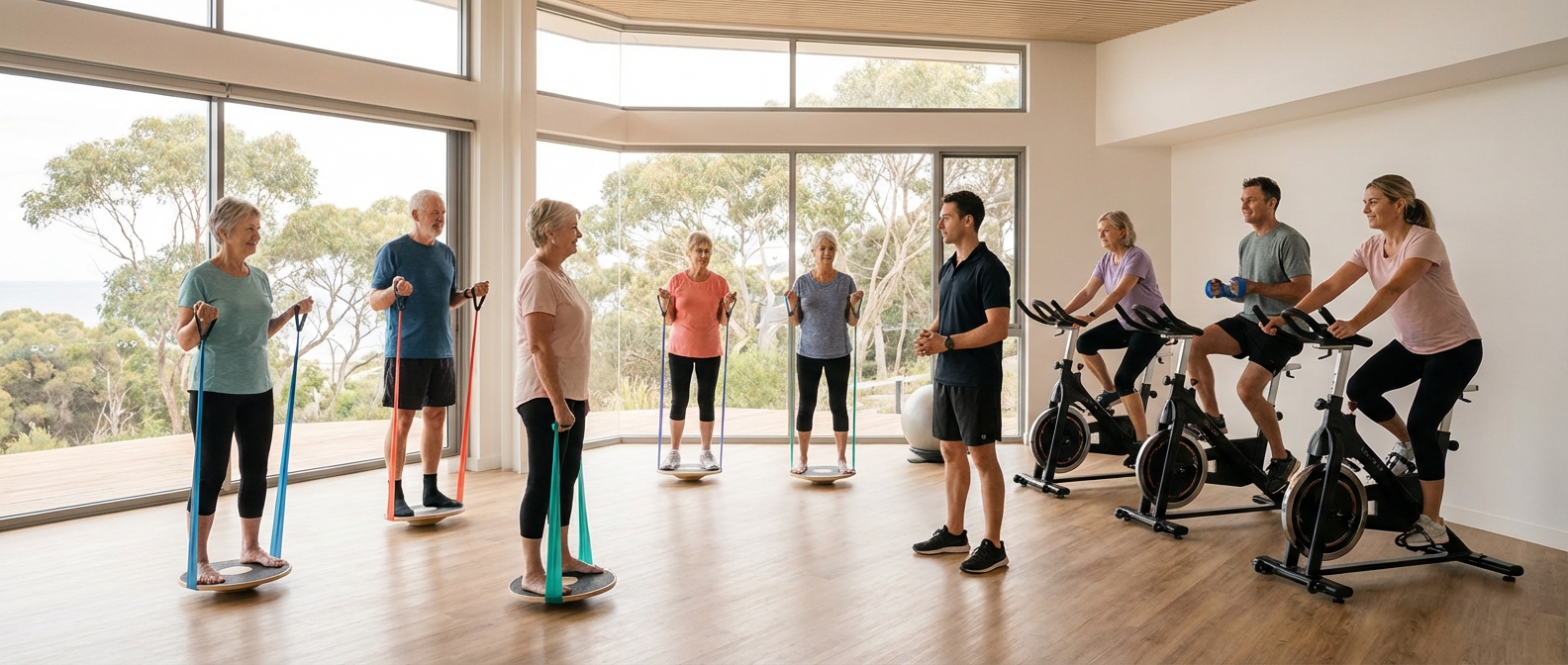
Looking to start or refresh your program for exercise? This article is designed for the general Australian public—including those who are health-conscious, new to fitness, or supporting others in adopting healthier movement routines. All information provided here is intended for educational purposes only and should not be used as a substitute for individual advice from a qualified healthcare provider. By reading on, you’ll gain a deeper understanding of how to choose, adapt, and safely implement planned exercise routines, explore free fitness programs available in Australia, learn to identify key warning signs, and understand when seeking professional guidance is important.
Understanding Program for Exercise: What It Means for Australians
A program for exercise refers to a structured and systematic approach to physical activity, tailored to individual fitness goals, lifestyle, and any unique health requirements. This planned exercise can include everything from brisk walking and yoga to high-intensity interval training, and is often guided by program resources such as free workout plans, routine exercise guides, or a free workout planner. For many Australians, these programs are an accessible pathway to better health, reducing the risk for chronic illness, enhancing daily wellbeing, and supporting long-term physical independence.
Australian guidelines recommend at least 150 minutes of moderate-intensity activity per week for adults, highlighting the importance of regular, routine exercise. Whether you’re just beginning or looking to optimise your current physical fitness program, understanding your options and the potential benefits—and risks—can help you make informed, confident decisions on the way to a healthier future.
Core Components of a Safe and Effective Exercise Program
A well-rounded physical fitness program addresses a range of needs based on age, health status, and individual preference. While every person’s path will be unique, most planned exercise routines share foundational elements:
- Aerobic activities (e.g., walking, cycling, swimming) to build cardiovascular health.
- Strength training (such as resistance exercises or bodyweight workouts) to enhance muscle health and bone strength.
- Flexibility and mobility work like stretching or yoga, improving balance and reducing injury risk.
- Rest days and recovery periods to allow the body to repair and adapt.
It’s essential to balance these elements in any free fitness plan or structured routine. Australians commonly access these routines through government initiatives, such as those promoted by Healthdirect Australia, reputable NGOs, and digital platforms offering workout routines free of cost.
Limitation: Not all free exercise plans are tailored to individual health needs. People with chronic health conditions, injuries, or specific medical concerns should consider consulting a healthcare professional before commencing or modifying any program, as routine exercise may require adaptation to remain safe and effective.
Symptoms, Warning Signs & When to Pause Your Exercise Program
While planned exercise is generally very safe for healthy individuals, it’s important to recognise warning signs of overexertion or underlying health issues during or after physical activity. These symptoms can help prevent more serious health complications and support a safer return to activity.
Common Symptoms Indicating Caution
- Chest pain or tightness during activity
- Severe shortness of breath that does not resolve with rest
- Dizziness or fainting
- Palpitations or irregular heartbeats
- Excessive fatigue or weakness disproportionate to exercise effort
- Sharp or sudden joint pain
These warning signs require prompt attention. Pause your program for exercise immediately and consider speaking with a healthcare provider or calling Healthdirect for guidance if symptoms persist or worsen.
Cannot be determined from symptoms alone: Sometimes, underlying medical issues (like heart or lung conditions) may not present clear early warning signs. This is why the Australian Physical Activity and Sedentary Behaviour Guidelines recommend individuals with chronic conditions, recent surgery, or a long break from activity check in with a doctor before major changes to their routine.
Causes & Risk Factors: Who Should Take Extra Care?
For most Australians, free fitness programs and regular planned exercise provide broad health benefits. However, certain health factors may affect how you approach your workout routines or increase the risk of injury or adverse events. Being aware of them allows for better management and prevention.
| Risk Factor | Potential Impact | Management/Prevention |
|---|---|---|
| Chronic medical conditions (e.g. diabetes, heart disease) |
Higher risk of complications during exercise | Seek health advice Adapt free exercise plan as needed |
| Previous injuries | Recurrent pain or further injury | Warm up, cool down, monitor for symptoms |
| Sedentary lifestyle | Increased risk when beginning new routine | Start slow, progress gradually, use free workout planner |
| Medication effects | Altered response to physical activity | Understand medication impact, liaise with GP |
| Age-related changes | Balance & falls risk, slower recovery | Include balance & strength, prioritise rest days |
Pro Tip: When starting a new fitness program or increasing intensity, use a weekly exercise plan to alternate high and low-intensity days, and schedule rest periods to prevent injury—especially important for adults over 50 or those managing chronic health issues.
Anyone experiencing new or worsening symptoms while following a physical fitness program should consider a check-up with a GP or a qualified exercise professional accredited by Exercise & Sports Science Australia.
Prevention and Safe Lifestyle Management with Exercise
Participating in a consistent, well-structured program for exercise is proven to lower the incidence of chronic illnesses (including type 2 diabetes, cardiovascular disease, and certain cancers), improve mental health, and increase quality of life. Adopting preventative strategies within your routine can help you get the most from free workout plans and reduce the chance of injury.
Checklist: Safe and Sustainable Exercise Habits
- Choose an appropriate level of activity for your age and fitness level
- Warm up for at least 5–10 minutes before intense activity
- Incorporate variety in planned exercise to work different muscle groups
- Stay hydrated, especially during warmer months in Australia
- Listen to your body and modify activity on unwell or low-energy days
- Use free fitness plan resources for guidance and support
- Ensure exercise environments are safe and accessible
- Allow sufficient recovery between sessions
- Check footwear and equipment for proper fit and condition
- Connect with a local community group for motivation and accountability
Preventive approaches safeguard against the main risks of routine exercise while maximising health gains. For those with existing conditions, such as hypertension or arthritis, program modifications may be essential, and support is available through Australian public health services and the Better Health Channel.
Accessing Free Exercise Plans and Resources in Australia
Australians have broad access to a range of free physical fitness programs, both online and in the community. Whether you’re seeking a structured home-based option, a community walking group, or a digital workout planner, reputable options exist for all ages and fitness levels. Choosing free workout routines with credible origins can help ensure the advice and guidance is both safe and effective, while reflecting current best practice.
Key sources include:
- Verified mobile apps and online platforms offering custom free exercise plans
- Local councils and health services providing group programs, walking groups, and park activities
- Australian government websites and trusted health organisations with structured workout routines free of charge
Important Limitation: Not all free exercise programs account for individual health concerns, and online information may lack personalisation. Consider your unique needs and consult a professional if you have doubts, a known medical condition, or are unsure about the suitability of any program.
| Program Type | Who Can Benefit | Australian Example |
|---|---|---|
| Online workout planner | Individuals seeking free, adaptable options | Healthdirect’s activity planner |
| Community walking group | Those seeking support and low-impact exercise | Heart Foundation Walking |
| Free fitness programs at local gym | Adults & youth, all skill levels | Council leisure centre classes |
| Mind-body routines (e.g., yoga, pilates) | People aiming to improve flexibility or manage stress | YMCA Australia’s online classes |
Building and Adapting a Weekly Exercise Plan
When asking, “how I work out safely and effectively?” it helps to frame your free fitness plan around your goals, schedule, and health considerations. A typical program (or programma workout) balances aerobic, strength, and flexibility elements across the week.
Sample Weekly Workout Structure
- Monday: Moderate walk (30 minutes)
- Tuesday: Bodyweight strength circuit (20 minutes)
- Wednesday: Rest or gentle stretching/yoga
- Thursday: Cycling or swimming (30–45 minutes)
- Friday: Resistance training or pilates session
- Saturday: Group sport or vigorous gardening activity
- Sunday: Rest or easy walk/family activity
If you’re returning after illness, injury, or a period of inactivity, focus on session duration and intensity, starting slow and building up as comfort and endurance improve.
Scheduling regular check-ins (monthly or after four to six weeks) with a GP, accredited exercise physiologist, or physiotherapist helps track progress and ensure you’re safely working towards your goals.
Risks, Misinterpretations & When to Get Professional Help
While free workout plans and structured routine exercise are generally low-risk for most, some key concerns arise if misconceptions are left unaddressed.
Risks to Watch
- Overtraining or insufficient rest, leading to fatigue or injury
- Relying solely on online or generic free exercise programs without adjustments for personal health status
- Ignoring persistent pain or symptoms (see above), which may signal a need for medical review
- Adopting very high-intensity routines without proper preparation
Misinterpretation risk: No planned exercise program can guarantee specific outcomes—improvements will vary with genetics, baseline health, and adherence. Programs should be seen as flexible guides, not rigid prescriptions.
When to seek medical help: Always consult a healthcare professional if you experience chest pain, unexplained dizziness, severe breathlessness, or musculoskeletal pain that does not resolve with rest or self-care measures. Australians can access immediate support via Healthdirect for symptom guidance and after-hours advice.
For those with complex or chronic health conditions, a health professional can help customise a program, ensuring safe progress, ongoing motivation, and appropriate monitoring.
FAQ
What is a program for exercise?
A program for exercise is a planned and organised approach to physical activity, often including elements like aerobic, strength, and flexibility exercises. It structures movement routines to suit health needs, goals, and lifestyle, helping participants achieve better physical and mental wellbeing.
Are free fitness programs safe for everyone?
While many free fitness programs suit most healthy Australians, people with chronic medical conditions, current injuries, or new symptoms should adjust routines or seek advice from a health professional before starting or intensifying activity.
How do I know if I’m exercising too much?
Excessive tiredness, persistent soreness, poor sleep, and declining performance can indicate overtraining. If you experience severe symptoms, like chest pain or faintness during activity, stop immediately and consult a healthcare provider.
Can I create a routine exercise program without a gym?
Yes—plenty of effective free exercise plans use bodyweight exercises, walking, or household items for resistance. Many online platforms and community resources offer comprehensive programs that do not require gym access.
When should I stop my workout and seek medical advice?
If you have unexpected chest pain, severe breathlessness, dizziness, or pain that doesn’t improve after stopping, it’s important to seek professional advice promptly, as these can signal serious health concerns.