

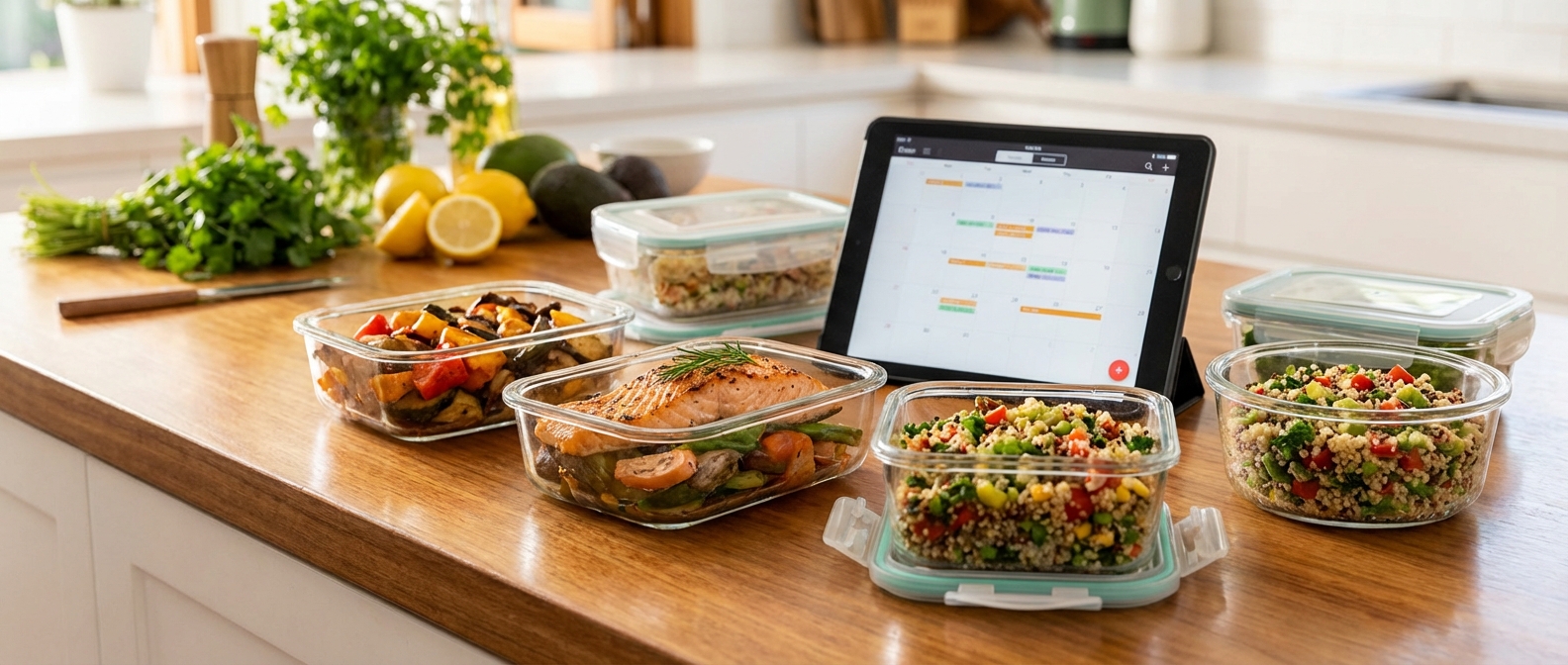
If you’re exploring pre made meals in Australia—whether for convenience, weight management, or health—this guide is designed for anyone looking to better understand the role of prepared food in a healthy lifestyle. Developed for the Australian public, health-conscious individuals, and anyone considering meal delivery, this article is for information and educational purposes only and not a substitute for professional medical advice. By reading on, you’ll gain clear insights into how pre made meals work, their health risks and benefits, and practical prevention tips for making safe, balanced choices.
Understanding Pre Made Meals in Australia: A Responsible Guide
What Are Pre Made Meals? An Overview for Australians
Pre made meals—also known as ready made meals, premade food, and prepared meals—refer to complete dishes that have been cooked, portioned, and packaged by a provider for convenience and easy storage. With options from supermarkets, boutique meal delivery services, and even hospital nutrition programs, these foods only need reheating and can save time for busy families, students, or workers.
In Australia, the choices range from traditional meals to calorie-controlled dishes tailored for weight loss food delivery or specific health needs. Major cities such as Brisbane and Adelaide have seen rapid growth in meal delivery services, offering everything from low-calorie meals to ready lunch options for people on the go.
Despite their popularity, it’s important to remember that not all pre made meals are created equal. Navigating labels, understanding sodium and preservative content, and choosing evidence-backed providers can make a significant difference in supporting overall health.
Who Uses Pre Made Meals and Why?
Pre made meals are used across a broad section of the Australian population. Common users include busy professionals, parents, elderly individuals, carers supporting those with chronic health conditions, and people seeking weight loss meal delivery.
The main motivations include:
- Convenience and time-saving, especially for shift workers or those with limited cooking skills
- Nutritional management: easy access to balanced meals designed by dietitians
- Weight management: portion-controlled and low-calorie meal delivery services
- Chronic illness management: meals aligning with medical or dietary advice
Meal delivery services are particularly helpful for those with mobility limitations or limited access to fresh food, which is acknowledged by Australian public health organisations and aged care providers.
However, reliance on pre packaged meals can introduce concerns about hidden ingredients, preservatives, and overall dietary variety.
Types of Pre Made Meal Services in Australia
Australians can choose from several pre made meal options, typically grouped as follows:
- Commercial Meal Delivery Services: Brands offering meals delivered straight to your home, sometimes focusing on healthy or diabetes-friendly options.
- Weight Loss Food Delivery: Services that specialise in low calorie, portion-controlled meals with a strong focus on calorie tracking and macronutrient balance.
- Supermarket Ready Meals: Widely available options, usually kept in chilled or frozen sections for quick selection.
- Specific Dietary Needs: Providers catering for gluten-free, vegetarian, vegan, and allergy-friendly diets.
Many of the best meal delivery services in Australia are registered with regulatory bodies such as Food Standards Australia New Zealand, providing reassurance around safety and quality. Always check for regulatory compliance before choosing a provider, especially if you have specific dietary needs.
Symptoms and Signs of Nutritional Gaps from Frequent Pre Made Meals
Consuming ready made food delivery frequently may inadvertently contribute to nutritional imbalances, particularly if meals aren’t chosen carefully. Australians relying regularly on these services should be mindful of subtle signs that may indicate dietary gaps.
| Possible Symptom | Potential Reason | When to Seek Advice |
|---|---|---|
| Ongoing fatigue | Lack of essential nutrients (e.g. iron, vitamin B12) | If unexplained or persistent |
| Digestive discomfort | High preservative or sodium content | If not resolved by dietary changes |
| Increased snacking | Inadequate protein or fibre | If affecting weight or wellbeing |
| Unintended weight changes | Miscalculated calorie intake | If rapid or unexplained |
If you notice these symptoms despite a varied diet, consider checking in with a GP or accredited practising dietitian. For sudden or severe symptoms, medical review is important as these can sometimes reflect underlying health conditions not related to diet alone.
Causes and Contributors: How Pre Made Meals May Affect Health
While pre made meals offer convenience, several factors may impact nutritional quality and overall health:
- Ingredient choices: Some ready to eat meals use high levels of sodium, preservatives, and saturated fats to improve flavour or shelf life.
- Portion size uncertainty: Inaccurate labelling or oversized portions can contribute to overconsumption or undermine fat loss meals delivered for weight management.
- Lack of whole foods: Some premade food options are low in vegetables, whole grains, or lean proteins, leading to a less diverse nutrient profile.
- Allergenic ingredients: Not all providers clearly indicate the presence of allergens, causing risk for sensitive individuals.
Australian guidelines, such as those promoted by the National Health and Medical Research Council, recommend prioritising variety and fresh produce to prevent long-term nutritional gaps.
Pro Tip: When choosing meals delivered, look for those that list clear whole-food ingredients, less than 500mg sodium per serve, and minimal added sugars for each ready meal.
Risk Groups: Who Should Use Caution with Pre Made Meals?
While pre made meals can benefit many, some groups should exercise extra care:
- People with chronic conditions: Those with heart disease, kidney issues, or high blood pressure may need to avoid high-sodium or high-sugar ready prepared meals delivered.
- Pregnant or breastfeeding individuals: Nutrient requirements are higher, so low-nutrient or highly processed meals may not meet daily needs.
- Children and adolescents: Frequent consumption of pre packaged meals can lead to high salt or fat intakes not suitable for growing bodies.
- Older adults: At risk of malnutrition if meals lack sufficient protein, vitamins, and hydration elements.
If you or someone you care for falls in these categories, consulting an accredited dietitian can help tailor safe, balanced meal delivery options.
Prevention: Safe Use and Healthier Choices with Pre Made Meals
Australians can enjoy the convenience of meal delivery while safeguarding their health by following simple preventative strategies. This supports healthy eating, effective weight loss meal delivery services, and diet variety over time.
- Rotate meal types and providers to ensure dietary diversity
- Balance ready prepared meals with plenty of fresh fruits, vegetables, and whole grains where possible
- Choose providers with accredited health endorsements or clear nutrition labelling
- Watch for hidden sodium, sugars, and fats—ideally aim for under 500mg sodium and 8g saturated fat per meal
- Complement delivered meals with regular hydration and physical activity
| Strategy | How It Helps |
|---|---|
| Read nutrition labels | Helps you spot added salt, sugars, and preservatives |
| Ask about preparation methods | Grilled or baked options often healthier than fried |
| Prioritise variety packs | Reduces risk of repetitive nutrient gaps |
| Consult a dietitian for weight loss food delivery service plans | Ensures personalised, goal-oriented options |
The Healthdirect Australia website has up-to-date advice on healthy eating, including the role of prepared foods within a balanced lifestyle.
Choosing a Meal Delivery Service: Key Considerations for Australians
Selecting the best meal delivery service in Australia or finding low calorie meal delivery service providers can feel complicated. Keep these factors in mind:
- Transparency: The provider should give clear, easy-to-understand nutrition information, ingredient lists, and any health claims.
- Accreditation: Preference for companies who follow Food Standards Australia New Zealand guidelines on hygiene and food safety.
- Customisation: Ability to tailor meals for allergies, intolerances, and specific weight loss or calorie needs.
- Social proof: Recommendations from public health authorities or Australian Diabetes Educators Association for medically relevant options.
For specialised areas such as meal delivery Brisbane or meal delivery services Adelaide, local councils and community health clinics may have suggestions matched to local needs.
| Feature | Why It Matters | What to Look For |
|---|---|---|
| Nutrition transparency | Enables informed choices about calories, sodium, and allergens | Accessible online or printed material |
| Meal variety | Prevents diet monotony; supports balanced nutrition | Range of cuisines, ingredients, and serve sizes |
| Food safety | Avoids contamination and foodborne illnesses | Cold chain compliance or clinical food service endorsements |
| Cost transparency | Helps avoid hidden fees or automatic renewals | Clearly stated pricing, delivery fees, and contract terms |
Real-Life Scenario: Using Ready Made Meals Responsibly
Consider “Alex”, a busy Sydney professional who uses a weekly weight loss meal delivery plan. Alex finds that by rotating providers, reading ingredient lists, and supplementing each ready meal with extra vegetables, he maintains energy for work and fitness—without feeling deprived. When he experiences fatigue, he reviews his nutrition choices for gaps, and consults a local dietitian if symptoms persist.
This approach highlights the benefit of using pre made meals as part of a healthy lifestyle, not a replacement for mindful food choices and medical guidance when necessary.
Checklist: Healthy Habits When Choosing Pre Made Meals
- Check labels for sodium, preservatives, and added sugars
- Look for meals with at least 2 serves of vegetables
- Rotate menu choices weekly to avoid nutrient gaps
- Complement delivery meals with fresh sides, like salad or fruit
- Store and reheat meals according to provider instructions to prevent foodborne illnesses
- Seek reputable providers with positive reviews and Australian health compliance
FAQ
Are pre made meals healthy for weight loss?
Pre made meals designed for weight loss can support goals by controlling portions and calories. However, results depend on overall diet and physical activity. For best results, look for balanced meals with lean proteins, wholegrains, and lots of vegetables, and consult a healthcare professional if unsure.
Is it safe to rely solely on meal delivery services?
Relying entirely on meal delivery may limit dietary variety and impact long-term nutrition. For best practice, use these services as a supplement to a balanced diet that includes fresh produce, and seek advice for underlying health conditions.
What should I check when choosing ready made meals?
Check for clear nutrition information, whole-food ingredients, reasonable portion sizes, and low sodium or sugar content. Those with allergies or health conditions should choose providers who clearly label major allergens.
When should I seek medical advice about my diet?
Seek professional guidance if you experience unexplained fatigue, digestive issues, rapid weight changes, or symptoms that persist despite dietary changes. Dietitians and GPs can help tailor safe nutrition plans.
How can I make ready to eat meals more nutritious?
Add side salads, extra vegetables, or a piece of fruit to each meal, and ensure variety across the week. This helps increase fibre, vitamins, and minerals to support your health.