
Understanding various physical activity examples is essential for Australians seeking to support their health, manage weight, or simply feel more energised day to day. This article is designed for the general Australian public, including those new to fitness, carers, and individuals mindful of their well-being. The information provided here is educational, helping you explore types and categories of exercise safely and supportively—it is not a replacement for personalised medical advice from your doctor. By the end, you’ll understand how to define physical activity, identify safe examples, and consider what exercise choices might suit your lifestyle, age, and health needs.
Understanding Physical Activity: Definition and Importance
How Do We Define Physical Activity in Australia?
Physical activity is any movement produced by skeletal muscles that expends energy. This includes organised sports, fitness routines, active transport, household chores, and leisure pursuits. In Australia, leading bodies like the Australian Government Department of Health and Heart Foundation recommend that engaging in varied activities supports heart health, mental wellbeing, healthy weight, and the prevention of chronic diseases.
A clear description of physical activity recognises both structured exercise (like workouts or team sports) and everyday movements (such as gardening or walking to work). Including a range of physical activity activities helps promote the physical, psychological, and social benefits shown in Australian research.
It’s important to note that sedentary behaviour—prolonged sitting or inactivity—carries its own health risks, making even small amounts of movement valuable. Those with existing medical conditions, mobility challenges, or unique health needs should consult a qualified health professional before changing activity levels.
Categories and Types of Exercise: A Complete Overview
Core Physical Activity Categories
Health professionals group exercise into several broad categories of exercise to help individuals select the right kinds of activity for their goals, age, and abilities:
- Aerobic Exercise: Activities that increase heart rate and breathing, such as brisk walking, running, swimming, or cycling.
- Strength (Resistance) Training: Exercises that build muscle power, like weightlifting, push-ups, or using resistance bands.
- Flexibility: Movements that lengthen muscles and increase joint range, such as yoga or stretching routines.
- Balance and Coordination: Exercises that improve stability and control, for example, tai chi, Pilates, and standing on one leg.
Each of these categories provides different health benefits. For holistic health, combining a variety of these forms of physical exercise is often encouraged. Some everyday activities, such as dancing or certain group sports, can combine elements from multiple categories.
Physical Activity Examples: Everyday and Structured
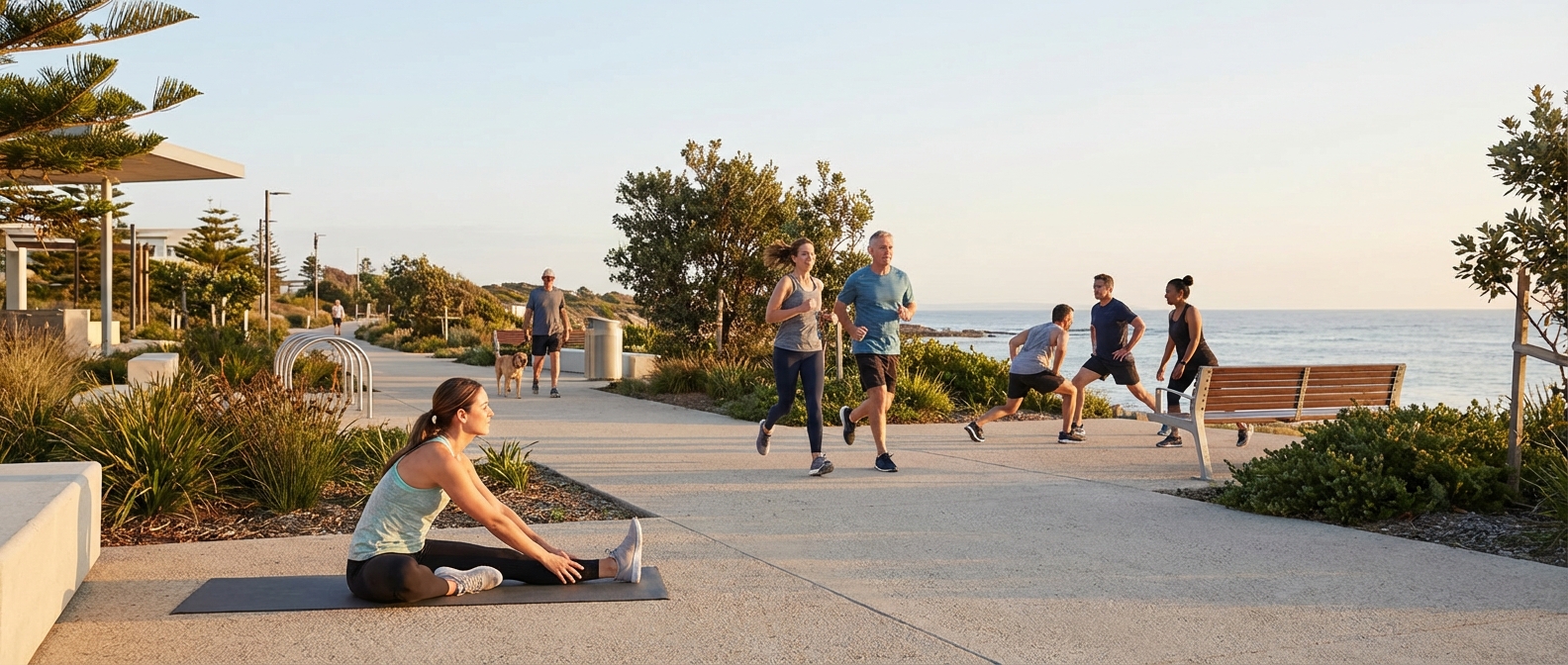
Adapting physical activity into daily life can be achievable, even for those with busy routines. Below are practical examples to illustrate various types of exercise Australians might consider:
- Walking or Hiking: Suits a wide range of fitness and mobility levels, easy to modify intensity.
- Jogging or Running: More vigorous, supporting cardiovascular health.
- Swimming: Joint-friendly, whole-body exercise, safe for many age groups.
- Team Sports: Netball, soccer, AFL, and basketball offer fitness and social connection.
- Cycling: Can be recreational or a mode of transport, suited for urban and rural settings.
- Strength Workouts: Using hand weights, resistance bands, or bodyweight moves like squats and lunges.
- Yoga and Pilates: Emphasise flexibility, core strength, and relaxation.
- Home Chores: Vigorous vacuuming, gardening, or scrubbing floors provide functional movement.
Participation can be tailored according to motivation, ability, and personal preferences. It’s always wise to consider safety, particularly for strenuous activity or when trying a new exercise type.
Intensity Explained: Vigorous, Moderate, and Light Physical Activity
The vigorous physical activity definition involves movement that makes you noticeably out of breath and results in increased heart rate, such as running, intense cycling, or competitive sports. Moderate activity, in contrast, may include brisk walking or slow cycling—enough to raise your pulse but allow for conversation. Light intensity activities include slow walking, stretching, or casual gardening.
Understanding the difference can help you manage risk and select suitable workout activities for your health status. The Cancer Council Australia recognises that both moderate and vigorous activities play a role in reducing chronic disease risk.
Safety tip: It’s important to build up intensity gradually, especially if you have health concerns or are new to exercise. Listen to your body and discuss your plan with a health professional if you are unsure.
Real Life Scenarios: Matching Activities to Your Lifestyle
Physical Activity Examples by Life Stage
Choosing activities that fit your life circumstances is important for sustainability and enjoyment. Here are sample scenarios to guide safe choices tailored to common Australian contexts:
- Children and Teens: Participating in active play, school sport, dance classes, or casual games at the park helps meet movement guidelines and supports motor skills. Structured team sports are popular, but unstructured play is equally valuable.
- Adults: Mixing moderate and vigorous activities like gym classes, jogging, brisk walking, swimming laps, or joining a local sporting group supports heart and bone health. Balancing strength, aerobic, and flexibility exercises is ideal.
- Older Adults: Regular walking, water aerobics, tai chi, and gentle stretching help maintain balance, independence, and cognitive health. Activities suited for joint protection and falls prevention are particularly beneficial.
- People with Disabilities: Adapted sports, chair-based exercises, and aquatic activities can be inclusive ways to gain benefits—with support from allied health professionals where needed.
Remember that any amount of movement, even in short bursts, can make a meaningful difference. For Australian government guidance, see recommendations from the Department of Health physical activity guidelines.
Recommended Exercise by Age: What to Know
While every body is different, public health authorities provide age-based recommendations for weekly physical activity categories and intensity to achieve optimal health. These are generally designed as targets rather than requirements, and you can discuss individual adaptations with a health professional if needed.
| Age Group | Recommended Activity | Frequency & Intensity | Pro Tip |
|---|---|---|---|
| Children & Teens (5–17) | Active play, sport, cycling, dancing | 60+ mins/day Mostly moderate-vigorous |
Mix up activities to keep it fun and engaging |
| Adults (18–64) | Walking, running, cycling, swimming, team sports, strength | 150–300 mins/week Moderate Plus strength 2x/week |
Include both aerobic and muscle-strengthening activities |
| Older Adults (65+) | Walking, water aerobics, tai chi, yoga, balance | 30 mins/day Most days Moderate |
Focus on balance and flexibility for falls prevention |
Pro Tip: The Australian Institute of Health and Welfare highlights that activity can be accumulated throughout the week—everything counts. Try standing up regularly during long periods of sitting or taking the stairs for small, health-boosting changes.
If you’re returning to exercise after illness, injury, or a period of inactivity, start gently and seek guidance from your GP, an exercise physiologist, or another qualified professional.
Identifying Risks, Safety Concerns, and Seeking Help
When Physical Activity May Not Be Safe
While movement offers a wide range of benefits, some risks are associated with certain types of exercise. Overexertion, poor technique, or underlying health issues can increase the chance of injury. Warning signs during or after activity, such as chest pain, severe breathlessness, dizziness, or joint swelling, require prompt medical review.
| Warning Sign | Potential Underlying Condition | Recommended Action |
|---|---|---|
| Sudden chest pain or tightness | Heart problem (e.g. angina, exercise-induced cardiac event) | Cease activity and seek immediate medical help |
| Severe shortness of breath | Respiratory or cardiovascular condition | Stop and consult your doctor |
| Acute joint swelling/pain | Musculoskeletal injury | Rest; see a health professional if pain persists |
To reduce risk, always warm up before strenuous activity, use appropriate equipment, and ensure your chosen location is safe. If you live with a chronic health condition, your GP or allied health team can provide individualised advice on safe movement options.
Incorrect technique and sudden spikes in activity are common causes of injury, especially when starting new workout activities. Go slow, listen to your body, and seek instruction from a qualified professional where possible.
Prevention and Healthy Living: Making Activity a Habit
Checklist: Safely Starting or Increasing Physical Activity
- Choose activities you enjoy to boost motivation and long-term routine.
- Start small, especially if you’re returning from inactivity, and build up gradually.
- Wear supportive footwear and suitable clothing.
- Warm up and cool down properly to help prevent injuries.
- Stay hydrated, particularly in hot Australian climates.
- If you have chronic health conditions, injury history, or concerns, speak to your doctor or an accredited exercise physiologist before increasing intensity.
- Swap sedentary time for “movement snacks”—a few minutes of standing, stretching, or walking each hour.
- Be alert for pain, dizziness, or breathlessness; stop the activity if these occur and seek support as needed.
- Consider regular physical activity as part of your everyday lifestyle—not just a “workout.”
- Connect with friends or local groups, as social support makes ongoing activity more enjoyable and sustainable.
Remember: Recommendations are general. Everyone’s needs, abilities, and safety considerations are different. The best exercise is the one you enjoy and can maintain, tailored to your health status and environment.
FAQ
What are the main types of physical activity recommended in Australia?
The main types of physical activity recommended are aerobic exercise (like walking, running, cycling), strength training, flexibility movements, and balance or coordination exercises. A mix of these supports overall wellbeing.
How do I know if I am doing vigorous exercise?
Vigorous exercise makes talking difficult, raises your heart rate noticeably, and may leave you sweating or breathless. Examples include fast cycling, running, or competitive sport.
Can older adults and people with health conditions still benefit from physical activity?
Yes, most older adults and those with health conditions gain significant health and mobility benefits from regular activity suited to their needs. It’s best to seek professional advice to tailor a safe routine.
What are signs I should stop exercise and seek medical advice?
Stop activity and seek urgent advice if you notice sudden chest pain, severe breathlessness, dizziness, fainting, or acute joint pain or swelling. These could indicate a health concern needing prompt attention.
What exercise is the best for long-term health?
The best exercise is one that is safe, enjoyable, and fits your abilities and lifestyle. Consistency, variety, and gradual progression are key for health and prevention.