

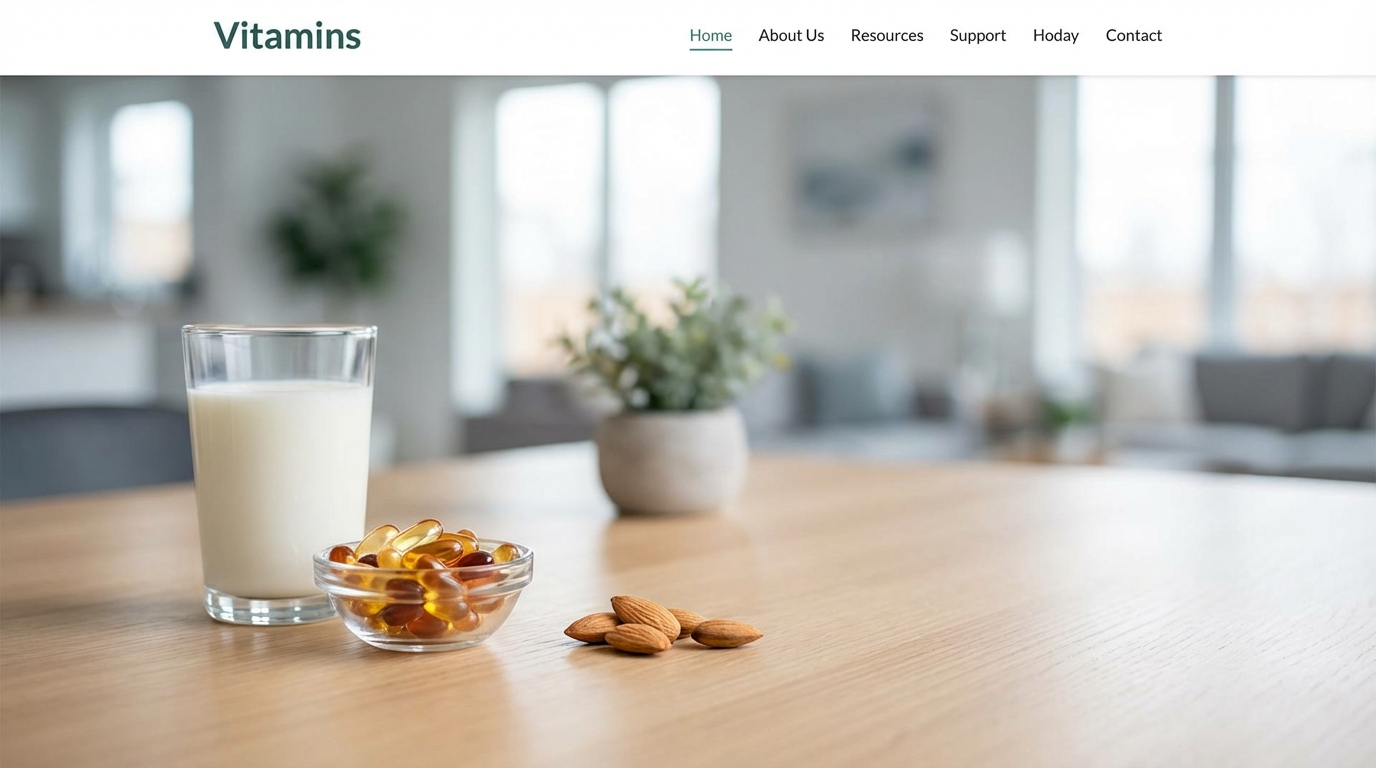
Understanding osteoporosis and vitamin D is essential for Australians concerned about bone health, whether you’re seeking to prevent bone loss, supporting a family member, or simply curious about health strategies. This article is designed for the general Australian public, carers, and health-conscious individuals. It provides a clear overview of how osteoporosis and vitamin D connect, what causes and symptoms to watch for, how prevention works, and where to find support in Australia. All information here is for general education only and should never replace personalised advice from a qualified healthcare professional.
Osteoporosis and Vitamin D: What Every Australian Should Know
Understanding Osteoporosis: The Basics
Osteoporosis is a chronic condition characterised by decreased bone density and quality, making bones more fragile and prone to fractures. It develops gradually and has few noticeable symptoms until a fracture occurs. In Australia, osteoporosis is a significant health concern, particularly among older adults, post-menopausal women, and those at higher risk due to family history or lifestyle factors.
According to Australian Government health resources, more than 1 million Australians are estimated to have osteoporosis, with many more at risk due to undiagnosed bone loss. Early identification and awareness of risk factors are vital for management and prevention.
Osteoporosis is often called the “silent disease” because bone loss occurs without clear warning signs until a sudden injury, such as a hip, spine, or wrist fracture. Understanding how factors like vitamin D can help maintain bone health is key to reducing your risk and supporting long-term mobility and independence.
The Role of Vitamin D in Bone Health
Vitamin D plays a crucial role in maintaining healthy bones throughout life. It helps your body absorb calcium from food and supplements, which is vital for building and maintaining strong bone structure. Without sufficient vitamin D, calcium absorption decreases, leading to gradual bone loss over time—a leading factor in osteoporosis.
In Australia, most people can get some vitamin D from sunlight exposure, but factors like age, skin type, sunscreen use, and limited outdoor activity can affect vitamin D levels. Low vitamin D is common among older adults, people with limited sun exposure, and those who cover their skin for cultural or religious reasons.
While vitamin D is found in foods such as oily fish, fortified dairy products, and eggs, diet alone is rarely enough to meet recommended levels, especially for those at higher risk of deficiency.
The Royal Australian College of General Practitioners and Healthdirect Australia both stress the importance of regular monitoring and individualised guidance for maintaining optimal vitamin D and bone health levels—especially as part of osteoporosis prevention or management.
How Osteoporosis Develops: Causes and Contributing Factors
The development of osteoporosis and related bone loss is a complex process involving several factors:
- Hormonal changes: Declining oestrogen after menopause in women—and testosterone changes in men—speed up bone loss.
- Insufficient calcium or vitamin D: Chronic lack of these nutrients weakens bones over time.
- Genetic predisposition: Family history of osteoporosis or fractures increases your risk.
- Lifestyle factors: Smoking, excessive alcohol, lack of weight-bearing exercise, and low body weight may accelerate bone density loss.
- Certain medical conditions or medications: Long-term use of corticosteroids, thyroid conditions, or severe vitamin D deficiency can contribute to osteoporosis.
Notably, secondary osteoporosis refers to bone loss caused by other medical conditions—highlighting the importance of a thorough medical assessment before starting any vitamin D supplementation or treatments.
Symptoms and Warning Signs of Osteoporosis
Osteoporosis is usually symptomless until a bone breaks, but recognising possible warning signs can prompt timely action:
- Unexpected bone fractures after minor falls or bumps
- Gradual loss of height over time
- Back pain, especially from vertebral fractures
- Postural changes, such as stooping or a curved upper back (`dowager’s hump`)
If you experience any of these symptoms, or have risk factors for osteoporosis, consult your GP for a bone health assessment. Early action may help slow the progression of bone loss and lower the risk of further fractures.
| Symptom/Sign | Osteoporosis | Other Bone Conditions |
|---|---|---|
| Pain only after minor injury | Common | May occur in stress fractures |
| Loss of height over time | Common | Rare in other conditions |
| Bone deformity (curved back) | Characteristic | Uncommon |
| Red, swollen joints | Uncommon | More likely arthritis |
Who Is At Risk? Key Risk Groups in Australia
While osteoporosis can affect anyone, some groups in Australia are more likely to develop bone loss:
- Women over 50, especially post-menopause
- Men over 70
- People with a family history of fractures or osteoporosis
- Those with long-term low dietary calcium or vitamin D
- Individuals with chronic medical conditions—especially those requiring corticosteroids
- People with limited mobility or who rarely get sunlight exposure
- Individuals with malabsorption syndromes (e.g., coeliac disease, Crohn’s disease)
- People with poor nutrition or eating disorders
Identifying your risk profile helps guide preventive efforts and when to seek further medical advice regarding bone density testing or vitamin D assessments.
Vitamin D Deficiency and Bone Loss: Understanding the Link
Vitamin D deficiency is a well-established contributor to osteoporosis and increased fracture risk. Inadequate sunlight exposure is the most common cause in Australia, especially during winter or for those who spend most of their time indoors.
When vitamin D levels fall below optimal thresholds, calcium absorption drops, and the body starts withdrawing calcium from bones. Over time, this weakens bone mineral density and increases fracture risk, especially in older adults.
Research by Osteoporosis Australia and international health bodies confirms that maintaining adequate vitamin D can reduce the likelihood of osteoporotic fractures and support bone remodelling.
It’s also important to note that excessive vitamin D supplementation can lead to elevated calcium levels, posing other health risks. Always seek personalised advice before starting supplements.
Diagnosis: How Osteoporosis and Vitamin D Levels Are Assessed
In Australia, osteoporosis diagnosis typically involves:
- A thorough medical and lifestyle history
- Assessment of risk factors and possible symptoms
- Bone mineral density (BMD) testing, usually by DXA (dual-energy X-ray absorptiometry) scans, which are widely available in Australia and sometimes covered by Medicare for eligible risk groups
- Blood tests to check vitamin D, calcium, and other relevant markers
Your GP will discuss the best time for screening based on age, medical conditions, medication use, and any previous fractures. If vitamin D deficiency is suspected, guided testing and ongoing monitoring may be recommended.
Some people may have a combination of mild bone loss (osteopenia) and suboptimal vitamin D, which can also increase fracture risk without clear osteoporosis. Your doctor will help determine the most appropriate next steps.
Prevention and Management: Protecting Bone Health
While not all cases of osteoporosis can be prevented, there are practical, everyday steps Australians can take to support bone health and reduce risk—many focusing on vitamin D and lifestyle choices.
The following approaches are commonly advised by Australian public health bodies:
- Safe, moderate sun exposure (a few minutes most days on hands, face, arms) for vitamin D synthesis
- Consuming adequate dietary calcium through dairy, leafy greens, or fortified foods
- Regular weight-bearing and resistance exercise to help strengthen bones
- Minimising alcohol intake and avoiding smoking
- Routine medical check-ups, especially if you’re in a risk group or have symptoms
| Prevention Step | Benefit for Bone Health | Example |
|---|---|---|
| Regular sun exposure | Boosts vitamin D production | Short walks during daylight |
| Calcium-rich diet | Strengthens bone foundation | Yoghurt, milk, cheese |
| Weight-bearing exercise | Improves bone density | Walking, dancing, stair climbing |
| Avoid tobacco & limit alcohol | Reduces bone loss acceleration | Quit smoking, moderate drinks |
If you’re at higher risk or have been diagnosed with osteoporosis, your doctor may discuss further medical management, which can include supplements or prescription treatments tailored to your needs. This should always be based on individual risk, monitoring, and regular review.
| Management Option | When Used | Real-World Example |
|---|---|---|
| Diet & exercise | All adults, prevention | Walking 30 min daily |
| Vitamin D supplementation | When deficiency confirmed | Short-term prescription |
| Pharmacotherapy (prescription medicines) | Diagnosed osteoporosis/fracture risk | Bisphosphonates, denosumab |
| Fall prevention programs | Increased fall risk | Balance exercises, home modifications |
Pro Tip: Consider joining a community exercise program, such as group tai chi classes, which are shown to improve balance, coordination, and bone strength—helping lower fracture risk, especially as you age.
Vitamin D Supplements: Safety, Risks, and Considerations
While supplements are sometimes recommended when vitamin D deficiency is diagnosed, they are not universally required. Over-the-counter products are available in Australia, but correct dosing and duration should be guided by your GP or specialist, especially for people with chronic conditions, on multiple medications, or at risk for interactions.
Excessive doses of vitamin D can cause harm through raised blood calcium, kidney stones, or other complications—especially if taken without medical supervision.
Always be cautious of unproven claims regarding “miracle cures” or dietary fads. Reliable advice should come from trained healthcare professionals and align with trusted guidelines, such as those from the National Health and Medical Research Council.
You should particularly seek medical advice before starting supplements if you have any history of kidney disease, parathyroid disorders, or are taking drugs affecting calcium levels.
Practical Checklist: Supporting Healthy Bones in Australia
- Get safe, regular sun exposure most days
- Include calcium-rich foods in your daily diet
- Maintain a healthy body weight and avoid rapid weight loss
- Participate in weight-bearing exercise most days of the week
- Avoid smoking and keep alcohol to recommended limits
- Speak with your healthcare provider for regular bone health checks—especially if you are at risk
- Ask your GP about bone density and vitamin D testing where appropriate
- Keep a list of your medications and discuss possible effects on bone health
When To Seek Professional Guidance
You should speak to your doctor or healthcare provider if you:
- Have a history of low-trauma fractures or unexplained bone pain
- Notice height loss, curved posture, or recurrent falls
- Live with chronic illness or take medications affecting bone metabolism
- Are unsure about your vitamin D status or supplementation needs
- Have a family history of osteoporosis or are entering post-menopause
Early professional input helps with timely diagnosis, effective management, and tailored prevention—supporting your overall health, mobility, and independence.
FAQ
What is the recommended vitamin D intake for osteoporosis prevention in Australia?
For most adults, public health guidelines suggest a daily intake of 600–800 IU (international units) of vitamin D, primarily achieved through safe sun exposure and, where appropriate, supplements under medical guidance. Your specific needs may vary depending on age, health conditions, and lifestyle.
Can I get enough vitamin D from food alone?
In most cases, food alone does not provide adequate vitamin D to meet bone health needs, especially for older adults or those who limit sun exposure. Dietary sources should be combined with regular safe sunlight or, if required, supplements advised by your healthcare professional.
How often should bone density be checked?
The frequency of bone density tests depends on personal risk factors such as age, medical history, previous fractures, and medication use. In Australia, screening may be recommended for individuals over 50 with risk factors, or earlier in at-risk groups, as advised by your GP.
Are there risks to taking vitamin D supplements without testing?
Yes, taking excessive vitamin D without medical supervision can cause harmful effects, including high blood calcium and kidney problems. Testing and regular reviews help ensure safety and effective management.
What lifestyle changes support both vitamin D levels and bone health?
Regular outdoor activity, a balanced diet rich in calcium, maintaining a healthy weight, avoiding smoking, and limiting alcohol all play positive roles in supporting your vitamin D and overall bone health.