
For Australians interested in maintaining healthy iron levels through diet or alternative options, understanding natural iron supplements is key. This guide is for the general Australian public, including adults, carers, and health-conscious readers seeking trustworthy information about supplementing iron naturally and safely. This article explains what natural iron supplements are, how they may fit into balanced nutrition, signs of iron deficiency, common causes, prevention strategies, and what to consider before using iron tablets naturally. It is designed to inform your decisions, not replace personalised advice from qualified health professionals.
Understanding Natural Iron Supplements: A Comprehensive Guide for Australians
What Are Natural Iron Supplements?
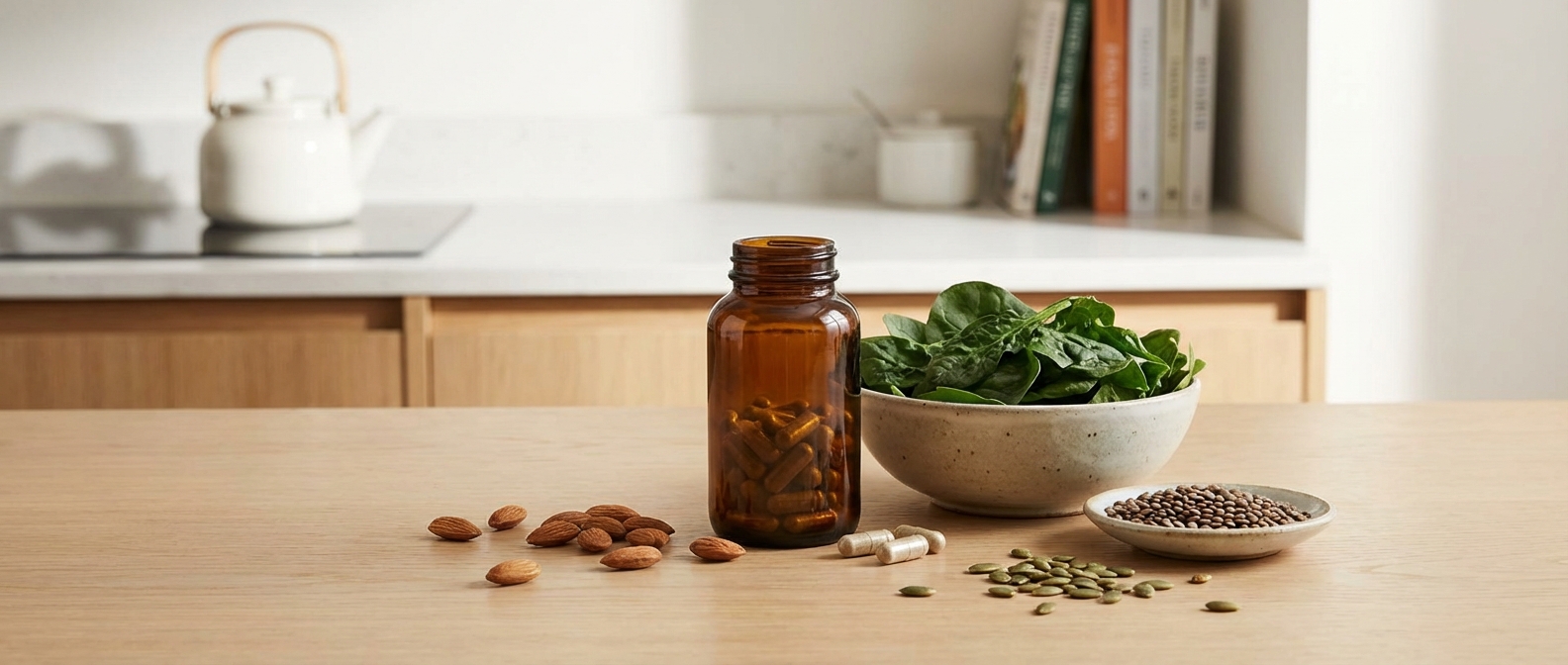
Natural iron supplements include a range of products—such as plant-based whole food powders, herbal blends, and minimally processed tablets—that aim to boost iron levels without relying on synthetic formulations. These supplements may be derived from leafy greens, grains, seeds, sea vegetables, or animal-based components like organ meats in capsule form. The growing popularity of natural and food-based products stems from a desire for gentler approaches to managing low iron or preventing deficiency.
Iron is vital for producing red blood cells and supporting energy, focus, and immune defence. Natural iron supplements are favoured by some for their perceived lower risk of side effects than traditional iron salts or high-dose iron infusion treatments. They may be available over the counter in Australian health food stores, pharmacies, or online, often alongside related nutrients like vitamin C to help with absorption.
Before choosing any supplement, it is wise to understand the potential benefits, risks, and how these options compare with conventional iron medicines. Not everyone needs extra iron, and overuse can lead to adverse effects. Consulting with a healthcare professional is recommended, especially if you suspect iron deficiency or have underlying health issues.
Types of Iron Supplements Available in Australia
Australian consumers can access several forms of natural iron supplements:
- Food-based powders and capsules: Made from concentrated spinach, spirulina, beetroot, or wheatgrass, these offer smaller iron amounts per serving but may include additional phytonutrients.
- Herbal remedies: Traditional mixtures containing stinging nettle, molasses, or dandelion root are used for their iron and mineral content, though evidence of effectiveness is variable.
- Natural animal-source products: Some practitioners recommend desiccated liver capsules as a rich, bioavailable iron source, particularly in certain dietary contexts.
- Over-the-counter iron tablets labelled ‘natural’: These may combine iron with plant extracts or naturally occurring cofactors.
Always check the product’s TGA registration or approval and look for reputable brands to ensure quality and safety.
Symptoms and Warning Signs of Iron Deficiency
Identifying iron deficiency early can help prevent more serious health complications. Iron deficiency can develop gradually and affect people differently, with some individuals experiencing few symptoms while others notice significant day-to-day changes. Australians at particular risk include menstruating women, pregnant individuals, adolescents, frequent blood donors, and people following vegetarian or vegan diets. Older adults may also be at risk due to reduced dietary intake or medical issues affecting absorption.
Common warning signs of low iron include:
- Persistent tiredness or lack of energy
- Pale skin and inner eyelids
- Shortness of breath, even with mild exertion
- Dizziness or light-headedness
- Cold hands and feet
- Headaches or problems concentrating
- Restless legs, particularly at night
- Heart palpitations
Notably, these symptoms are non-specific and may overlap with other health conditions, so relying on symptoms alone can be misleading.
When Should You Seek Medical Advice?
If you experience any of the above symptoms for more than two weeks, or if symptoms suddenly worsen, it is important to seek assessment from your doctor. They can order tests to evaluate your iron stores, determine the underlying cause, and recommend appropriate treatment based on individual needs and Australian guidelines.
Children, people with chronic health issues, and those who have recently had surgery or significant blood loss should consult a healthcare professional before starting any new supplements. Self-diagnosing or self-treating with over-the-counter natural iron supplements may mask underlying medical conditions, such as coeliac disease, gastrointestinal bleeding, or other nutrient deficiencies.
| Symptom | Possible Causes | When to Seek Help |
|---|---|---|
| Fatigue | Iron deficiency, sleep disorders, thyroid issues | If ongoing or affecting daily function |
| Pale skin | Anaemia, chronic illness | If noticeable or accompanied by breathlessness |
| Heart palpitations | Iron deficiency, anxiety, heart conditions | If frequent, or with chest pain, fainting |
| Restless legs | Low iron, neurological conditions | If interfering with sleep or quality of life |
Key Causes and Contributing Factors to Low Iron
Understanding why iron deficiency develops can help target prevention strategies. In Australia, key contributing factors include:
- Inadequate dietary intake: Not consuming enough iron-rich foods can result from restrictive diets or health conditions affecting appetite.
- Increased needs: Life stages such as pregnancy, breastfeeding, growth spurts in teens, and menstruation increase iron requirements.
- Poor absorption: Some medical conditions, like inflammatory bowel disease or coeliac disease, limit the body’s ability to absorb iron from food.
- Chronic blood loss: Heavy periods, digestive bleeding (ulcers, polyps), or regular blood donation are significant risk factors.
- Vegetarian or vegan lifestyles: While plant foods contain iron, it is less readily absorbed compared to animal sources. Some plant foods also contain compounds that hinder iron absorption.
Several medications may reduce iron absorption, so always discuss with your pharmacist or doctor, especially if managing multiple health conditions.
Factors That Can Influence Iron Absorption
Iron from animal sources (haem iron) is more bioavailable than from plants (non-haem iron). However, combining plant-based sources with vitamin C-rich foods—like oranges, capsicum, or strawberries—can boost absorption. Substances such as tea, coffee, calcium-rich foods, and certain cereals contain phytates or polyphenols that can inhibit iron uptake if consumed at the same time as high-iron meals or supplements. For guidance specific to Australia, consult resources from the Australian Dietary Guidelines or seek advice from an Accredited Practising Dietitian.
Pro Tip: Time your tea, coffee, and calcium-rich foods away from iron-rich meals by at least one to two hours to help increase iron absorption naturally.
Natural Iron Supplements vs Traditional Iron Tablets
Choosing between natural iron supplements and standard iron tablets often comes down to preference, underlying health needs, and tolerance to side effects. Most standard iron tablets in Australia contain ferrous sulfate, ferrous fumarate, or ferrous gluconate, which are formulated to replenish depleted stores quickly but can cause constipation, stomach upset, or nausea.
Natural iron supplements from whole foods or plant sources generally contain lower doses of iron per serve but may be easier to tolerate for some people. However, these options may not be sufficient for individuals with moderate-to-severe iron deficiency or anaemia. While some Australians prefer “iron tablets natural” for preventative use, clinical guidelines from the Australian government highlight that not all products are equally effective, and results can vary based on the underlying cause of deficiency.
It’s important to remember that iron supplementation—whether natural or traditional—should be guided by individual requirements and ideally confirmed by blood testing, especially given the risk of iron overload if not properly monitored.
| Supplement Type | Source | Common Uses | Potential Side Effects |
|---|---|---|---|
| Natural Iron Supplements | Plant/whole food or animal-based powders and extracts | Preventive, mild deficiency, dietary mismatch | Milder; may cause upset stomach in sensitive users |
| Traditional Iron Tablets | Synthetic salts (ferrous fumarate, sulfate, gluconate) | Diagnosed iron deficiency, moderate to severe anaemia | Constipation, nausea, dark stools, cramps |
Prevention Strategies and Everyday Lifestyle Tips
Building iron-rich foods into daily meals and maintaining a nutritionally balanced diet remain the most effective ways for many Australians to prevent iron deficiency. For those unable to meet needs through food alone, thoughtful use of natural iron supplements may be considered under the guidance of a trusted health professional.
Checklist for Maintaining Healthy Iron Levels:
- Enjoy a variety of iron-rich foods such as lean meats, eggs, tofu, legumes, whole grains, and green vegetables
- Add a vitamin C source to meals to boost non-haem iron absorption
- Space out consumption of tea, coffee, and calcium-rich foods from high-iron meals or supplements
- Stay aware of family history or chronic conditions that increase iron loss
- Review prescription and over-the-counter medicines that may impact iron absorption with your pharmacist
- Consider annual health checks for iron status if you are in a higher-risk group (e.g. women of reproductive age, vegetarians, frequent blood donors)
- Consult your GP or specialist before starting supplements, especially if you have ongoing health issues
Regular self-assessment and open communication with healthcare providers help reduce risks. More information is available through Better Health Channel, a leading Victorian government resource for health topics.
Understanding the Limitations of Natural Iron Supplements
While natural iron supplements are sometimes perceived as safer or ‘gentler,’ they are not without risks. Over-the-counter products vary in quality, potency, and purity. Some ‘natural’ preparations may contain allergens or interact with other supplements and medicines. Not all claims made by manufacturers are supported by robust clinical trials, and self-prescribing may delay diagnosis of underlying issues. For those with increased iron needs or absorption difficulties, diet and natural supplements alone may not be enough, and supervised treatment could be necessary.
Risks, Side Effects, and When to Seek Help
Taking iron, even from natural sources, carries certain risks if not monitored correctly. Although mild gastrointestinal upset is most common, iron supplementation (including “iron tablets natural”) can in rare cases lead to iron overload, particularly if taken in excess or when supplementation is not needed. Risks are heightened for people with hereditary haemochromatosis—a genetic condition common in Australia—and young children, for whom iron can be toxic if accidentally ingested.
Possible side effects of iron supplements:
- Nausea or stomach cramps
- Constipation or diarrhoea
- Metallic taste in the mouth
- Darkening of stools (usually harmless but can mask signs of gastrointestinal bleeding)
- Allergic reactions (rare, usually related to added ingredients)
If you or someone in your care experiences severe stomach pain, persistent vomiting, sudden dizziness, or signs of allergic reaction after starting iron supplements, seek immediate medical attention.
Safety Considerations in Australia
All iron supplements, including natural varieties, are regulated by the Therapeutic Goods Administration in Australia. Always check the packaging for registration number (AUST L or AUST R) and choose products with clear labelling and dosage instructions. Be wary of excessive use or combining multiple products unwittingly. Never use adult iron supplements for children—paediatric needs must be assessed and managed by a qualified healthcare provider.
FAQ
What are the main signs of iron deficiency in Australia?
Common signs include fatigue, weakness, pale complexion, dizziness, and shortness of breath. These warrant a doctor’s review, as iron deficiency is confirmed by blood tests and can have several causes aside from low dietary intake.
Are natural iron supplements effective for everyone?
Natural iron supplements may help prevent deficiency in those with low intakes but are not suitable for treating moderate to severe anaemia. Effectiveness varies based on individual need, form of iron, and absorption rates. Consult with a health professional before starting any supplement.
Who should avoid iron supplements or iron tablets labelled ‘natural’?
People with hereditary haemochromatosis, chronic liver conditions, or those who do not have a confirmed iron deficiency should not take iron supplements without medical oversight, natural or otherwise, due to risk of iron overload and toxicity.
Is it possible to meet iron needs through food alone?
Many Australians can maintain healthy iron levels with a varied, balanced diet including both animal and plant sources of iron. However, certain life stages and health conditions may require supplements, which should be chosen carefully.
What should I look for when choosing a natural iron supplement in Australia?
Check for Therapeutic Goods Administration (TGA) registration, reputable brand, clear labelling, and absence of unnecessary additives. If unsure, seek personalised advice from a dietitian, pharmacist, or GP.