

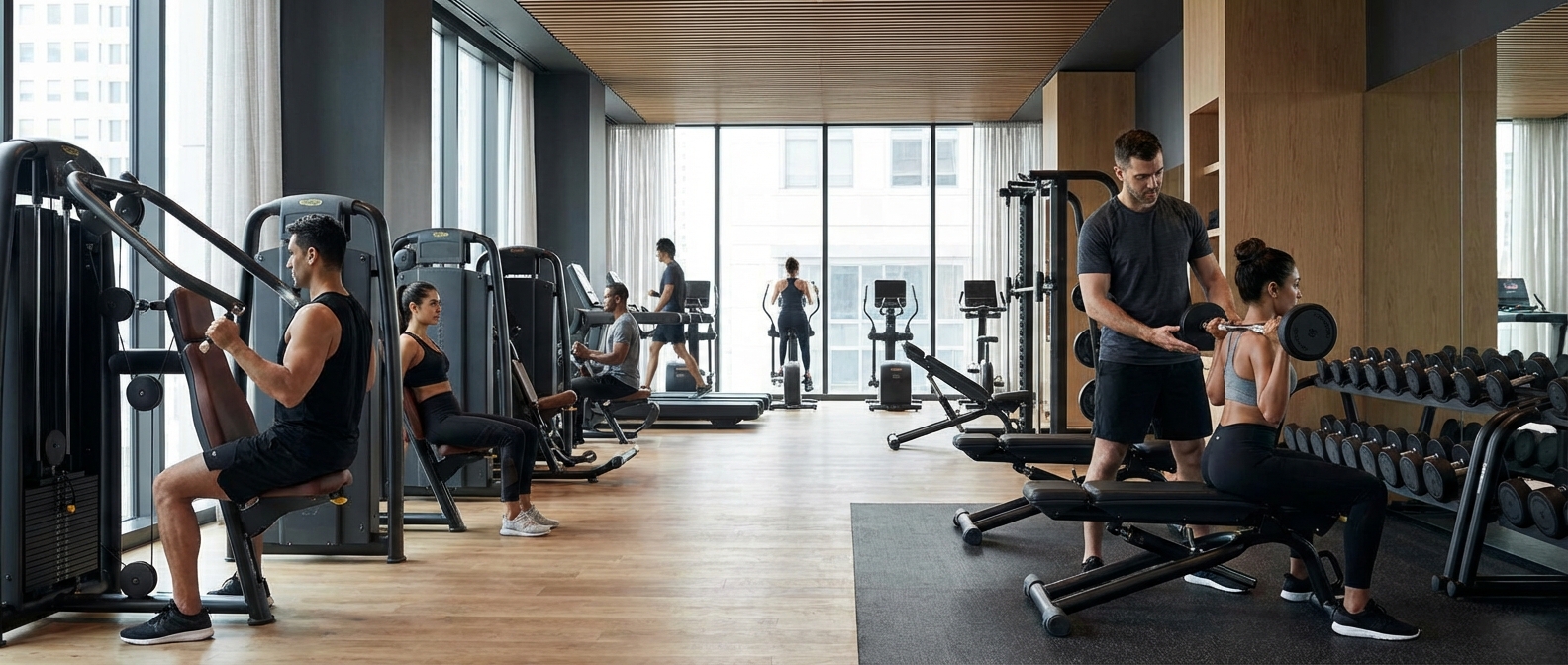
Muscular fitness is a key factor in overall wellbeing, and visiting a muscular fitness gym is a popular choice for many Australians looking to improve their muscle and fitness. This article is intended for the general Australian public, fitness enthusiasts, and anyone curious about safe strength training. The following information is designed for educational and informational purposes only; it should not replace advice from a qualified healthcare or fitness professional. By reading on, you’ll understand the basics of muscular fitness gyms, causes of muscle and fitness changes, prevention tips, safety considerations, and practical guidance to support a healthier approach in Australia.
Muscular Fitness Gyms: An Australian Guide to Strength and Safety
Understanding Muscular Fitness Gyms
Muscular fitness gyms are dedicated facilities focused on improving strength, endurance, and overall muscle health. These gyms cater to a wide range of Australians―from beginners to experienced athletes―and offer structured environments for working towards muscle and fitness goals. Facilities typically include resistance machines, free weights, functional training spaces, and sometimes guided classes led by accredited trainers.
The benefits of muscular fitness go beyond physical appearance. According to Australia’s Department of Health, regular resistance training can assist in healthy aging, support weight management, enhance balance, and reduce the risk of chronic conditions. However, it’s important to approach gym training with an understanding of proper technique and your personal health needs. While gyms play a major role in the fitness industry, it’s essential to select one that aligns with safety standards and Australian workplace health regulations.
By the end of this section, readers will have a clearer view of what to expect when entering a muscular fitness gym, as well as an appreciation for its role in broader community health initiatives and preventative care.
The Importance of Muscular Fitness for Australians
Muscular fitness refers to the strength, power, and endurance of your muscles, affecting daily mobility and resilience to injury. In Australia, maintaining muscle and fitness helps adults stay independent longer, improves posture, and supports bone density. For many, attending a muscular fitness gym is a practical way to incorporate recommended resistance exercise into their weekly routines.
The Australian Physical Activity and Sedentary Behaviour Guidelines encourage adults to do muscle-strengthening activities at least two days per week. These activities can help lower the risk of conditions like type 2 diabetes and cardiovascular disease. For those living with or recovering from health conditions, guidance from qualified exercise physiologists―as recognised by Exercise & Sports Science Australia―may be particularly valuable before starting a new regimen.
Exploring muscle and fitness within a gym setting also supports mental wellbeing. Social support, skill development, and measured progress are all benefits commonly reported by Australians utilising these facilities.
Causes and Contributors to Changes in Muscular Fitness
Changes in muscular fitness can result from a mix of lifestyle choices, medical factors, and natural ageing. Common contributors include:
- Physical Inactivity: Lack of regular movement or exercise leads to muscle loss (also known as disuse atrophy), which can begin as early as middle age.
- Poor Nutrition: Inadequate protein or caloric intake may impede muscle growth and recovery.
- Underlying Health Conditions: Chronic illnesses such as diabetes, arthritis, or hormonal imbalances are known to affect muscle strength.
- Ageing: Muscle mass and strength typically decrease with age, though regular resistance exercise can slow this process.
- Injury or Surgery: Periods of immobility, especially after injury or surgery, often result in reduced muscle function.
It’s also important to consider the impact of external factors such as workplace demands or sedentary occupational patterns on muscle and fitness. For example, office-based Australians may lose strength more rapidly than those in active roles if preventative action isn’t taken.
If you experience sudden or unexplained loss of muscle strength, persistent pain, or difficulty performing usual daily activities, you should consult a qualified healthcare professional for personalised assessment.
Symptoms and Warning Signs: When to Pause or Seek Guidance
Early recognition of symptoms or warning signs is key to preventing injury and supporting safe engagement in a muscular fitness gym. Some symptoms to watch for include:
- Persistent or unusual muscle pain beyond typical soreness (delayed onset muscle soreness is normal, but sharp, prolonged pain is not)
- Joint swelling, redness, or limited movement after exercise
- Muscle weakness that doesn’t improve with rest
- Unexplained fatigue or reduced physical performance
- Sudden shortness of breath, chest pain, or dizziness during or after gym sessions
If these symptoms occur, pause your training and consider seeking support from your local GP or an accredited exercise physiologist. Prompt attention is especially important for anyone with pre-existing medical conditions, such as cardiovascular or metabolic health issues.
Pro Tip: Keep a simple exercise diary to note any new symptoms, pain levels, or unusual patterns in recovery. This helps track trends and communicate clearly with health professionals if concerns arise.
Risk Groups: Who Should Take Extra Care in the Gym?
While most healthy adults can benefit from muscular fitness training, certain groups in Australia should exercise extra caution:
- Older adults (65+): Natural age-related decline in muscle strength and greater risk of falls or injury
- People managing chronic health conditions: Diabetes, heart disease, osteoporosis, or joint disease
- Pregnant people: Special considerations for exercise type, intensity, and bodily changes
- Those new to resistance training: Incorrect technique or excessive load increases injury risk
- Children and adolescents: Need age-appropriate supervision and programming, following Sport Australia guidance
If you fall into any of these categories, working with a qualified trainer who understands individualised and evidence-based programming―such as those accredited by Fitness Australia―can provide added safety and effectiveness. Certain medical conditions may require clearance from your GP or a specialist before beginning gym activities.
Prevention and Safer Muscle and Fitness Practices
Prevention is essential for long-term gains and injury-free experience in muscular fitness gyms. Australians can adopt a range of strategies to support safe, effective muscle and fitness routines:
- Warm up properly: Gentle cardiovascular movement (e.g., brisk walking) and dynamic stretching prepare muscles for resistance work.
- Gradual progression: Avoid sudden increases in weight or intensity; allow muscles and joints to adapt over time.
- Prioritise technique: Clean, controlled form is safer and more effective than heavier weights with poor movement patterns.
- Rest and recovery: Include rest days in your routine, and prioritise 7–9 hours of sleep per night for muscle repair.
- Nutrition: Adequate intake of protein, whole grains, fruit, vegetables, and hydration supports muscle development and reduces risk of cramps or injury.
- Listen to your body: Persistent pain, excessive fatigue, or declines in performance signal a need to adjust your plan or seek advice.
In community settings, gyms should maintain equipment safety standards, clear floor layouts, and offer guidance for beginners. If you notice faulty equipment or unsafe practices, alert staff and reconsider your participation until the environment is addressed.
| Prevention Checklist for Muscular Fitness Gyms | Application Example |
|---|---|
| Warm up for 5–10 minutes before lifting weights | Light treadmill walk, gentle squats or arm circles |
| Increase resistance gradually, not suddenly | Only add 2.5–5 kg at a time to main lifts |
| Focus on posture and technique | Use mirrors or supervised sessions for feedback |
| Stay hydrated and eat balanced meals | Keep a water bottle and pack nutritious snacks |
| Schedule rest days and monitor for soreness | Rest every 2–3 days; note excessive fatigue |
Management Pathways in Australia: What to Consider
Effective management of muscle and fitness goals within a gym environment includes ongoing monitoring, adaptation, and support from trained professionals. For those with pre-existing health concerns or at greater injury risk, your GP may recommend an Allied Health professional referral for guided muscle-strengthening activities. Exercise physiologists and physiotherapists, registered with AHPRA, can assist with tailored programming based on your needs.
Australians may also have access to programs through private health insurance, Medicare Chronic Disease Management Plans, and public hospital outpatient physiotherapy for certain conditions. Recognising cost and access points across public and private sectors helps inform decision-making for your muscle and fitness journey.
| Muscular Fitness Concern | Recommended Action | Professional Support Pathway |
|---|---|---|
| General muscle building or fitness improvement | Attend a commercial gym, follow structured program | Fitness trainer or group classes |
| Existing injury or chronic health condition | Medical clearance before starting, use specialist facilities | Exercise physiologist or physiotherapist |
| Safety or technique concerns | Request orientation or supervised sessions | Accredited trainer or gym staff |
| Sudden unexplained strength loss or pain | Pause training, consult with GP or health professional | General practitioner or specialist referral |
For more information on approved programs, the Australian Government Department of Health provides up-to-date exercise recommendations.
Australian Cost and Access Considerations
Access to muscular fitness gyms in Australia varies by location, gym chain, and level of service. Major cities offer more comprehensive facilities, while rural and regional areas may have limited options. Gym membership fees can range from as low as $10 per week at a basic 24-hour facility up to $50 or more weekly for full-service gyms with group classes and personal trainers.
Some health insurance policies may provide rebates for gym programs supervised by approved professionals. Community centres and local councils occasionally host free or subsidised muscle and fitness classes―a useful resource for those on tight budgets.
Consider factors such as cleanliness, accessibility, range of equipment, and staff qualifications when selecting a muscular fitness gym. Always ask about free inductions or safety orientations, especially if you’re new to structured strength training.
Common Concerns, Safety Risks, and When to Seek Help
While muscular fitness gyms offer structured training, no activity is entirely risk-free. Common risks include:
- Muscle strains or sprains
- Joint injuries due to poor form or excessive load
- Overtraining syndrome (prolonged fatigue, sleep disturbance, low mood)
- Exacerbation of underlying health conditions
Misinterpretation of online muscle and fitness routines can also increase injury risk. Not every program seen on social media or followed by celebrities is appropriate for all users. Australians are encouraged to:
- Critically assess fitness trends for relevance and safety
- Measure progress against personal rather than external standards
- Consult healthcare professionals for lingering pain, rapid strength loss, suspected injuries, or difficulty performing daily movements
If immediate symptoms such as severe chest pain, fainting, or sudden shortness of breath occur in a gym setting, call 000 and seek emergency medical assistance. For non-urgent but persistent concerns, schedule a review with your GP or relevant allied health professional.
FAQ
- What is a muscular fitness gym?
- A muscular fitness gym is a facility designed to help individuals improve muscle strength, endurance, and overall fitness using resistance equipment, weights, and supervised programs in a structured, safe environment.
- How often should I train for muscular fitness in Australia?
- National recommendations suggest adults perform muscle-strengthening activities at least twice per week, with appropriate rest days in between. Beginners may start with one to two sessions weekly and gradually build up.
- Who should seek professional advice before starting a gym program?
- Anyone with chronic medical conditions, recent injuries, those over 65, pregnant people, or individuals unfamiliar with gym equipment should consult relevant health professionals before beginning a new program.
- What are common injuries or risks in muscular fitness gyms?
- Common risks include muscle strains, joint injuries, falls, and overuse injuries, typically caused by poor form, excessive weights, or inadequate rest. Correct technique and supervision can help minimise these risks.
- Can children or teenagers use muscular fitness gyms?
- Yes, but they require age-appropriate supervision and programming according to Australian guidelines. Always seek advice from qualified trainers or exercise physiologists experienced in working with children and adolescents.