

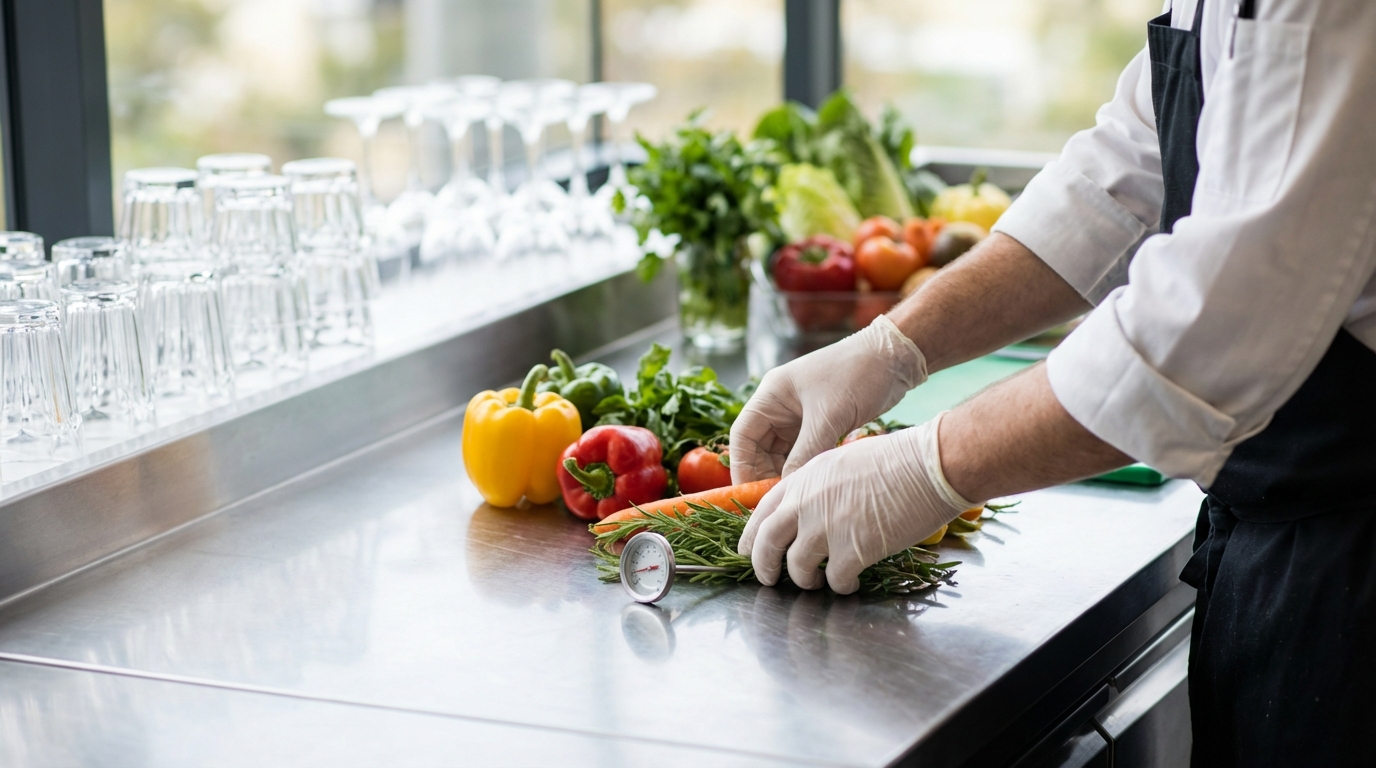
Understanding food hygiene is crucial for every Australian, from home cooks to carers and professionals in hospitality. This guide is designed for the general public, health-conscious readers, and anyone responsible for food preparation at home or work. The information here provides a practical, evidence-guided overview of food hygiene, food safety, and related standards in Australia. This article is for educational purposes only and strives to clarify what food hygiene means, why it matters for your health, the main risks to watch for, and how to align with current Australian food safety standards. By the end, you’ll know core prevention strategies, warning signs of poor food hygiene, and when to seek professional guidance if concerned.
Understanding Food Hygiene and Its Importance in Australia
Food hygiene refers to the conditions and practices necessary to ensure the safety of food from production to consumption. In Australia, robust food safety standards are in place to reduce the risk of foodborne illnesses, which can have pronounced health impacts on individuals and communities. Knowing how proper food hygiene prevents contamination with harmful bacteria, viruses, or chemicals is critical, regardless of whether you prepare meals at home, work in the food industry, or care for vulnerable groups.
What Is Food Hygiene? Key Concepts for Everyday Australians
Food hygiene covers cleaning, cooking, storage, and handling practices designed to minimise contamination and keep food safe. In the Australian context, food safe australia regulations are enforced by national and state agencies, reinforcing the high priority given to food safety food standards. These standards are shaped by guidance from bodies like Food Standards Australia New Zealand and local health authorities.
Some practices central to food hygiene include washing hands before handling food, separating raw and cooked items, cooking to safe temperatures, and storing food correctly to prevent spoilage. Inadequate attention to hygiene can allow harmful foodborne pathogens to multiply, raising the risk of food poisoning and outbreaks within families, communities, or workplaces.
For households with children, the elderly, or anyone with a weakened immune system, food health and safety is even more pressing. Food businesses and public facilities in Australia are legally required to follow comprehensive food hygiene standards, but basic practices remain vital for every home cook and caregiver.
| Term/Concept | What It Means | Why It Matters in Australia |
|---|---|---|
| Food Hygiene | Practices to ensure food safety and prevent illness | Protects health, aligns with Australian food laws |
| Foodborne Illness | Illness caused by contaminated food | Significant public health burden; avoidable with proper hygiene |
| Cross-Contamination | Transfer of harmful germs between foods or surfaces | Key risk factor targeted by food hygiene rules |
| Temperature Control | Cooking, chilling, and storing food at safe temperatures | Essential for slowing or killing dangerous bacteria |
| High-risk Groups | People most vulnerable to foodborne diseases | Includes young children, elderly, pregnant, immunocompromised |
Symptoms and Warning Signs of Poor Food Hygiene
Recognising the potential health consequences of inadequate food hygiene is an important part of prevention. The most common outcome of poor food safety is foodborne illness, sometimes called “food poisoning.” Symptoms can range from mild to severe, depending on the type of contaminant and an individual’s health status.
Typical symptoms of foodborne illness include:
- Nausea or vomiting
- Stomach cramps or abdominal pain
- Diarrhoea, sometimes with blood or mucus
- Fever
- Headache or muscle aches
- Fatigue or general weakness
In most healthy adults, these symptoms resolve within a few days. However, in young children, older adults, pregnant women, or those with chronic illnesses, complications can be more serious and sometimes require medical intervention. Persistent vomiting, high fever, blood in stools, dehydration, or confusion are signs that urgent advice should be sought from your GP or Healthdirect Australia.
Pro Tip: If symptoms develop after a shared meal or public event, inform your local public health unit as soon as possible to help prevent wider outbreaks.
Causes and Contributing Factors to Food Safety Incidents
Food hygiene failures can occur at any stage from farm to fork. In Australia, the most common causes of unsafe food include improper cooking or storage, poor hand hygiene, and cross-contamination between raw and ready-to-eat foods. Common culprits such as Salmonella, Campylobacter, and norovirus can thrive in contaminated or poorly handled foods.
Environmental factors, such as high temperatures during summer or power outages, can accelerate food spoilage if products aren’t refrigerated correctly. Risk increases in bulk preparation settings, like barbecues, childcare centres, or aged care homes, where lapses in cleaning or separating foods can go unnoticed.
Food allergies and intolerances present additional food safety food risks, as accidental contact with allergens due to incorrect labelling, poor cleaning, or cross-contact may result in severe symptoms.
| Common Hygiene Issue | Possible Outcome | Prevention Approach |
|---|---|---|
| Under-cooked chicken or eggs | Infection with Salmonella or Campylobacter | Cook poultry and eggs thoroughly; use a thermometer |
| Poor handwashing | Spread of bacteria and viruses | Wash with soap before & after handling food |
| Improper storage (warm fridge) | Bacterial growth, food spoilage | Keep fridge below 5°C, freezer below -18°C |
| Lack of cleaning surfaces/tools | Cross-contamination | Clean benches, boards, knives between uses |
| Food left out for >2 hrs at room temp | Rapid bacteria multiplication | Refrigerate leftovers promptly |
Who Is Most at Risk from Poor Food Hygiene?
While foodborne illnesses can affect anyone, certain groups in Australia are particularly vulnerable. According to Australian Department of Health guidance, high-risk groups include:
- Babies and young children (under 5 years)
- Adults over 65 years
- Pregnant people and unborn babies
- Those with weakened immune systems (due to illness or medications)
For these groups, a minor lapse in food hygiene or food safety can lead to severe complications such as dehydration, kidney issues, or more persistent infections. Special care must be taken to avoid foods with higher contamination risk, such as unpasteurised dairy, undercooked meats, soft cheeses, and certain deli items.
In care facilities, childcare centres, and hospitals, strict implementation of food safety standards is mandatory to protect all residents and visitors. When food is shared at public venues, event organisers are responsible for meeting safe preparation and storage regulations under local council oversight.
How Australia’s Food Safety Standards Help Protect You
Food safety in Australia is overseen by a system of national and state-level regulations, primarily guided by Food Standards Australia New Zealand (FSANZ). All food businesses — including restaurants, cafés, catering, food trucks, and public event vendors — must comply with these standards. Home cooks are encouraged to adopt similar principles.
Requirements for food businesses include:
- Food handler training (including knowledge of food safety principles)
- Documented cleaning and sanitising routines
- Temperature monitoring and food storage controls
- Allergen management systems
- Clear labelling in line with Standard 1.2.1 of the Food Standards Code
State health departments conduct regular inspections to enforce these standards, and consumers are encouraged to report suspected breaches via local food complaint channels.
Prevention and Everyday Food Safety Checklist
Everyday food hygiene is about adopting habits that break the chain of possible contamination. Below is a practical checklist Australians can use to reduce the risk of foodborne illness at home or any setting where food is prepared or served.
| Prevention Checklist |
|---|
| Wash hands thoroughly before, during & after food preparation |
| Clean cutting boards, utensils, and benches after each use |
| Separate raw and cooked foods at all times |
| Cook meat, poultry & eggs to recommended safe temperatures |
| Keep hot food above 60°C, cold food below 5°C |
| Store leftovers promptly (within 2 hours) and label with date |
| Check and respect use-by and best-before dates |
| Be vigilant with high-risk foods (deli meats, seafood, soft cheeses) |
| Report suspected food poisoning to your health authority |
Pro Tip: Establish a “clean as you go” routine in your kitchen—regularly wipe surfaces and sanitise sinks, especially after handling raw foods, to limit the spread of bacteria.
When to Seek Medical Advice: Recognising Serious Risks
While many food-related illnesses resolve on their own, prompt medical attention may be needed if you experience:
- High fever (above 38°C)
- Severe or persistent vomiting or diarrhoea (lasting more than 48 hours)
- Signs of dehydration, such as infrequent urination, dizziness, or dry mouth
- Blood in stool or vomit
- Confusion, weakness, or shortness of breath
Individuals in higher-risk groups should err on the side of caution and contact their GP or call Healthdirect at 1800 022 222 for professional advice if concerned. If symptoms appear after eating from a public venue, or if you suspect a foodborne outbreak, report the incident to local authorities or the Australian food safety hotline.
Remember, while adopting food-safe practices can reduce risk, no method can eliminate all danger entirely. Ongoing vigilance, keeping informed of recall alerts, and seeking advice when unsure provide the greatest protection for yourself and your community.
FAQ
- What is the difference between food hygiene and food safety?
- Food hygiene focuses on the practices that prevent food contamination during preparation and handling, while food safety encompasses the overall systems, standards, and regulations in place to ensure food is safe to eat across its entire journey from production to plate.
- What are the main food hygiene rules for home kitchens in Australia?
- Key food hygiene rules include washing hands before handling food, separating raw from cooked foods, cooking all animal products to safe temperatures, regular cleaning of utensils and surfaces, and refrigerating perishable items promptly.
- How can I tell if food has become unsafe or spoiled?
- Visible signs of unsafe food include mould, unpleasant odours, unexpected texture changes, or off-colour. However, many harmful bacteria or viruses do not cause obvious changes—always follow use-by dates and safe storage advice to reduce risk.
- Who is legally responsible for food safety in Australian food businesses?
- Business owners and food handlers are jointly responsible for maintaining food safety standards, as set out by Food Standards Australia New Zealand and enforced by state and local health authorities.
- What should I do if I’m concerned about a possible food poisoning incident?
- If you or someone you care for show symptoms of severe foodborne illness, seek prompt medical help. For public venue exposures or suspected outbreaks, report the incident to your local health department’s food safety unit.