
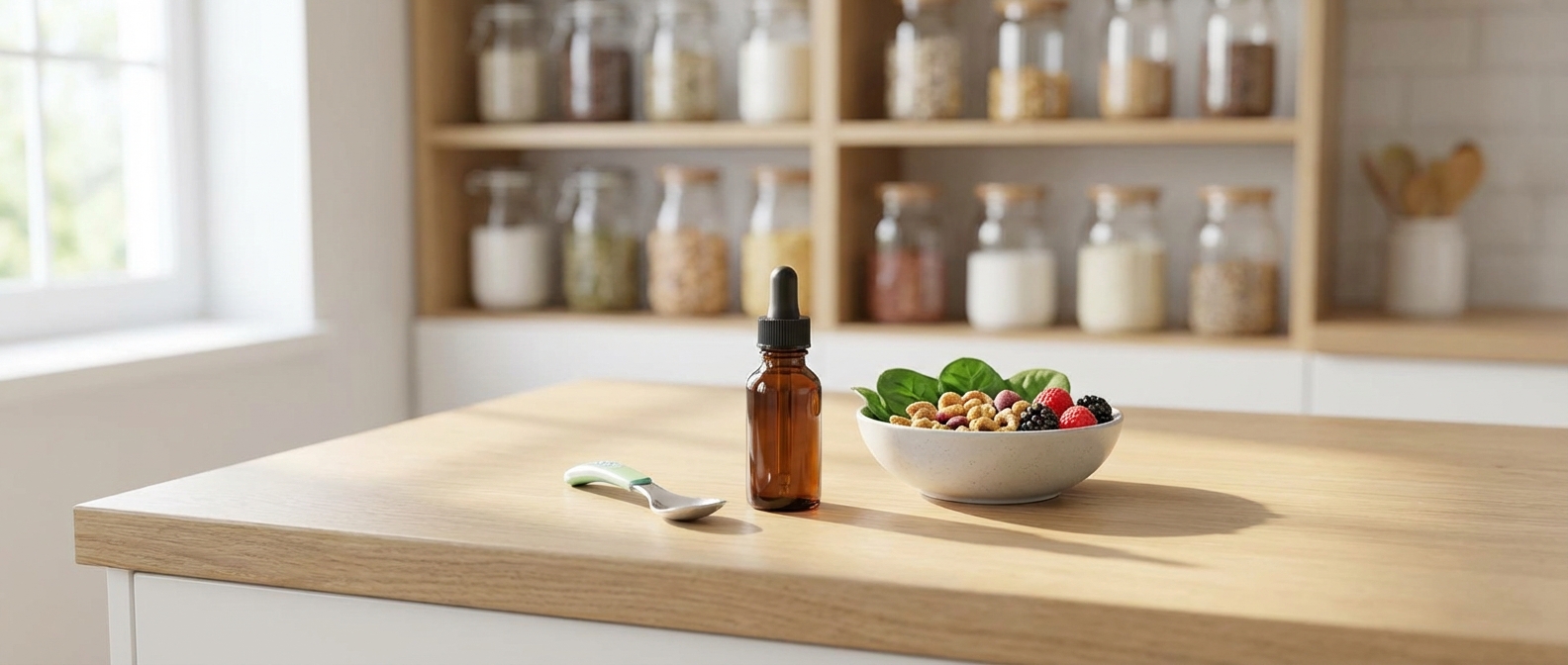
Your Guide to Iron Supplements for Kids in Australia
If you’re seeking trustworthy information on the best iron supplement for kids Australia, this article is designed for Australian parents, carers, and health-conscious readers keen to understand their choices. Here you’ll gain clear insight into symptoms and causes of iron deficiency in children, guidance about iron supplements, risk awareness, and where to access safe options in the Australian context. This article is for informational purposes and should not be taken as personal medical advice. By the end, you’ll understand how to make informed, confident decisions about supporting your child’s iron needs.
Understanding Iron Deficiency in Australian Children
Iron deficiency is the most common nutritional deficiency worldwide, including in Australia. It can impact a child’s energy, growth, mood, and learning. Young children, especially those aged 6 months to 4 years, and teens during growth spurts are particularly at risk. Knowing the warning signs and understanding potential causes can help parents and carers make informed choices and seek professional advice early.
Children’s bodies need iron to make haemoglobin, which carries oxygen in the blood. Without enough iron, children might experience tiredness, weakness, or appear pale. According to Healthdirect Australia, mild iron deficiency often has no obvious symptoms but can gradually affect your child’s wellbeing and development.
| Factor | Infants & Kids | Teenagers |
|---|---|---|
| Age at Higher Risk | 6 months – 4 years | 12–18 years |
| Key Symptoms | Paleness, low energy, slow growth | Fatigue, mood changes, poor focus |
| Common Causes | Low iron diet, rapid growth, fussy eating | Growth spurts, periods, vegetarian/vegan diets |
| Recommended Management | Diet tweaks, supplement if advised | Diet, check ups, supplement if recommended |
Common Symptoms and Warning Signs of Iron Deficiency
Recognising symptoms early can help prevent future health impacts. In many cases, symptoms of iron deficiency in children are subtle, and may be mistaken for general tiredness or moodiness. This is why routine health checks and open conversations with your GP are important.
- Tiredness or excessive sleepiness, even after resting
- Reduced appetite and slower than usual growth
- Pale skin or dark circles under the eyes
- Irritability or trouble concentrating, especially at school
- Shortness of breath during play
- More frequent infections as iron supports the immune system
It’s worth noting that these symptoms are common to many conditions. If you’re worried about your child, it’s best to seek individual medical advice from your GP.
Why Does Iron Deficiency Happen in Kids?
There are several causes of iron deficiency in Australian children. For infants, the risk increases when breast milk or formula are replaced by solid foods low in iron. Older children may develop low iron levels due to rapid growth, minimal intake of meat or iron-rich foods, or restrictive diets (such as vegan and vegetarian diets).
Teenagers, particularly girls during menstruation or those involved in high-level sports, often require more iron. According to the NHMRC Dietary Guidelines, adolescent girls should pay special attention to their iron intake, especially if they avoid animal-based foods.
For a complete overview of iron therapy in Australia, see our expert guide for symptoms, causes, and treatments.
- Fast body growth (infancy, pre-teen years)
- Picky eating habits or dislikes of iron-rich foods
- Menstruation or athletic training
- Poor absorption in certain medical conditions (e.g., coeliac disease)
Family history, chronic illnesses, or frequent infections may also increase the risk of iron deficiency.
Choosing the Best Iron Supplement for Kids in Australia
If dietary changes are not enough, or your doctor identifies low iron through a blood test, they may suggest an iron supplement. You may also be interested in our list of the best vitamin supplements Australia for families.
Here’s what Australian parents should consider:
- Type of supplement: Iron is available as drops, syrup, chewables, and iron tablets pharmacy counter options. For younger children, the best iron syrup for child may be easier to swallow, while teenagers may prefer tablets or capsules.
- Iron content: Dosage varies by product and age. Always check the label and follow your doctor’s recommendations.
- Taste and tolerability: Some iron options can cause stomach upset or constipation. Products for children often include flavourings to improve taste.
- Australian approval: Look for iron supplements registered with the Therapeutic Goods Administration (TGA), which ensures quality standards.
- Vitamin C combination: Vitamin C can help the body absorb more iron, so some products combine both.
- Allergen and diet considerations: Some supplements are suitable for vegetarians, vegans, or those with allergies—check labels carefully.
Pro Tip: If your child struggles with the taste or tummy discomfort from their iron supplement, give it with a meal or a small glass of orange juice. This not only helps mask any aftertaste but also improves absorption thanks to vitamin C.
Popular Kids Iron Supplements in Australia
The best iron supplement for kids in Australia will depend on your child’s age, preferences, health needs, and your health professional’s advice. Here’s a comparison of common forms available through pharmacies, online, or supermarkets nationwide.
| Type | Best for Age Group | Advantages | Considerations |
|---|---|---|---|
| Iron Syrup | Infants, Toddlers | Easy to swallow, gentle on tummies, often flavoured | Potential for teeth staining, check sugar content |
| Chewable Tablets | School-aged Kids | Palatable, no need for water, often combined with multivitamins | Risk of overconsumption if unsupervised |
| Iron Tablets | Teenagers | Higher doses, convenient, widely available in pharmacies | Possible constipation or tummy upset |
| Liquid Drops | Infants, Sensitive Kids | Precise dosing, good for mixing with food or drink | Bitter taste, doses must be accurate |
| Iron + Vitamin C Formulas | Teens, Older Kids | Boosts absorption, supports immunity | Check for added sugars or allergens |
Leading pharmacy brands in Australia include Ferro-Liquid, Maltofer, and ethical nutraceuticals from reputable pharmacies and health stores. Always choose supplements suited to your child’s age and health needs, and review options with your GP or paediatrician, particularly for longstanding symptoms or underlying health issues.
Are Iron Supplements Safe for Kids?
When used as directed, iron supplements can help prevent complications from deficiency. However, excessive iron can cause stomach pain, nausea, vomiting, or, in rare cases, iron toxicity, especially with accidental overdose. Always store iron supplements out of reach of young children and ensure dosing syringes or scoops are used for accuracy.
Some children may experience mild side effects, such as constipation or dark stools, which are typically harmless but worth discussing with your pharmacist or doctor. Allergic reactions or ongoing gastrointestinal discomfort are rare but possible, warranting immediate medical attention.
- Side effects: Upset tummy, constipation, teeth staining (liquids)
- Rare risks: Persistent vomiting, severe pain, allergic rash (seek urgent care)
- Interactions: Iron can reduce the efficacy of some medications—always mention supplements during medical appointments.
- Overdose: Iron is a leading cause of accidental poisoning under age 5—keep all supplements secured.
The Therapeutic Goods Administration provides further tips on safe iron use and when to seek medical care.
Checklist: Supporting Healthy Iron Levels in Children
- Encourage a balanced diet rich in red meats, poultry, eggs, and iron-fortified cereals
- Pair plant-based iron foods (e.g., beans, spinach) with vitamin C-rich fruits and veggies
- Book regular child health checks and discuss any unusual tiredness or pallor
- Follow supplement instructions carefully, only using iron supplements recommended by your GP
- Store all supplements well out of reach of young children
- If constipation or tummy discomfort arises, offer more water and fibre, and seek advice if needed
- Avoid giving cow’s milk in large amounts to toddlers—this can limit iron absorption
When to See a Healthcare Professional
Iron deficiency and use of supplements should always be discussed with a qualified healthcare provider, such as your local GP or paediatrician. This is especially important if:
- Your child shows ongoing symptoms, especially pale skin, low energy, or unusual behaviour
- You suspect your child has accidentally consumed too much iron
- There is a family history of anaemia or chronic health issues
- Your family follows a vegan or restrictive diet
- There’s a medical condition that may affect absorption, like coeliac disease
Assessment may involve a blood test, review of your child’s medical history, and consideration of dietary patterns to develop a tailored plan.
FAQ
What is the safest iron supplement for my child in Australia?
The safest option is one recommended by your healthcare provider, matched to your child’s age, needs, and health. Choose options registered with the TGA and follow dosing instructions exactly.
How can I tell if my child needs an iron supplement?
While symptoms like tiredness or paleness are common, only a blood test arranged by your GP can confirm iron deficiency. Do not start supplements without professional advice.
Are there natural ways to increase my child’s iron?
Yes. Offer iron-rich foods (red meat, eggs, fortified cereals) and pair with vitamin C foods to boost absorption. Supplements are only needed on GP advice.
Can my teenager take adult iron tablets?
Teenagers may use adult formulations if prescribed, but should not self-medicate due to the risk of overdose or side effects. Always consult your doctor or pharmacist.
Is long-term use of iron supplements harmful?
Long-term unnecessary use can cause health issues like stomach upset and, rarely, iron overload. Use supplements only as long as recommended and under medical oversight.

