

Healthy Eating and Australian Recipes: An Informed Guide for Everyday Wellbeing
Discovering australian healthy food recipes empowers Australians to make balanced, enjoyable food choices every day. This article is designed for the general Australian public, health-conscious readers, and carers seeking informed, practical approaches to healthy eating. All information below is general and for educational purposes only—it does not replace advice from your healthcare provider or accredited dietitian. By reading, you will gain practical understanding of healthy Australian recipes, nutrition basics, risks to avoid, and preventative strategies tailored to the Australian context.
Understanding Healthy Eating: What Australians Need to Know
Healthy eating refers to a pattern of food choices promoting wellbeing, disease prevention, and steady energy throughout the day. Australians are increasingly recognising the importance of nutrition in maintaining physical health, mental sharpness, and even social connection. Whether at home, school, or work, adopting healthy eating practices can have a positive, preventative impact on long-term health conditions such as heart disease, type 2 diabetes, and some cancers, as highlighted by the Australian Department of Health.
Healthy eating and recipes in Australia often focus on incorporating a wide variety of vegetables, fruits, whole grains, lean proteins, and healthy fats. Popular local options include grilled barramundi, native bush tomato salads, and spiced kangaroo stir-fry. Emphasis is placed on minimising added sugars, saturated fats, and excess sodium, all while retaining flavour and cultural relevance.
A cornerstone principle, endorsed by groups like the National Health and Medical Research Council, is moderation, variety, and awareness of portion sizes. At a family or social gathering, for example, small changes like swapping out cream-based dressings for Greek yoghurt or using herbs rather than salt can promote lasting health gains.
Common Symptoms and Warning Signs of Unbalanced Eating
Many Australians are unaware of subtle signs that healthy eating habits may need adjustment. While a single meal rarely determines overall health, persistent patterns of unhealthy eating can show early signals. These symptoms are often non-specific and may be mistaken for other issues, so professional assessment is advisable if concerns persist. Common indicators may include:
- Ongoing low energy or unexplained fatigue
- Persistent gastrointestinal discomfort, such as bloating or constipation
- Frequent headaches or poor concentration
- Difficulty maintaining a healthy weight
- Increased susceptibility to common colds and infections
- Changes in skin, hair, or nails
| Symptom/Sign | Possible Link to Diet |
|---|---|
| Fatigue | Low iron, poor protein intake, inadequate carbohydrates |
| Digestive issues | Low fibre, dehydration, food intolerances |
| Frequent illness | Low intake of vitamins A, C, D, zinc; high added sugars |
| Unintended weight gain/loss | Poor portion control, imbalanced energy intake |
Note: Many of these symptoms overlap with other conditions—seek advice from a doctor or accredited practising dietitian (APD) if they persist, as recommended by Dietitians Australia.
Causes and Contributing Factors Affecting Healthy Eating in Australia
Healthy eating patterns are shaped by a complex web of personal, societal, and environmental factors. In Australia, availability and affordability of fresh produce often vary by region, especially in remote and rural communities. Lifestyle pressures, cultural preferences, food insecurity, and marketing of highly processed options further complicate choices.
Social gatherings, busy work schedules, and stress may encourage convenience foods or “sometimes” foods higher in saturated fat, added sugars, and salt. Emotional eating, which refers to eating in response to mood rather than hunger, is a common but often unrecognised factor. Other contributors include:
- Limited food literacy—difficulty interpreting food labels or understanding balanced meals
- Inconsistent meal planning or lack of cooking skills
- Dietary restrictions, allergies, or health diagnoses needing special consideration
- Cultural and family influences determining staple foods or eating patterns
- Pervasive marketing of less-healthy foods to children and adolescents
Addressing these causes starts with small, conscious changes. For example, swapping white bread for a seeded wholegrain loaf, or including colourful vegetables in main meals, can foster resilient, healthy eating habits.
Who Is Most at Risk? Key Groups to Consider
While everyone can benefit from healthy recipes, certain groups in Australia face higher risks of poor dietary patterns and related health issues. Understanding these helps inform safer, more supportive approaches to meal choices and recipe adaptations.
- Remote and rural communities with limited fresh produce options
- Older adults at risk of under-nutrition or malnutrition
- Children and adolescents forming lifelong habits
- Aboriginal and Torres Strait Islander peoples—unique historical and food system challenges
- Individuals with chronic illnesses, such as diabetes, heart disease, or kidney challenges
- People living with allergies, food intolerances, or coeliac disease
- Young adults in transition to independence (university, first jobs, moving out)
If you or someone you care for falls into a higher-risk group, it is especially valuable to seek individualised guidance from a qualified health professional or a community nutrition program coordinator. Some community health services offer free nutrition education workshops—ask your local health centre or visit Healthdirect Australia for programs near you.
Prevention Checklist: Everyday Actions for Healthy Eating
Adopting preventative measures can make healthy eating an achievable, sustainable part of daily life. This practical checklist blends national guidance with real-life strategies that fit most Australian households:
- Base main meals on a mix of vegetables, whole grains, and lean protein
- Drink plenty of water—limit sugar-sweetened drinks and alcohol
- Plan meals for the week and keep healthy, convenient options available
- Read food labels for added sugars, sodium, and saturated fat
- Explore local in-season produce and build simple recipes around it
- Swap highly processed snacks for fruit, nuts, and yoghurt
- Prepare food at home where possible—get the whole family involved
- Enjoy treats mindfully rather than avoiding them altogether
- Regularly review portion sizes—use a smaller plate if needed
- Check in with your doctor or APD before following restrictive diets
PRO TIP: When meal planning, dedicate a few hours each week to prepping basic ingredients—like chopping vegetables, cooking grains, or portioning lean proteins. This makes healthy choices easier at busy times and reduces food waste.
Australian Healthy Food Recipes: Real-World Examples and Ideas
Incorporating healthy recipes does not have to be complex or time-consuming. Australian cuisine features a wealth of nutrient-packed, adaptable options using local staples and multicultural flavours. Here are practical examples that embody the principles of healthy eating and recipes Australia-wide:
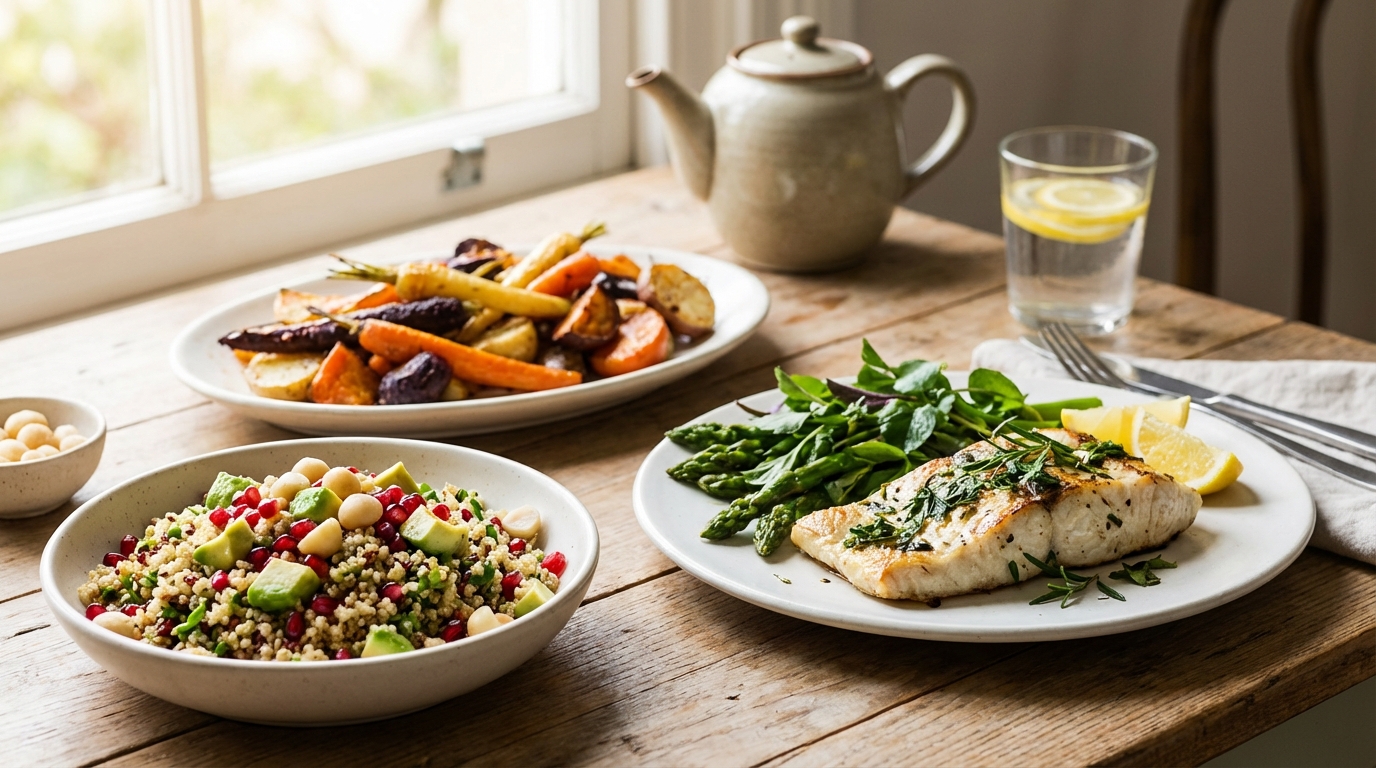
- Grilled Barramundi with Lemon & Native Greens: High in protein and omega-3s, served with kangaroo-apple spinach and a squeeze of lemon.
- Chickpea & Roasted Pumpkin Salad: Fibre-rich chickpeas combined with roasted pumpkin, baby spinach, and toasted pepitas. Drizzle with olive oil and native bush pepper.
- Lentil & Vegetable Stir-fry with Brown Rice: Swap in fresh broccoli, red capsicum, carrots, and snow peas for variety and colour.
- Chicken and Quinoa Buddha Bowl: Tender grilled chicken, cooked quinoa, avocado, cherry tomatoes, and a tangy yoghurt dressing—add herbs like coriander or parsley.
- Poached Eggs on Multigrain Toast with Tomato Salsa: Simple, protein-rich breakfast or lunch packed with flavour and lycopene.
These healthy eating recipes Australia-wide are designed to be flexible—swap ingredients to suit dietary needs or what’s in the fridge. Use lean cuts of meat or plant-based proteins, allow for gluten- and dairy-free alternatives, and experiment with seasonal produce for cost savings and taste.
Healthy Recipes Australia: Limitations, Risks, and When to Seek Advice
While embracing australian healthy food recipes offers considerable benefits, it’s important to acknowledge some common risks and uncertainties:
- Allergies & Intolerances: Some recipes use common allergens; always check ingredients carefully and adjust as needed.
- Over-restrictive Dieting: Pursuing “clean eating” or avoiding entire food groups without professional advice can lead to nutritional gaps, particularly for children, older adults, or those with medical needs.
- Misinterpreting Health Messaging: “Natural” or “low-fat” labels do not guarantee overall nutritional quality—focus on whole food patterns.
- Portion Distortion: Healthy ingredients can still contribute to excess energy intake if portion sizes are too large.
- Using Non-Australian Resources: Overseas recipes or advice may overlook local ingredient availability, cultural factors, or sodium fortification differences in packaged foods.
If you are uncertain about specific dietary needs, are managing a medical condition, or notice persistent symptoms like fatigue or unexplained weight change, seek personalised support from a GP, Accredited Practising Dietitian, or qualified health service provider. Health information online should supplement—not replace—professional guidance.
| Prevention, Risks, and Management Options | Description |
|---|---|
| Balance & Variety | Build meals from multiple food groups to cover nutritional needs |
| Watch for Allergens | Read labels and adapt recipes for allergies/intolerances |
| Seek Professional Input | Consult a GP or APD for dietary changes, especially with chronic health conditions |
| Read Labels | Understand sodium, sugar, and fat content in packaged foods |
| Enjoy Food Mindfully | Eat slowly, savour flavours, avoid restrictive or guilt-based eating |
FAQ
What makes a recipe “healthy” in the Australian context?
In Australia, a healthy recipe typically features a balance of vegetables, whole grains, lean proteins, and healthy fats, with minimal use of added sugars and salt. Recipes recommended by local public health bodies also encourage variety, seasonality, and culturally relevant ingredients.
Are there safe ways to modify Australian recipes for allergies or intolerances?
Most Australian healthy food recipes can be adapted for common allergies or intolerances by swapping ingredients—such as using gluten-free grains instead of wheat, or dairy alternatives where appropriate. If in doubt, a dietitian can provide guidance on safe substitutions.
How do I tell if my current recipe choices support healthy eating?
Assess whether your meals include a variety of vegetables, wholegrains, lean protein sources, and healthy fats. Limit portion sizes of processed foods, high-sugar snacks, and takeaways. If meals are repetitive or leave you feeling unwell, try incorporating more variety or seek advice from an Accredited Practising Dietitian.
Can healthy eating help prevent chronic illness in Australia?
Evidence suggests that following healthy eating and recipe patterns—such as those recommended in the Australian Dietary Guidelines—can help reduce the risk of chronic diseases, including heart disease, type 2 diabetes, and some forms of cancer. A balanced, preventative approach over many years makes the biggest difference.
When should I see a professional for help with healthy eating?
If you have ongoing symptoms (like fatigue, weight changes, or digestive problems), manage a medical condition, or have questions about allergy-safe recipes, it’s important to seek personalised advice from your GP or a registered dietitian instead of relying solely on general information.