
Table of Contents
- About Aryn Hala
- Career and Culinary Philosophy
- Inspiring Young Cooks: Aryn’s Insights & Strategies
- Step-By-Step: Getting Kids Involved
- Frequently Asked Questions
- People Also Ask
- Definition Corner
About Aryn Hala
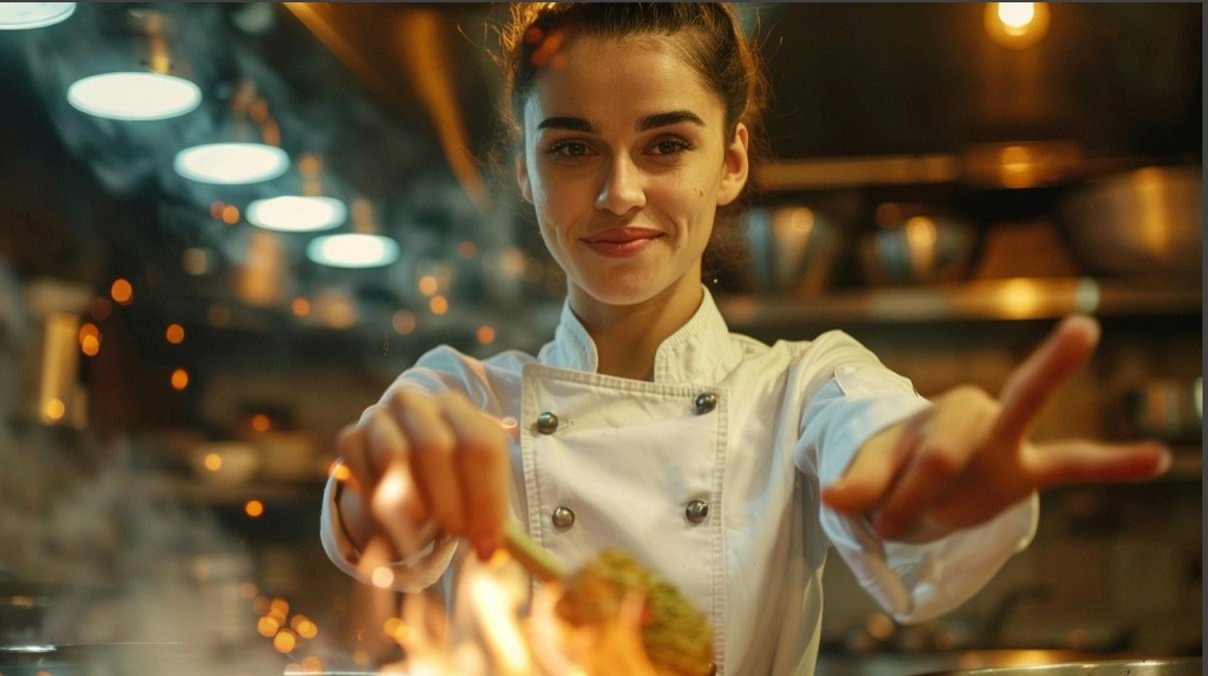
Aryn Hala is a celebrated chef hailing from Gold Coast, Queensland, Australia. Born April 12, 1988, her culinary journey began at a young age, inspired by weekends spent in her grandmother’s kitchen, learning the value of fresh, local ingredients and time-honoured cooking methods. Aryn graduated from the Culinary Institute of Australia in Sydney, not only earning a diploma in Culinary Arts but also co-founding the Sustainable Cooking Club. This experience cemented her passion for sustainability and eco-friendly dining.
| Location | Gold Coast, Queensland, Australia |
|---|---|
| Speciality | Sustainable Cooking, Modern Australian Cuisine |
| Notable Role | Head Chef at Patio Season |
| Current Project | Cookbook on Sustainable Cooking |
Aryn’s Career & Culinary Philosophy
Following her formal training, Aryn returned to Gold Coast to become sous chef at Oceanside Seafood. Her dedication to responsibly sourced local produce and novel flavour combinations quickly earned her recognition within the Australian hospitality industry. In November 2021, she became head chef at Patio Season, a modern Australian restaurant renowned for its al fresco dining, in-house herb garden, and inventive, seasonally-driven menus.
Aryn’s Unique Value Proposition
- Champion of environmental stewardship in the kitchen
- Focus on farm-to-table principles
- Mentor for young chefs and community conservation advocate
- Upcoming cookbook blending sustainability and practical home cook techniques
Her guiding principles are creativity, ethical sourcing, and engaging community. Aryn regularly participates in conservation initiatives and mentors culinary students, aiming to inspire cooks to embrace eco-friendly kitchen techniques. She’s respected not just for her cooking, but for infusing social responsibility into every aspect of her culinary leadership.
Inspiring Young Cooks: Aryn’s Insights & Strategies
What Sparked Aryn’s Interest in Cooking?
“My love for cooking began when I was eight, in my grandmother’s kitchen. Helping to make her apple pie—peeling apples, mixing dough, learning from family stories—made me realise that food connects generations.”
Making Cooking Fun & Accessible for Young People
- Hands-on activities (e.g., kneading dough, shaping meatballs)
- “DIY” food nights (like pizza-making with a toppings bar)
- Encouragement of creativity by letting kids choose recipes or ingredients
Stories that Spark Curiosity
Aryn explains: “Storytelling brings magic to the kitchen. Sharing ingredient origins—for example, how honey is made—creates wonder and fuels curiosity in children.”
- Origin stories for ingredients
- Family tales about foraging and home gardens
Encouraging Creativity
Cooking is more than recipes—it’s a canvas for creativity. Aryn uses ‘colourful food challenges’ and lets kids arrange their plates, making healthy eating both visual and fun.
Learning Through Mistakes
Mistakes are celebrated as learning opportunities. Aryn recounts making salty cookies with her younger brother—turning mishaps into lessons in ingredient measurement, problem-solving, and teamwork.
Safety First in the Kitchen
- Hand-washing and hygiene as step one
- Stepwise introduction of tools (using plastic/child-safe knives on soft foods first)
- Designated kids’ cooking space
- Clear explanations and close supervision
Step-By-Step: Getting Kids Involved in Cooking
- Start Simple: Use easy recipes with few steps, such as scrambled eggs or fruit salad.
- Invite Choice: Let children help plan menus or select ingredients at the shop.
- Get Hands On: Assign tasks like mixing, pouring, or assembling.
- Celebrate Success: Praise effort and achievements, big or small.
- Make It Fun: Transform tasks into challenges or games, like a ‘mystery ingredient’ competition.
| Interactive Cooking (Aryn’s Model) | Passive Cooking |
|---|---|
| Hands-on, promotes curiosity and teamwork | Watching or following instructions only |
| Encourages experimentation | Rigid adherence to recipes |
| Emphasises fun and learning through play | Focuses on end result over process |
Tips for Sustained Engagement
- Theme nights (e.g., international cuisine)
- Setting personal cooking goals
- Hosting family cook-offs
- Integrating technology—apps, online tutorials
- Storytelling about food journeys
Expert Insight:
“Kids thrive when they feel they’ve contributed. Let them express ideas and include their suggestions—ownership boosts confidence in and outside the kitchen.”
Frequently Asked Questions (FAQ)
How can I safely involve young children in cooking?
Always start with age-appropriate tasks and set kitchen ground rules. Use safe utensils, supervise closely, and keep hot or sharp items out of reach. Start with non-cook activities like washing vegetables or mixing.
What’s a good first recipe for a child to try?
Scrambled eggs, fruit salads, or homemade pizza are all excellent starter recipes—they’re simple, adaptable, and let kids practice essential kitchen skills.
How do I keep children interested in cooking over time?
Vary activities, introduce new cuisines, set challenges, and celebrate milestones. Encourage creativity and use technology like kid-friendly cooking apps or video tutorials for ongoing engagement.
How do I handle kitchen mistakes with kids?
Treat mistakes as learning opportunities. Encourage laughter, experimentation, and persistence rather than focusing on perfection. Share stories of your own kitchen mishaps!
People Also Ask
Try “build-your-own” meals using seasonal produce (like wraps, salads, or fruit desserts). Take kids to farmers’ markets to learn where foods come from, and invite them to help plant or water a small herb garden at home.
Involve them in the whole process—from shopping to cooking—and create themed challenges (rainbow plates, world cuisines, or “new ingredient of the week”). Celebrate any effort to try something new.
Engaging video tutorials, interactive cooking apps, and even kitchen gadgets designed for children can make learning visual and fun, integrating digital interest with practical skills.
Definition Corner
- Seasonal Menus
- Restaurant offerings that change based on what produce is fresh and available during different times of the year.
- Sustainable Cooking
- Preparing food in a manner that minimises waste, prioritises local produce, and uses eco-friendly methods and materials.
- Farm-to-Table
- A philosophy of using ingredients sourced directly from local farmers, improving freshness and supporting the community.
- Al Fresco Dining
- Eating outdoors, often associated with fresher air and a relaxed atmosphere, popular in coastal Australia.

