

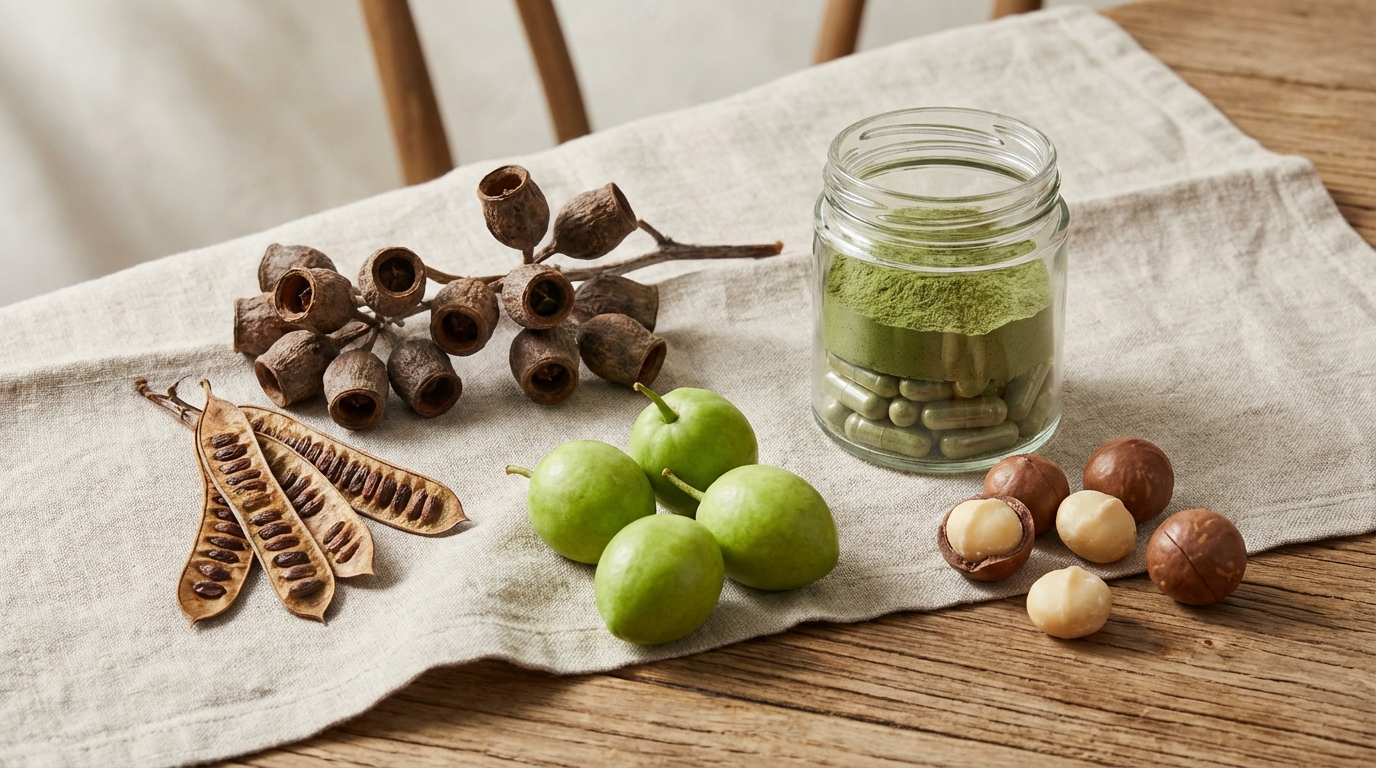
Super superfoods are receiving increasing attention within Australia’s health-conscious community, from families seeking disease prevention to individuals looking to support overall wellbeing. This informational guide is intended for the general Australian public and anyone interested in understanding which foods are classed as superfoods, their realistic benefits, and how they might fit safely into a balanced lifestyle. Please note, this article is for education only and should not be considered a substitute for tailored medical advice. By the end of this article, you’ll recognise what foods are superfoods, their evidence-backed role in prevention and daily health, risks and misconceptions, and how Australians can make informed food choices aligned with current health recommendations.
Understanding Super Superfoods: What Really Makes a Food “Super”?
The term “super superfoods” often appears in media, food labels, and wellness conversations—but what actually qualifies a food as “super”? In general, super superfoods describes foods considered especially rich in essential nutrients, antioxidants, or other compounds suggested to support health beyond basic nutrition. However, no single food can prevent or cure disease. Australian health guidelines recommend a varied approach, placing these foods as part of a balanced diet rather than silver bullets.
This section explains the science and context behind superfoods, helping Australian readers see past marketing hype. Typically, foods given this label provide higher concentrations of vitamins, minerals, fibre, healthy fats, or beneficial plant compounds compared with common alternatives. They may include Australian native ingredients, everyday fruits and vegetables, as well as ancient grains and seeds that fit into existing dietary guidelines established by Australian dietary health authorities.
What Foods Are Superfoods? Exploring the Superfoods List
The “superfoods list” is dynamic and can differ by culture and dietary pattern. In Australia, the standout super superfoods are often those that are nutrient-dense, widely accessible, and supported by reputable sources such as the National Health and Medical Research Council. Some well-recognised examples include:
- Berries (like blueberries, strawberries, acai)—noted for their antioxidant content
- Leafy greens (spinach, kale, silverbeet)
- Oily fish (salmon, sardines, Australian mackerel) for omega-3s
- Nuts and seeds (walnuts, chia, hemp, flaxseed)
- Whole grains (quinoa, brown rice, oats)
- Legumes and pulses (chickpeas, lentils, kidney beans)
- Native Australian ingredients (wattleseed, Kakadu plum, Davidson’s plum)
- Yoghurt and fermented foods like kefir for gut health
Each food is celebrated for specific properties, but current science affirms the greatest protective effect comes from eating a broad diversity of plant-based and minimally processed foods, not relying on any single miracle item.
Symptoms, Warning Signs, and Health Impacts: Why the Hype?
Many marketing messages associate super foods with disease prevention or even reversal of common symptoms. It’s important to clarify this: while regularly eating superfoods is linked with supporting general health, disease prevention, and energy levels, they do not diagnose, treat, or cure medical conditions. Symptoms such as persistent tiredness, unusual weight loss, digestion changes, or unexplained pain are unlikely to be resolved by diet alone and should prompt medical review.
| Claimed Benefit | Superfood Role | When to Seek Medical Advice |
|---|---|---|
| Boosted Immunity | May support immune system as part of a balanced intake | Frequent infections, recurring fevers |
| Weight Management | High-fibre and protein foods can help you feel full | Unintentional weight loss or persistent difficulty losing weight |
| Enhanced Heart Health | Rich in fibre and healthy fats | Palpitations, chest pain, excessive shortness of breath |
| Better Digestive Health | Fermented foods and dietary fibre promote good gut bacteria | Unexplained or ongoing digestive symptoms |
Super superfoods should be seen as part of daily preventive care, rather than a remedy for specific symptoms. If you are experiencing ongoing health changes, consult a healthcare professional first.
Causes, Contributing Factors, and Lifestyle Impacts
Why are some Australians seeking out superfoods? Several causes and influences drive this trend:
- Higher awareness of preventable diseases (like heart disease, diabetes, and some cancers)
- The rise of personalised nutrition and interest in plant-based eating patterns
- Marketing, social media, and celebrity endorsements
- Increased access to Aussie native superfoods by mainstream retailers
Incorporating a range of superfoods into an Australian diet can support energy, mood, and digestive health, and aligns with broader national efforts to reduce chronic health risks. However, their impact is maximised when combined with other healthy habits, such as regular physical activity, stress management, and avoiding smoking or excessive drinking. Super foods work best when they enhance variety and quality within an already balanced eating pattern, as outlined by the Australian Department of Health.
Who Benefits Most? Risk Groups and Special Considerations
Not all Australians benefit from super superfoods to the same degree. Groups who may see particular advantages include:
- Older adults—nutrient-dense options help meet changing nutritional needs with fewer kilojoules
- People at risk of cardiovascular disease—a diet rich in high-fibre foods, healthy fats, and antioxidants supports long-term heart health
- Pregnant women—foods such as leafy greens and fortified grains provide important folate, iron, and calcium
- Children and teenagers—superfoods help build healthy eating habits early in life
- Vegetarians and vegans—superfoods offer dense sources of protein, iron, calcium, and essential fatty acids from non-animal sources
That said, those with specific medical conditions (for example, kidney disease, certain allergies, or digestive disorders) may need tailored dietary support. Always seek advice from a registered health professional before making significant dietary changes, especially if you have underlying health issues or are on medication.
Is There a Downside? Risks, Safety, and Misconceptions
While superfoods are generally safe, there are potential risks, especially if consumed in excess or relied upon exclusively. Some known concerns include:
- Allergic reactions, especially from nuts, seeds, or exotic imported ingredients
- Interactions with some medications (for example, excessive greens affecting blood thinners, or grapefruit interfering with certain medicines)
- Digestive discomfort if suddenly increasing fibre intake without adequate hydration
- Potential heavy metal accumulation in some seafood or imported “superfood powders”
- Confusing trendy foods with proven dietary quality: For example, açaí bowls with added sugar are less beneficial than whole fruits
It is important for Australians to be wary of extraordinary claims, imported supplements with unregulated ingredients, or over-reliance on a narrow food group. Guidance from registered dietitians or credible resources, such as the Nutrition Australia, is advised for anyone unsure about specific risks, especially if managing existing health conditions.
| Popular Superfood | Potential Benefit | Possible Cautions |
|---|---|---|
| Kale | High in vitamin K, antioxidants | May affect blood thinning medication |
| Chia Seeds | Omega-3 fatty acids, fibre | High intake without fluid may cause GI upset |
| Oily Fish | Heart-healthy omega-3s | Mercury risk in some species |
| Fermented Foods | Gut health, probiotics | High sodium; monitor for those on salt restriction |
| Goji Berries | Antioxidants, minerals | Possible interactions with blood thinners |
Prevention and Practical Management: A Real-World Checklist
Building a diverse and balanced diet is the most effective step for Australians who wish to harness the potential benefits of super foods in everyday life. Here’s a practical, prevention-focused checklist you can use:
- Prioritise whole, minimally processed foods most of the time
- Include a colourful variety of fruits and vegetables daily (aim for at least 5 serves)
- Feature sources of plant-based protein (beans, lentils, tofu, nuts, and seeds)
- Choose whole grains (such as oats, quinoa, and brown rice) over refined grains
- Enjoy oily fish 2–3 times a week for heart-healthy fats
- Incorporate Australian native superfoods for local variety and cultural connection
- Introduce new foods gradually to gauge tolerance and minimise digestive upset
- Watch out for added sugars or salt in commercial superfood products
Pro Tip: Bulk buying “superfoods” or relying on imported supplements is rarely necessary. Purchasing seasonal Australian produce, frozen berries, or locally produced seeds and nuts can offer the same benefits in a fresher, more sustainable, and cost-effective way, supporting both your health and the Australian economy.
FAQs
- What exactly is a super superfood?
- Super superfood is an informal term for foods especially high in nutrients or protective compounds, but there’s no legal or scientific definition. Always view them as part of a balanced and diverse diet.
- Can superfoods cure diseases or replace medications?
- No. While some may help protect long-term health, superfoods are not replacements for medications or ongoing medical care. Always consult your doctor for diagnosis or treatment questions.
- Are there risks to eating too many superfoods?
- Yes. Consuming excessive quantities—especially supplements or powders—may cause side effects or interfere with medications. Introduce new foods slowly and consult a qualified health professional for personal guidance.
- What Australian foods are considered superfoods?
- Native options like Kakadu plum, wattleseed, finger lime, and Davidson’s plum are often highlighted in Australia, alongside more common superfoods such as berries, leafy greens, nuts, and seeds.
- Should children eat superfoods?
- Yes, when included as part of a varied and balanced diet. Ensure foods are prepared safely and are age-appropriate, particularly if allergies or choking risks are a concern.