

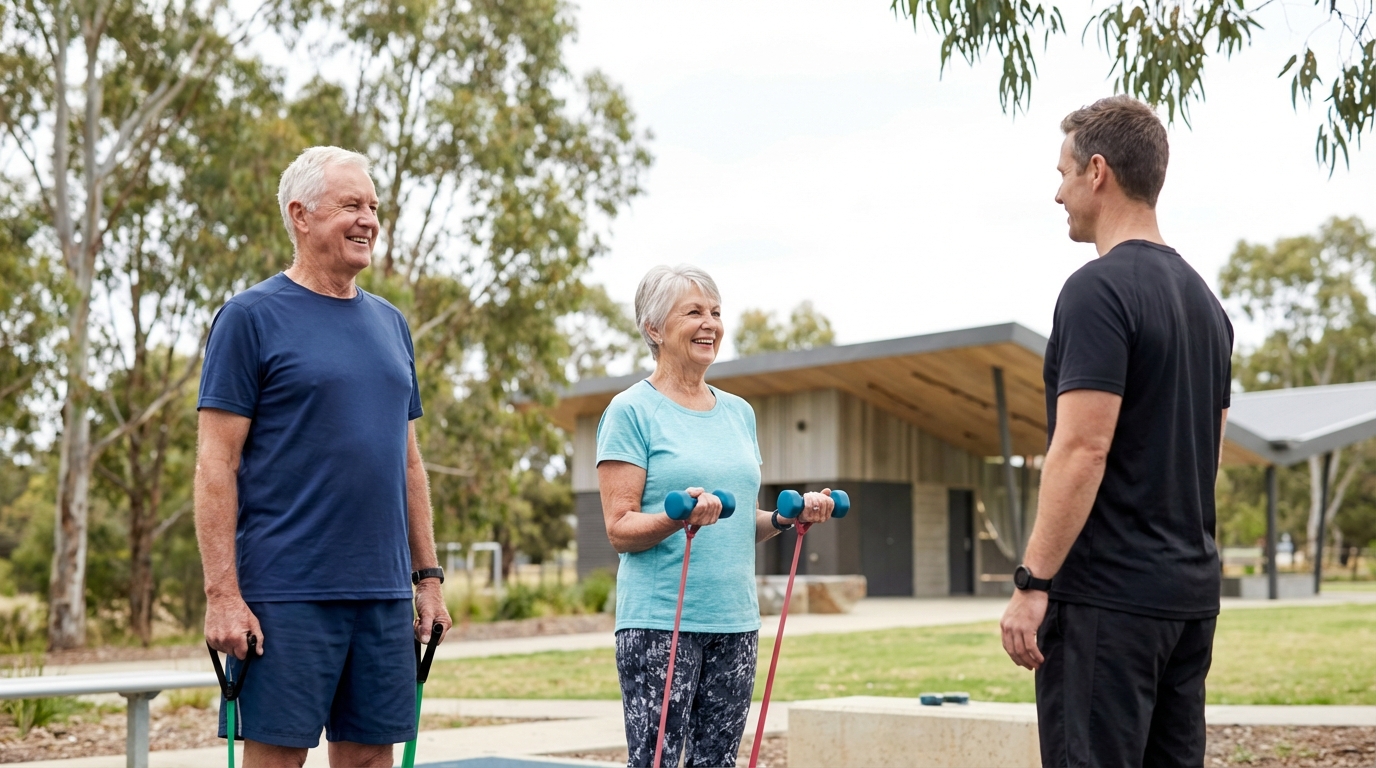
Staying strong and active is vital as we age, but knowing which strength exercises for seniors are safe and effective can sometimes feel overwhelming. This educational guide is designed for older Australians, their families, and carers who want to better understand strength training, resistance exercises, and their role in healthy ageing. Here you’ll find clear, practical information—based on current health guidelines—which is meant to inform, not replace, professional medical advice. By the end, you’ll know the causes and symptoms of muscle weakness in older adults, recommended strengthening routines, precautions to take, and how to access supportive resources within Australia.
Strength Exercises for Seniors: Comprehensive Guide for Australia
Why Strength Exercises Matter for Seniors
Strength exercises for seniors are more than just a way to build muscle. Regular movement and targeted resistance training can help maintain independence, reduce risks of falls and injury, support bone density, and improve overall quality of life. According to guidance from Australia’s Department of Health, adults aged 65 and over should aim for activities that challenge strength, balance, and flexibility at least twice per week.
Many older Australians experience muscle loss and declining strength due to age-related changes, certain medical conditions, or prolonged inactivity. This natural process—called sarcopenia—can make everyday tasks like standing up from a chair, carrying groceries, or climbing stairs much more difficult. However, research consistently shows that with regular, well-planned exercise for seniors, these effects can often be slowed or partially reversed.
It’s important to remember, though, that strengthening exercises should be built around individual capacity, physical limitations, and existing health conditions. Consulting with a qualified health professional, such as a physiotherapist or accredited exercise physiologist, is an excellent way to ensure you are following an exercise routine that’s both safe and personally tailored.
Recognising Symptoms and Warning Signs: When Muscle Strength Is Declining
Understanding the early symptoms and warning signs of declining muscle strength is crucial for timely action and prevention. Older adults, carers, and family members should watch for persistent or worsening muscle weakness, unexplained fatigue, poor balance, or difficulty with simple movements.
| Symptom | Possible Underlying Condition | Management Options |
|---|---|---|
| Weak grip or trouble lifting | Sarcopenia (muscle loss) | Strength training, physio, balanced diet |
| Poor balance and frequent stumbles | Age-related balance loss, vestibular issues | Balance exercises, professional assessment, home safety check |
| Muscle cramps or soreness | Dehydration, overuse, low potassium | Hydration, gentle stretching, GP review if persistent |
| Difficulty standing from seated | Knee/hip osteoarthritis, gluteal weakness | Lower limb strength routines, physio, joint protection advice |
| Fatigue after minor activity | Low fitness, anaemia, medication effects | Review medications, medical assessment, tailored exercise |
If you notice new or persistent symptoms—especially rapid muscle weakness, pain, or falls—it’s important to seek advice from a doctor or registered healthcare provider. Sudden weakness, numbness, or limb pain may signal urgent conditions such as stroke or nerve problems, which require immediate medical attention.
Main Causes and Contributing Factors: Loss of Strength in Elderly Australians
Muscle strength often declines naturally with age, but several risk factors can make weakness more severe or develop more quickly. Among the top causes in older Australians are:
- Inactivity: Sedentary lifestyles, extended hospital stays, or mobility limitations can lead to rapid muscle wasting.
- Chronic health conditions: Osteoarthritis, diabetes, cardiovascular disease, and neurological disorders such as Parkinson’s can limit activity or directly affect muscle strength.
- Poor nutrition: Inadequate protein intake, low vitamin D, or appetite loss can slow muscle repair and growth.
- Certain medications: Long-term use of steroids, sedatives, or some blood pressure drugs may contribute to weakness.
- Age-related changes: Natural loss of muscle mass (sarcopenia) and hormonal shifts reduce the body’s ability to maintain muscle tissue.
- Previous injury: Falls, fractures, or joint replacements may cause fear of movement and ongoing muscle loss if not managed well.
Addressing these causes takes a whole-person approach, involving both preventative action and targeted support. Regular resistance exercises for seniors, a varied diet, and discussion with your healthcare provider about medication side effects can help limit or delay further weakness.
Who Is at Greater Risk? Understanding Risk Factors among Older Australians
Some Australians face an increased risk of strength loss and related complications:
- People over 75, especially if living alone or with reduced mobility
- Older adults recovering from surgery or hospitalisation
- Those with chronic illnesses (e.g., diabetes, cardiovascular disease, arthritis)
- Community members managing disability or cognitive impairment
- Individuals with limited access to social, allied health, or exercise support
- First Nations elders, remote residents, and culturally/linguistically diverse populations—sometimes due to extra barriers to care and information
Recognising these risk factors helps to prioritise early intervention, connect with community programs, and facilitate ongoing monitoring. The Australian Commission on Safety and Quality in Health Care provides evidence-based resources on falls prevention and strength-building.
Choosing the Right Strength Exercises for Seniors
Strengthening exercises for seniors should be safe, accessible, and adaptable. The best routines focus on core muscle groups, promote stability, and fit individual interests and health status. Commonly recommended exercise workouts for seniors in Australia include:
- Bodyweight movements: Sit-to-stand, wall push-ups, standing leg lifts, and heel raises can be done at home without equipment.
- Resistance bands: Lightweight resistance bands are excellent for arm, chest, and leg exercises, and are gentle on joints.
- Light dumbbells: One to two kilogram hand weights can safely increase muscular challenge as ability improves.
- Balance activities: Static balance stands, marching on the spot, or gentle single-leg work reduces fall risks.
- Functional tasks: Carrying shopping bags, gardening, or stair climbing build strength in real-world scenarios.
Group classes designed for older adults—such as Seniors Exercise Park sessions or community centre programs—offer extra motivation and social engagement. Seek classes led by professionals accredited by Exercise & Sports Science Australia for appropriate supervision.
Popular Strength Training Programs for Older Adults in Australia
Strength training for elderly Australians is widely offered through government-subsidised programs, Active and Healthy regional initiatives, and online resources. Options tailored for beginners, those returning after illness, or people with chronic health needs are available in most cities and towns.
- “Stronger for Longer” and “Seniors Strength” programs combine supervised resistance work with education
- One-on-one physiotherapy for individualised assessment and progression
- Online platforms, offering video guides and virtual group workouts—these are especially helpful in remote areas or for those who prefer to train at home
Sessions normally last 30–45 minutes, two to three times per week, allowing time for rest and recovery.
Step-by-Step: Example Strengthening Exercises for Seniors
The following examples are commonly used in elderly workouts. They should be adapted to your ability and only performed within your balance and comfort levels:
-
Chair Sit-to-Stand
– Sit in a sturdy chair with feet flat on the floor.
– Cross arms over chest, or hold chair arms if needed.
– Rise to a standing position, then slowly sit back down.
– Start with 8–10 repetitions, resting as needed. -
Wall Push-Up
– Stand facing a wall, arms shoulder-width apart.
– Lean forward and gently push against the wall, keeping your body straight.
– Push back to starting position.
– Complete 8–12 repetitions per set. -
Seated Knee Extension
– Sit tall with thighs supported, feet flat on floor.
– Slowly extend one leg until the knee is straight.
– Hold for a count of two, then lower.
– Repeat 10–15 times per leg. -
Standing Heel Raises
– Stand while holding the back of a chair for support.
– Rise up onto your toes, then lower feet back down.
– Aim for 10–15 repetitions. -
Resistance Band Rows
– Sit or stand tall, holding ends of a resistance band secured at foot level.
– Pull elbows back gently, squeezing shoulder blades together.
– Slowly return to start.
– Repeat for 8–12 repetitions.
Remember: Start small, progress slowly, and pay attention to any discomfort or warning signs during activity. If you are unsure about your ability or experience any unusual symptoms (such as chest pain, dizziness, or joint swelling), stop and discuss with a doctor or allied health professional before resuming.
How to Exercise Safely: Key Considerations and Risk Awareness
Safety is a top priority in all exercises for elderly people. Potential risks include sprains, muscle strains, falls, or overuse injuries. You can minimise these by following basic guidelines:
- Warm up with gentle activity (marching in place, light stretching) before each session
- Use sturdy, supportive footwear and exercise in a clutter-free area
- Choose seated or supported exercises if balance is uncertain
- Avoid holding your breath while lifting or straining (breathe out during the hardest part of the movement)
- Stop immediately if you feel chest pain, shortness of breath, or joint swelling
Those recovering from recent surgery or managing chronic medical conditions should consult their general practitioner or allied health provider before starting a new routine. Many Australians qualify for subsidised allied health services as part of their Medicare care plans.
Pro Tip: Keep a simple diary or log of your exercise sessions and any symptoms. Tracking your progress helps you and your healthcare provider understand what works well and spot emerging issues early.
Strength Training and Prevention: Additional Benefits and Lifestyle Tips
Beyond building muscle, regular strength training for seniors is linked to reduced risk of chronic illness, improved mental health, and healthier sleep patterns. Resistance exercises for seniors also support bone health (decreasing osteoporosis risk), mobility, social connection, and self-confidence. Prevention is central: by addressing gradual changes early, older adults can stay active and engaged for longer.
The most effective prevention includes:
- Consistent exercise, tailored to capacity and preferences
- Good nutrition—adequate protein and regular hydration
- Regular check-ups, including medication and falls risk review
- Strong social and community support systems
- Attending to home safety—reducing trip hazards, improving lighting
Your local GP or council can provide information about nearby group classes, healthy ageing programs, or personal trainers with experience in strength training for older adults.
Checklist: Are You Ready to Start Strengthening Exercises?
- Have you had a recent check-up or discussed exercise with your doctor?
- Are you aware of any specific health conditions that affect your mobility, balance, or exercise tolerance?
- Do you have appropriate clothing, comfortable shoes, and any necessary supports (like a sturdy chair or resistance bands)?
- Is your chosen activity space free of hazards and well-lit?
- Do you have access to a support person or class if needed?
- Are you able to start slowly and progress at your own pace?
If you answered “no” to any of the above, consider reaching out to a health care provider or exercise professional for personalised advice.
Accessing Resources and Professional Support in Australia
Australians have a range of supportive services for safe exercise, including:
- Medicare Chronic Disease Management Plans: Eligible people may access subsidised physiotherapy, exercise physiology, or dietetics.
- Commonwealth Home Support Programme: Offers group classes and home-based programs for eligible seniors.
- Community Health Centres: Many local councils and health services offer low-cost or free exercise classes for older adults.
- Allied Health Professionals: Accredited exercise physiologists and physiotherapists provide individual assessment and program design tailored to your needs.
Learn more about trustworthy fitness providers and public programs at Sport Australia or by contacting your local council. Always seek services from qualified and registered professionals to maximise safety and benefit.
FAQ
What are the best strength exercises for seniors starting out?
Simple bodyweight exercises—such as chair sit-to-stand, wall push-ups, and supported heel raises—are excellent for beginners. These moves strengthen key muscle groups safely, using everyday movements, and can be done at home.
How often should elderly people do strength training?
Australian guidelines recommend older adults complete strengthening and balance activities at least twice a week, allowing for rest and recovery between sessions. The most important factor is regular, sustainable activity suited to your fitness level.
Are resistance bands safe for elderly workouts?
Resistance bands are generally considered safe and effective when used correctly, as they allow for adjustable intensity and support joint-friendly exercises. It’s important to use bands with suitable resistance and check for wear or damage before each use.
When should seniors seek professional medical advice before starting exercise?
Anyone with a history of heart problems, stroke, recent surgery, ongoing pain, dizziness, or significant medical conditions should consult a doctor or allied health professional before beginning a new routine. This helps ensure safety and supports individual needs.
What if I experience pain or unusual symptoms during exercise?
All pain, breathlessness, dizziness, or swelling during activity warrants stopping exercise and seeking medical review. It’s better to act cautiously and have symptoms checked by a professional before resuming.