

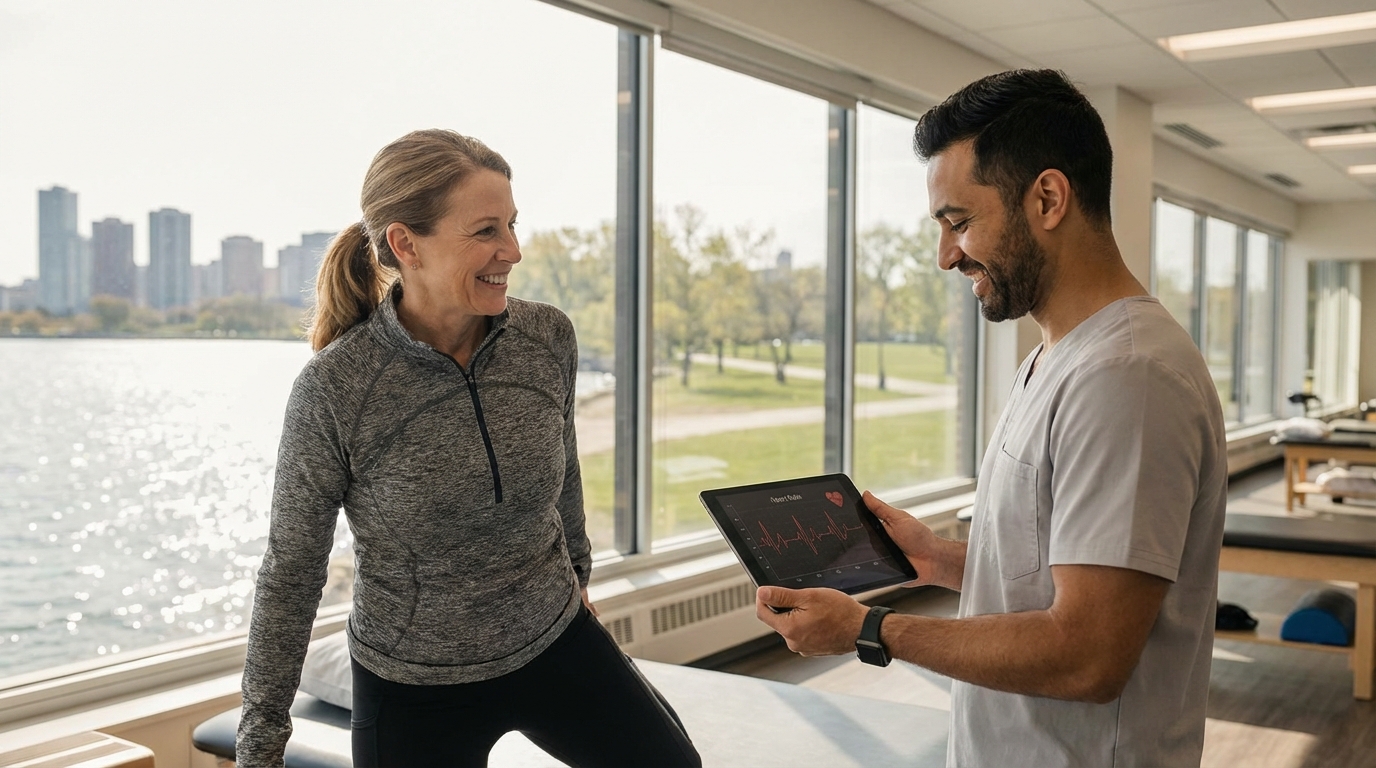
If you’ve ever wondered what is physical activity exercise, this article is tailored for all Australians—including health-conscious readers, carers, and anyone seeking to better understand the role of movement in daily life. Designed to inform and educate, it is not a substitute for individual medical advice. By reading on, you’ll gain a grounded understanding of what defines physical activity and exercise, the benefits and risks involved, why they matter for your health, and when to seek professional guidance.
Understanding Physical Activity and Exercise: Definitions, Benefits, and Australian Insights
Physical Activity Definition: What Does It Really Mean?
Physical activity refers to any movement of the body produced by skeletal muscles that requires energy expenditure. According to Australian guidelines supported by the Australian Department of Health, physical activity encompasses a broad range of actions including walking, gardening, household chores, structured sports, active commuting, and recreational pursuits. Unlike sedentary behaviour—when sitting or lying down and expending minimal energy—physical activity can range from light tasks to vigorous-intensity exercise.
The meaning of physical activity often gets confused with ‘exercise’. However, while all exercise is physical activity, not all physical activity is considered exercise. Activities like vacuuming or raking leaves count towards daily movement but may not meet the criteria for structured exercise programs.
Key Characteristics:
- Involves muscle movement and energy use
- Can be planned or spontaneous
- Includes both occupational and leisure activities
- Varies in intensity (light, moderate, vigorous)
Physical activity helps reduce health risks linked to physical inactivity, such as heart disease and type 2 diabetes. But not all movement is equal in intensity or effect, so understanding these distinctions is important for personal health management.
Exercise Definition: How Does It Differ From Physical Activity?
To define exercise is to recognise it as a specific, planned, and structured subset of physical activity intended to improve or maintain one or more aspects of physical fitness (define exercise). Exercise programs might include regular jogging, strength training, aerobics classes, or sports training. The Heart Foundation describes exercise as deliberate activity focused on improving stamina, muscle strength, flexibility, and overall health.
Key Differences Between Physical Activity and Exercise:
- Physical activity: Any bodily movement; broad scope, everyday actions
- Exercise: Structured, repetitive, goal-oriented physical activity
Even gentle forms of exercise—like yoga or tai chi—are valid and beneficial. Australian recommendations encourage adults to include both aerobic and muscle-strengthening exercises a few times a week, based on advice from recognised organisations such as Better Health Channel.
| Aspect | Physical Activity | Exercise |
|---|---|---|
| Definition | Any body movement requiring energy | Planned, repetitive movement for fitness |
| Purpose | Daily living, recreation, work | Health, fitness, performance |
| Examples | Gardening, walking the dog, housework | Gym sessions, running, swimming laps |
| Intensity range | Light to vigorous | Usually moderate to vigorous |
Why Physical Activity Matters: The Benefits for Australians
Engaging in regular physical activity offers wide-reaching benefits for Australians of all ages. Consistent movement helps manage weight, supports mental wellbeing, and reduces the risk of non-communicable diseases commonly seen in Australia, such as heart disease, stroke, certain cancers, and type 2 diabetes.
Beyond preventing illness, the benefits also include:
- Improved sleep quality
- Increased energy and vitality
- Stronger muscles and bone density
- Better cognitive function and mood
Evidence from Australian health agencies indicates a strong link between physical activity and reduced incidences of anxiety and depression. Even small increases in activity levels, particularly in previously inactive individuals, can yield significant health rewards.
However, the positive effects of physical activity are best achieved when tailored to an individual’s current health status and preferences. Starting small and building up gradually is generally encouraged, especially when new to exercise or managing chronic health conditions.
| Benefit Category | Examples of Impact |
|---|---|
| Physical Health | Reduces risk of chronic diseases, helps manage weight, strengthens heart and lungs |
| Mental Health | Boosts mood, reduces symptoms of depression and anxiety, supports cognitive health |
| Functional Wellbeing | Enhances balance, mobility, independence, and daily living skills |
Understanding Physical Inactivity: Causes, Risks, and Who is Most Affected
Physical inactivity describes not meeting the recommended amounts of movement needed for health—at least 150 minutes of moderate-intensity activity per week for adults, as outlined by the Australian Institute of Health and Welfare. Multiple factors, both individual and environmental, contribute to inactivity.
What Contributes to Physical Inactivity?
Contributing factors may include:
- Sedentary jobs, excessive screen time, desk-based study
- Urban environments with limited green space or safe walking paths
- Chronic illness or mobility restrictions
- Low motivation, stress, or mental health challenges
- Barriers to access such as cost, time constraints, or lack of support
A lack of sufficient physical activity can affect anyone, but is especially common among older adults, people with disabilities, and individuals managing ongoing medical conditions.
Health Risks Associated with Inactivity
Remaining physically inactive increases the likelihood of several chronic diseases, including those involving heart and blood vessel health, metabolic function, and some cancers. Other risks include declining muscle mass, joint stiffness, reduced bone strength, and negative mental health effects.
Early signs of the impact of inactivity may include fatigue, unexplained weight gain, reduced stamina, or low mood. It’s important not to self-diagnose: if you notice ongoing symptoms or a decrease in your ability to perform normal activities, consider speaking to a qualified health professional.
Environmental and socioeconomic factors—such as availability of community sport, walkable neighbourhoods, affordability of fitness facilities, and work patterns—also play a crucial role in shaping physical activity opportunities and risks for Australians.
Preventing Physical Inactivity: Practical Tips for Everyday Australians
Preventing physical inactivity doesn’t require intense gym sessions. Simple, sustainable changes can make daily movement a natural part of life. Setting realistic goals that suit your age, mobility, and lifestyle is key to long-term success.
Your Everyday Physical Activity Prevention Checklist:
- Start with short walks—aim for 10 minutes, building up gradually
- Break up long periods of sitting with brief standing or stretching breaks
- Use active transport—walk, cycle, or use public transport whenever possible
- Engage in activities you enjoy, such as gardening, dancing, or social sport
- Invite a friend or family member to join for motivation and accountability
- Work with local community resources—look for free programs or outdoor exercise spaces
Pro Tip: Make movement part of your daily routine by pairing it with activities you already do, like walking during phone calls or parking further from the shops. Consistency often matters more than intensity when aiming for lasting health benefits.
Safe Progression and When to Seek Help
Increasing physical activity is generally safe for most adults when changes are gradual. However, if you experience symptoms such as chest pain, unusual shortness of breath, dizziness, or unexplained pain during activity, stop and seek prompt medical review. Australians with chronic health conditions or new symptoms should consult their GP or allied health professional before beginning a new exercise routine.
There are no guaranteed outcomes from specific activities, so personalising your movement goals is advised. Listen to your body, focus on variety, and remember that some limitations may require adjusting expectations or methods.
Safe Management: Making Informed Choices About Physical Activity and Exercise
For most Australians, adopting moderate-intensity activity is both achievable and safe; however, there are important limitations and safety considerations to keep in mind. Medical check-ups are recommended before starting vigorous programs if you have current health issues, are pregnant, or are older than 45 with no recent history of regular activity.
Children and teenagers benefit from at least 60 minutes of movement daily, but activities should be age-appropriate and enjoyable. For older adults, balance and strength training can prevent falls and support independence.
Programs do not guarantee results for everyone, as genetics, medical history, and personal circumstances can influence outcomes. Trusted Australian resources—such as those from the Heart Foundation or Better Health Channel—offer evidence-informed guidance but always defer to personal medical advice where individual safety is concerned.
| Category | Examples | Recommended Action |
|---|---|---|
| Warning Signs | Pain, chest tightness, persistent shortness of breath, dizziness | Stop activity, seek medical advice promptly |
| Common Risk Factors | Chronic illness, inactivity, older age, high stress | Begin new routines under guidance of GP or allied health professional |
| Minor Discomfort | Muscle soreness, mild fatigue | Can be normal; monitor recovery and modify if needed |
FAQ
What is the definition of physical activity?
Physical activity is any body movement that results in energy expenditure. It covers all kinds of movements beyond basic living, such as walking, gardening, or housework.
How is exercise different from general physical activity?
Exercise refers to planned, structured, and repetitive movements specifically intended to improve fitness or performance. All exercise is physical activity, but not all activity is structured exercise.
What are the main health risks of being physically inactive?
Prolonged physical inactivity increases risks for chronic illnesses, such as heart disease, type 2 diabetes, some cancers, and adverse mental health conditions. It may also reduce independence and quality of life over time.
Are there any safety concerns with starting new exercise programs?
Most adults can safely increase activity if changes are gradual. However, those with ongoing medical issues, new symptoms, or advanced age should seek a health professional’s advice before starting new routines.
Where can Australians find trustworthy physical activity guidance?
Authoritative guidance can be found on the Department of Health’s physical activity resources, Better Health Channel, and the Heart Foundation’s exercise pages.