

Mediterranean meals are renowned for their potential health benefits, but how do they truly influence wellbeing in the Australian context? This comprehensive article is designed for the Australian public, including health-conscious individuals and carers, looking to understand what Mediterranean food offers, its impact on everyday health, and how to safely incorporate these eating patterns. This resource serves as an educational and informational guide—not a substitute for individual medical care. By the end, you will gain clarity on the underlying principles of Mediterranean diet recipes in Australia, recognise potential risks, and be equipped with evidence-informed, practical knowledge tailored for safe, long-term health choices.
Understanding Mediterranean Meals and Their Health Impact in Australia
What Are Mediterranean Meals? Key Elements for Australians
Mediterranean meals reflect the traditional eating habits found in countries bordering the Mediterranean Sea, such as Greece, Italy, and Spain. Central to Mediterranean food are whole grains, vegetables, fruits, legumes, nuts, olive oil, herbs, moderate fish and poultry, and minimal red meat or processed foods. In Australia, interest in Mediterranean diet recipes has surged, with many looking to adopt its unique blend of taste and potential health benefits.
Mediterranean meals are typically:
- Rich in plant-based ingredients, such as colourful vegetables and beans
- Seasoned with fresh herbs, garlic, and extra-virgin olive oil rather than saturated fats
- Centred around moderate servings of seafood and low-fat dairy
- Enjoyed slowly and often accompanied by social, family-oriented eating
This diet stands in contrast to the standard Western diet high in processed foods and saturated fats, which is common in Australia. Many Australian families exploring Mediterranean food are motivated by both flavour and emerging health evidence. National health bodies, including the Heart Foundation and Australian dietary guidelines, highlight how the core elements of Mediterranean meals align with national nutrition recommendations.
However, it’s important to note that not all Mediterranean-inspired meals in Australia are automatically healthy—some commercial adaptations may increase salt or processed content. Choosing fresh, minimally processed ingredients is key for maximising benefits.
Health Benefits: Why Mediterranean Meals Are Gaining Popularity
Educational intent drives many Australians to seek out Mediterranean food for its perceived benefits. Scientific research and global health organisations, such as the World Health Organization, report that a Mediterranean-style diet may support cardiovascular health, weight management, and the prevention of certain chronic diseases.
Key evidence-based positives associated with Mediterranean meals include:
- Improved cardiovascular health: Lower rates of heart disease and stroke risk factors have been linked to these dietary patterns in numerous studies.
- Better glycaemic control: Many people with type 2 diabetes, or those at risk, may benefit from the stable blood sugar levels promoted by Mediterranean diet recipes.
- Weight management: High-fibre, nutrient-rich meals promote satiety and may support healthy weight maintenance.
- Cognitive wellbeing: Emerging evidence, supported by the Dementia Australia guidelines, suggests improved brain health and reduced dementia risk may be associated with Mediterranean food choices.
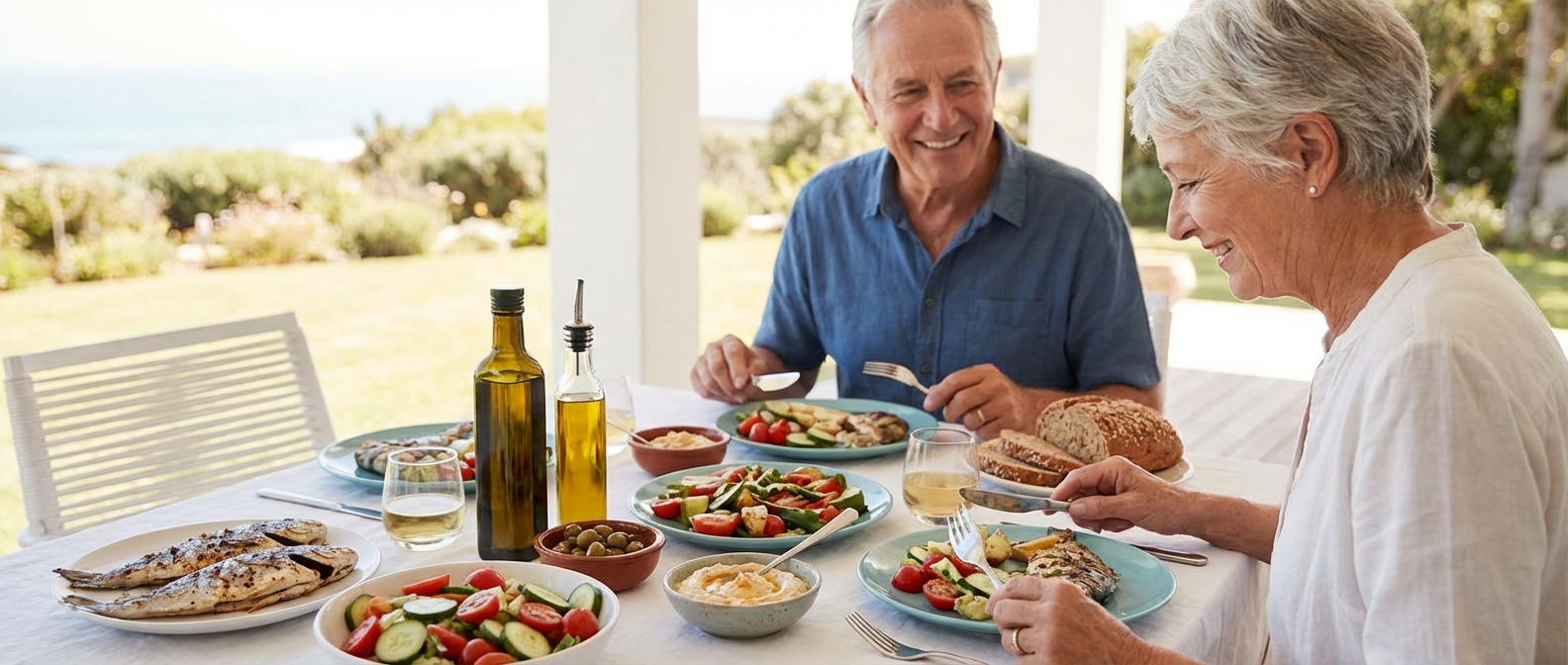
In practical terms, a typical Mediterranean meal might include grilled fish with a tomato and cucumber salad, wholegrain bread, and a side of hummus. These foods pack dense nutrients, healthy fats, and fibre rather than refined sugars or saturated fats found in some Western options.
| Mediterranean Meals Feature | Typical Western Meals Feature | Health Relevance |
|---|---|---|
| Plant-based, high-fibre foods | Processed, refined grains | Supports digestive and heart health |
| Extra-virgin olive oil | Butter or animal fats | Lowers unhealthy fat intake |
| Natural herbs and spices | Excess salt and additives | Reduces blood pressure risk |
While the core attributes of Mediterranean food align with longer-term and preventative health, it is important for readers to interpret these benefits as general outcomes, recognising that individual responses can vary.
Underlying Causes: Why Mediterranean Meals Confer Health Advantages
To understand the preventative appeal of Mediterranean meals, it’s key to look at the causes behind their health status. The abundance of antioxidants, mono- and polyunsaturated fats (from olive oil, nuts, and fish), and low levels of processed sugars in Mediterranean food set it apart. This nutrient profile helps reduce inflammation—a root cause of many chronic diseases affecting Australians.
Three core contributors stand out:
- High intake of healthy fats: Extra-virgin olive oil and oily fish increase omega-3 fatty acids, playing a role in reducing bad cholesterol.
- Antioxidant-rich produce: Regular consumption of tomatoes, leafy greens, and berries provides natural antioxidants, helping to reduce oxidative stress.
- Low processed food content: Avoidance of trans fats and excess processed meats helps lower long-term disease risks.
These dietary attributes don’t just benefit the heart; they have a multisystem impact, potentially supporting mental and digestive health too, as promoted by leading health educators such as Nutrition Australia.
However, some Australians may have unique sensitivities or medical conditions affected by dietary changes, such as allergies to nuts or lactose intolerance. If you have known dietary risks or chronic health conditions, it’s advisable to consult an accredited practising dietitian or your healthcare provider before making significant changes.
Prevention and Lifestyle Management: Adopting Mediterranean Meals Safely
Preventative intent is strong among readers seeking ways to lower their risk of chronic illness. Incorporating Mediterranean meals in Australia requires an understanding of local ingredient availability, portion sizes, and consistency.
Practical ways to manage the transition include:
- Plan meals ahead using Australian-grown produce when possible
- Swap out processed snacks for fruit, seeds, or homemade dips like baba ganoush
- Choose lean proteins such as grilled chicken, fresh fish, or lentils
- Limit red meat, opting instead for plant-based proteins or seafood
- Enjoy shared meals with family, focusing on mindful eating
Support from community health services and credible sources, such as Healthdirect Australia, can make meal planning easier and more relevant to the Australian context. For those using Mediterranean diet recipes in Australia, understanding recommended daily intakes and adjusting for local ingredients (e.g., swapping imported seafood with sustainable Australian fish) is encouraged.
| Key Management Step | Australian Context Example | Limitation or Consideration |
|---|---|---|
| Substitute animal fats | Use olive oil or avocado instead of butter | Monitor for individual fat tolerance or allergy risks |
| Increase vegetables at each meal | Incorporate local pumpkins, beans, or greens | Not all vegetables may be in season year-round |
| Incorporate whole grains | Choose brown rice, buckwheat, or barley | Some may require longer cooking or cost more |
Pro Tip: Building Long-Term Dietary Habits
For safe, sustainable change, focus on gradual adjustments rather than complete overhauls. Try introducing one or two Mediterranean-style meals each week, and use seasonal Australian produce to keep meals cost-effective and fresh. This approach can minimise food waste and support local farmers.
Risk Factors and Safety Concerns When Adopting Mediterranean Meals
Risk-aware intent is an important factor for Australians adjusting to new dietary patterns. While Mediterranean meals generally suit a wide range of people, certain risks and uncertainties must be considered:
- Allergies: Nuts, seafood, and some whole grains are staples of this diet but are common allergens. Carefully read ingredient lists and consult healthcare providers as needed.
- Misinterpretation of dietary guidance: Using high-fat cheese or processed meats, which are not core to the authentic Mediterranean diet, can mitigate potential health benefits.
- Meal timing and portions: Some may inadvertently increase caloric intake when transitioning, particularly if portion sizes or added fats are not adjusted appropriately.
- Pre-existing health conditions: Those with kidney disease, chronic gastrointestinal issues, or cardiovascular risk factors should seek guidance from their medical team before making major changes.
It’s essential to realise that while Mediterranean food patterns contain many beneficial elements, there are limits to their effects. They are not a guaranteed cure for diseases, nor a replacement for medication or medical advice. If you experience unexplained digestive issues, allergic reactions, or ongoing symptoms during dietary changes, consult your GP or an accredited dietitian promptly.
For Australians seeking Mediterranean diet recipes, favour official, evidence-based sources and avoid fad variants that may be high in salt, processed meats, or saturated fats. Resources such as the Heart Foundation’s Mediterranean diet guidance offer tailored, reliable advice.
Checklist: Adopting Mediterranean Meals Mindfully
- Choose Australian-grown, seasonal fruits and vegetables
- Prioritise legumes, whole grains, and healthy fats (olive oil, avocado)
- Limit processed foods, red meats, and added sugars
- Experiment with fresh herbs and spices over extra salt
- Check all ingredients if you have allergies or dietary sensitivities
- Balance meals with regular movement and hydration
- Seek professional medical advice if you’re managing a chronic health condition
FAQ
What makes a meal “Mediterranean” in the Australian context?
A Mediterranean meal, in Australia, typically features Australian-grown vegetables, legumes, whole grains, nuts, seafood, and olive oil, minimising the use of processed or red meats. Local adaptation often involves seasonal ingredients and herbs readily available in Australian supermarkets and markets.
How safe is the Mediterranean diet for people with food allergies?
The Mediterranean diet can be adapted to most allergy requirements, but it does regularly include common allergens like nuts, fish, and dairy. Australians with allergies should carefully check labels and consult a medical professional before making significant dietary changes.
Can children and older adults in Australia safely enjoy Mediterranean meals?
Yes, Mediterranean meals are suitable for a wide range of ages when portion sizes and textures are adjusted appropriately. For specific dietary needs, guidance from a paediatric dietitian or a geriatrician is recommended.
How do I start incorporating Mediterranean meals on a budget?
Use seasonal Australian produce, bulk-buy grains and legumes, and plan meals in advance. Mediterranean recipes can often be made more affordable by using tinned tomatoes, frozen seafood, or Australian-grown beans and seeds.
Is the Mediterranean diet suitable for a vegetarian or plant-based lifestyle?
Absolutely. Many Mediterranean meals focus on beans, lentils, grains, and a wide variety of vegetables. Dairy and seafood can be scaled according to preference or dietary requirements.