

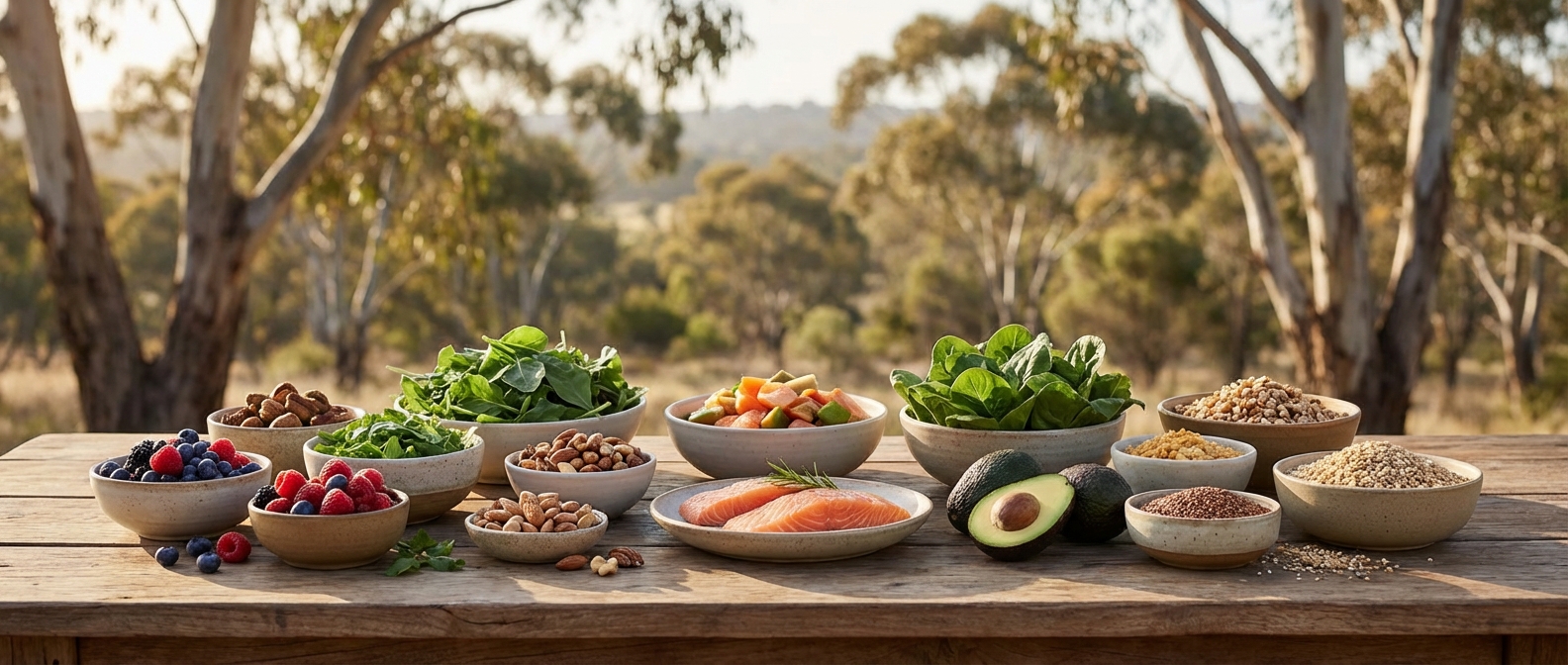
The whole food diet is gaining momentum among Australians looking for realistic, preventive approaches to better health. This article is designed for the general Australian public, including health-conscious individuals, carers, and those aiming to make informed food choices. Here, you’ll learn what the whole food diet truly means, how to recognise authentic whole foods, and reliable tips for integrating these choices into daily life—all grounded in educational intent and not a substitute for individual medical advice. By reading on, you’ll develop an understanding of how whole food diets contribute to wellbeing, supported by evidence-informed, responsible guidelines that fit the Australian health context.
Whole Food Diet: An Informed Guide for Australians
Understanding the Whole Food Diet: Core Principles and Health Benefits
The term “whole food diet” refers to eating foods that are as close to their natural state as possible. This means consuming foods that are minimally processed, free from artificial additives, and retain much of their original nutritional value. Whole foods include fresh fruits, vegetables, whole grains, nuts, seeds, legumes, and unprocessed animal products like lean meat, fish, eggs, and dairy.
Australians are increasingly turning to whole food diet principles in search of improved energy, disease prevention, and a more sustainable lifestyle. According to national nutrition guidance from Eat For Health, eating a variety of whole foods can significantly lower the risk of lifestyle-related health conditions. Consuming whole foods supports healthy weight management, better digestion, and more stable blood sugar levels.
While research into the impact of whole foods on chronic inflammation is ongoing, many credible Australian authorities highlight a relationship between whole food diets and positive, lifelong health outcomes. However, it’s important to remember that no single diet suits everyone perfectly. Consultation with recognised health professionals, such as accredited practising dietitians or general practitioners, is encouraged for anyone considering significant dietary changes.
What Are Whole Foods? Identifying Key Food Groups
What Foods Are Whole Foods?
Whole foods are defined by how little they have been changed from their original form. Most often, these include:
- Fresh fruits (e.g., apples, berries, oranges, melons)
- Fresh and frozen vegetables (e.g., spinach, carrots, broccoli, pumpkin)
- Whole grains (e.g., brown rice, rolled oats, barley, quinoa)
- Legumes (e.g., lentils, chickpeas, beans)
- Nuts and seeds (e.g., almonds, sunflower seeds, walnuts)
- Lean meats and seafood
- Plain dairy (e.g., unflavoured yoghurt, milk, cheese)
The distinguishing factor is that these foods usually have no ingredient list or only contain the original ingredient.
What Are the Whole Foods? Common Australian Examples
In Australia, access to high-quality whole foods is widespread through supermarkets, farmers’ markets, and community co-ops. Local examples include sweet potatoes, macadamia nuts, kangaroo meat, fresh barramundi, and seasonal vegetables like zucchini and beetroot. Choosing regionally grown options can also support sustainability and reduce food miles.
Foods that often cause confusion include muesli bars, commercial “nut” butters, or packaged fruit snacks—these can be highly processed and contain added sugars, oils, or preservatives. When in doubt, always check food labels and seek guidance through resources like Healthdirect Australia’s healthy eating advice.
Whole Foods List for Australian Shoppers
| Food Group | Examples | Not Whole Food |
|---|---|---|
| Fruits | Bananas, apples, mangoes, blueberries | Fruit juices, canned fruit in syrup |
| Vegetables | Spinach, sweet potato, broccoli, carrots | Vegetable chips, frozen fries |
| Whole Grains | Brown rice, quinoa, rolled oats | White bread, flavoured crackers |
| Nuts & Seeds | Almonds, walnuts, pepitas, chia seeds | Candied nuts, flavoured mixed nuts |
| Lean Proteins | Eggs, salmon, chicken breast, tofu | Processed meats, crumbed fish |
| Legumes | Lentils, kidney beans, chickpeas | Refried beans with additives |
If you’re new to this way of eating, beginning with familiar foods makes switching to a whole food diet easier, practical, and enjoyable.
Why Consider a Whole Food Diet? Symptoms, Prevention, and Real-Life Impact
Symptoms and Warning Signs of a Poor Diet
Australians consuming a heavily processed diet may notice symptoms like persistent fatigue, frequent headaches, unstable mood, digestive discomfort, and unexpected changes in body weight. While these symptoms can result from many health conditions, dietary patterns are a common contributing factor. The National Health and Medical Research Council suggests that high intakes of added sugar, saturated fat, and sodium are linked to the development of chronic health conditions such as type 2 diabetes, cardiovascular disease, and metabolic syndrome.
Prevention Through the Whole Food Diet
Adopting a whole food diet is regarded as a preventive measure, helping to maintain energy balance, reduce the risk of diet-related illness, and support holistic wellbeing. Research shows that a balanced intake of fruits, vegetables, and whole grains helps lower lifestyle-related disease risk and provides critical micronutrients not found in ultra-processed foods. Prevention is not only about food choices, but also about building sustainable, long-term habits that fit the Australian lifestyle and dietary guidelines.
Real-Life Impacts: Australian Examples
Making even moderate changes toward whole foods can improve how you feel day-to-day. For example, replacing packaged breakfast cereal with rolled oats, or swapping white bread for multigrain, can deliver more fibre and provide stable energy. Many Australians report improvements in digestion and fewer afternoon sugar crashes after introducing more whole foods. However, individual experiences vary and not all health improvements can be directly attributed to diet alone.
| Warning Sign | Common Causes | When to Seek Help |
|---|---|---|
| Chronic fatigue | Lack of nutrients, excess processed sugar | If ongoing after dietary changes |
| Poor digestive health | Low fibre, excessive processed foods | Persistent, severe, or worsening symptoms |
| Unexpected weight changes | Imbalanced intake, skipping meals | If significant or unclear cause |
If symptoms persist or concern you, consult a qualified health professional for personalised advice.
Whole Food Diet Meal Plan: Getting Started Safely in Australia
Whole Food Diet Meal Plan: Sample Day
Transitioning to a whole food meal plan starts with simple swaps and balanced meals. Here’s a sample day reflecting Australian eating habits:
- Breakfast: Rolled oats with fresh strawberries, chia seeds, and milk
- Morning tea: Sliced apple and raw almonds
- Lunch: Grilled chicken, brown rice, and mixed leafy greens with olive oil & lemon dressing
- Afternoon snack: Carrot sticks and hummus (made with chickpeas, tahini, olive oil)
- Dinner: Steamed salmon, roasted sweet potato, sautéed green beans
- Optional: Plain natural yoghurt with a sprinkle of walnuts as dessert
Remember, whole food diets are flexible. Personal preferences, cultural foods, religious considerations, and allergies must always be taken into account.
Whole Food Meal Plan: Checklist for Health-Conscious Australians
| Whole Food Diet Practical Checklist | |
|---|---|
| Read all food labels for added sugar, salt, and preservatives | ✔ |
| Shop mainly on supermarket perimeters (produce, meat, dairy) | ✔ |
| Plan meals with a focus on variety and seasonal produce | ✔ |
| Prioritise cooking at home to control ingredients | ✔ |
| Include a source of plant-based foods in every meal | ✔ |
| Hydrate with plain water as your main beverage | ✔ |
Pro Tip: Start by introducing whole foods to just one meal per day and build from there. Gradual changes improve long-term success and minimise overwhelm.
Risks, Misinterpretations, and When to Seek Medical Advice
Potential Concerns and Safety Considerations
While a whole food approach typically offers more benefits than risks, there are safety factors to consider. Suddenly making major dietary changes may result in digestive discomfort, such as bloating or constipation, as your gut adjusts to increased fibre. Those with specific health conditions—like kidney disease or certain allergies—should be especially careful about increasing legumes, nuts, or some vegetables without guidance. Misinterpreting what qualifies as a “whole food” can also lead to nutritional imbalances, such as insufficient calcium or iron intake.
Common Misunderstandings About Whole Foods
Some products marketed as natural or “wholegrain” can still be heavily processed or high in sugar and fat. It is also a misconception that a whole food diet is inherently expensive or restrictive. Smart budgeting, seasonal purchasing, and making gradual changes can help overcome these barriers. The ABC’s Everyday health guide addresses cost and accessibility concerns in the Australian context.
When to Talk to Your GP or Dietitian
It is wise to consult with a GP, accredited practising dietitian, or local health service if you:
- Experience persistent symptoms (e.g., tiredness, digestive troubles) despite dietary changes
- Have chronic health conditions requiring customised nutrition
- Are considering removing major food groups long-term
- Are pregnant, breastfeeding, or supporting child or adolescent growth
This helps ensure nutritional adequacy and reduces the risk of unintended side effects or nutrient deficiencies.
Whole Foods vs. Processed Foods: Key Differences and Management Options
Comparison Table: Characteristics of Whole vs. Processed Foods
| Aspect | Whole Foods | Highly Processed Foods |
|---|---|---|
| Examples | Brown rice, apples, fresh salmon | Flavoured rice packets, fruit roll-ups, fish fingers |
| Additives | Typically none | Often added preservatives, colours, sweeteners |
| Fibre Content | Rich in natural fibre | Usually much lower |
| Cost | Can be affordable with seasonal, local sourcing | Variable; “convenience” options often higher cost per serve |
| Preparation Time | Typically needs basic cooking or prep | Most are ready to eat or require minimal prep |
| Health Impact | Supports prevention, overall health | Linked to increased disease risk if consumed excessively |
While processed foods can be convenient, balancing them with a foundation of whole foods provides the best odds for long-term health.
FAQ
- What is a whole food diet and who can benefit?
- A whole food diet is based on eating foods with minimal processing, such as fresh produce, whole grains, nuts, and lean proteins. Most Australians can benefit, but those with specific health needs should discuss plans with a healthcare professional.
- Are whole foods suitable for people with allergies or medical conditions?
- Many whole foods can be included in allergy-friendly or medical diets, but it’s essential to tailor food choices to your health scenario and consult a GP or dietitian for guidance.
- Is a whole food diet expensive to follow in Australia?
- Whole food eating can be affordable, especially when focusing on seasonal fruits and vegetables and local sources. Planning meals ahead and minimising packaged snacks helps manage costs.
- Can children and teens safely follow a whole food diet?
- Yes, but it’s vital to ensure growing bodies receive all essential nutrients. Families should consult accredited dietitians or GPs before making major dietary changes for children.
- How do I start with a whole food meal plan?
- Begin by adding more whole fruits, vegetables, and whole grains to your regular meals, and reduce processed food gradually. Focus on balance and variety.