
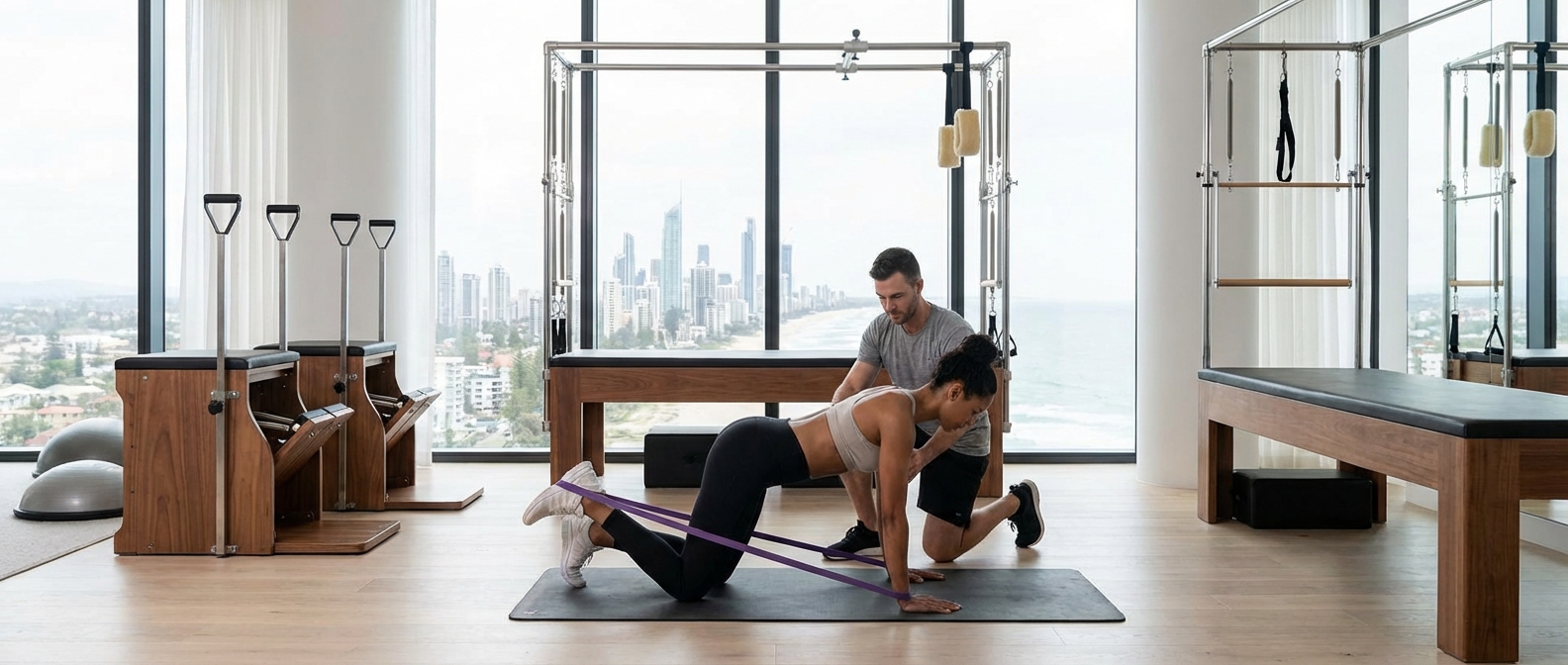
Looking for trusted tips to workout, improve your health, and establish a sustainable fitness routine? This guide is designed for Australians—whether you’re just starting out, returning after a break, or supporting someone aiming to get fitter. As an informational resource, this article will help you understand actionable exercise tips, address safety concerns, and outline how to get fit safely in the Australian context. Please note, this guide is for educational purposes only and is not a substitute for professional medical advice. By the end, you’ll feel more confident in making informed decisions about your fitness journey while understanding key risks and when to seek health support.
Your Comprehensive Guide to Safe and Effective Workout Tips in Australia
Understanding the Intent Behind Tips to Workout in Australia
The primary aim of this article is to educate and empower Australians on how to get fit safely, manage potential risks, and make sustainable exercise choices. As a secondary focus, we’ll clarify common concerns about workout-related symptoms and highlight how a tailored approach to fitness working can support key health outcomes. Additionally, we’ll discuss when it may be necessary to consult healthcare professionals for personalised guidance, especially if you have underlying health conditions or experience warning signs during exercise.
Australians are increasingly interested in not only “how can I get fit,” but also how to maintain long-term wellness. Government data and guidelines from reputable sources such as the Australian Government Department of Health provide a strong foundation for understanding the importance of safe, incremental fitness gains. We build on this by addressing typical challenges, including motivation, time management, injury prevention, and recognising red flags that may signal a need for medical input.
This section sets the stage for exploring key aspects of fitness, risk management, and sustainable progress, and why adopting the right exercise tips can reduce the risk of injury or setbacks.
Why Physical Activity Matters: The Benefits and Risks for Australians
Engaging in regular physical activity delivers wide-ranging health benefits—from reducing the risk of chronic conditions (such as heart disease, diabetes, and some types of cancer) to improving mental health and quality of life. The Healthdirect Australia physical activity guide recommends a mix of aerobic and strength training activities for most adults, ideally on most days of the week.
However, it’s important to recognise that everyone’s reasons for exercise differ. These may include weight management, boosting energy, stress relief, social connection, or supporting rehabilitation after an illness or injury. While the benefits are well-established, there are potential risks if activities are started too suddenly, performed incorrectly, or if underlying health issues are not accounted for—a common gap in online fitness advice.
Real-life scenario: Sarah, a 42-year-old office worker from Melbourne, wanted to improve her health and started a new running programme. She experienced knee pain after the second week, leading her to seek guidance from a physiotherapist. This highlights how a knowledge gap about gradual progressions and individual risk factors can impact your fitness working outcomes—reinforcing the need for safe, well-informed practices.
Pro Tip: Start Low, Go Slow
When beginning a fitness journey, gradual increases in activity allow your body time to adapt and reduce the risk of injury. Set realistic goals, celebrate small milestones, and seek feedback from qualified trainers or allied health professionals when in doubt.
Essentials of Effective Workouts: Exercise Tips for All Levels
Establishing successful exercise habits is about more than following a generic workout plan. To help answer, “How can I get fit safely in Australia?” it’s essential to adapt tips to workout around your personal preferences, schedule, and health status. Here, we walk you through practical fundamentals—drawing on advice from organisations like the Australian Sports Commission—to help ensure your routine is effective and sustainable. For women seeking tailored routines, a Full Body Workout for Women offers safe, effective body toning strategies.
- Start with a Health Check: If you’re over 45 or have a medical condition, consult your GP before starting a new exercise regime.
- Goal Setting: Identify meaningful, achievable goals (e.g. walking 30 minutes per day, joining a group exercise class, or completing a set number of steps).
- Mix It Up: Incorporate a variety of activities (walking, swimming, cycling, yoga, resistance training) to keep workouts engaging and reduce boredom.
- Warm-Up and Cool-Down: Always include 5–10 minutes of gentle cardio and stretching at the beginning and end of your session to protect joints and muscles.
- Listen to Your Body: Understand warning signs of overexertion, such as dizziness, chest pain, severe breathlessness, or joint pain, and stop immediately if they occur.
- Technique Matters: Learning correct techniques, possibly with guidance from allied health professionals, can minimise your risk of common injuries.
- Hydrate and Fuel Well: Maintain hydration and consume balanced meals to support energy and recovery.
Workouts don’t just depend on what you do, but how consistently you do them. Adopting exercise tips that match your lifestyle can help keep motivation high and setbacks minimal, especially when juggling a busy schedule.
| Common Exercise Symptoms | Potential Concerns | Safe Management Options |
|---|---|---|
| Muscle Soreness (DOMS) | Normal adaptation after new or intense activity | Gentle movement, hydration, stretching, rest |
| Acute Pain or Swelling | Possible injury, strain, or incorrect technique | Rest, ice, seek advice from GP or physiotherapist |
| Shortness of Breath | Normal with moderate activity, may signal cardiac risk if sudden or severe | Pause activity, monitor symptoms, seek help if persistent |
| Dizziness/Faintness | Low blood pressure, dehydration, underlying medical issues | Sit or lie down, hydrate, see GP if recurrent |
How to Get Fit: Step-by-Step Guide Adapted for Australians
Trying to figure out the best approach to “how to get fit” can be overwhelming with the overload of information online. Instead, follow these clear, practical stages—supported by up-to-date Australian health advice—while remaining aware that everyone’s journey is different:
- Assess Your Current Fitness: Think about what activities you already enjoy, any previous injuries, and your baseline fitness (e.g. how far can you walk comfortably?).
- Plan Schedule and Rest Days: Map out when and how often you’ll exercise, and build in at least one rest day per week for recovery.
- Start with Moderate Intensity: Activities should allow you to talk but not sing during movement. Walking, light cycling, and swimming are excellent options for most beginners.
- Add Strength Work (2–3 times per week): Use bodyweight, resistance bands, or light weights. Strengthening muscles improves joint support and helps prevent injury.
- Track Progress: Use a journal or fitness app to monitor achievements and setbacks. Consider regular check-ins with an exercise physiologist for tailored feedback.
- Adjust Goals as Needed: Increase duration, intensity, or diversity of activities as you build endurance and confidence.
- Access Social Support: Connect with friends, family, or local clubs. Social motivation is shown to improve long-term commitment to fitness working.
Checklist: Staying on Track with Your Exercise Routine
- Consulted your GP or allied health professional if at higher risk?
- Set realistic, specific, and trackable exercise goals?
- Selected a variety of enjoyable activities?
- Factored in both exercise and rest days?
- Included warm-up and cool-down routines?
- Monitored for warning signs of injury or overexertion?
- Kept hydrated and consumed balanced meals?
- Reviewed progress and adjusted as needed?
Fitness Working for Special Groups: Older Australians, Kids & Chronic Conditions
Certain populations require a tailored approach to working out. Older adults, children and teenagers, pregnant individuals, and people managing chronic conditions can all benefit from exercise, but should be mindful of unique considerations:
Older Australians
Balance, mobility, and bone density are crucial focuses. Activities like tai chi, gentle resistance exercises, or aquatic fitness may offer safe ways to stay active. The Aged Care Quality and Safety Commission recommends modifying intensity and prioritising safety when starting new activities.
Children and Teenagers
Fitness for younger age groups should emphasise enjoyment, social skills, and fundamental movement patterns—not weight loss or excessive training. Encourage school sports, bike riding, play-based activities, and limit screen time to support overall health.
Those with Chronic Conditions
For Australians living with heart disease, diabetes, arthritis, or respiratory challenges, consult your GP before changing exercise routines. Accredited exercise physiologists, available through Medicare or private providers, can design personalised programs that support safe progression and reduce adverse events.
Regardless of your demographic, adapt these exercise tips to your abilities and circumstances. With proper planning and advice, almost everyone can engage in some form of physical activity that supports their wellbeing.
Recognising and Managing Exercise Risks Safely
No exercise routine is without potential risks. Understanding common pitfalls and knowing when to seek help is an essential part of a safe fitness journey in Australia. Here are practical warning signs and risk management tips:
- Sudden Pain, Swelling, or Injury: Stop activity immediately. Apply ice, rest, and consult an allied health professional if symptoms don’t improve within 24–48 hours.
- Breathlessness, Chest Pain, or Palpitations: These symptoms can signal underlying heart or lung issues. Seek medical advice promptly—especially if symptoms occur with low levels of exertion.
- Dizziness or Fainting: May be due to dehydration, low blood sugar, or undiagnosed medical conditions. Rest, hydrate, and see a GP if recurrent.
- Prolonged Fatigue: Feeling unreasonably tired for days after exercise may indicate overtraining, undernourishment, or a need to reassess your workout plan.
- Recurrent Illness or Persistent Joint Issues: Review your routine with a healthcare provider to minimise risk.
Never ignore persistent symptoms, and always err on the side of caution when something feels wrong. Reliable Australian medical organisations such as Better Health Channel Victoria provide safe, evidence-based guidance on recognising red-flag symptoms and managing exercise-related injuries.
Prevention and Long-Term Success: How Can I Get Fit—and Stay Fit?
Staying fit over the long term requires a mix of planning, adaptability, and self-awareness. While it’s tempting to look for shortcuts, consistent effort and gradual progress are consistently shown to support lasting wellness. Prevention—not just treatment—should be your guiding principle when considering any new fitness working approach.
Key preventive steps include:
- Regularly updating your exercise program to align with changing health needs or lifestyle factors.
- Incorporating strength, aerobic and flexibility exercises within each week.
- Staying up to date with annual health checks or screenings (e.g. cardiovascular risk assessments after age 45).
- Addressing barriers such as limited time, motivation slumps, or lack of equipment by planning workouts in advance and seeking support if needed.
- Understanding the right tools is vital—see our Gym Equipment Guide Australia for advice on choosing and using equipment safely.
- Accepting that progress comes with ups and downs—and adjusting your mindset to focus on enjoyment as well as outcomes.
If you’re unsure how to plan safe exercise routines, search for reputable local professionals (exercise physiologists, sports dietitians, or physiotherapists) who can tailor advice to your individual needs.
| Risk Factor | Prevalence in Australia | Management Strategies |
|---|---|---|
| Inactivity | ~50% of adults not meeting guidelines | Start with small bouts of movement, use reminders, join community groups |
| Overuse Injuries | Increased risk with rapid changes or high volumes | Gradual progressions, rest, monitor symptom changes |
| Chronic Health Conditions | Common in mid-to-later life | Consult professionals, use individualised programs |
| Poor Technique | Frequent among beginners | Seek instruction, avoid advanced moves until confident |
FAQ
What are the warning signs that a workout may be unsafe for me?
Warning signs include sudden or severe pain, chest discomfort, breathlessness that doesn’t resolve quickly, swelling, dizziness, or fainting. These may signal underlying health concerns and should prompt immediate cessation of exercise and, if symptoms persist, consultation with a medical professional.
How often should I rest when starting a new workout routine?
Include at least one full rest day per week. Adjust rest frequency based on your energy levels, how your body is responding, and any health advice you’ve received. Adequate rest supports muscle recovery and injury prevention.
Can I still exercise if I have a chronic health condition?
Most people with chronic health conditions benefit from regular physical activity, but you should consult your GP or an accredited exercise professional to develop a safe, effective plan tailored to your needs and limitations.
How do I choose the right type of exercise for me?
Select activities that you enjoy, suit your current fitness level, and fit your goals and schedule. Mixing aerobic activities and strength work is generally recommended for balanced health and sustained motivation.
When should I seek professional advice about my exercise routine?
If you have new or undiagnosed medical symptoms, a significant health history, or are unsure how to adapt your routine safely, consult a healthcare professional such as a GP, accredited exercise physiologist, or physiotherapist.

