

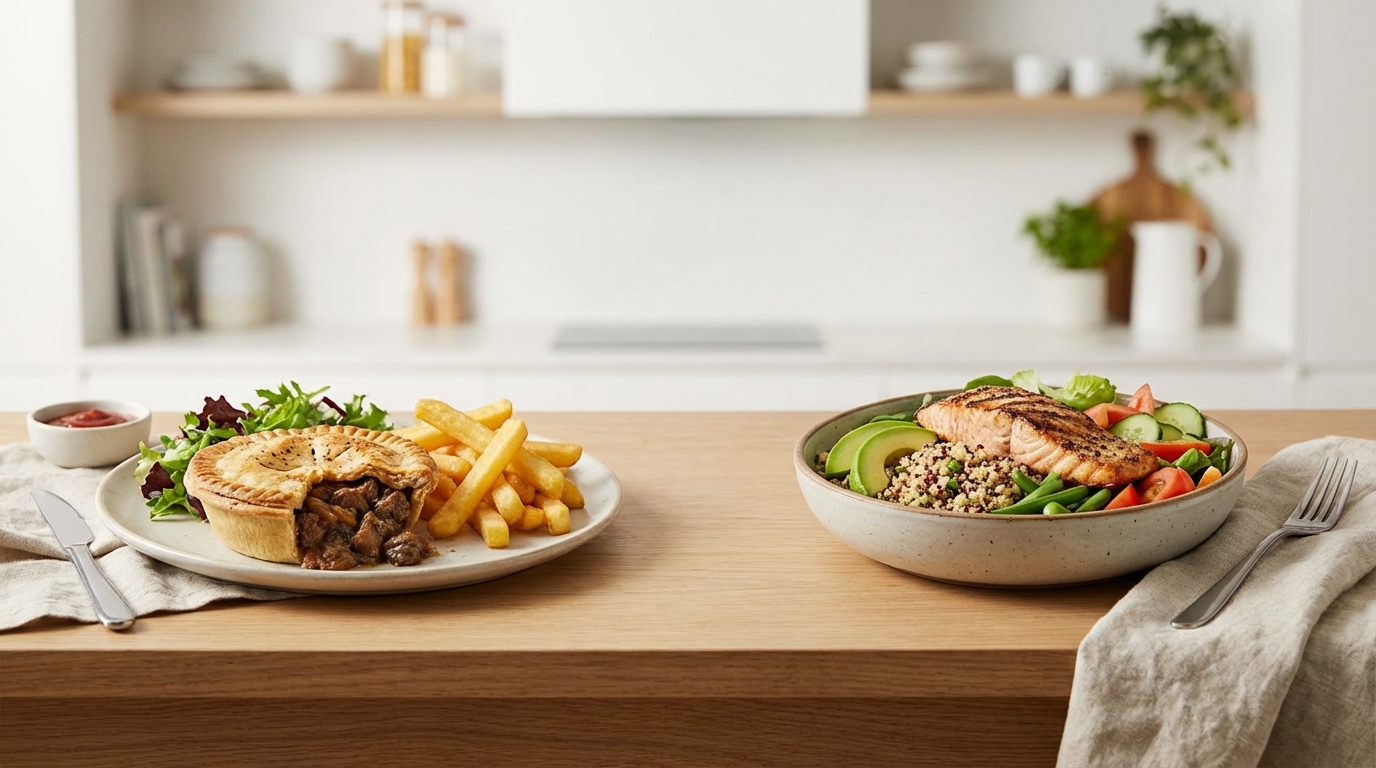
Curious about what constitutes a typical Australian meal? This educational guide is for Australians seeking to understand the health impacts, lifestyle patterns, and prevention strategies relevant to Australian food and meal choices. The article provides informational content and should not replace advice from qualified healthcare professionals. By reading on, you’ll discover what Australians eat, explore health-related concerns around common Australian meals, and learn how to make informed choices within the Australian context.
Understanding the Typical Australian Meal: What Australians Eat and Why It Matters for Health
What Is a Typical Australian Meal? National Dishes and Common Eating Habits in Australia
The question, “What is a typical Australian meal?” often leads to a vibrant mix of cultural influences and modern dietary patterns. Australia’s national food landscape draws from British, Mediterranean, Asian, and Indigenous cuisines, resulting in a diverse menu—from classic meat pies and lamingtons to seafood, barbecue, and plant-forward salads. For many, iconic meals such as the humble sausage sizzle, chicken parmigiana, and “meat and three veg” capture everyday eating traditions, while modern Australian food trends increasingly highlight global flavours and fresh, local produce.
Common Australian meals often feature protein (beef, lamb, chicken, or fish), vegetables, carbohydrates (like potatoes or bread), and a growing trend toward lighter, health-conscious options. Understanding the components of a typical Australian meal is key for those managing dietary needs or chronic conditions like cardiovascular health, which are areas of focus for bodies like the Australian Department of Health and Aged Care. When asking, “What do Australians eat,” it’s important to note the evolving blend of traditional favourites and health-driven innovations.
The national food of Australia is hard to define by a single dish. While no official “Australia national food dish” exists, items like Vegemite on toast, ANZAC biscuits, and barramundi are widely recognised as Australian national dishes food. Eating patterns can differ across states, cities, and rural regions, reflecting Australia’s cultural diversity and attitudes towards health and sustainability.
Causes and Contributing Factors Affecting Typical Australian Meals
The development of typical Australian meals is influenced by numerous social, cultural, and environmental factors. Colonisation brought British cooking traditions, still visible in roast dinners and meat pies. Post-war migration added Mediterranean and Asian influences, making dishes like spaghetti, stir-fries, and sushi everyday options for many Australian families. Recent food trends emphasise fresh Australian produce, plant-based meals, and sustainable eating.
The types of foods Australians eat are also shaped by convenience, cost, and access. Urban areas may offer greater availability of global cuisines and health food options, while rural and remote communities can face higher food costs and limited variety. This variation can play a role in overall nutrition and health outcomes, especially when energy-dense, highly processed foods displace healthier whole foods.
Marketing and targeted advertising can further nudge eating habits, with packaged snacks and sugary drinks sometimes overshadowing traditional or home-cooked meals. This environment shapes what does Australian people eat regularly, influencing public health through changing dietary patterns.
Health Risks and Warning Signs Associated with Typical Australian Food
While enjoying a typical Australian meal can be part of a balanced lifestyle, certain eating patterns may increase risks for common health problems. High intakes of red and processed meats, fried foods, and processed snacks are associated with increased rates of cardiovascular disease, obesity, and type 2 diabetes, as discussed in Australian dietary guidelines from entities like the National Health and Medical Research Council.
| Symptom/Warning Sign | Associated Dietary Factor | Common Conditions |
|---|---|---|
| Weight gain | Excessive energy-dense, processed foods | Obesity, metabolic syndrome |
| Fatigue | Low fruit and vegetable intake | Micronutrient deficiencies |
| Elevated cholesterol | High saturated fat foods, frequent fast food | Heart disease, stroke risk |
| Digestive discomfort | Low fibre, high processed carbohydrate meals | Constipation, gut health impacts |
Recognising these symptoms may help individuals make healthier decisions around Australian meals, especially when planning family menus or grocery shopping. However, these warning signs are general, and symptoms may have multiple causes. It’s important to seek professional advice if you notice ongoing changes that concern you, particularly if symptoms are persistent, unexplained, or severe.
Pro Tip: For safer eating, consider building your meals around half a plate of colourful vegetables, one quarter protein, and one quarter low-GI carbohydrates—a balanced approach widely supported by the Heart Foundation Australia.
Who Is at Greater Risk? Groups and Conditions Related to Australian Meal Patterns
Some groups in Australia face higher health risks related to typical meal patterns. Factors such as age, medical conditions, social disadvantage, and limited access to healthy foods can increase susceptibility to poor health outcomes.
Those living in rural or remote areas may experience limited access to fresh foods, relying more heavily on processed or shelf-stable products. Indigenous Australians and culturally diverse communities may have increased risk of dietary-related conditions due to food environment limitations, economic constraints, and shifting away from traditional diets. Young families, children, and adolescents are also an important group, as early dietary habits can shape long-term health outcomes.
| Risk Group | Potential Concern | Preventative Consideration |
|---|---|---|
| Adults with chronic disease | Exacerbation of health issues (e.g., type 2 diabetes, high blood pressure) | Seek regular monitoring and tailored dietary guidance |
| Children and adolescents | Developing poor eating habits | Promote whole foods, reduce processed snacks |
| Remote communities | Limited access to affordable, fresh foods | Utilise community-led programs and support |
| Older Australians | Higher sensitivity to salt, fat, and sugar intake | Prioritise fresh, minimally processed meals |
Regardless of background, anyone concerned about nutrition or managing a chronic condition should consider advice tailored by a registered health professional. Learn more about local food environment challenges and programs through reputable sources like the Healthdirect Australia portal.
Prevention Strategies: How to Enjoy Australian Food Safely
It is possible to celebrate national Australian dishes while maintaining better health and nutrition. Prevention begins with informed choices and mindful eating behaviours.
- Swap processed meats (sausages, bacon) with lean protein sources like grilled fish or skinless chicken.
- Choose wholegrain bread, brown rice, and legumes as part of traditional dishes to increase fibre.
- Limit fried or heavily processed takeaway meals and choose home-cooked alternatives with added vegetables.
- Prepare “Aussie barbecue” meals with plenty of plant-based side dishes (salads, grilled vegetables).
- Practice portion awareness—try smaller serves of richer Australian meals, balancing with fresh fruit or salad.
- Read and understand nutritional labels on packaged foods for salt, sugar, and saturated fat content.
- Consult health professionals for individual concerns or when considering changes to diet for medical reasons.
| Traditional Dish | Common Ingredient | Healthier Swap |
|---|---|---|
| Meat Pie | Puff pastry, fatty beef mince | Wholemeal pastry, lean meat, vegetable filling |
| Fish & chips | Deep-fried fish, hot chips | Grilled fish, oven-baked sweet potato chips |
| Chicken parmigiana | Crumbed chicken, cheese, ham | Grilled chicken, tomato, fresh herbs |
| Sausage sizzle | Sausage, white bread | Lean sausage, wholegrain wrap, salad garnish |
These strategies are widely recommended by Australian dietitians and nutrition organisations. Remember, making small, consistent changes to typical Australian meals can support better wellbeing over time.
Checklist: Healthier Approaches to Enjoying a Typical Australian Meal
- Fill half your plate with vegetables or leafy greens at main meals
- Choose lean meats or plant-based protein options
- Opt for wholemeal, brown rice, or other whole grains
- Limit added salt, processed sauces, and sugary drinks
- Include at least two serves of fish per week, ideally grilled or baked
- Drink water as your main beverage
- Plan meals ahead to avoid last-minute unhealthy choices
- Support local, seasonal produce for added nutrients and environmental benefits
- Monitor for any changes in energy, mood, or digestive patterns and seek advice as needed
When to Seek Guidance or Professional Help
There are several scenarios where consulting a healthcare provider or accredited practising dietitian is especially important. This may include:
- Persistent digestive symptoms or discomfort related to meal choices
- Family history or diagnosis of chronic conditions like heart disease or diabetes
- Difficulty managing food allergies, intolerances, or special dietary requirements
- Concerns about nutritional adequacy in children, older adults, or during pregnancy
- Any rapid, unexplained changes in health related to eating patterns
While common Australian dishes can be enjoyed in moderation, individual needs vary, and medical guidance supports effective and safe choices, especially for those at risk.
FAQ
- What foods are included in a typical Australian meal?
- Most typical Australian meals include a combination of protein (like meat, chicken, or fish), vegetables, starches (potato, bread, or rice), and sometimes fruits or dairy. Meals such as barbecue, chicken schnitzel with salad, and pasta-based dishes are widely enjoyed.
- Is there a national food of Australia?
- Australia does not have an officially designated national food, but items like Vegemite, meat pies, lamingtons, and ANZAC biscuits are considered iconic. Eating habits vary based on region and cultural heritage.
- Are traditional Australian meals healthy?
- Some traditional Australian foods can be high in saturated fat, salt, or processed ingredients. However, with simple swaps—such as adding more vegetables or choosing leaner meats—they can form part of a balanced, healthy diet.
- How can I make classic Australian meals healthier?
- Add extra vegetables, choose whole grains, reduce added salt, and opt for grilled instead of fried options. Minor adjustments can help typical meals align with healthy eating guidelines in Australia.
- When should I seek dietary advice?
- Professional advice is recommended for anyone with ongoing health concerns, food allergies, chronic conditions, or those wanting to optimise nutrition based on individual or family needs.