
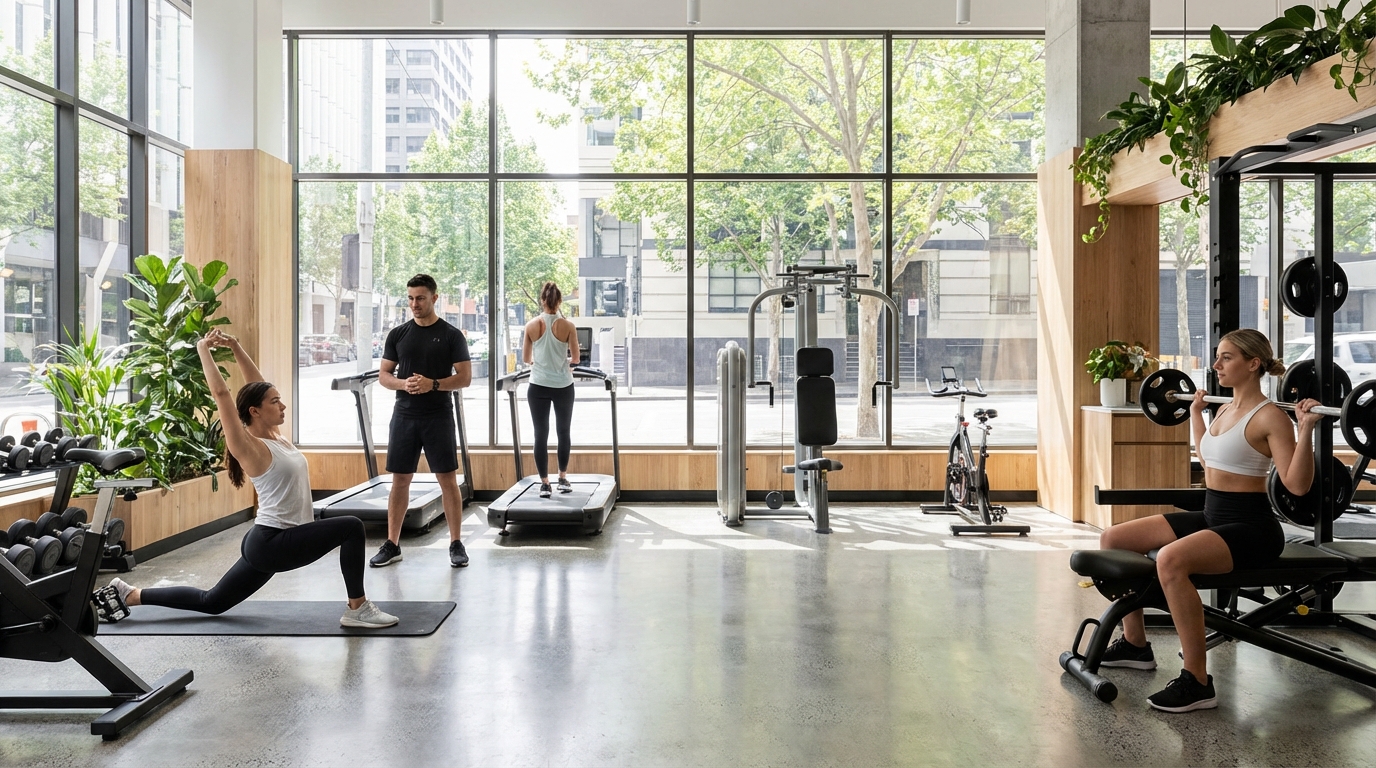
If you’re searching for reliable information about gyms in Melbourne Victoria, you’ve found a detailed guide built for the general Australian public, whether you’re just starting your fitness journey, exploring new health options, or supporting someone close to you. This article is strictly informational, aiming to educate and empower—never to replace professional medical recommendations. By reading on, you’ll learn about symptoms and warning signs of overtraining or injury, prevention strategies, causes and risks of improper gym practices, and key Australian context around access, cost, and health support related to gym Melbourne experiences.
Complete Guide to Gyms in Melbourne Victoria: Safety, Risks & Prevention
Understanding Gyms in Melbourne, Victoria: What Are They and Who Uses Them?
Gyms in Melbourne, Victoria, are professional environments designed for physical fitness, strength training, cardiovascular health, and general wellbeing. Popular gym chains include options like Anytime Fitness, Fitness First, and local boutique studios. Many large commercial centres, like Anytime Fitness, provide flexible access; consider their Anytime Fitness Free Trial to test facilities before joining. These spaces attract a diverse cross-section of the community—from fitness beginners and people with chronic health conditions to experienced athletes and older adults looking to remain active. The trend towards inclusive facilities ensures that most gyms in Melbourne Australia provide equipment and group classes suited to various fitness levels, ages, and body types.
Gym users in Victoria often seek structured training, social engagement, rehabilitation, or preventative health benefits. Government guidance from Victoria’s Department of Health highlights the growing importance of accessible, safe fitness solutions for Australians. However, it’s essential to be aware of potential risks, individual limitations, and when to consult a health professional before beginning a new exercise program.
Many facilities offer free introductory sessions and tailored assessments aimed at supporting all users, including people managing chronic conditions or those recovering from injury, in line with best practice from recognised organisations, like the Heart Foundation. Still, individual outcomes depend on personal health circumstances and consistent engagement.
Common Symptoms and Warning Signs to Watch for at the Gym
Regular exercise at a gym generally supports good health, but some symptoms and warning signs can signal that your body may not be coping well—or that you’re at risk of overtraining, injury, or underlying health concerns. It’s crucial to listen to your body, and early recognition can help you prevent more serious health issues.
| Common Symptom | Possible Cause or Condition | When to Exercise Caution |
|---|---|---|
| Persistent joint pain | Overuse injury, poor technique | If pain continues after rest or worsens during routine movement |
| Dizziness or fainting | Low blood pressure, dehydration, low blood sugar | If symptoms appear suddenly or with moderate activity |
| Shortness of breath (unusual) | Underlying heart or respiratory issue | If accompanied by chest pain or rapid heartbeat |
| Excessive fatigue | Lack of rest, inadequate nutrition | If fatigue impacts daily living or doesn’t improve with rest |
| Muscle swelling or bruising | Muscle strain, improper technique | If there’s severe swelling or loss of movement |
Noticing any of these symptoms doesn’t always mean you need to stop attending your gym Melbourne sessions, but if you’re uncertain, it’s safest to check in with your GP or an exercise physiologist. Early intervention prevents exacerbation and aligns with Better Health Channel guidelines for fitness in Victoria.
Key Causes and Contributing Factors to Gym-Related Issues
While gyms across Melbourne Victoria are staffed to encourage safety, some factors can still raise your risk of injury or setback. One major cause is exercising beyond your current ability, often seen among new and returning gym users. Poor technique, lack of professional supervision, and ignoring warm-up or cool-down phases are frequently identified by expert sources as preventable factors in gym-related accidents.
Additional contributing causes include insufficient rest, dehydration, inadequate nutrition, and using equipment without proper instruction. Cultural attitudes towards “pushing through pain” can sometimes work against good health, leading to persistent overtraining syndrome or recurring injuries. Non-standardised personal trainer qualifications in Victoria can contribute to inconsistent safety across gyms, so always check credentials.
Factors outside your immediate control, such as underlying health conditions (like asthma, hypertension, or diabetes), can also increase risk. Recognised groups such as Exercise is Medicine Australia recommend a preventive approach, integrating clearance from a healthcare professional before beginning intense programs.
Who’s Most at Risk (Risk Groups and Contextual Considerations)
Gym-related risks don’t apply equally to everyone. Certain demographics and personal health profiles—such as older adults, people with chronic medical conditions, and beginners unfamiliar with gym environments—face increased vulnerability. Newcomers, those returning after prolonged inactivity, and anyone with a prior history of musculoskeletal injury should be especially mindful when selecting gyms in Melbourne Australia.
People living with disabilities, younger adolescents, and pregnant women also require extra considerations due to changing health needs and contraindications for specific exercises. Accredited fitness centres generally offer specialised support, but always inform trainers of any health conditions, medication use, or prior injuries before starting a program.
Certain pre-existing conditions—like heart irregularities or uncontrolled diabetes—may require consultation with both your doctor and a suitably qualified exercise professional, in line with Safe Exercise at Home guidance. Practising awareness and asking questions at your gym susbstantially lowers risk for all users.
Prevention: How to Stay Safe and Get the Most from Your Gym Experience
Preventative strategies are central to a safe, sustainable gym routine. Ensuring you’re adequately prepared reduces the risk of avoidable injury and helps you build positive habits with long-lasting health benefits.
- Start with an introductory assessment and health check (often provided free at most gyms in Melbourne Victoria).
- Set realistic, gradual fitness goals that allow your body to adjust over time.
- Use correct technique and seek demonstrated guidance from qualified trainers.
- Take rest days and avoid back-to-back intense workouts whenever possible.
- Stay hydrated, consume balanced nutrition, and avoid exercising on an empty stomach.
- Dress suitably for your activity and maintain good personal hygiene to reduce risk of skin infections.
- Report any faulty equipment or hygiene issues immediately to staff.
- Monitor yourself for early signs of fatigue, breathlessness, or discomfort—and scale back as needed.
| Prevention Checklist |
|---|
| ✔ Seek a pre-exercise medical check if unsure |
| ✔ Understand your own limits and progress slowly |
| ✔ Use a gym induction or orientation session |
| ✔ Stay alert to equipment instructions and signage |
| ✔ Practise hygiene—bring a towel, wipe down equipment |
Prevention delivers better long-term outcomes and aligns with public health recommendations for safe exercise routines in Australia. Every gym environment should support your safety and informed participation.
Australian Access, Costs, and Choosing the Right Gym in Melbourne Victoria
Melbourne boasts a broad spectrum of gym choices, from accessible council-owned recreation centres to private studios, boutique spaces, 24/7 franchises, and female-focused or culturally specific gyms. Costs can range from $7–$30 per week for chain gyms, or higher for premium studios. Most gyms in Melbourne Victoria offer no-lock-in contracts or free trials so you can compare facilities, group class schedules, and staff support.
It’s important to know your priorities before choosing the right health club membership; our guide covers risks and prevention strategies you should know.
Subsidies or discounts may apply for eligible groups—such as students, pensioners, or people living with disabilities—depending on the gym. Many facilities align with broader Australian wellness initiatives like Active Australia and LiveLighter, aiming to remove barriers to participation. When choosing a gym, consider location, access hours, safety standards, cleaning routines, COVID-safe procedures, and instructor qualifications.
Travelling or relocating? These key points for Sydney gyms outline local practices and differences from Melbourne gyms. For a broader overview of national trends and safety recommendations, the Aus Fitness Guide is an excellent resource for Australians seeking comprehensive fitness support.
Consult the VicHealth directory or reputable local listings for up-to-date information about individual gyms’ credentials and community standing. Never hesitate to discuss your health needs or safety questions during a trial visit—staff should readily support you.
Management Options and When to Seek Professional Help
Most gym-related health issues can be managed by reducing intensity, improving technique, and following structured progression plans. Accredited exercise professionals—such as exercise physiologists or sports physiotherapists—can tailor management plans aligned with your goals, underlying health, and specific risks. Management may involve:
- Technique correction and programme modification
- Injury rehabilitation and recovery advice
- Supervised strength and conditioning (especially for older adults or those with unique health needs)
- Group classes focused on flexibility, balance, or low-impact exercise
- Lifestyle coaching around sleep, stress, and nutrition
Knowing when to seek further help is critical. If you experience persistent or severe symptoms (such as chest pain, sudden dizziness, joint instability, or extreme shortness of breath), stop exercise and consult a healthcare provider immediately. This is in line with the Cancer Council Australia and other medical organizations’ exercise safety guidelines. If your condition doesn’t improve with rest or worsens after multiple sessions, see your GP before continuing.
FAQ
What are the most important safety tips for beginners at gyms in Melbourne Victoria?
Beginners should start slowly, use gym induction or introductory sessions, ask staff for equipment guidance, stay well hydrated, and report any health concerns. Working within your limits and increasing intensity gradually prevents most common injuries and supports long-term enjoyment.
Do I need a medical check before joining a gym in Melbourne?
While a medical check is not mandated for all, it is recommended if you have pre-existing health conditions, are over 45, or have been sedentary for a long period. Some gyms may require a medical clearance for specific programs or high-intensity training.
What risks should I be aware of when using fitness equipment?
Risks include injury from improper technique, overexertion, and not following safety instructions. Always ensure you understand how to use equipment correctly, and never rush through set-up or maintenance steps recommended by staff.
Can children and older adults safely use gyms in Melbourne Australia?
Yes, many gyms offer classes or equipment suitable for different age groups. It’s important to select age-appropriate activities, seek supervision for children, and consult with trainers or healthcare professionals for tailored program recommendations.
When should I seek immediate professional help after a gym session?
Seek immediate help for ongoing pain, chest discomfort, severe breathlessness, fainting, or significant swelling. These may indicate underlying issues that require prompt medical attention.

