
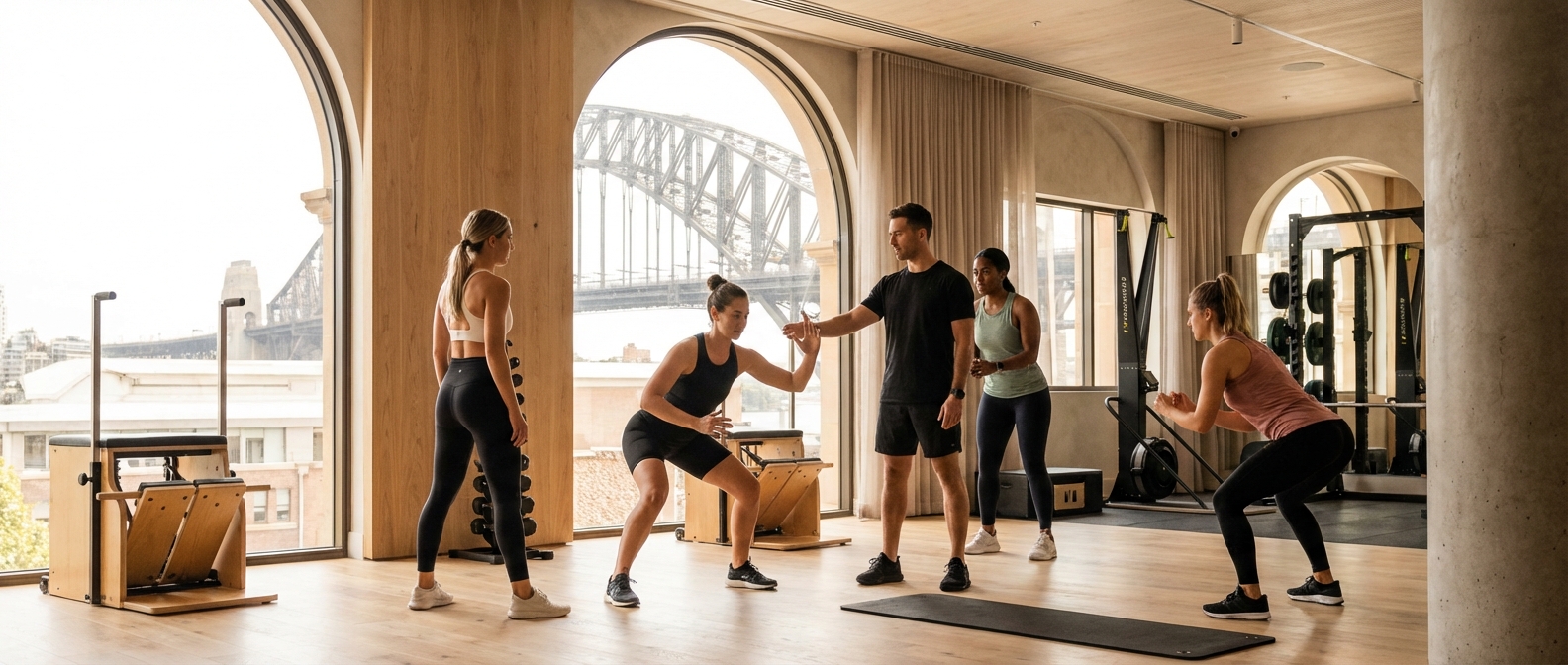
For those living in or visiting Sydney and considering joining a gym, understanding your options is key to making healthy, sustainable choices. This resource on gym Sydney is designed for the general Australian public, health-conscious readers, and anyone interested in improving their fitness in a safe, supportive environment. This article is for informational and educational purposes only and does not replace advice from a registered health professional. By reading on, you will gain insights into finding the right gym in Sydney, recognise important safety considerations, and learn evidence-based strategies to prevent injuries while maximising your results.
Understanding Gym Sydney: Your Roadmap to Health and Safety
What Does “Gym Sydney” Mean? Exploring Your Options
“Gym Sydney” refers to the wide array of fitness centres, gymnasiums, and exercise studios located across the city and its surrounding suburbs. Whether you’re looking to join a high-tech gymnasium in Sydney’s CBD, a boutique studio in the Eastern Suburbs, or a family-friendly fitness centre in the Inner West, there’s an option for nearly every budget, fitness level, and lifestyle.
Likewise, residents in Victoria may benefit from our Gyms in Melbourne Victoria review, which covers safe training environments and available facilities.
Gyms in Sydney Australia typically offer a range of facilities such as cardiovascular and strength equipment, group fitness classes, personal training, and sometimes services like allied health consultations. While some gyms focus on performance or sports rehabilitation, others cater to those starting their health journeys, including seniors or people with special requirements.
It’s important to clarify your primary intent when selecting a gym: are you seeking general fitness, specific health management, weight loss, social connection, or rehabilitation? Your decision will shape the experience, safety, and benefits you can expect from your chosen gym in the city.
Common Concerns: Risks and Symptoms Linked to Starting a Gym in Sydney
Recognising Early Warning Signs
Joining a new gym does have health benefits, yet there can be risks if the environment or workouts are mismanaged. Early warning signs of overexertion or unsafe exercise include sudden or prolonged muscle soreness, joint pain, light-headedness, shortness of breath, or excessive fatigue during or after sessions. Muscle strains, tendon pain, and minor sprains can be common, particularly if proper technique or rest intervals are overlooked.
Who Is Most at Risk?
Individuals new to exercise, those returning from injury, people managing chronic conditions, and older adults may have a higher risk of exercise-related injuries. Using incorrect form, progressing too quickly, or not adequately warming up are key contributing factors identified by Australian health authorities. Always inform staff of any pre-existing health conditions or recent injuries, and consult with your GP if unsure about your readiness to start intense exercise.
How to Choose a Gymnasium in Sydney: Key Factors and Prevention Tips
There’s a wide choice of gyms in Sydney Australia, each with unique features and membership options. Here’s what to consider to ensure you choose a supportive, safe environment:
- Location and Accessibility: Pick a gym close to work or home for consistent attendance.
- Facility Standards: Look for well-maintained equipment, up-to-date safety protocols, and tidy, hygienic spaces.
- Supervision and Qualifications: Qualified trainers and attentive staff are crucial, especially for beginners or people with health concerns. For more personalised support, our fitness trainer selection process resource outlines risk prevention and management steps for hiring professionals.
- Community and Support: Some gyms foster an inclusive atmosphere, offering classes and support networks for motivation and accountability.
- Cost and Contracts: Compare upfront fees, contract lengths, cancellation policies, and inclusions such as allied health support.
| Factor | Practical Example | Why It Matters |
|---|---|---|
| Qualified Staff | Presence of certified trainers on floor | Ensures guidance and emergency response |
| Community Focus | Regular group sessions for all levels | Boosts motivation, inclusivity |
| Equipment Hygiene | Sanitisation stations & cleaning schedules | Reduces infection and illness risk |
Many prominent gym chains and independent studios now follow Australian guidelines published by Sport Australia and state health agencies to minimise infection, injury, and transmission risks within their venues.
Symptoms and Warning Signs to Watch for in a Sydney Gym
Overtraining and Poor Recovery
Symptoms that may signal overtraining or unsafe practices include persistent fatigue, sleep disturbances, mood changes, or declining performance despite consistent attendance. If you notice joint swelling, abnormal heart rates, or pain that persists longer than expected, it’s wise to pause your workouts and seek advice.
Specific Injury Indicators
Sharp or sudden pain during an activity, swelling around a joint, or a loss of mobility are signs to stop exercise immediately. For new gym members in Sydney, knee and shoulder overuse injuries are among the most commonly reported conditions, often addressed with the help of physiotherapists and allied health professionals.
| Symptom | Possible Condition | Management Pathways |
|---|---|---|
| Persistent muscle ache | Delayed-onset muscle soreness | Rest, gradual increase, hydration |
| Sudden sharp pain | Sprain, strain, acute injury | Stop activity, consult GP/physio |
| Excess fatigue | Overtraining | Adjust routine, enhance recovery |
If uncertain about a symptom, especially if severe or worsening, it is advised to consult a registered health provider rather than self-diagnosing or pushing through the discomfort.
Root Causes and Risk Factors: Why Injuries and Setbacks Occur
Injury and illness-related absences in Sydney gyms often stem from several key causes:
- Poor technique: Not using proper form can place excessive strain on muscles and joints.
- Inadequate warm-up or cool-down: Skipping these increases injury risk.
- Rapid workload increases: Sudden spikes in training intensity or duration.
- Underlying health conditions: Such as cardiovascular risk factors or musculoskeletal issues.
- Environmental factors: Overcrowding, insufficient supervision, or unaddressed hazards.
Evidence shows participation in group classes or using personal trainers in higher-quality gyms can reduce injury risks, but they cannot eliminate all potential setbacks. Ultimately, risk is managed—not removed—through education, environment, regular rest, and individual health awareness.
| Risk Factor | Example | Prevention Tip |
|---|---|---|
| Poor supervision | Unstaffed weights area | Choose gyms with staff present during all hours |
| Lack of warm-up | Jumping into heavy lifts cold | Dedicate 10 minutes to mobility drills |
| Inappropriate progression | Trying to match others’ routines | Increase loads gradually as advised by trainers |
Safe Management: Practical Steps for Injury Prevention and Recovery
A preventive approach is vital in any gym setting. The following checklist outlines best practices for reducing risk and maintaining long-term motivation, as endorsed by Victorian health authorities:
| Prevention Checklist for Sydney Gym Members |
|---|
| Start with an induction session provided by gym staff |
| Warm up for at least 5–10 minutes (dynamic stretching, light cardio) |
| Use correct lifting and movement techniques – ask for a demonstration if unsure |
| Hydrate before, during, and after sessions |
| Listen to your body and rest if you notice unusual pain or fatigue |
| Clean equipment after use to support community health |
| Utilise supervision for unfamiliar routines or heavy lifts |
Pro Tip: If you’re returning to exercise after a break—especially following injury, illness, or pregnancy—consider a check-in with your doctor or an allied health professional before starting at a new gymnasium Sydney. This can help tailor your workout to your individual needs and reduce risk.
If injury occurs, early and gentle management (including rest, ice, and seeking medical advice) is recommended rather than pushing through. Many gyms in the city now offer on-site physiotherapy or links to local clinics for convenient care if required.
Making Informed Choices: Cost, Access and Community Considerations
Costs for gyms in Sydney Australia vary significantly, from budget-friendly chain memberships to boutique fitness studios with higher price points. Factors influencing price include contract flexibility, access to facilities (24/7 vs staffed hours), group training inclusions, and additional health services. Some Sydney gyms offer low-commitment trials or “pay as you go” arrangements, while others require longer-term contracts with varying cancellation policies. If flexibility is a priority, check the Anytime Fitness Free Trial program for no-commitment access and guidance on safe induction.
For those who prefer exercising at home, our Home Gym Workout Guide details safe plans and preventative strategies you can implement independently.
Accessible gyms tend to provide ramp or lift access, inclusive change facilities, and adaptive equipment for people with disabilities or mobility challenges. Many centres also run community-based fitness and wellbeing programs, supporting mental health and social connection alongside physical fitness.
For those seeking a gym in the city, examining online reviews, visiting facilities in person, and starting with an induction or short trial can help ensure you select a supportive environment best matched to your goals and health needs.
When to Seek Medical Advice Before or During Gym Participation
While the majority of Australians can safely participate in gym-based exercise, there are times when consulting a doctor or allied health professional is prudent. This is particularly important for those with pre-existing medical conditions, prior injuries, ongoing symptoms (such as chest pain, uncontrolled hypertension, or musculoskeletal pain), or anyone who is unsure about the safety of high-intensity activities.
If at any point you experience symptoms such as severe chest pain, sudden breathlessness, fainting, or limb weakness, stop exercising immediately and seek urgent medical care. The Heart Foundation and other Australian health organisations provide practical tools to help you assess readiness for physical activity and identify signs requiring assessment by health professionals.
For general concerns, most gyms in Sydney can provide referral pathways to local GPs, physiotherapists, exercise physiologists, and other health supports.
FAQ
- What should I look for when joining a gym in Sydney?
- It’s important to assess location, staff qualifications, equipment standards, hygiene protocols, and community support. Choosing a gym that aligns with your goals and comfort level increases the likelihood of consistent attendance and positive health outcomes.
- Are gyms in Sydney safe for beginners with health conditions?
- Most gyms cater to a variety of health and fitness levels, including those with medical conditions. Inform staff about your health status, and consult your doctor if unsure. Supervised and staffed hours further enhance safety for beginners and those with special needs.
- How can I prevent injuries at my local Sydney gym?
- Key strategies include proper warm-up, using correct form, progressing gradually, listening to your body, and seeking professional advice when unsure. Following hygiene guidelines also reduces the risk of infection.
- What are typical costs for gyms in Sydney?
- Costs range from budget memberships around $10–$20 per week up to $50 or more for specialist studios, often varying with included services, location, contract terms, and access to additional health support options.
- When should I stop exercising and seek medical help?
- Stop immediately if you experience severe pain, joint instability, fainting, chest pain, shortness of breath at rest, or persistent symptoms. Seek urgent medical advice if symptoms are severe, sudden, or do not settle quickly.

